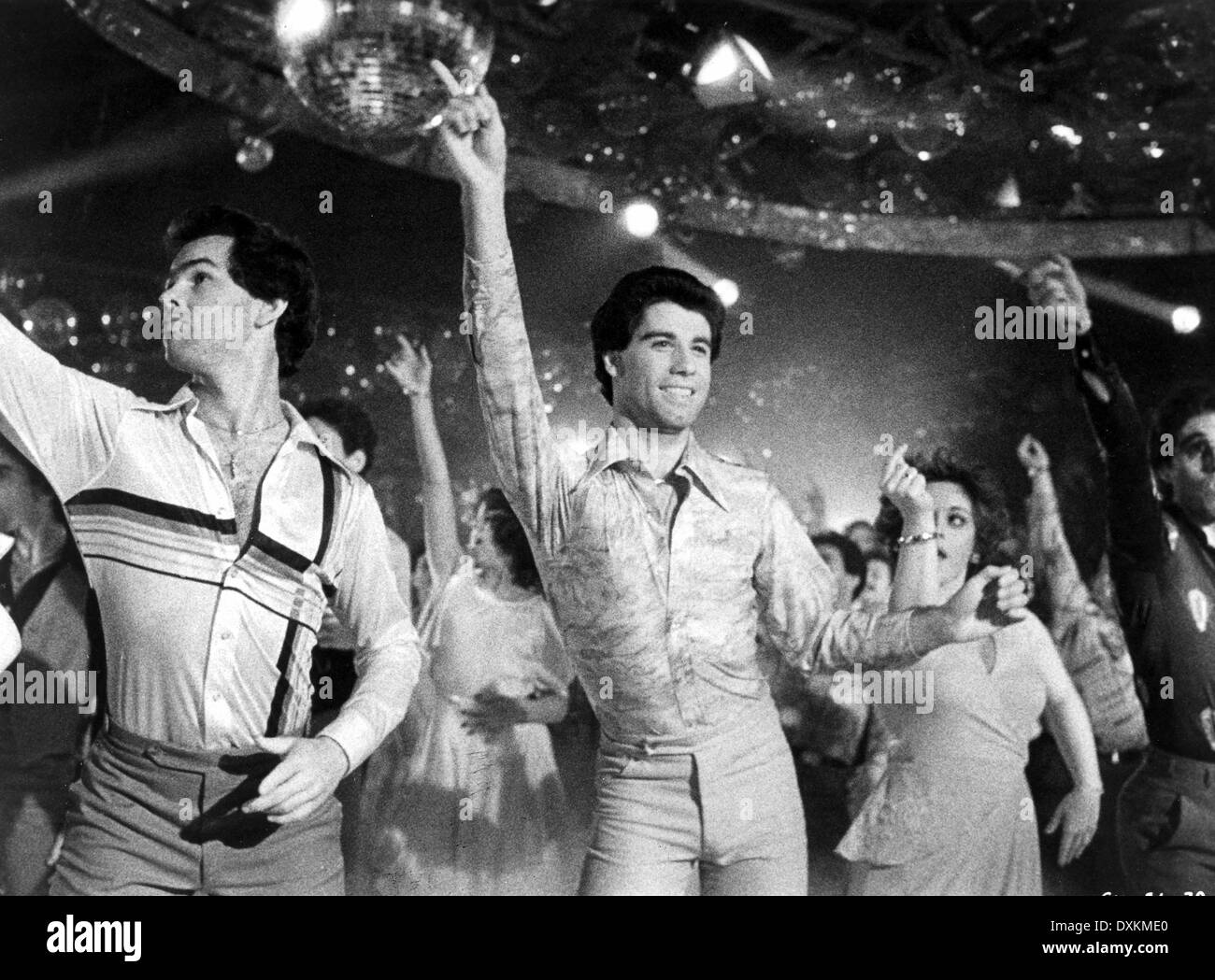
In the landmark 1977 film Saturday Night Fever, Annette—portrayed by actress Donna Pescow—is a central character who embodies the unrequited romantic longing, gender inequality, and social frustrations of working-class youth in 1970s Brooklyn. As Tony Manero’s original dance partner, her story arc provides the movie with its most harrowing dramatic reality check.
Who Is Annette in Saturday Night Fever?
Directed by John Badham and written by Norman Wexler, Saturday Night Fever (1977) is often remembered for its iconic Bee Gees soundtrack, white polyester suits, and electrifying dance sequences. However, at its core, the film is a gritty drama exploring urban decay, economic stagnation, and youth alienation in Bay Ridge, Brooklyn. Within this narrative, Annette serves as a vital anchor to the harsh social dynamics of the era.
Annette is a young neighborhood woman deeply infatuated with Tony Manero (played by John Travolta). She spends her nights at the local disco, 2001 Odyssey, seeking validation from Tony and dreaming of building a life with him beyond their working-class neighborhood. Annette represents the traditional expectations placed on young women in her community: she seeks romance, domesticity, and social status through her association with the neighborhood's undisputed dance king.
Unlike Tony, who harbors vague ambitions of escaping Brooklyn, Annette’s aspirations are entirely tied to her local environment and to Tony himself. Her inability to win Tony's genuine affection or respect drives much of her character arc, ultimately pushing her into vulnerable and dangerous situations that expose the predatory realities of her social circle.
Annette's Character Arc and Key Plot Points
Annette's trajectory throughout Saturday Night Fever tracks a descent from romantic optimism to severe emotional trauma. Her journey illuminates the dark underbelly of the suburban dance subculture, contrasting sharply with the upbeat tempo of the film's music.
The Quest to Be Tony’s Dance Partner
When the 2001 Odyssey nightclub announces a grand dance contest with a $500 cash prize, Annette sees it as her golden opportunity. She eagerly lobbies Tony to be his partner. Tony, recognizing that Annette is a capable dancer who works hard to follow his lead, agrees to enter the contest with her.
However, Tony establishes harsh transactional terms from the beginning. He makes it clear that their partnership is strictly professional on the dance floor and refuses to engage in a meaningful romantic relationship with her. Tony famously imposes a double standard, telling Annette that if they sleep together, he will no longer respect or dance with her. Desperate to remain close to him, Annette accepts these terms, enduring subtle put-downs and emotional distance during their rehearsal sessions.
Rejection and the Arrival of Stephanie Mangano
The turning point in Annette’s storyline occurs at the dance studio when Tony spots Stephanie Mangano (Karen Lynn Gorney). Stephanie dances with an artful sophistication, lives in Manhattan, works in the Manhattan entertainment industry, and speaks with an elevated vocabulary that fascinates Tony.
Realizing that Stephanie offers both superior technical dance ability and a glimpse into a world beyond Brooklyn, Tony abruptly fires Annette as his dance partner. Annette’s heartbreak is immediate and severe. She is not only discarded as a dancing partner but also rejected as a romantic prospect. In an effort to keep Tony’s attention, Annette attempts to adopt a tougher exterior, yet her vulnerability remains evident to everyone around her.
The Backseat Scene: A Pivotal Narrative Turning Point
Devastated by Tony's rejection and desperate for male attention and acceptance, Annette continues to hang around Tony’s friends—Joey, Double J, and Bobby C. Her emotional turmoil culminates on a tragic night inside a parked car near the Verrazzano-Narrows Bridge.
Trying to make Tony jealous and seeking validation, Annette agrees to join Joey and Double J in the back of the car. Severely intoxicated and weeping, she experiences a chaotic, non-consensual sexual encounter with the group. Tony stands by, offering weak protests but failing to intervene meaningfully, highlighting his own complicity in the group's toxic behavior. This traumatic event strips away any remaining illusion of romance or glamour, exposing the misogyny and brutality lurking beneath the neighborhood’s social scene.
Thematic Significance: What Annette Represents
Annette is far more than a secondary romantic interest; she is crucial to the film's social commentary. Through her character, the film critiques the rigid gender roles and toxic dynamics of 1970s suburban youth culture.
THE DUAL ROLES OF BAY RIDGE
| ANNETTE | STEPHANIE |
|---|---|
| Trapped in Brooklyn | Escaping to Manhattan |
| Seeks status via male approval | Pursues self-actualization |
| Conforms to traditional roles | Rejects local expectations |
| Subject to toxic dynamics | Maintains independence |
Gender Double Standards and Misogyny
In the world of Saturday Night Fever, young women are categorized through an oppressive double standard. Men like Tony and his crew demand sexual access from women while simultaneously devaluing those who yield to them. Annette gets caught directly in this trap:
- Compliance vs. Respect: If she refuses Tony sexually, she is kept at arm's length; if she consents to others, she is branded as unrespectable.
- Lack of Agency: Women in the neighborhood are expected to support male ambitions while their own emotional and physical boundaries are routinely ignored.
Suburban Stagnation vs. Upward Mobility
Annette serves as a narrative foil to Stephanie Mangano. While Stephanie represents the impulse toward upward mobility and self-reinvention across the East River in Manhattan, Annette represents those who remain trapped in the neighborhood. Annette cannot conceive of an identity independent of Brooklyn or independent of a male partner. Her tragic trajectory underscores how structural inequality and rigid social expectations disproportionately harm young women who lack the resources or perspective to escape.
Donna Pescow’s Audition, Performance, and Preparation
Donna Pescow’s portrayal of Annette was widely praised by critics, earning her significant recognition upon the film’s release. However, securing and executing the role required substantial effort and physical adaptation.
Landing the Role
When Donna Pescow auditioned for Saturday Night Fever, she was a young actress who had trained at the American Academy of Dramatic Arts in New York. Interestingly, the film's casting directors initially felt Pescow was too attractive and too polished to play the needy, insecure Annette.
To convince the filmmakers she was right for the part, Pescow took deliberate steps:
- Physical Transformation: She gained roughly 15 pounds to better reflect the visual image the director envisioned for the character.
- Accent Amplification: Though born in Brooklyn, Pescow had spent years training to erase her regional accent for classical theater. She had to relearn and exaggerate her native Brooklyn dialect to give Annette her authentic cadence.
- Audition Persistence: She auditioned up to six times before officially locking down the role.
Critical Reception and Recognition
Pescow’s brave, unvarnished performance provided the film with some of its most heartbreaking emotional moments. Her work was recognized by critical bodies, earning her a nomination for the New York Film Critics Circle Award for Best Supporting Actress in 1977. Pescow successfully balanced Annette’s annoying desperation with a deep, tragic humanity, ensuring that the audience felt the weight of her pain during the film's climax.
Following Saturday Night Fever, Pescow went on to star in the television comedy series Angie (1979–1980) and later appeared in numerous television series, including Out of This World and Disney Channel's Even Stevens.
Character Comparison: Annette vs. Stephanie Mangano
To fully understand Annette’s dramatic function, it is helpful to compare her directly with Stephanie Mangano, the other major female presence in Tony Manero's life.
| Feature / Trait | Annette | Stephanie Mangano |
|---|---|---|
| Actor | Donna Pescow | Karen Lynn Gorney |
| Primary Goal | Win Tony's love; marry and stay in Brooklyn | Move to Manhattan; build a professional career |
| Dance Style | Competent local disco dancer; follows Tony's lead | Polished, ambitious dancer with formal grace |
| View of Bay Ridge | Accepts it as her permanent home and social world | Sees it as a provincial trap to be left behind |
| Relationship Dynamic with Tony | Submissive, needy, constantly seeking validation | Independent, challenging, insists on equal footing |
| Socioeconomic Ambition | Low; focused entirely on personal relationships | High; works in Manhattan public relations/management |
| Narrative Symbolism | The trap of traditional, suburban gender roles | The possibility of escape and self-reinvention |
| Final Emotional State | Traumatized, exploited, and abandoned | Autonomous, establishing practical boundaries with Tony |
The Impact of Annette's Storyline on Modern Retrospectives
In the decades since its 1977 premiere, public perception of Saturday Night Fever has evolved significantly. While early marketing emphasized disco music, flash lights, and dance routines, modern film scholars and retrospective analyses view the movie as a grim character study on par with 1970s cinema classics like Taxi Driver or The French Connection.
Annette’s storyline is central to this re-evaluation:
- Deconstruction of the Disco Fantasy: Without Annette’s painful narrative arc, the film might be mistaken for a lighthearted musical. Her experiences prevent the movie from sugarcoating the era's youth culture.
- Examination of Assault and Consent: Modern audiences analyze the car scene with increased sensitivity to issues of non-consensual behavior, peer pressure, and sexual violence. The scene highlights how group dynamics and toxic masculinity can destroy lives.
- Preservation in Film Archives: The cultural and historical significance of the film led to its selection for preservation in the United States National Film Registry by the Library of Congress in 2010, acknowledging its realistic reflection of 1970s American life.
Frequently Asked Questions
Who played Annette in Saturday Night Fever?
Annette was played by American actress Donna Pescow. Born in Brooklyn, New York, Pescow underwent a physical transformation and accent modification to land the breakthrough role, which earned her a nomination for the New York Film Critics Circle Award.
What happens to Annette at the end of Saturday Night Fever?
After being rejected by Tony as his dance partner, Annette attempts to make him jealous by hanging around his friends. This leads to a traumatic backseat scene in a car where she suffers a non-consensual sexual encounter with Joey and Double J while intoxicated. Devastated and emotionally shattered, she leaves the group, marking one of the darkest climaxes in the film.
Why did Tony replace Annette with Stephanie as his dance partner?
Tony replaced Annette because he recognized that Stephanie Mangano was a more skilled, sophisticated dancer who could help them win the 2001 Odyssey dance contest. Additionally, Tony was fascinated by Stephanie’s independent personality and her move to Manhattan, which represented the broader horizon he secretly desired.
Was Saturday Night Fever Donna Pescow's film debut?
Yes, Saturday Night Fever marked Donna Pescow’s feature film debut. Her acclaimed performance in the movie launched her acting career, leading to leading roles on television shows such as Angie, Out of This World, and Even Stevens.
What does Annette's character represent in the film?
Annette represents the systemic limitations, unrequited romantic hopes, and gender-based double standards experienced by working-class women in 1970s suburban Brooklyn. She serves as a thematic contrast to Stephanie Mangano, illustrating the tragedy of remaining trapped in a toxic local environment.
Key Takeaways for Film Enthusiasts and Viewers
When rewatching or studying Saturday Night Fever, paying close attention to Annette's arc offers a deeper appreciation of the film's dramatic complexity:
- Look Beyond the Soundtrack: Pay attention to how director John Badham uses Annette’s scenes to contrast the energetic dance music with realistic emotional distress.
- Observe the Acting Details: Take note of Donna Pescow's physical choices, dialect work, and subtle emotional shifts during her dialogue scenes with John Travolta at the studio and diner.
- Analyze the Narrative Contrast: Compare how the film treats Annette's dependence on male validation versus Stephanie's insistence on personal autonomy, as this dynamic drives Tony Manero's ultimate character growth at the end of the movie.