Amperex Technology Limited (ATL) stands today as a global leader in the development and manufacturing of rechargeable lithium-ion polymer batteries. Renowned primarily for its foundational role in powering consumer electronics like smartphones, laptops, and wearable devices, the company has increasingly expanded its footprint into emerging sectors such as electric micro-mobility, drone technology, and residential energy storage systems. Operating as a subsidiary of TDK Corporation, ATL maintains massive manufacturing facilities across regions like Dongguan and Ningde in China, alongside research and development centers designed to push the boundaries of energy density, fast-charging capabilities, and safety standards in portable power.
The Core Identity and Corporate Structure of ATL
Understanding Amperex Technology Limited today requires looking at its corporate lineage and structural relationship with its parent organization, TDK Corporation. Founded in 1999, ATL initially focused on bringing advanced lithium-ion polymer battery technology to the burgeoning consumer electronics market. Over the decades, the company established a reputation for engineering high-reliability power cells capable of fitting into increasingly thin and complex device architectures.
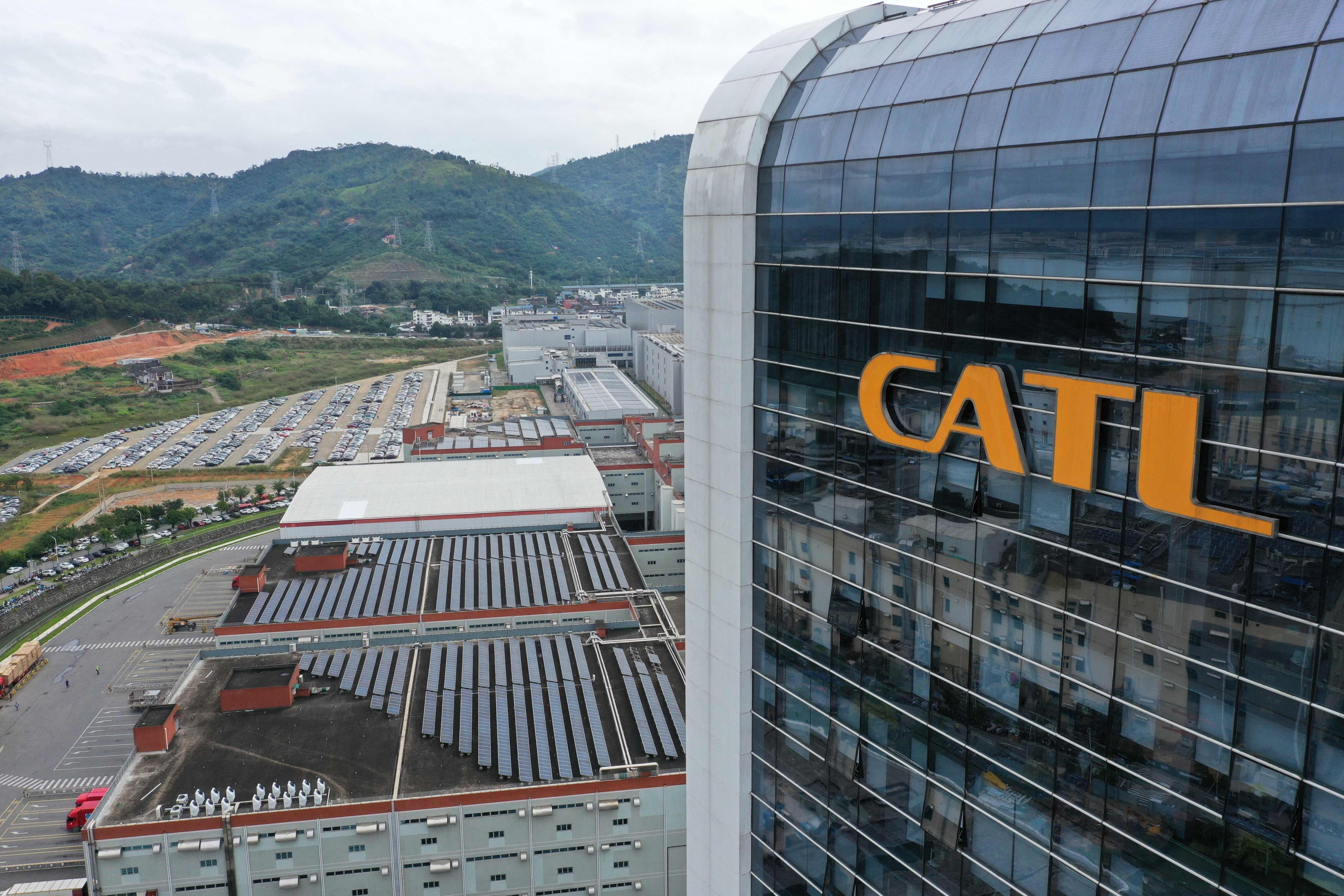
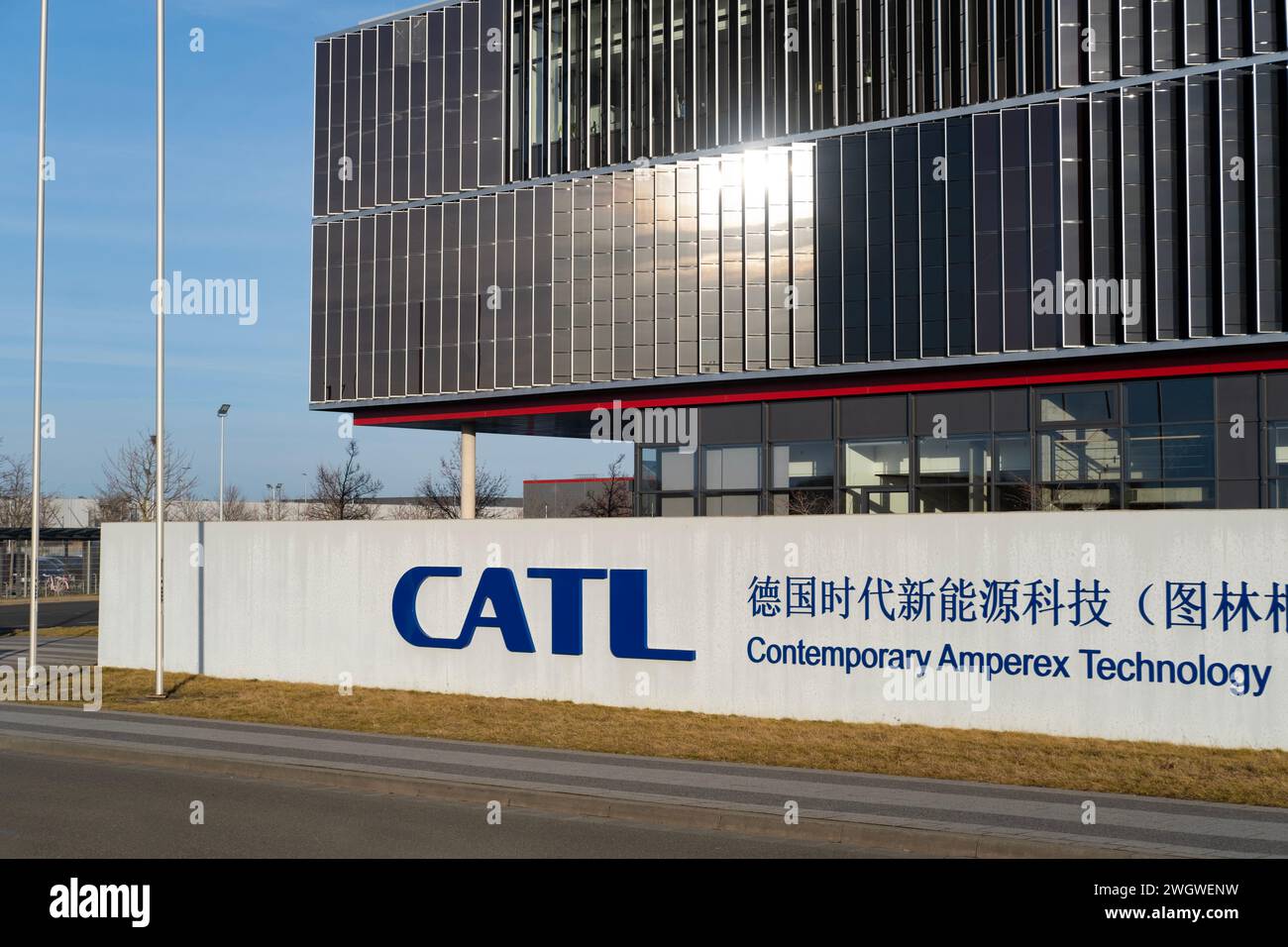
In 2005, TDK Corporation acquired ATL, integrating the battery manufacturer into its broader portfolio of electronic components and solutions. This acquisition provided ATL with the financial backing, global supply chain integration, and advanced materials science research necessary to scale production aggressively. Today, ATL operates as a cornerstone of TDK’s energy application business. While sister company Contemporary Amperex Technology Co. Limited (CATL) split off to focus heavily on large-scale electric vehicle (EV) traction batteries, ATL retained its core focus on consumer electronics, micro-batteries, and smaller-scale mobility and energy storage applications.
Key Milestones and Technological Evolution
ATL’s market position is built upon decades of continuous material science and manufacturing process innovations. The company pioneered several advancements in high-voltage lithium-ion chemistries, silicon-carbon anode integration, and ultra-thin cell geometry. By continuously refining the safety mechanisms embedded within pouch cells—such as advanced separators, ceramic coatings, and thermal management architectures—ATL earned the trust of the world's leading consumer electronics brands.
| Development Phase | Strategic Focus | Primary Applications |
|---|---|---|
| Late 1990s – Early 2000s | Foundation and pouch cell commercialization | Early mobile phones, portable media devices |
| 2005 – 2015 | TDK integration and high-density scaling | Smartphones, tablets, ultra-thin laptop computers |
| 2016 – Present | Diversification into micro-mobility, wearables, and drones | Smartwatches, true wireless stereo (TWS) earbuds, e-scooters, residential energy systems |
Dominance in Consumer Electronics and Mobile Power
The backbone of ATL’s business remains the consumer electronics sector. Modern smartphones, tablets, and laptops demand batteries that pack maximum energy into minimal physical volumes while maintaining strict safety profiles. ATL supplies lithium-ion polymer batteries to many of the world's largest device manufacturers, operating behind the scenes as a critical tier-one component provider.
Technical Challenges in Smartphone Energy Density
As consumers demand longer battery life alongside thinner device profiles, manufacturers face intense engineering constraints. ATL addresses this by optimizing the internal chemistry of its pouch cells.
- Silicon-Carbon Anodes: Traditional graphite anodes have largely reached their theoretical limits regarding energy storage per unit volume. ATL incorporates silicon-carbon composite materials into the anode structure, significantly increasing lithium-ion intercalation capacity without proportionally expanding the physical footprint of the battery cell.
- High-Voltage Cathodes: By engineering cathode formulations that operate safely at higher voltage thresholds (such as 4.45V and above), ATL extracts more watt-hours per gram of active material.
- Space Utilization: Through advanced mechanical design and automated folding techniques, ATL maximizes the internal volume of a smartphone chassis, leaving minimal dead space inside the battery compartment.
Expansion into Micro-Mobility and Emerging Energy Sectors
While consumer electronics form its historical bedrock, ATL has strategically diversified its portfolio to capture growth in new electrification sectors. The rise of urban micro-mobility—including electric bicycles, e-scooters, and delivery robots—requires robust, high-cycle-life power sources that can withstand vibration, thermal stress, and rapid charging cycles.
Drones and Unmanned Aerial Vehicles (UAVs)
The commercial and consumer drone market demands extreme power-to-weight ratios. Drones require instantaneous discharge currents to maneuver effectively, followed by sustained output during long-range flights. ATL supplies specialized high-discharge-rate polymer cells that cater specifically to UAV manufacturers, ensuring reliable performance under fluctuating load conditions.
Wearables and True Wireless Stereo (TWS) Devices
Miniaturization is the defining characteristic of modern wearable technology, such as smartwatches, fitness bands, and wireless earbud charging cases. ATL has developed ultra-small cylindrical and custom-shaped cells (including curved and stacked designs) that conform to the ergonomic contours of wearable hardware. These micro-batteries deliver stable power delivery despite severe spatial limitations.
Manufacturing Scale, Quality Control, and Supply Chain Integrity
Producing millions of lithium-ion cells daily requires immense manufacturing precision and rigorous quality control protocols. A single microscopic defect or metallic contaminant in a battery cell can lead to internal short circuits, thermal runaway, and catastrophic failure. ATL invests heavily in smart manufacturing infrastructure across its primary production hubs.
Automated Inspection and Traceability
To maintain safety standards that satisfy global consumer electronics brands, ATL implements multi-layered inspection procedures:
- X-Ray and Optical Scanning: Every cell undergoes automated visual and internal structural screening to detect electrode misalignment or foreign particle contamination.
- Laser Welding and Sealing Verification: Pouch cells require hermetic seals to prevent moisture ingress and electrolyte leakage. Automated pressure and leak tests verify the integrity of every thermal seal.
- Full Lifecycle Traceability: Barcode and QR-code tracking systems record production timestamps, material lot numbers, and testing data for every individual battery, allowing for rapid root-cause analysis if anomalies occur.
Environmental Sustainability and ESG Commitments
As a major industrial manufacturer operating under the corporate umbrella of TDK, ATL faces mounting scrutiny regarding its environmental footprint, energy consumption, and raw material sourcing practices. Lithium-ion battery manufacturing is energy-intensive and relies on mined minerals such as lithium, cobalt, nickel, and graphite.
Carbon Neutrality Initiatives
ATL has aligned its operational goals with TDK’s broader environmental vision, aiming to reduce greenhouse gas emissions across its manufacturing facilities. This involves:
- Energy Efficiency: Upgrading factory HVAC systems, utilizing waste heat recovery, and optimizing cleanroom environments to lower electricity consumption.
- Renewable Energy Integration: Sourcing solar and wind power for manufacturing hubs where local grid infrastructure permits.
- Responsible Sourcing: Implementing stringent supply chain due diligence frameworks to ensure conflict-free mineral procurement, adhering to international standards established by organizations like the Responsible Minerals Initiative (RMI).
Comparative Analysis: ATL vs. Other Battery Giants
The global lithium-ion battery landscape features specialized players catering to distinct market segments. Differentiating ATL from other major manufacturers clarifies its unique industrial role.
| Manufacturer | Primary Market Focus | Key Cell Formats | Notable End-Use Sectors |
|---|---|---|---|
| Amperex Technology Limited (ATL) | Consumer Electronics & Micro-Mobility | Pouch cells, Custom micro-cylindrical | Smartphones, Laptops, Wearables, Drones, E-scooters |
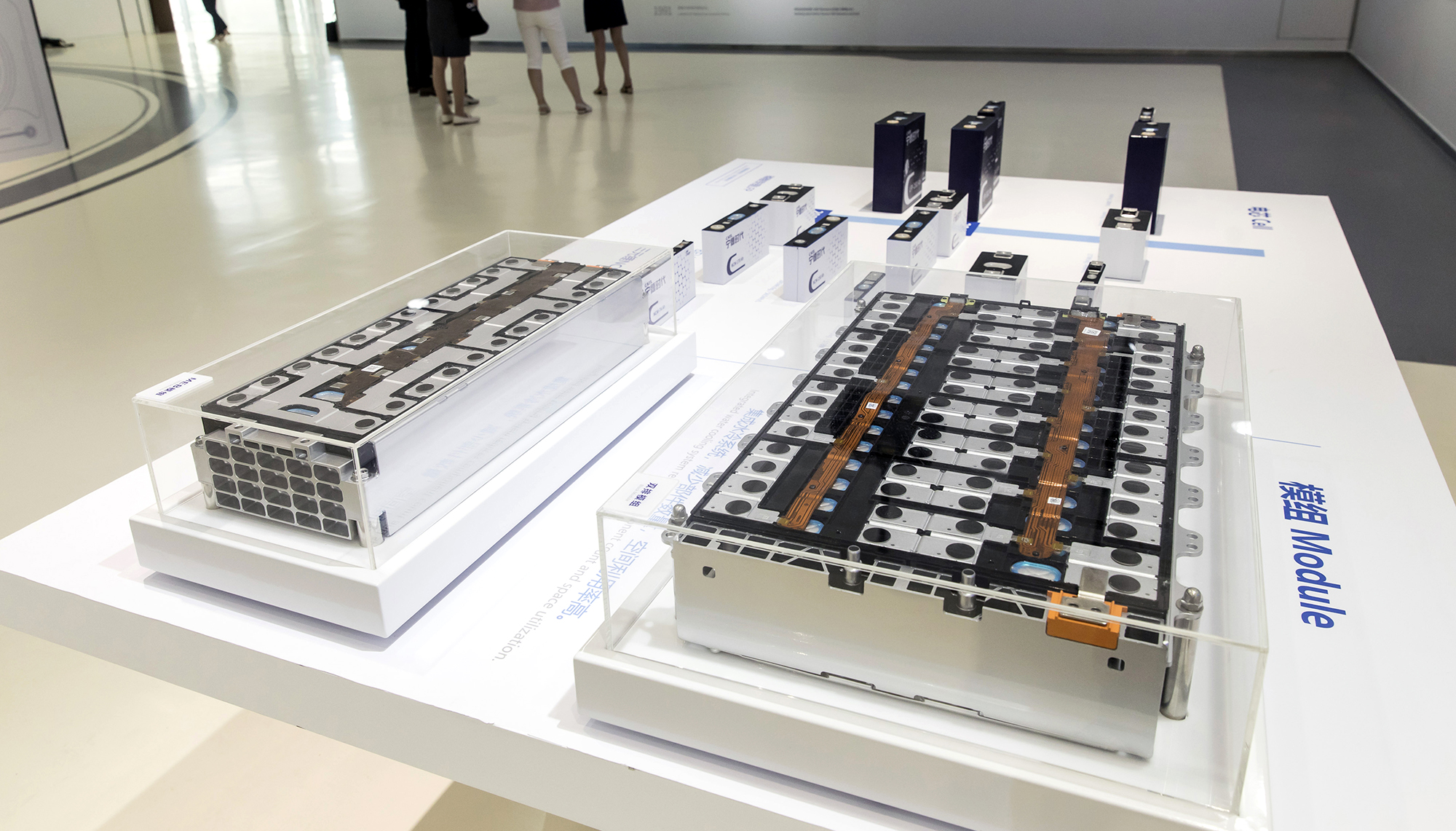
| Contemporary Amperex Technology Co. Ltd. (CATL) | Electric Vehicles & Grid Storage | Prismatic, LFP, NMC cells | Passenger EVs, Commercial Fleets, Utility-scale Energy Storage |
| LG Energy Solution | Electric Vehicles & Consumer Electronics | Pouch, Cylindrical | Global automotive brands, Mobile devices |
| Samsung SDI | Consumer Electronics & Automotive | Cylindrical, Prismatic | Power tools, Smartphones, EV applications |
Frequently Asked Questions About Amperex Technology Limited
What is the relationship between ATL and CATL?
ATL (Amperex Technology Limited) and CATL (Contemporary Amperex Technology Co. Limited) share common historical roots, but they operate as distinct corporate entities today. ATL focuses primarily on consumer electronics, micro-mobility, and small-format power cells under TDK Corporation. CATL emerged as a separate enterprise specializing in large-scale electric vehicle batteries and energy storage systems.
Does ATL sell batteries directly to end consumers?
No. ATL operates strictly as a business-to-business (B2B) component manufacturer. It designs and mass-produces battery cells and packs for original equipment manufacturers (OEMs) who integrate them into finished branded products like smartphones, laptops, and consumer drones.
How does ATL ensure consumer battery safety?
ATL employs rigorous safety engineering, including ceramic-coated separators to prevent internal short circuits, advanced thermal management integration, and multi-stage automated optical and X-ray inspection protocols during high-speed mass production.
What types of battery chemistries does ATL use?
ATL primarily utilizes advanced lithium-ion polymer chemistry, incorporating high-voltage oxide cathodes and silicon-carbon composite anodes to maximize energy density and operational lifespan within compact form factors.
Strategic Outlook and Future Directions
Amperex Technology Limited continues to anchor its market dominance in consumer electronics while selectively scaling into high-growth peripheral markets such as micro-mobility and specialized UAV power. By continuously refining silicon-anode integration, advancing solid-state research pathways for future commercialization, and tightening supply chain sustainability protocols, ATL maintains its position at the vanguard of portable electrochemical energy storage. As consumer devices grow thinner, smarter, and more demanding, ATL's engineering and manufacturing prowess ensures it remains a vital engine behind the modern mobile world.