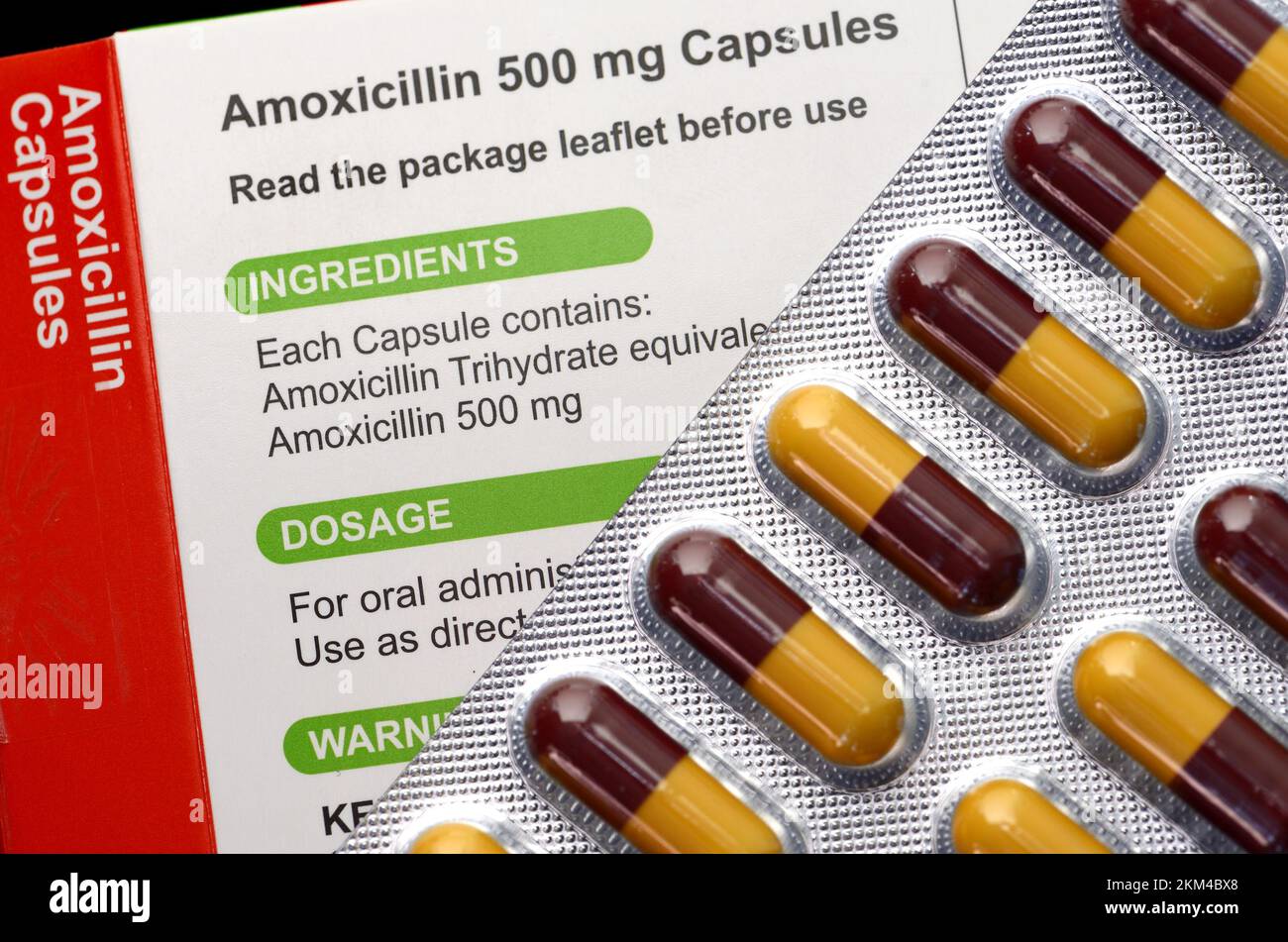
Amoxicillin 500mg capsules are prescribed to treat a wide variety of bacterial infections, including those affecting the ears, nose, throat, urinary tract, and lower respiratory system. As a broad-spectrum penicillin-class antibiotic, it works by inhibiting bacterial cell wall synthesis, effectively halting the growth and multiplication of susceptible microorganisms.
Introduction to Amoxicillin 500mg Capsules
Antibiotics are among the most frequently prescribed medications in modern clinical practice, and among them, amoxicillin stands out as a foundational therapeutic agent. To fully understand what amoxicillin 500mg capsules are used for, it is essential to examine how this medication functions within the human body, its specific clinical indications, and the parameters required for safe, effective administration.
Amoxicillin belongs to the aminopenicillin family of beta-lactam antibiotics. It is a semi-synthetic derivative of penicillin designed to combat a broad spectrum of gram-positive and select gram-negative bacteria. The 500mg capsule dosage strength represents a standard adult therapeutic unit, balancing efficacy against bacterial pathogens with a manageable side effect profile. However, like all antimicrobial therapies, amoxicillin is strictly indicated for bacterial infections. It is fundamentally ineffective against viral illnesses such as the common cold, influenza, or acute bronchitis caused by viral agents. Misuse or inappropriate consumption of antibiotics for viral conditions contributes significantly to the global public health challenge of antimicrobial resistance.
Navigating a prescription for amoxicillin requires an understanding of medical oversight, correct dosing schedules, potential adverse events, and completion of the full prescribed course. Patients and caregivers must view this medication as a targeted tool rather than a cure-all remedy. The following sections explore the clinical landscape of amoxicillin 500mg capsules, detailing their primary uses, physiological mechanisms, proper administration guidelines, and essential precautions for safe utilization.
What is Amoxicillin and How Does It Work?
Amoxicillin is a beta-lactam antibiotic, meaning its chemical structure features a characteristic beta-lactam ring that is vital to its antibacterial activity. Understanding the pharmacological profile of amoxicillin helps clarify why it is effective against certain infections and inert against others.
The Mechanism of Bacterial Cell Wall Inhibition
Bacteria rely heavily on a rigid outer structure known as the cell wall to maintain structural integrity and protect themselves from internal osmotic pressure. This cell wall is composed of a complex polymer network called peptidoglycan. During bacterial replication, enzymes known as penicillin-binding proteins (PBPs) cross-link the peptidoglycan chains to solidify the wall.
Amoxicillin functions as a bactericidal agent by binding to these essential penicillin-binding proteins located inside the bacterial cell wall. By blocking the PBPs, amoxicillin disrupts the final stages of peptidoglycan synthesis. Without a stable cell wall, susceptible bacteria become structurally vulnerable, absorb excess water through osmotic pressure, and ultimately undergo lysis, or cell rupture and death.
The Spectrum of Activity: Gram-Positive vs. Gram-Negative
While older penicillins like benzylpenicillin were largely limited to gram-positive bacteria, amoxicillin possesses an expanded chemical modification (an added amino group) that enhances its ability to penetrate the outer membrane of certain gram-negative microorganisms.
- Gram-Positive Coverage: Amoxicillin demonstrates robust activity against many streptococci (such as Streptococcus pneumoniae and Streptococcus pyogenes) and certain staphylococci (though many strains of Staphylococcus aureus produce beta-lactamase enzymes that destroy amoxicillin, rendering it ineffective unless combined with a beta-lactamase inhibitor like clavulanic acid).
- Gram-Negative Coverage: It effectively targets specific gram-negative bacilli, including select strains of Escherichia coli, Haemophilus influenzae, Proteus mirabilis, and Neisseria gonorrhoeae.
Despite this broad spectrum, bacterial resistance mechanisms—such as the production of destructive beta-lactamase enzymes—have evolved. Consequently, physicians carefully evaluate the suspected pathogen before selecting amoxicillin as a therapeutic intervention.
Primary Clinical Indications: What Amoxicillin 500mg Capsules Treat
Healthcare providers prescribe amoxicillin 500mg capsules across various medical specialties to manage mild to moderate bacterial infections. Because the 500mg strength provides a reliable systemic concentration of the drug, it is frequently utilized for outpatient management of common community-acquired infections.
Respiratory Tract Infections
Infections of the upper and lower respiratory tracts represent some of the most common applications for amoxicillin.
- Acute Otitis Media: Middle ear infections, particularly common in pediatric populations but also affecting adults, are frequently treated with amoxicillin when bacterial etiology is suspected.
- Sinusitis: Acute bacterial rhinosinusitis characterized by persistent purulent nasal discharge, facial pain, and maxillary toothache often responds well to amoxicillin therapy.
- Pharyngitis and Tonsillitis: Infections caused by Streptococcus pyogenes (group A beta-hemolytic streptococcus), commonly known as strep throat, are traditionally managed with penicillin-class antibiotics, including amoxicillin.
- Community-Acquired Pneumonia: In mild cases of pneumonia where atypical pathogens are not suspected, amoxicillin may be utilized to target susceptible strains of Streptococcus pneumoniae.
Urinary Tract Infections (UTIs)
Uncomplicated urinary tract infections caused by susceptible gram-negative organisms such as E. coli or Proteus mirabilis may be treated with amoxicillin, though local resistance patterns heavily influence whether healthcare providers select it over other first-line agents like nitrofurantoin or trimethoprim-sulfamethoxazole.
Skin and Soft Tissue Infections
While superficial skin infections are frequently caused by Staphylococcus aureus (which often produces penicillinase), amoxicillin remains useful when streptococcal organisms are identified as the primary causative agents of cellulitis or impetigo.
Dental Infections and Prophylaxis
Dental abscesses, pulpitis, and other odontogenic infections routinely involve anaerobic and aerobic oral bacteria susceptible to amoxicillin. Furthermore, historically, amoxicillin was widely utilized for infective endocarditis prophylaxis prior to certain dental procedures in high-risk patients, though current guidelines have narrowed these recommendations to specific high-risk cardiac profiles.
Summary of Common Infections Treated with Amoxicillin
The following table outlines the primary clinical indications, typical target pathogens, and standard therapeutic considerations associated with amoxicillin 500mg capsules.
| Indication Category | Primary Suspected Pathogens | Clinical Presentation / Notes | Typical Adult Dosing Context |
|---|---|---|---|
| Acute Otitis Media | Streptococcus pneumoniae, Haemophilus influenzae | Ear pain, fever, bulging tympanic membrane | 500mg every 8 hours or 875mg every 12 hours |
| Bacterial Sinusitis | Streptococcus pneumoniae, Moraxella catarrhalis | Facial pressure, nasal congestion, purulent discharge | 500mg every 8 hours for 7–10 days |
| Streptococcal Pharyngitis | Streptococcus pyogenes | Sore throat, fever, tonsillar exudates | 500mg every 12 hours or 250mg every 8 hours |
| Lower Urinary Tract Infections | Escherichia coli, Proteus mirabilis | Dysuria, urinary frequency, suprapubic discomfort | 500mg every 8 hours based on culture results |
| Dental Abscess / Infections | Mixed oral flora, streptococci | Localized jaw pain, swelling, tooth sensitivity | 500mg every 8 hours as part of dental management |
Dosage, Administration, and Course Completion
The effectiveness of amoxicillin 500mg capsules depends heavily on strict adherence to the prescribed dosing regimen. Patients must understand how to take the medication, why completing the full course is non-negotiable, and what steps to take in the event of a missed dose.
Standard Administration Guidelines
Amoxicillin capsules can be administered with or without food. Some individuals experience mild gastrointestinal upset or nausea when taking antibiotics on an empty stomach; in such cases, taking the capsule with a meal or a glass of milk can improve gastrointestinal tolerance without impairing the drug's absorption into the bloodstream.
The capsules should be swallowed whole with a full glass of water. Patients should not crush, chew, or open the capsules unless explicitly directed by a prescribing physician or pharmacist.
The Importance of Completing the Full Course
One of the most critical rules of antibiotic therapy is finishing the entire prescription, even if symptoms resolve within the first 48 to 72 hours. When an individual stops taking amoxicillin prematurely:
- Surviving Pathogens: The most vulnerable bacteria are eliminated first, leaving behind hardier, partially resistant bacterial populations.
- Infection Relapse: The remaining bacteria can multiply rapidly, causing the original infection to return, often with increased severity.
- Resistance Development: Premature cessation creates a selective evolutionary pressure that fosters resistant strains, making future infections harder to treat with standard antibiotics.
Managing Missed Doses
If a patient misses a scheduled dose of amoxicillin 500mg, they should take the missed dose as soon as they remember. However, if it is almost time for the next scheduled dose, the missed dose should be skipped entirely, and the regular dosing schedule resumed. Doubling up on doses to make up for a missed one is dangerous and can lead to excessive drug accumulation and increased side effects.
Safety Profile: Side Effects, Precautions, and Contraindications
While amoxicillin is generally well-tolerated by the vast majority of patients, it carries potential side effects, drug interactions, and strict contraindications that must be evaluated by a qualified healthcare professional.
Common and Mild Side Effects
Most side effects associated with amoxicillin are mild and self-limiting. They typically resolve on their own once the medication course is finished. Common reactions include:
- Gastrointestinal Disturbances: Mild diarrhea, nausea, vomiting, and abdominal discomfort.
- Oral Candidiasis: Alteration of the normal microbial flora can lead to fungal overgrowth, resulting in oral thrush or vaginal yeast infections.
- Skin Rash: A mild, non-allergic maculopapular rash can occasionally appear, though distinguishing this from a true IgE-mediated allergic reaction requires medical evaluation.
Serious Risks and Allergic Reactions
Hypersensitivity reactions represent the most significant risk associated with penicillin-class antibiotics.
- Anaphylaxis: Patients with a known allergy to penicillins or cephalosporins can experience severe, life-threatening anaphylactic reactions characterized by airway constriction, swelling of the tongue or throat, severe hypotension, and widespread urticaria. Any signs of an allergic reaction necessitate immediate emergency medical intervention.
- Clostridium difficile-Associated Diarrhea: Alteration of the normal bowel flora by broad-spectrum antibiotics can permit the overgrowth of Clostridium difficile, leading to severe watery diarrhea, abdominal cramping, and colitis, which can manifest during therapy or weeks after discontinuation.
Special Populations and Medical Conditions
- Renal Impairment: Amoxicillin is primarily excreted by the kidneys. Patients with chronic kidney disease or reduced creatinine clearance require dosage adjustments to prevent drug accumulation and toxicity.
- Pregnancy and Lactation: Amoxicillin is generally classified as Pregnancy Category B, meaning animal reproduction studies have failed to demonstrate a risk to the fetus, and it is widely considered compatible with breastfeeding under medical supervision. However, all medication use during pregnancy should be discussed with an obstetrical provider.
Disclaimer: This article is for informational purposes only and does not constitute medical advice. Always consult a qualified healthcare provider or physician for diagnosis, prescription, and treatment regarding any medical condition or antibiotic usage.
Frequently Asked Questions
Can amoxicillin 500mg capsules cure a viral cold or the flu?
No. Amoxicillin is an antibacterial medication designed exclusively to combat bacterial infections. Viruses, such as rhinoviruses that cause the common cold or influenza viruses that cause the flu, lack cell walls and biological machinery targeted by penicillins. Taking amoxicillin for a viral infection provides no therapeutic benefit and contributes to antibiotic resistance.
What should I do if I experience diarrhea while taking amoxicillin?
Mild diarrhea is a common side effect of many antibiotics as they disrupt normal gut flora. However, if the diarrhea is severe, watery, bloody, or accompanied by abdominal cramps and fever, you should contact your doctor immediately. This could indicate Clostridium difficile colitis, a serious condition requiring immediate medical evaluation and discontinuation of the offending antibiotic.
Is it safe to consume alcohol while taking amoxicillin 500mg capsules?
Moderate alcohol consumption does not directly interfere with the chemical efficacy of amoxicillin. However, alcohol can exacerbate common side effects such as dizziness, nausea, and gastrointestinal upset, and it places additional stress on the liver and immune system while the body is fighting an active infection. It is generally advisable to abstain from alcohol until the infection has cleared and the medication course is complete.
Why did my doctor prescribe amoxicillin instead of a stronger antibiotic?
Healthcare providers adhere to the principle of targeted therapy, aiming to use the narrowest-spectrum antibiotic effective against the suspected or confirmed pathogen. Prescribing overly broad or powerful antibiotics when a standard agent like amoxicillin will suffice increases the risk of adverse side effects and accelerates the development of widespread superbugs and resistant bacterial strains.
Can I save leftover amoxicillin capsules for the next time I get sick?
Never save leftover antibiotics for future illnesses. Saving unfinished medication encourages improper self-diagnosis and self-medication, which is dangerous because bacterial infections require professional identification and specific dosing regimens. Furthermore, medications degrade over time and may lose potency or become chemically altered, making them unsafe to consume.
Conclusion and Next Actions
Amoxicillin 500mg capsules remain a cornerstone of modern anti-infective therapy, offering reliable, targeted bactericidal action against a wide range of bacterial pathogens when prescribed correctly. Recognizing what amoxicillin is used for—primarily bacterial infections of the respiratory tract, ears, sinuses, and urinary system—empowers patients to engage in informed conversations with their healthcare providers.
If you suspect you have a bacterial infection requiring medical intervention, schedule an appointment with a licensed physician or visit an urgent care clinic for an accurate diagnosis. Never attempt to self-prescribe or share antibiotic medications. If you currently hold an active prescription for amoxicillin, adhere strictly to the dosing schedule, take the medication with or without food as tolerated, and complete the entire prescribed course to ensure full recovery and protect public health.