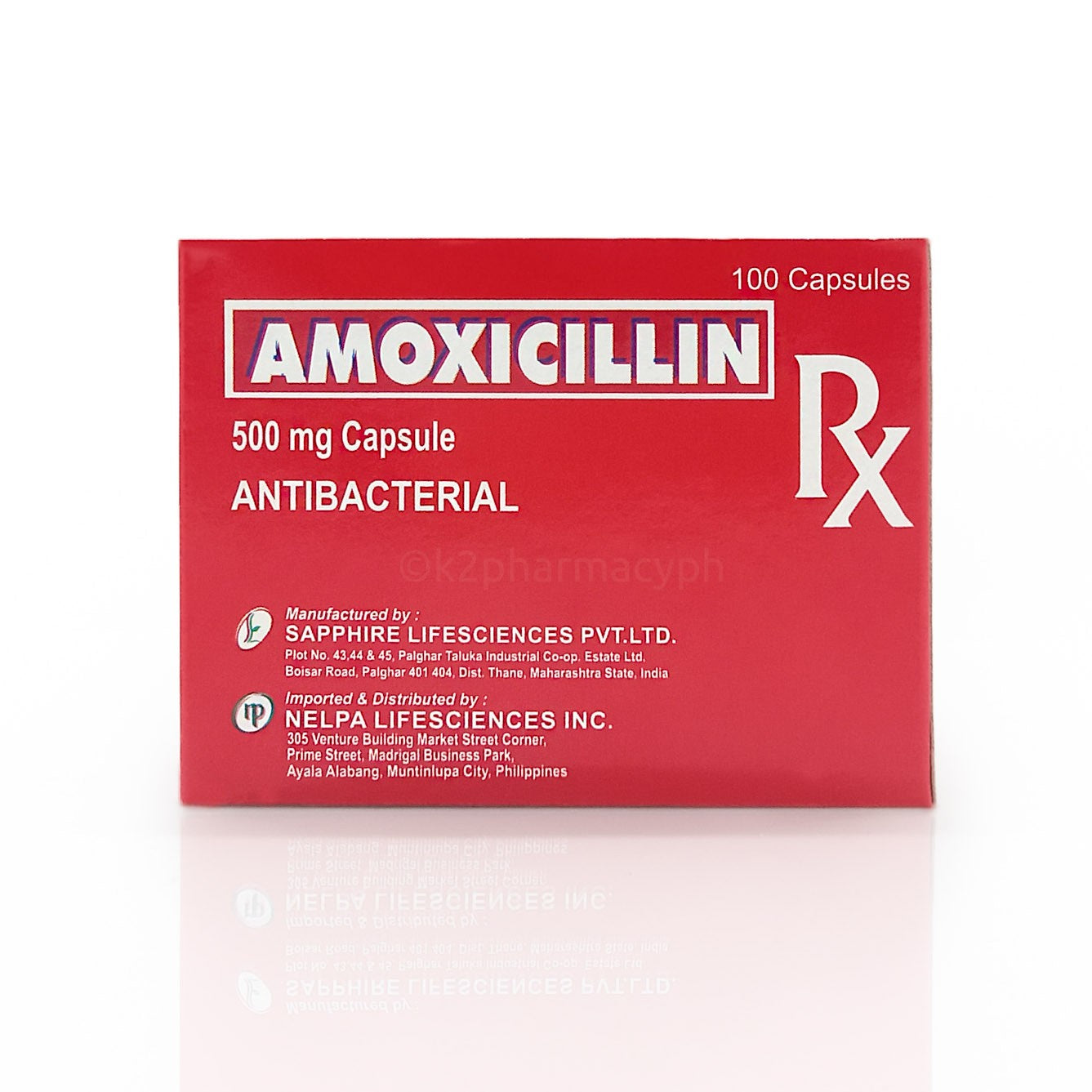
Amoxicillin 500 mg capsules are a widely prescribed aminopenicillin antibiotic used to treat various bacterial infections, but they can cause side effects ranging from mild gastrointestinal upset to serious allergic reactions. Common adverse effects include nausea, diarrhea, and skin rashes, while rare complications require immediate medical attention.
Disclaimer: The following information is for educational purposes only and should not replace professional medical advice, diagnosis, or treatment. Always consult a qualified healthcare provider regarding any questions about a medical condition or prescription medication.
Introduction to Amoxicillin 500 mg Therapy
Amoxicillin is a semi-synthetic antibiotic belonging to the penicillin group of beta-lactam antibiotics. It functions by inhibiting bacterial cell wall synthesis, leading to the lysis and death of susceptible microorganisms. Physicians frequently prescribe the 500 mg capsule strength for respiratory tract infections, ear infections, sinusitis, urinary tract infections, and dental abscesses.
While the medication is generally well-tolerated by most patients, understanding its safety profile, common adverse reactions, and potential risks is essential for safe usage. Every pharmaceutical compound interacts with human physiology differently, and recognizing the spectrum of potential reactions helps patients differentiate between normal physiological adjustments and signs of a medical emergency.
Classification of Side Effects
Adverse reactions associated with amoxicillin 500 mg capsules are typically categorized by their frequency, severity, and physiological system affected. Most occurrences are mild, transient, and resolve on their own once the medication course is completed or discontinued under medical guidance. However, severe systemic responses demand rapid clinical intervention.
Understanding how these reactions manifest allows individuals to monitor their health closely while undergoing antibiotic therapy. Healthcare providers evaluate these risks against the therapeutic benefits of eradicating a bacterial pathogen before issuing a prescription.
Common and Mild Adverse Reactions
The majority of patients taking amoxicillin 500 mg experience mild side effects that do not necessitate stopping the medication. These symptoms often stem from the antibiotic altering the natural balance of microflora in the gastrointestinal tract or mild hypersensitivity.
- Gastrointestinal Disturbances: Nausea, vomiting, and mild abdominal discomfort are frequently reported. Taking the capsule with food or a meal can often mitigate these symptoms.
- Diarrhea and Loose Stools: Changes in bowel habits occur because broad-spectrum antibiotics affect beneficial gut bacteria alongside harmful pathogens.
- Oral and Vaginal Candidiasis: Fungal overgrowth, manifested as oral thrush or vaginal yeast infections, can happen when normal bacterial populations are suppressed.
- Mild Skin Rashes: Non-allergic, maculopapular rashes can occasionally develop, though these differ significantly from true immunologic hives.
Rare and Severe Complications
Although uncommon, serious adverse events can occur during amoxicillin treatment. These complications require immediate cessation of the drug and urgent medical evaluation.
- Clostridioides difficile-Associated Diarrhea (CDAD): Severe, persistent, or bloody diarrhea accompanied by abdominal cramps and fever may indicate C. difficile overgrowth, a potentially life-threatening intestinal condition.
- Severe Hypersensitivity and Anaphylaxis: Immediate Type I allergic reactions can manifest as urticaria (hives), angioedema (swelling of the face, lips, or tongue), severe wheezing, and anaphylactic shock.
- Severe Cutaneous Adverse Reactions (SCARs): Rare dermatological conditions such as Stevens-Johnson syndrome (SJS) and toxic epidermal necrolysis (TEN) have been associated with aminopenicillin use.
- Hematological Abnormalities: Prolonged use can occasionally lead to reversible anemia, thrombocytopenia, leukopenia, or a prolongation of bleeding time.
- Hepatotoxicity: Transient increases in serum transaminases and rare cases of cholestatic jaundice or acute hepatitis have been documented.
| Side Effect Category | Specific Symptoms | Typical Onset | Recommended Action |
|---|---|---|---|
| Gastrointestinal | Nausea, mild diarrhea, abdominal discomfort | Hours to days after first dose | Take with food; stay hydrated; consult doctor if persistent |
| Allergic (Mild) | Itching, localized rash, minor hives | Days into therapy | Contact prescribing physician before taking the next dose |
| Allergic (Severe) | Difficulty breathing, facial swelling, widespread blistering | Immediate to 48 hours | Seek emergency medical services (911) immediately |
| C. difficile Infection | Watery stools, severe abdominal pain, fever | During therapy or weeks after | Discontinue drug and seek urgent medical evaluation |
The Amoxicillin Rash vs. True Allergic Reactions
One of the most frequent points of confusion for patients taking amoxicillin 500 mg capsules is the appearance of a skin rash. It is vital to differentiate between a non-allergic amoxicillin rash and a true immunoglobulin E (IgE)-mediated allergic reaction.
A non-allergic amoxicillin rash typically presents as a dull, red, maculopapular eruption that often starts on the trunk and spreads outward. It is non-itchy or only mildly pruritic and frequently appears several days into the treatment course, especially in children or individuals with concurrent viral infections like Epstein-Barr virus (mononucleosis). This type of rash is generally not a true allergy and does not preclude future penicillin use, though it must be evaluated by a medical professional.
Conversely, a true allergic reaction develops rapidly—often within minutes to hours of ingestion—and features intense itching, raised hives (urticaria), wheezing, hypotension, and swelling of the airways. True allergies represent an immune system hypersensitivity and mean the patient must avoid amoxicillin and related penicillin antibiotics permanently.
Factors Influencing Side Effect Susceptibility
Not every patient experiences amoxicillin side effects to the same degree. Several biological and clinical factors influence an individual's vulnerability to adverse events.
Renal Function and Drug Clearance
Amoxicillin is primarily eliminated from the body through the kidneys via glomerular filtration and tubular secretion. Patients with impaired renal function cannot clear the drug efficiently, leading to drug accumulation in the bloodstream. This accumulation increases the likelihood of toxicity and adverse reactions unless the dosage or dosing interval is appropriately adjusted by a healthcare provider.
Concurrent Medications and Drug Interactions
Certain medications can interact with amoxicillin, altering its efficacy or heightening side effect risks:
- Allopurinol: Co-administration significantly increases the incidence of skin rashes compared to patients taking amoxicillin alone.
- Oral Contraceptives: Like many broad-spectrum antibiotics, amoxicillin may temporarily reduce the efficacy of estrogen-containing birth control pills, prompting the need for alternative contraceptive measures.
- Anticoagulants (e.g., Warfarin): Rare reports indicate that amoxicillin may prolong international normalized ratio (INR) levels, increasing the risk of bleeding in patients on blood thinners.
- Probenecid: This medication decreases the renal tubular secretion of amoxicillin, resulting in higher and more prolonged blood concentrations of the antibiotic.
Managing Common Mild Side Effects at Home
When mild adverse reactions occur during a prescribed course of amoxicillin 500 mg capsules, certain supportive measures can help manage discomfort without compromising the treatment plan.
- Ingest with Food: Taking the capsule alongside a meal or a snack reduces gastric irritation and minimizes nausea, unless otherwise directed by a pharmacist.
- Maintain Proper Hydration: Drinking ample water replaces fluids lost due to mild gastrointestinal symptoms and supports overall metabolic function.
- Incorporate Probiotics: Consuming yogurt with live cultures or taking probiotic supplements separated by at least two hours from the antibiotic dose can help maintain intestinal flora balance, though patients should consult their doctor first.
- Avoid Self-Treating Severe Diarrhea: Never take anti-diarrheal medications like loperamide for severe antibiotic-associated diarrhea without consulting a physician, as this can trap toxins in the gastrointestinal tract.
Frequently Asked Questions
Can amoxicillin 500 mg capsules cause yeast infections?
Yes. Broad-spectrum antibiotics kill beneficial bacteria in the body that normally keep fungal populations in check. This disruption can lead to an overgrowth of Candida, resulting in oral thrush or vaginal yeast infections. Over-the-counter or prescription antifungal treatments can address these secondary infections while completing the antibiotic regimen.
What should I do if I miss a dose of amoxicillin?
Take the missed dose as soon as you remember. However, if it is almost time for your next scheduled dose, skip the missed dose and resume your normal dosing schedule. Do not double up on capsules to make up for a missed dose, as this increases the risk of side effects.
Is it safe to consume alcohol while taking amoxicillin 500 mg?
Moderate alcohol consumption does not directly alter the pharmacological efficacy of amoxicillin. However, alcohol can exacerbate common side effects such as nausea, dizziness, and gastrointestinal upset, and it can place additional stress on the liver and immune system while the body fights an infection.
Why do I need to finish the full course if my side effects are uncomfortable?
Stopping an antibiotic prematurely can allow surviving bacteria to multiply and develop resistance to the medication, causing the infection to return stronger. If side effects become intolerable, consult the prescribing physician to discuss alternative treatments rather than stopping the medication independently.
Conclusion and Next Actions
Amoxicillin 500 mg capsules remain a cornerstone of modern antibacterial therapy, offering reliable treatment for a wide array of bacterial infections when used correctly. While mild side effects like nausea and loose stools are common and manageable, vigilance is required to identify signs of severe allergic reactions or secondary complications such as C. difficile colitis. Patients experiencing unusual or severe symptoms should immediately contact their prescribing physician or seek emergency medical care. To ensure safe and effective treatment, always complete the prescribed course, adhere strictly to dosing instructions, and consult a healthcare professional or pharmacist regarding any concerns or drug interactions.