Amfori BSCI (Business Social Compliance Initiative) social audits serve as a standardized framework for companies to monitor and improve social performance within their global supply chains. By evaluating facilities against the Amfori Code of Conduct, these audits ensure that suppliers uphold human rights, fair labor practices, and occupational health and safety, providing a verifiable metric for international trade compliance.
The Evolution of Amfori BSCI Audits
The Amfori BSCI system was designed to provide a uniform auditing methodology, reducing the "audit fatigue" caused by multiple, overlapping supplier assessments. In 2026, the process remains anchored in the Amfori Code of Conduct, which aligns with international conventions such as those established by the International Labour Organization (ILO), the UN Guiding Principles on Business and Human Rights, and the OECD Guidelines for Multinational Enterprises.
The audit process is not merely a "pass or fail" checklist; it is a developmental tool. Organizations utilizing the Amfori platform are encouraged to view the audit as a diagnostic stage in a broader cycle of continuous improvement. This cycle includes self-assessment, third-party auditing, and remediation planning to address non-compliance issues.
Key Components of the Audit Scope
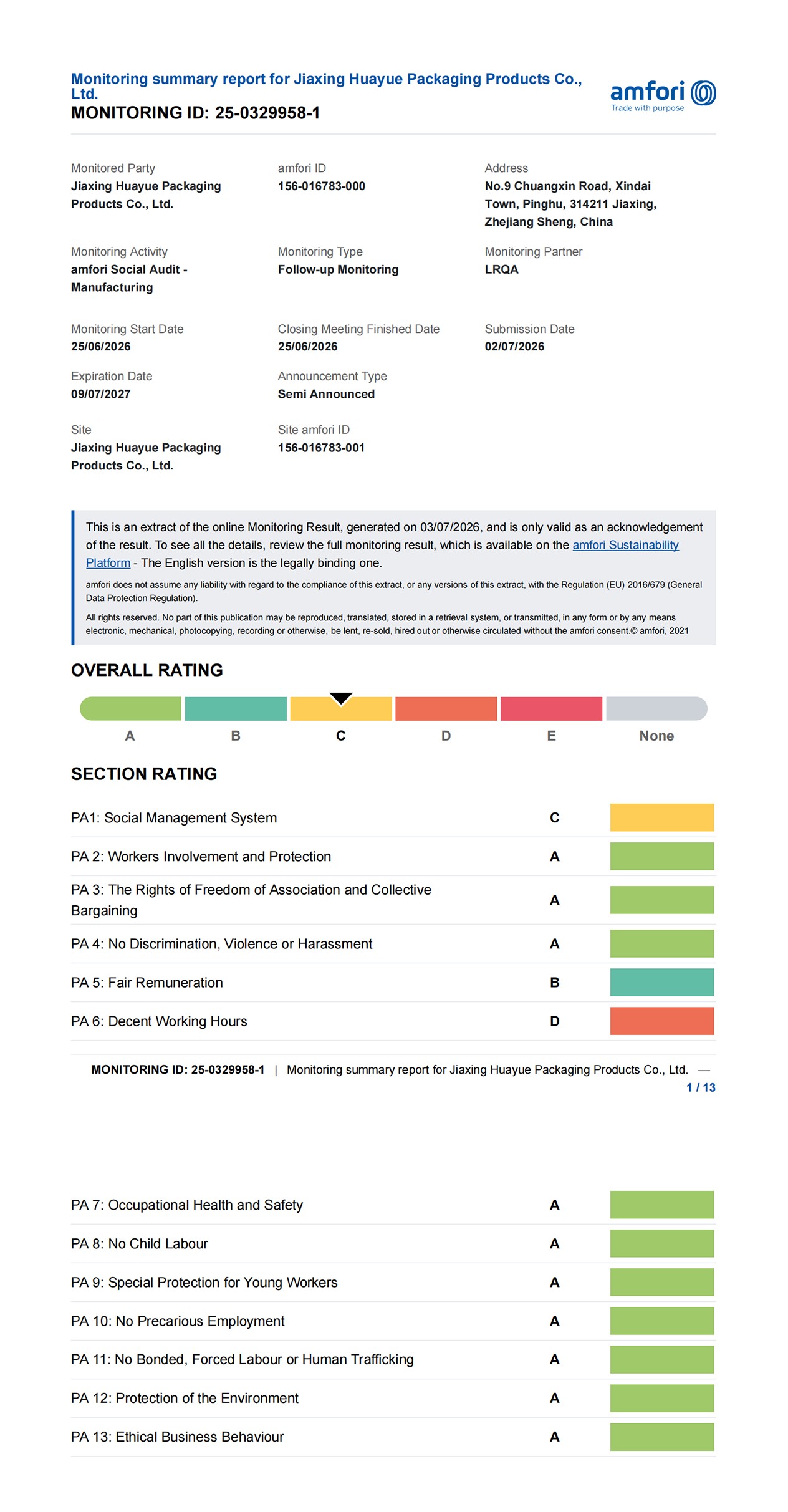
An Amfori BSCI social audit evaluates a facility’s operations against 13 core performance areas. These areas are comprehensive, ensuring that every facet of the worker’s life and the facility's management practices is scrutinized.
- Social Management System and Cascade Effect: Ensuring the supplier has the internal structure to manage social requirements and implement them down to their own sub-suppliers.
- Workers Involvement and Protection: Confirming that workers are informed of their rights and have effective grievance mechanisms.
- The Rights of Freedom of Association and Collective Bargaining: Ensuring that workers are free to form or join trade unions.
- No Discrimination: Verification that recruitment, promotion, and termination are based on merit and performance, not personal characteristics.
- Fair Remuneration: Confirming that wages meet the minimum legal standards and industry benchmarks, and are paid in full.
- Decent Working Hours: Monitoring compliance with local laws regarding overtime and rest days.
- Occupational Health and Safety (OHS): Identifying physical risks, fire safety compliance, and the availability of personal protective equipment (PPE).
- No Child Labour: Verifying age documentation for all employees.
- No Bonded Labour: Ensuring no evidence of human trafficking or forced labor.
- Special Protection for Young Workers: Ensuring minors are not placed in hazardous work environments.
- No Precarious Employment: Preventing the abuse of short-term or informal labor contracts.
- Bonded Labour: Ensuring no deposits or identity document withholding occurs.
- Ethical Business Behaviour: Maintaining anti-corruption and anti-bribery policies.
Prerequisites for Companies and Suppliers
Before undergoing an audit, both the member company and the facility must ensure they are properly registered on the Amfori Sustainability Platform. This platform serves as the central repository for all audit reports, corrective action plans (CAPs), and correspondence.
- Registration: The supplier must be invited to the platform by an Amfori member.
- Self-Assessment: Before the first audit, the supplier should complete the Self-Assessment Questionnaire (SAQ). This provides the auditor with necessary context about the facility size, worker demographics, and local legal requirements.
- Documentation Readiness: Auditors will require access to payroll records, time logs, employment contracts, safety inspection certificates, and structural building assessments. If these documents are not readily available or are inconsistent, the audit process will be delayed, potentially leading to a lower performance rating.
Understanding the Audit Process Flow
The audit is performed by an independent, third-party auditing firm accredited by Amfori. The process generally follows a standardized sequence:
- Opening Meeting: The auditor explains the scope, the code of conduct, and the methodology to facility management.
- Document Review: Verification of administrative records, policies, and procedures against the performance areas mentioned above.
- Facility Inspection: A walk-through of the production area, warehouses, dormitories (if applicable), and canteen facilities to check for safety and hygiene.
- Worker Interviews: Conducted in private, away from management, to ensure workers feel comfortable discussing their working conditions.
- Closing Meeting: The auditor shares preliminary findings, allowing the management to clarify any discrepancies before the final report is generated.
Interpreting Audit Ratings
Amfori BSCI ratings reflect the maturity of a supplier's social management system. As of 2026, the grading system remains consistent, moving from A (Outstanding) to E (Unacceptable).
| Grade | Meaning | Implication |
|---|---|---|
| A | Outstanding | Full implementation; exemplary performance. |
| B | Good | Most requirements met; minor areas for improvement. |
| C | Acceptable | Some issues found; corrective action required. |
| D | Insufficient | Significant gaps; major corrective action plan needed. |
| E | Unacceptable | Critical non-compliance; immediate risk to workers. |
Suppliers falling into the D or E categories are often placed on a "zero tolerance" watch list, requiring immediate rectification of critical issues such as child labor, forced labor, or life-threatening safety hazards. Failure to resolve these items within the prescribed timeframe can lead to suspension from the Amfori supply chain.
Common Challenges and Troubleshooting
Even for experienced suppliers, achieving a high rating can be difficult. The most frequent issues encountered during audits relate to "hidden" overtime and improper maintenance of OHS systems.
Managing Overtime: Many facilities struggle to keep working hours within legal limits during peak seasons. To mitigate this, management should implement robust time-tracking software that alerts supervisors when a worker approaches the legal threshold for overtime hours.
Ensuring OHS Compliance: Inspectors often find blocked fire exits, missing fire extinguisher maintenance logs, or non-functional emergency lighting. These are categorized as high-risk findings. A proactive maintenance schedule, documented with dated photographs and service logs, is essential to demonstrating compliance.
Communication Gaps: A common, yet avoidable, mistake is failing to train workers on the Amfori Code of Conduct. Auditors frequently ask workers during private interviews if they understand their rights. If workers are unaware of the whistleblowing channels or their right to join a union, the facility will receive a negative mark, regardless of how well their documentation looks on paper.
Frequency and Cost Considerations
The frequency of audits is typically determined by the supplier’s previous audit grade and the member’s risk assessment. A facility with an "A" rating may be audited less frequently than a "D" or "E" rated facility.
Costs include both the auditing firm’s professional fees and the administrative fees associated with using the Amfori platform. It is vital to contract with an accredited audit company that has specific expertise in your industry—such as electronics, textiles, or food processing—as the risks and legal requirements vary significantly by sector.
Frequently Asked Questions
How long is an Amfori BSCI audit report valid? An audit report is typically valid for two years, but members often mandate annual audits for high-risk regions or suppliers with lower grades. Always check the specific requirements of the brands you supply.
Can a supplier dispute an audit finding? Yes. If a supplier believes an auditor made a factual error, they can submit an appeal through the Amfori platform. This process requires objective evidence to refute the auditor's claim, such as updated legal documents or photographic proof.
Does an Amfori audit cover environmental compliance? While the primary focus is social, environmental criteria are integrated into the OHS and management performance areas. If a facility has hazardous waste management issues that directly impact worker health, these will be noted in the report.
Is it possible to receive an unannounced audit? Yes. To ensure the integrity of the data, a significant portion of Amfori BSCI audits are conducted on a semi-announced or fully unannounced basis. Facilities must maintain their documentation in a "ready-at-all-times" state to ensure compliance.
Who owns the audit data? The data on the Amfori Sustainability Platform is owned by the Amfori member who commissioned the audit. Suppliers have access to their own reports and the ability to share them with other members if authorized.
Next Steps for Compliance
To maintain or achieve a high rating in 2026, prioritize the digitization of your HR and safety records. Manual paper-based logs are the most common source of audit failures due to clerical errors or missing signatures. Invest in a central management system that captures real-time data on worker hours and incident reporting. Finally, ensure that your facility management team is trained on the current year’s guidance documents published by the Amfori secretariat, as minor nuances in regional interpretations can change based on evolving local labor laws.