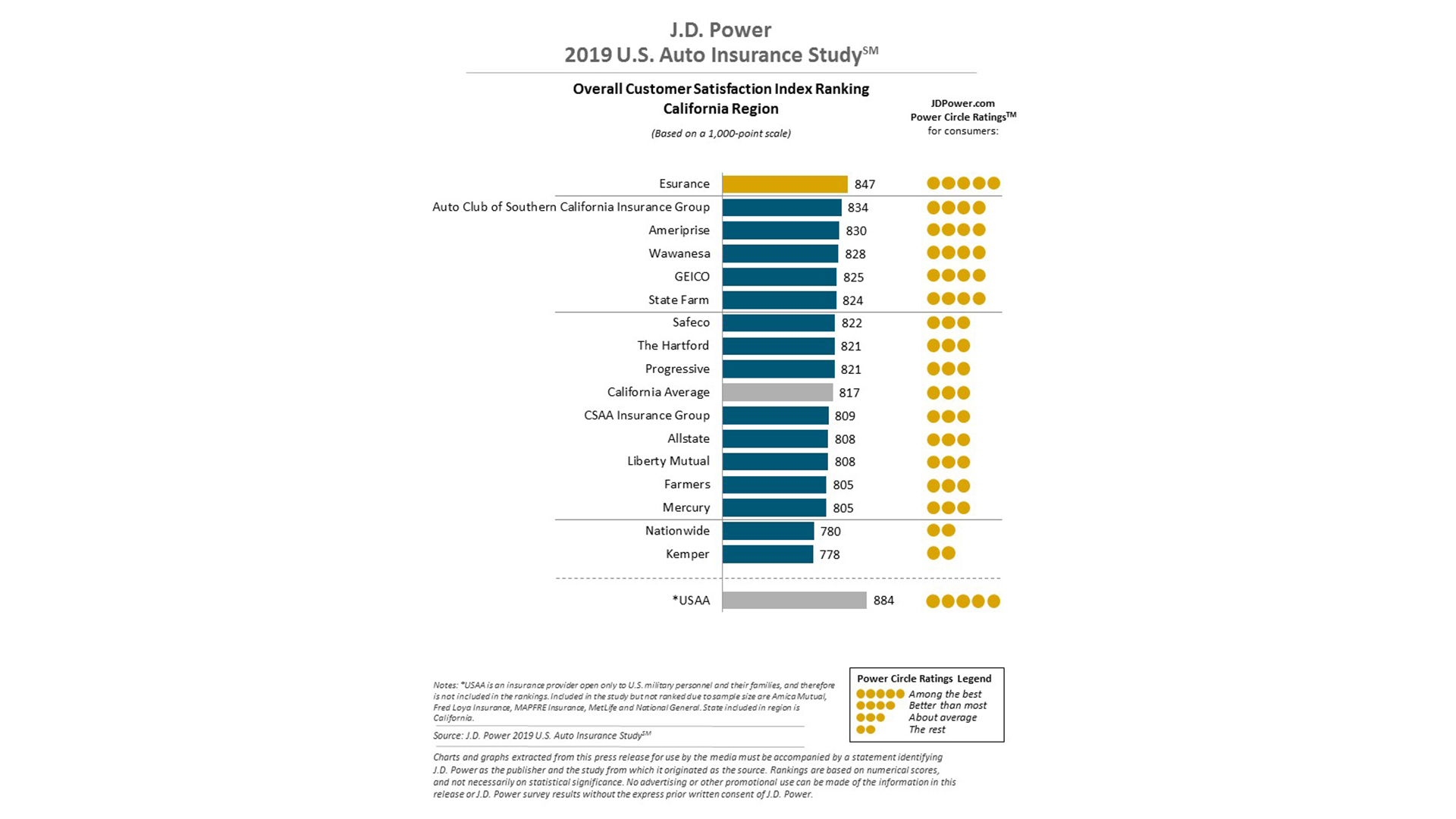
When considering Amica Mutual Insurance for your auto coverage needs, understanding its reputation is essential. Amica consistently maintains high marks for customer satisfaction, specifically regarding claims processing and transparency. By examining consumer feedback and Better Business Bureau (BBB) metrics, potential policyholders can gauge whether the company's service-oriented model aligns with their financial and risk-management requirements.
Understanding the Role of Consumer Reviews and BBB Ratings
For insurance shoppers, the evaluation process often centers on two distinct data points: professional business accreditations and peer-to-peer experiences. The Better Business Bureau acts as a centralized repository for formal complaints and business transparency, while consumer review platforms capture the qualitative nuances of the day-to-day policyholder experience.
Amica Mutual Insurance Company is a mutual insurer, meaning it is owned by its policyholders rather than outside shareholders. This structural difference often influences the tone of consumer reviews, as there is a perceived alignment of interests between the company and the customer. However, it is important to distinguish between "satisfied customer sentiment" and the "regulatory reliability" documented by organizations like the BBB.
The Significance of BBB Ratings and Accreditation
The Better Business Bureau assigns ratings ranging from A+ to F based on a company's interaction with the public. These ratings primarily measure how a company responds to complaints, its transparency regarding business practices, and its adherence to ethical advertising.
Amica has historically maintained high standing with the BBB. A high BBB rating indicates that the insurer is responsive to consumer grievances and makes a proactive effort to resolve disputes. When reviewing these scores, keep in mind:
- Complaint Volume: Low volume relative to the company’s size is a positive indicator of policy stability.
- Resolution Effectiveness: The BBB tracks whether a company provides a satisfactory resolution to the customer’s specific issue.
- Transparency: Amica’s disclosure of its business practices, physical locations, and leadership structure contributes to its stability metrics.
Analyzing Consumer Sentiment in 2026
In 2026, consumer reviews of Amica auto insurance generally highlight three key pillars: claims handling, customer service responsiveness, and policy customization. Unlike large, national insurers that rely heavily on automated systems, Amica’s reputation is built upon human-centric service.
Claims Processing Feedback
Claims represent the "moment of truth" for any insurance policy. Reviews for Amica frequently point to a structured, professional, and empathetic approach during the claims process. Many long-term policyholders express satisfaction with the company’s ability to communicate clearly during the repair or settlement phase. Negative reviews, while present, often focus on specific disagreements regarding valuation or timeframes—common themes across the entire auto insurance industry.
Customer Service Interactions
Policyholders often report that Amica’s service representatives are knowledgeable and professional. Because Amica is a mutual company, the service culture often emphasizes long-term retention over aggressive upselling. Reviewers often appreciate the consistency of their point of contact, particularly during complex coverage adjustments or state-to-state policy transfers.
Pricing and Premium Stability
While reviews acknowledge that Amica may not always offer the absolute lowest initial premium compared to high-volume, tech-focused discount carriers, many customers justify the cost through consistent service and fewer administrative headaches. In 2026, value-conscious consumers are increasingly scrutinizing the "Total Cost of Ownership" for their insurance, factoring in potential out-of-pocket costs and the ease of the claims experience, rather than just the monthly premium.
Comparative Evaluation Table: Industry Perspectives
| Feature | Amica Mutual Insurance | Industry Average |
|---|---|---|
| Primary Business Model | Mutual Insurer (Policyholder Owned) | Stockholder/Publicly Traded |
| BBB Reliability Rating | Typically A+ | Variable (Varies by size/sector) |
| Claims Satisfaction | Consistently High | Variable |
| Focus Area | Customer Service & Stability | Premium Growth & Aggressive Pricing |
| Typical Review Tone | Long-term loyalty, Service-focused | Price-sensitive, Mixed |
Prerequisites for Assessing Your Insurance Options
Before relying on any review or rating, you must define your own personal coverage criteria. An insurance policy that works well for a high-mileage commuter may be suboptimal for a casual driver.
- Verify Your State Regulations: Insurance laws vary by state. Ensure that the reviews you read originate from your specific jurisdiction, as the internal operations of insurance companies can vary by regional office.
- Review Your Coverage Needs: Before comparing Amica to others, identify if you require specialized coverage, such as gap insurance, new car replacement, or high-limit liability.
- Check Licensing and Financial Strength: Beyond reviews, verify an insurer's financial strength rating (such as those provided by AM Best). A company must be financially liquid enough to cover large-scale claims events, which is arguably more critical than customer service feedback.
Common Misconceptions in Online Reviews
Navigating reviews requires a degree of skepticism. It is easy for a single negative experience to be amplified online, while satisfied customers rarely take the time to post positive feedback.
- The "Premium Hike" Misconception: Many negative insurance reviews arise after a rate increase. It is important to remember that insurance premiums are subject to actuarial data, inflation, and local risk assessments. A rate increase is not always indicative of poor company performance or bad service.
- Claims Denial Misconceptions: Denied claims are a frequent source of poor reviews. However, these denials are often based on specific policy language (exclusions) rather than malice. Always verify your specific policy contract terms before assuming the insurer is at fault.
Balancing Digital Tools and Human Expertise
In 2026, Amica continues to blend digital accessibility with traditional support. While you can manage your policy, make payments, and report incidents through their web portal and mobile app, the company maintains a strong commitment to human interaction.
If you find that your digital requirements are minimal and you prefer to handle complex issues via telephone with a licensed agent, Amica’s current operational model likely suits your preferences. Conversely, if you are looking for an "app-first" experience with rapid, automated, machine-learning-driven claims adjustments for every minor interaction, you may find that traditional mutual insurers move at a more deliberate pace.
Frequently Asked Questions
Does Amica have a good BBB rating? Amica generally maintains an A+ rating with the Better Business Bureau. This rating reflects the company's responsiveness to consumer inquiries and complaints, as well as its long-standing business operations.
Are Amica's premiums higher than other auto insurers? Amica’s premiums are determined by individual risk profiles, location, and the specific coverage selected. While they are often viewed as a "premium" service provider due to their high customer satisfaction ratings, they remain competitive when comparing the total value of coverage and service reliability.
How does Amica handle claims compared to its competitors? Most industry feedback and consumer reviews suggest that Amica focuses on providing a personalized, supportive claims process. They are frequently recognized for better-than-average communication during the claims lifecycle compared to large, high-volume insurance carriers.
Can I rely entirely on online reviews to choose my auto insurance? No. Online reviews provide anecdotal evidence of user experiences but should be supplemented with hard data, such as financial stability ratings from AM Best, your specific state’s insurance department filings, and a direct review of the policy contract to ensure it covers your specific vehicle and driving needs.
Why do reviews for the same company vary so much? Insurance experiences are highly subjective and depend on the nature of the interaction. A policyholder who has never filed a claim may have a different perspective than one who recently navigated a total-loss event. Always look for trends in reviews—such as consistent praise for service or consistent complaints about specific billing errors—rather than focusing on single-case narratives.
Next Steps for Evaluating Your Policy
To make an informed decision regarding your auto insurance, follow this path:
- Identify Your Must-Haves: Write down your coverage requirements.
- Get a Tailored Quote: Request a quote from Amica specifically for your vehicle and local area.
- Compare Against Policy Terms: Do not just look at the premium cost; compare the liability limits and deductibles of the Amica quote against your current or alternative policy quotes.
- Assess Personal Comfort: Determine if you prioritize a low monthly premium or a company with a documented track record of high-touch service and stability.
Choosing an auto insurer is a long-term commitment to a partnership. Amica’s business structure and history suggest a focus on stability and service, but your ultimate decision should be based on the specific policy terms presented to you and your own assessment of what you need from an insurer during a potential claim.