Filing an American Express travel insurance claim requires a systematic approach to documentation and adherence to specific policy timelines. To initiate a claim, you must log in to the American Express Benefits Center online or call the number on the back of your card to verify coverage eligibility, gather itemized receipts and proof of loss, and submit your formal claim package for review by the third-party benefits administrator.
Understanding Your American Express Travel Protection
American Express offers various levels of travel protection depending on your specific card product. It is critical to recognize that Amex does not act as the insurance underwriter; instead, they partner with third-party insurance carriers to provide these benefits. When you initiate a claim, you are dealing with a claims administrator who adjudicates your request based on the strict language of the master policy associated with your card.
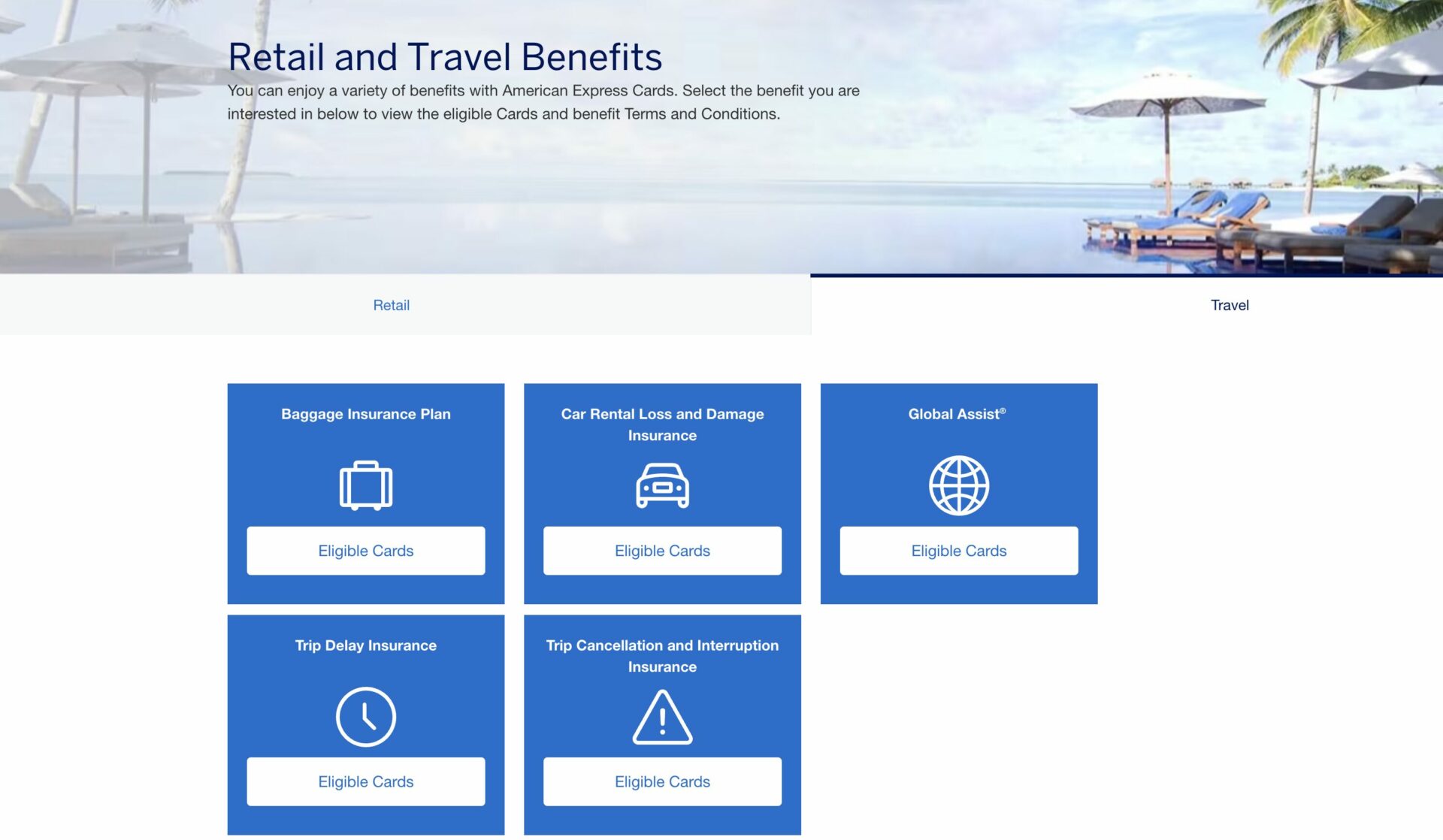
Before you begin the claim process, determine which type of coverage applies to your situation. Common protections include:
- Trip Cancellation and Interruption: Reimburses non-refundable trip costs if a covered event—such as illness, injury, or severe weather—forces a change in plans.
- Trip Delay: Provides reimbursement for reasonable expenses (meals, lodging, toiletries) if your common carrier is delayed beyond a specific threshold (often 6 or 12 hours).
- Baggage Insurance: Covers the loss, theft, or damage of your luggage and personal effects.
- Rental Car Loss and Damage Insurance: Provides secondary (or occasionally primary) coverage for your rental vehicle.
Prerequisites: What You Need Before Filing
The most common cause for claim denial is insufficient documentation. Before you contact the benefits administrator, gather the following foundational evidence to support your case:
- Proof of Payment: You must prove that the travel expenses were charged to your eligible American Express card. A redacted bank statement or the specific transaction record from your Amex app is generally required.
- Itinerary and Receipts: Keep all original boarding passes, hotel folios, and service invoices. Digital versions are acceptable, provided they clearly show the merchant name, date, and transaction amount.
- The "Reason for Claim" Evidence: This is the most vital component. For medical issues, you need a physician’s note or a signed statement verifying that the travel was not medically advisable. For flight delays, you need a written statement from the airline specifying the length of the delay and the reason (e.g., mechanical issue vs. weather).
- Proof of Primary Coverage: If you have other insurance (such as through an airline or a separate travel policy), you may be required to file with them first. Amex insurance is frequently secondary, meaning it only covers what your other insurance does not.
Step-by-Step Claim Filing Process
Once you have your evidence, follow this structured process to submit your claim. While the exact interface may update as of 2026, the underlying workflow remains consistent.
Step 1: Verification and Initial Notification
Log into the American Express "Benefits Center" portal. If you are uncertain about your coverage, navigate to the "Benefits" section on your account dashboard. You will see a list of protections attached to your card. Clicking on a specific benefit will provide a direct link to the claims portal or the phone number for the benefits administrator.
Step 2: Opening the Claim
You must open the claim as soon as possible. Many policies have "notice of loss" requirements, typically within 20 to 60 days of the incident. When you speak to an agent or fill out the online form, you will receive a claim number. Keep this number secure, as it is the primary reference for all follow-up communication.
Step 3: Preparing the Claim Package
You will receive a claim form via email or through the online portal. This document asks for a narrative of the incident. Be precise: provide dates, times, and the exact dollar amount of your loss. Avoid ambiguity. If your flight was delayed by 14 hours, state exactly that, rather than saying "over half a day."
Step 4: Submission and Follow-up
Submit all scanned documents through the secure portal. Avoid emailing sensitive documents (such as personal medical records or credit card numbers) through standard, unencrypted channels unless specifically directed by the administrator. Once submitted, expect a confirmation email. Follow up if you have not received an acknowledgement within 7–10 business days.
Documentation Requirements by Claim Type
| Claim Type | Essential Documentation |
|---|---|
| Trip Cancellation | Original itinerary, proof of payment, documentation of the covered event (e.g., medical certificate), and evidence that the travel provider refused a refund. |
| Trip Delay | Proof of primary ticket, airline statement confirming delay length and reason, and itemized receipts for incurred expenses. |
| Baggage Loss | Report filed with the airline or carrier, copy of the baggage claim check, and a list of lost items with their purchase dates and values. |
| Rental Car Damage | Rental agreement, incident report from the rental agency, and the repair estimate or final invoice. |
Common Pitfalls and How to Avoid Them
Even with a valid claim, technical errors can lead to delays or denials. Avoid these common mistakes:
- Missing the Window: Waiting months to report a lost bag or a cancelled flight can lead to automatic denial. Act immediately upon returning home.
- Assuming Full Coverage: Understand the "Secondary" nature of your coverage. If you are claiming for a medical emergency, your private health insurance is the primary payer. Amex only steps in for out-of-pocket costs like co-pays or deductibles.
- Poor Record Keeping: If your receipts are illegible, the claims adjuster cannot verify your costs. Always capture high-resolution images of receipts at the moment of purchase.
- Ignoring Exclusions: Every policy has exclusions—usually relating to "pre-existing conditions," "acts of war," or "voluntary trip changes." Read your "Guide to Benefits" (the legal document provided with your card) to ensure your specific event is not explicitly excluded.
Frequently Asked Questions
Does Amex travel insurance cover medical emergencies while abroad? Most standard American Express credit card travel protections cover common travel inconveniences (delays, lost bags, cancellation) rather than full-scale medical emergency evacuation. For medical coverage, refer to the specific "Travel Accident Insurance" or "Premium Global Assist" features of your card, which function differently than standard cancellation insurance.
What happens if the airline provides a voucher for my delay? If the airline provides a voucher, you must report this to the claims administrator. The purpose of travel insurance is to make you whole, not to provide a profit. If your expenses were already offset by an airline voucher, your reimbursement amount may be reduced.
Can I file a claim if I used points to book my travel? Yes, but you must ensure that any taxes, fees, or surcharges associated with the booking were charged to the eligible Amex card. The documentation requirements are often more complex, so save your confirmation email that details the taxes paid.
How long does the adjudication process take? Once a complete file is submitted, it generally takes 30 to 45 days for an adjuster to review the case. If the adjuster requests additional information, your timeline will pause until that documentation is provided.
Can I get an extension on filing my claim? If you are physically or mentally unable to file within the specified period due to a medical emergency, contact the claims administrator immediately. Most will grant extensions in cases of documented hardship.
Final Recommendation
The most effective way to ensure a successful claim is to document everything in real time. Create a dedicated folder—physical or digital—for every trip you take using your card. Save your original itinerary, receipt of purchase, and any correspondence with travel providers (airlines, hotels, or rental agencies). In the event of an incident, capture the exact "reason" for the disruption in writing from the service provider before you leave the premises. If you remain organized, the claims process becomes a straightforward administrative task rather than an overwhelming hurdle.