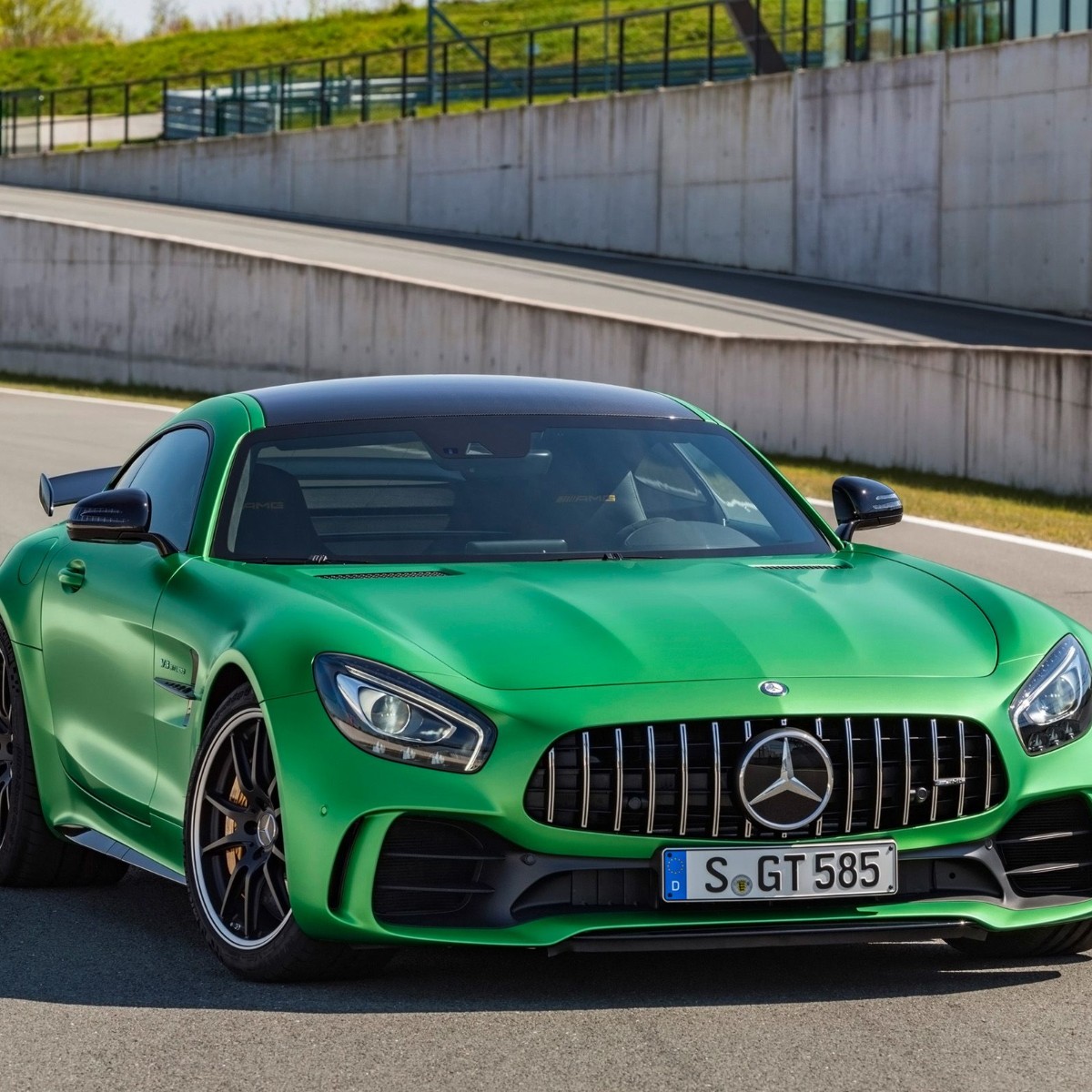
Mercedes-AMG models represent the performance-oriented division of Mercedes-Benz, characterized by handcrafted engines, specialized chassis tuning, and distinct aesthetic enhancements. The current AMG portfolio spans a broad spectrum of vehicles, ranging from compact performance hatchbacks and sedans to high-output SUVs and dedicated sports cars, all engineered under the "One Man, One Engine" philosophy for the majority of their combustion-powered variants.
Evolution and Core Philosophy of Mercedes-AMG
Mercedes-AMG began as an independent tuning firm in 1967, founded by former Mercedes engineers Hans Werner Aufrecht and Erhard Melcher. Their expertise in racing engines eventually led to a formal partnership and, ultimately, total acquisition by Mercedes-Benz. Today, the AMG brand acts as the high-performance subsidiary of the Mercedes-Benz Group.
The core of the AMG identity is the commitment to specific engineering standards. While standard Mercedes-Benz models prioritize luxury and comfort, AMG variants are designed for increased power delivery, handling precision, and aggressive styling. Most internal combustion AMG engines are built at the Affalterbach facility, where a single technician assembles each powerplant from start to finish, affixing a signature plate to the engine cover once completed.
Current AMG Performance Hierarchy
To navigate the current AMG models list effectively, one must understand the internal categorization used by the manufacturer. Mercedes-Benz employs a tiered naming system that distinguishes between entry-level performance models and the more extreme variants.
Entry-Level AMG Performance (43 and 53 Series)
These models serve as the gateway to the AMG experience. They typically feature performance-tuned versions of standard Mercedes-Benz engines or electrified powerplants. They provide a balance of daily usability and improved driving dynamics without the extreme output of the top-tier variants.
High-Performance Core (63 and 63 S Series)
The "63" designation has historically been the flagship of the AMG performance range. These models usually feature the most powerful iteration of a V8 or high-output hybrid powertrain, specialized suspension systems, wider body tracks, and advanced cooling systems. These models are designed to compete directly with other high-performance luxury manufacturers.
Dedicated Sports Cars (GT Series)
The AMG GT lineup is the company's dedicated sports car platform. Unlike the performance variants of standard luxury sedans or SUVs, the GT models are built from the ground up as performance machines. These prioritize aerodynamics, weight distribution, and track performance, representing the pinnacle of the engineering division's output.
Comprehensive AMG Model Categorization
The following table categorizes the primary types of vehicles currently offered under the Mercedes-AMG badge. This list reflects the diverse application of performance engineering across various body styles.
| Category | Model Series Examples | Focus |
|---|---|---|
| Compact Performance | A 45, CLA 45 | Agility, high power-to-weight ratio, enthusiast focus. |
| Performance Sedans | C 63, E 63 | Blend of luxury, daily utility, and significant power. |
| Performance SUVs | GLC 63, GLE 63, G 63 | High-riding utility combined with sports-car acceleration. |
| Sports Coupés/Roadsters | AMG GT, SL | Track-ready handling, low center of gravity, aerodynamics. |
| Performance BEVs | EQE 53, EQS 53 | High-torque electric performance and advanced dynamics. |
The Impact of Hybridization and Electrification
As of 2026, the AMG models list is heavily influenced by the industry-wide shift toward electrification. Mercedes-AMG has introduced E PERFORMANCE technology, which integrates electric motors with existing internal combustion engines to provide immediate torque and improved efficiency.
This transition has fundamentally changed the power characteristics of the "63" badge. For many models, the traditional large-displacement engine has been supplemented or replaced by a hybrid system. Owners of these vehicles benefit from higher total output figures compared to previous-generation combustion engines, but they must also account for the increased vehicle weight inherent in large battery packs and electric drive units.
Technical Considerations for Owners
Selecting an AMG model requires an understanding of the maintenance requirements that differ from standard Mercedes-Benz vehicles. Because these engines and transmissions are tuned for maximum output, they operate under significantly higher thermal and mechanical stress.
- Service Intervals: AMG models often require more frequent oil changes and transmission fluid services. Adhering to the specific maintenance schedule for the performance division is critical for engine longevity.
- Braking Systems: Many AMG models feature high-performance composite braking systems. While these provide superior stopping power, they are prone to higher levels of brake dust and may have higher replacement costs compared to standard steel rotor systems.
- Tire Selection: Performance-oriented tire compounds are a necessity for these vehicles. Because AMG cars exert more force on the road, owners should expect shorter tread life and must choose tires specifically rated for the vehicle’s power and weight specifications.
- Suspension Components: The specialized dampers and bushings that give AMG cars their handling precision are also more susceptible to wear. Regular inspections of the suspension geometry are recommended to maintain performance levels.
Frequently Asked Questions
1. Does every AMG model have a "One Man, One Engine" badge?
No. While the "One Man, One Engine" philosophy is a hallmark of the AMG brand, it primarily applies to the high-performance engines used in the "63" and "45" series. Models in the "43" or "53" series, while engineered by AMG, are typically produced on the standard Mercedes-Benz engine assembly lines to facilitate higher production volumes.
2. How can I verify the authenticity of an AMG vehicle?
The most reliable way to verify an AMG model is through the Vehicle Identification Number (VIN). Official Mercedes-Benz dealership databases or authorized parts departments can decode the VIN to confirm if the vehicle was factory-produced as an AMG model. This is essential, as there are many aftermarket body kits that mimic the AMG aesthetic without the underlying engineering.
3. Are AMG vehicles reliable for daily use?
Modern AMG models are designed for daily driving, provided they are maintained according to the manufacturer's specifications. However, the cost of ownership is notably higher than a standard Mercedes-Benz vehicle. Parts, tires, and fuel consumption are all scaled to the performance capabilities of the vehicle.
4. What is the difference between an AMG Line and a true AMG model?
"AMG Line" is a trim level that adds the visual styling of an AMG vehicle—such as wheels, bodywork, and interior appointments—to a standard Mercedes-Benz engine. A "true" AMG model, conversely, features an engine that has been engineered and tuned by the AMG division, along with upgraded chassis, braking, and transmission components.
5. Why does the weight of newer AMG models seem higher?
The increase in vehicle weight is largely attributed to the addition of hybrid drive units and the strengthening of chassis components to handle the increased torque output of modern powertrains. While this impacts agility slightly, it is compensated by advanced electronic active-roll stabilization and rear-axle steering systems.
Next Steps for Prospective Owners
If you are considering the acquisition of a vehicle from the current AMG models list, the first step is to define your requirements for performance versus utility. Determine whether you require the extreme, track-oriented capabilities of the GT series or the daily-driver versatility of the performance-tuned SUVs.
Consult with an authorized Mercedes-Benz dealer to schedule a test drive of the specific variant you are interested in. Because AMG models rely heavily on electronic differential and suspension tuning, a brief test drive is necessary to experience how the power is managed in different driving modes. Always review the specific maintenance handbook for your chosen model to ensure you are prepared for the specialized service requirements associated with high-performance engineering.