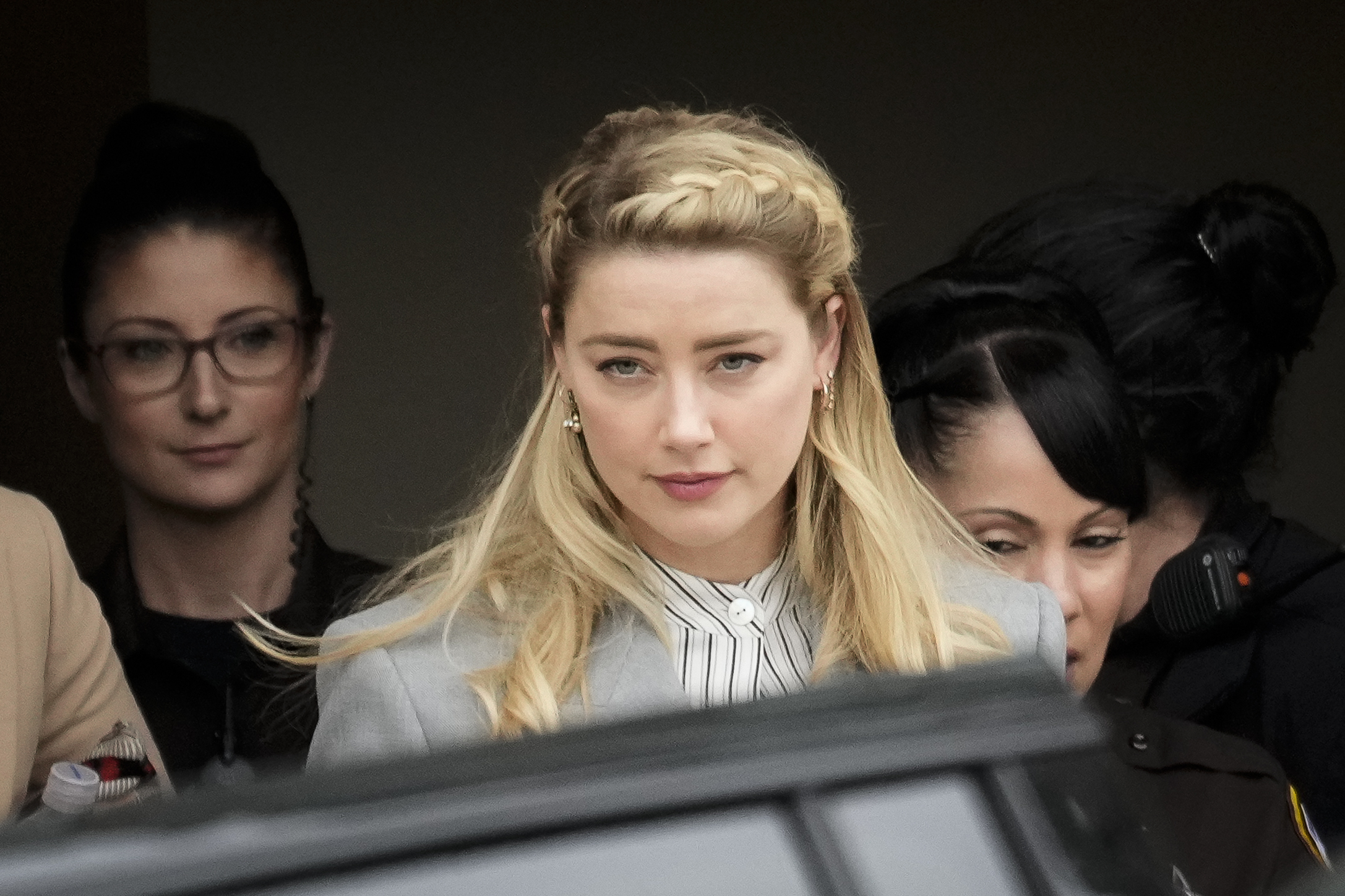
The term "Amber Heard leak" primarily refers to two distinct events: the 2014 "Celebgate" iCloud breach, which involved the criminal theft of private images, and the 2022 release of over 6,000 pages of unsealed court documents from the Depp v. Heard defamation trial. While the former was a violation of privacy through hacking, the latter was a legal disclosure that provided unprecedented insight into the complexities of high-profile litigation and digital evidence.
The Dual Nature of "Leaks" in the Digital Era
When discussing "leaks" involving public figures like Amber Heard, it is essential to distinguish between illegal digital intrusions and the public dissemination of previously restricted legal records. In the context of 2026, looking back at these events allows us to understand how privacy laws, public perception, and the judicial process intersect in a hyper-connected world.
The first major incident occurred in 2014, known globally as "Celebgate." This was a coordinated phishing attack that targeted the iCloud accounts of numerous celebrities, including Heard. This was a clear-cut criminal act involving non-consensual image sharing.
The second "leak" occurred following the 2022 defamation trial between Heard and her former husband, Johnny Depp. This was not a hack, but rather a community-funded effort to pay the court fees required to unseal thousands of pages of pre-trial depositions, medical records, and digital communications that were not admitted as evidence during the televised trial. This release shifted the public discourse, as it revealed context that had been excluded from the courtroom.
The 2014 iCloud Breach: A Criminal Violation of Privacy
The 2014 incident remains one of the most significant mass violations of digital privacy in history. It highlighted the vulnerabilities of cloud storage and the burgeoning "revenge porn" or Non-Consensual Intimate Imagery (NCII) culture.
The Mechanism of the Breach
The "leak" was achieved through sophisticated phishing schemes rather than a direct breach of Apple’s infrastructure. Attackers sent emails appearing to be from security services, prompting victims to enter their credentials on fraudulent websites. Once the hackers gained access, they downloaded entire backups of the victims' phones.
Legal Repercussions and Convictions
The Department of Justice (DOJ) launched an extensive investigation into the breach. Several individuals, including Ryan Collins and Edward Majerczyk, were eventually sentenced to federal prison for their roles in the conspiracy. Their convictions under the Computer Fraud and Abuse Act (CFAA) set a precedent for how federal authorities would pursue digital theft involving personal privacy. You can find more details on the federal response to these crimes through the U.S. Department of Justice.
The Shift in Privacy Legislation
Following these events, many jurisdictions accelerated the passage of NCII laws. By 2026, most U.S. states and many international territories have specific statutes that criminalize the distribution of private images without consent, regardless of how those images were obtained. This legal evolution was a direct response to the "Amber Heard leak" and similar violations involving other high-profile women.
The 2022 Unsealed Court Documents: A Different Kind of Leak
The release of the unsealed documents in the summer of 2022 represents a different phenomenon. This was a "leak" of information that was technically public but practically inaccessible due to high administrative costs.
What the Unsealed Documents Revealed
The unsealed files contained significant information that had been barred from the trial by Judge Penney Azcarate. This included:
- Excluded Expert Testimony: Details from specialized medical professionals regarding the physical and psychological states of both parties.
- Digital Communication Metadata: Further context regarding text messages and emails that were deemed "more prejudicial than probative" during the trial.
- Pre-Trial Strategies: Documentation showing how both legal teams attempted to exclude certain witnesses or pieces of evidence.
The Impact on Public Perception
The "leak" of these documents led to a massive re-evaluation of the trial’s outcome by legal analysts and the public. It demonstrated how the rules of evidence can shape a narrative in court that might differ significantly from the full scope of available information. This event serves as a primary case study in 2026 for law students studying the "Streisand Effect"—where attempts to hide or exclude information only lead to increased public interest and eventual exposure.
Legal and Ethical Comparison of "Leaks"
To better understand the differences between these events, the following table compares the 2014 breach and the 2022 unsealed document release.
| Feature | 2014 iCloud Breach | 2022 Unsealed Documents |
|---|---|---|
| Source of Information | Illegal hacking and phishing | Legal unsealing of court records |
| Nature of Content | Private, intimate photos/videos | Legal filings, depositions, and exhibits |
| Legal Status | Criminal act (Theft/NCII) | Lawful public record access |
| Primary Impact | Violation of personal privacy | Transparency of the judicial process |
| Key Entities Involved | FBI, DOJ, Ryan Collins | Fairfax County Court, Legal Teams |
| Ethical Consensus | Universally condemned as a crime | Debated (Public interest vs. Privacy) |
The Legal Consequences of Sharing Leaked Information
Sharing or hosting leaked content—especially the material from the 2014 breach—carries significant legal risks. Even in 2026, the digital footprint of these leaks remains a point of contention for platform moderators and law enforcement.
Non-Consensual Intimate Imagery (NCII) Laws
Sharing images from the 2014 hack falls under NCII statutes. In many jurisdictions, "sharing" includes not just uploading to a site, but also sending links or distributing files via private messaging apps. Penalties can include significant fines and jail time. Organizations like the ACLU have long balanced the discussion between free speech and the right to privacy in these cases.
Copyright and DMCA Takedowns
Much of the material from both "leaks" is subject to copyright law. In the case of private photos, the person who took the photo (or the person in it, depending on the jurisdiction) often holds the copyright. Platforms are required under the Digital Millennium Copyright Act (DMCA) to remove this content upon receiving a valid takedown notice.
Defamation and Tort Law
Using leaked information to harass or defame an individual can lead to civil litigation. The 2022 trial itself was a testament to the high stakes of defamation. Users who weaponize "leaked" information to spread false claims can be held liable for intentional infliction of emotional distress or invasion of privacy.
Navigating the Information Safely and Ethically
In 2026, the way we consume information about public figures is under higher scrutiny than ever. If you are researching "Amber Heard leak" for educational, legal, or journalistic purposes, it is vital to follow these guidelines:
- Verify the Source: Ensure you are accessing information through reputable legal databases or mainstream journalistic outlets. Avoid "gossip" sites that may host illegally obtained material.
- Respect Privacy Boundaries: Recognize the distinction between information that is relevant to a public legal case (like the 2022 documents) and information that is a violation of human rights (like the 2014 hack).
- Understand Platform Terms of Service: Most major social media platforms have zero-tolerance policies for sharing NCII. Engaging with such content can lead to permanent account bans.
- Acknowledge Legal Complexity: high-profile cases are rarely one-sided. Reading unsealed documents requires a level of legal literacy to understand why certain pieces of evidence were excluded in the first place.
The Role of Digital Forensics and Security
The "Amber Heard leak" saga also serves as a technical lesson in digital security. The 2014 hack was a catalyst for the widespread adoption of Two-Factor Authentication (2FA).
- Credential Hygiene: The leak proved that even complex passwords are not enough if a user is tricked by a phishing email.
- Encrypted Communication: The use of encrypted messaging apps (like Signal or Telegram) became more common among public figures following these breaches to ensure that even if a cloud backup is compromised, the messages remain secure.
- The Myth of Deletion: For many, the "Amber Heard leak" serves as a reminder that once something is uploaded to the internet or entered into a legal record, it is nearly impossible to remove entirely. This is often referred to as "digital permanence."
FAQ
What were the main findings in the 2022 unsealed documents?
The unsealed documents revealed that both Johnny Depp and Amber Heard’s legal teams fought to exclude several damaging pieces of evidence. For Heard, this included excluded testimony regarding her medical history and certain digital communications. For Depp, it included excluded evidence regarding his personal life and past behavior. The release provided a more granular look at the toxic nature of the relationship that wasn't fully captured during the trial.
Is it illegal to view the unsealed court documents?
No, it is not illegal to view the 2022 unsealed court documents. These are public records from the Fairfax County Circuit Court. Many journalists and legal analysts have hosted these documents for public review to encourage transparency in the judicial system. However, using these documents to harass individuals could still lead to civil legal issues.
How did the 2014 leak change Apple’s security?
Following "Celebgate," Apple significantly increased the security of iCloud. This included more frequent prompts for Two-Factor Authentication, improved alerts when a new device accesses an account, and end-to-end encryption for more categories of data stored in the cloud.
Are the 2014 "leaks" still online?
While various "dark web" sites and fringe forums may still host images from the 2014 hack, they are actively scrubbed from the mainstream internet. Search engines and social media platforms use automated hashing technology (similar to that used to find illegal child safety material) to identify and remove these images automatically.
What is the best way to protect my own data from "leaks"?
The best protection is a combination of strong, unique passwords managed by a password manager, the mandatory use of hardware-based Two-Factor Authentication (like a YubiKey), and a healthy skepticism of any email or text message asking for login credentials. Additionally, being mindful of what is backed up to "the cloud" is essential for personal privacy.
Practical Recommendation
For those interested in the legal and social implications of the "Amber Heard leak," the most constructive action is to study the 2022 unsealed court documents through reputable legal analysis portals. These documents offer a masterclass in trial law, evidence admissibility, and the impact of social media on the justice system. Conversely, any search for the 2014 material should be avoided, as it involves the consumption of criminalized content that violates fundamental human rights and privacy laws. By focusing on the legal transparency aspect, researchers can gain a deeper understanding of how the law functions in the digital age without participating in the exploitation of individuals.