While piranha attacks in the Amazon River are a frequent subject of cinematic horror, actual incidents are rarely fatal and typically involve minor nips to the extremities. Serious attacks generally occur during the dry season when receding water levels trap schools in stagnant pools, leading to food scarcity and heightened territorial aggression.
Despite their fearsome reputation, piranhas are primarily scavengers and opportunistic feeders rather than the relentless man-eaters depicted in popular culture. In the Amazon basin, thousands of people bathe, swim, and wash clothes in piranha-inhabited waters every day without incident. However, understanding the specific environmental conditions, species behavior, and human activities that trigger bites is essential for anyone traveling to or living within the Amazonian ecosystem.
The Mythological Roots of the Piranha Attack
The global perception of the "amazon river piranha attack" was largely forged by historical hyperbole. In 1913, former U.S. President Theodore Roosevelt visited Brazil and later chronicled his journey in the book Through the Brazilian Wilderness. During his visit, local residents staged a spectacle for him: they cordoned off a section of the river with nets, filled it with hundreds of piranhas, and starved them for weeks. When a carcass was thrown into the water, the frenzied fish skeletonized it in seconds.
Roosevelt described them as "the most ferocious fish in the world," a sentiment that was quickly adopted by Western media and eventually Hollywood. This historical "staged" event created a lasting image of piranhas as aquatic wolves that hunt in packs to take down large mammals. In reality, most piranhas are shy, and their schooling behavior is primarily a defense mechanism against larger predators like caimans, pink river dolphins, and giant otters, rather than a coordinated hunting strategy.
Biological Profiles of Potential Aggressors
Of the approximately 60 species of piranha found throughout South America, only a handful pose any risk to humans. In the Amazon River system, two species are most frequently implicated in biting incidents.
The Red-Bellied Piranha (Pygocentrus nattereri)
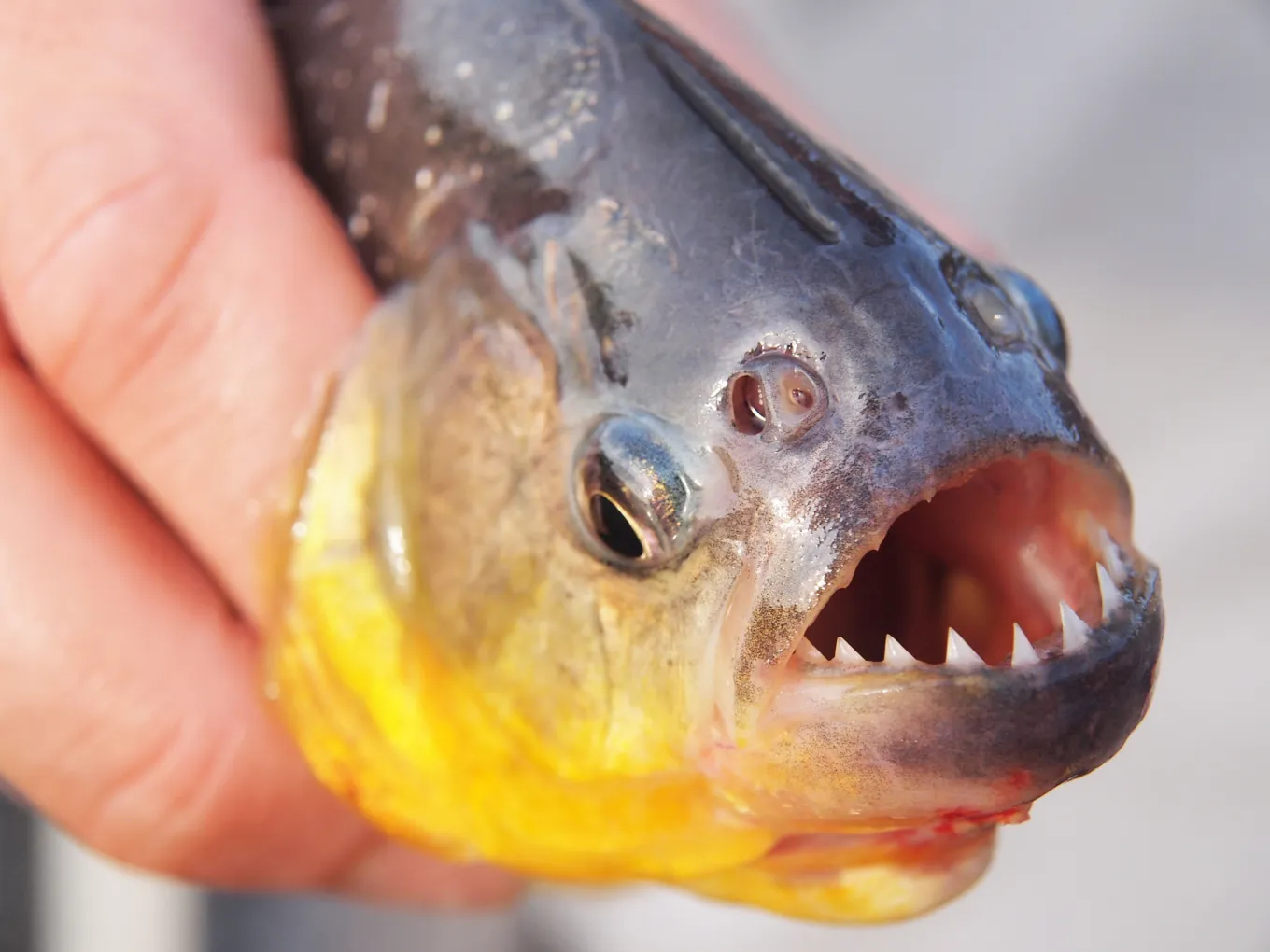
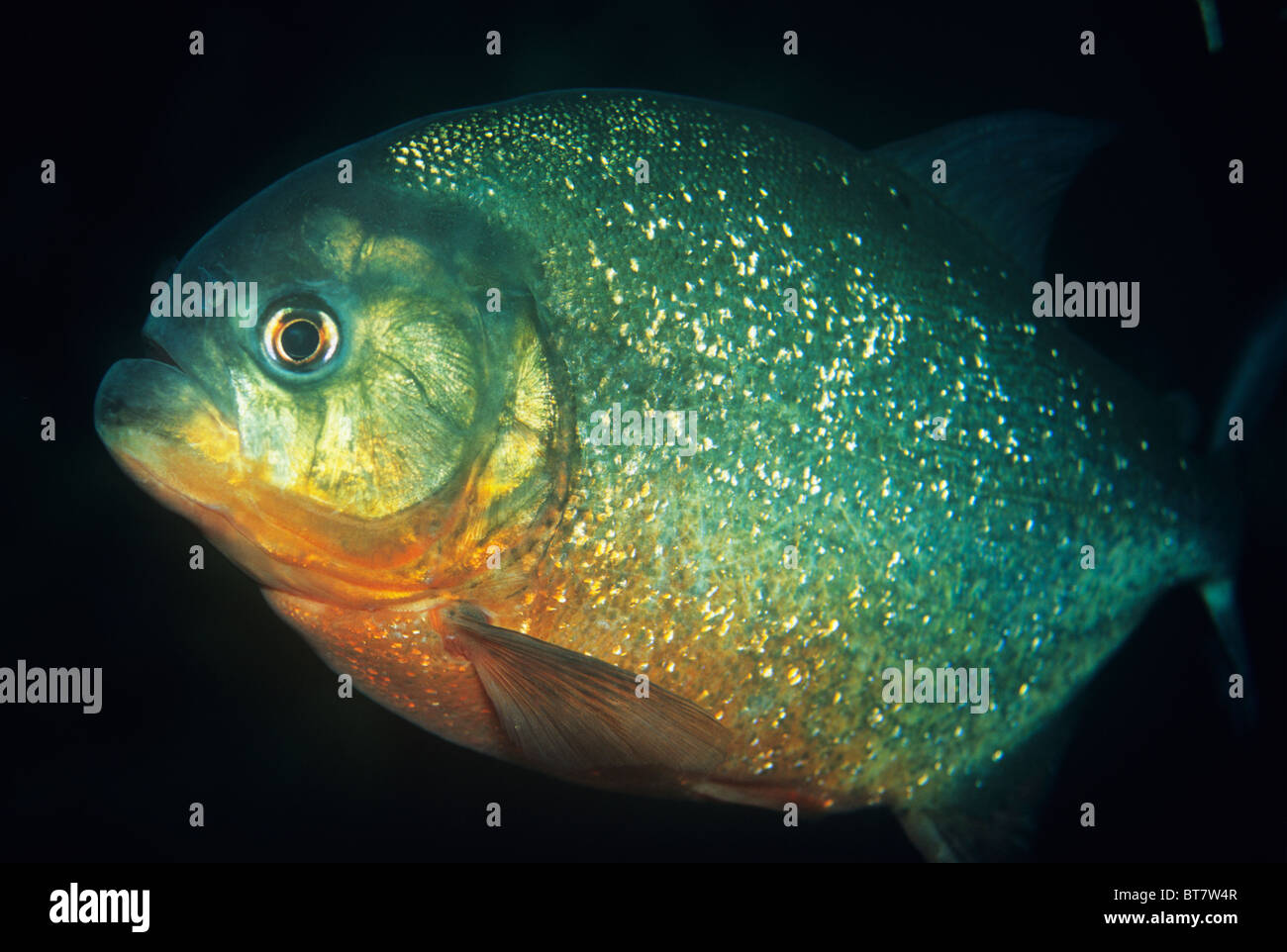
The Red-Bellied piranha is the most iconic and widely distributed species. They are known for their powerful jaws and triangular, razor-sharp teeth that interlock like a zipper. While they primarily eat insects, worms, and other fish, they are the species most likely to engage in "frenzy" behavior if blood or high-vibration splashing is present in a confined area.
The Black Piranha (Serrasalmus rhombeus)
Often larger than the red-bellied variety, the Black piranha (or Piranha Preta) is known for having one of the strongest bite forces relative to body mass in the animal kingdom. A 2012 study published in Scientific Reports confirmed that these fish can exert a bite force equivalent to 30 times their body weight. While they are more solitary than their red-bellied cousins, a single bite from a Black piranha can result in significant tissue loss.
Ecological Triggers: Why Attacks Occur
Piranha attacks are not random; they are almost always the result of specific ecological pressures or human interference. By 2026, climate patterns in the Amazon have continued to show extreme volatility, making the understanding of these triggers more vital for river safety.
1. The Dry Season Constraint
The most significant factor in piranha aggression is the water level. During the Amazonian dry season (typically May to October), the vast floodplains recede into isolated lakes and ponds. As the water evaporates, the concentration of fish increases, and oxygen levels drop. In these "drying pools," food becomes scarce, and piranhas become extremely stressed. In this state, anything entering the water—including a human foot—is viewed as a potential meal or a threat to their limited space.
2. Nesting and Territorial Defense
Piranhas exhibit parental care, which is rare among many fish species. They clear circular nests in the riverbed to lay their eggs. If a swimmer or wader inadvertently steps near a nesting site, the piranhas will bite defensively to protect the brood. These bites are usually single, "warning" nips intended to drive the intruder away rather than to consume them.
3. Noise and Vibration
Piranhas are highly sensitive to low-frequency vibrations. Excessive splashing, such as a child playing or a dog swimming, mimics the movements of a wounded animal or a falling fruit (a common food source for some piranha relatives). This "commotion" can attract piranhas from a distance, leading to exploratory bites.
4. Organic Waste and Fishing Activity
Human activity is a frequent catalyst for attacks. In areas where fishermen clean their catch and throw guts into the water, piranhas learn to associate the presence of humans with food. Similarly, swimming near docks where food waste is disposed of significantly increases the risk of an encounter.
Anatomy and Biomechanics of a Piranha Bite
The damage caused by a piranha is distinct from that of other aquatic predators. Their teeth are not designed for gripping but for shearing. Each tooth is triangular and razor-edged, allowing the fish to remove a precise, circular "plug" of tissue.
When a piranha bites, the upper and lower teeth meet with surgical precision. This allows them to cut through skin, muscle, and even bone with minimal effort. In the rare event of a school attack, the fish take turns darting in, biting, and moving away, which allows others to access the target. This "relay" biting is what leads to the rapid tissue loss often described in sensationalized accounts.
| Feature | Red-Bellied Piranha (P. nattereri) | Black Piranha (S. rhombeus) |
|---|---|---|
| Average Size | 20–30 cm | 35–45 cm |
| Social Behavior | Large schools (up to 100+) | Solitary or small groups |
| Aggression Level | High (in dry season/frenzy) | Moderate (defensive) |
| Bite Force | High | Extreme (highest relative to size) |
| Primary Risk | Nipping fingers/toes in groups | Deep tissue shearing |
| Habitat | Murky rivers, floodplains | Deep river channels, clear water |
Documented Patterns and Geographic Hotspots
While "mass" attacks are extremely rare, localized incidents do occur, particularly in areas where human recreation overlaps with high piranha density.
The Brazilian "Beach" Incidents
In several regions of Brazil, such as the state of Piauí and the river beaches of the Rio Paraguay, hundreds of bites are reported annually. These usually involve tourists swimming in areas where piranhas are concentrated due to damming or feeding. In 2011 and 2013, high-profile incidents saw dozens of people treated for toe and heel bites in a single weekend.
Impact of Dam Construction
Hydroelectric dams have altered the flow of many Amazonian tributaries. By creating large areas of still water, dams provide an ideal breeding ground for certain piranha species. These stagnant reservoirs often see an explosion in piranha populations, leading to increased human-wildlife conflict in areas where attacks were previously unknown.
Practical Prevention and Safety Measures
If you are traveling in the Amazon basin, following established safety protocols can almost entirely eliminate the risk of a piranha attack.
- Consult Local Knowledge: Before entering any body of water, ask the local "Ribeirinhos" (river people). They have an intimate understanding of where it is safe to swim and which areas are currently high-risk due to nesting or low water.
- Avoid Swimming with Open Wounds: Piranhas have an acute sense of smell and can detect blood in the water. If you have a fresh cut or are menstruating, it is safer to stay out of the river.
- Keep Noise to a Minimum: Avoid heavy splashing or frantic swimming. Smooth, rhythmic strokes are less likely to attract the attention of predatory fish.
- Stay Away from Docks and Fishing Areas: Do not swim where people are cleaning fish or where food waste is being discarded.
- Beware of the Dry Season: Be particularly cautious between August and October. If the water looks low, stagnant, or "trapped," avoid entering it.
- Avoid Night Swimming: Many piranha species are more active or aggressive during the twilight hours and at night.
Medical Management of Piranha Bites
If a bite occurs, immediate medical attention is necessary, not just to repair the tissue, but to prevent infection.
First Aid Steps
- Exit the Water Immediately: The scent of blood from the initial bite can attract more fish.
- Apply Pressure: Use a clean cloth to stanch the bleeding. Piranha bites often bleed profusely because of the clean, "punched-out" nature of the wound.
- Irrigate the Wound: Clean the area with potable water or an antiseptic solution if available. Amazonian river water contains a high load of bacteria.
- Cover and Elevate: Keep the wound covered with a sterile dressing.
Clinical Considerations
Piranha mouths are teeming with bacteria, including Aeromonas hydrophila, which can cause severe skin and soft tissue infections. In 2026, medical guidelines emphasize the use of broad-spectrum antibiotics for any significant piranha wound. Tetanus boosters should also be administered if the patient is not up to date. In cases of significant tissue loss, reconstructive surgery may be required, though this is rare in typical "nipping" incidents.
FAQs About Amazon River Piranha Attacks
Can piranhas strip a human to the bone?
While theoretically possible if a person were incapacitated and the school was large and starving, there are no scientifically documented cases of healthy humans being eaten alive and skeletonized by piranhas. Most deaths attributed to piranhas are actually cases of "post-mortem scavenging," where a person drowned for other reasons and piranhas later fed on the body.
Are piranhas attracted to blood?
Yes, piranhas are attracted to the scent of blood and the amino acids released by wounded prey. However, a drop of blood does not instantly trigger a "frenzy" as seen in movies; it usually just draws them closer to investigate the source.
Is it safe to eat piranha?
Absolutely. Piranha is a staple food for many indigenous and local communities in the Amazon. It is often served grilled or in a soup (caldo de piranha). The flesh is white and flaky, though the fish are quite bony. Eating piranha is actually a common way to control their populations in high-risk swimming areas.
Do all piranhas eat meat?
No. Several species are actually herbivorous or omnivorous, feeding on seeds, fruit, and aquatic vegetation. The "pacu," a close relative of the piranha, is famous for its human-like teeth used for crushing nuts that fall into the water.
What should I do if I see a piranha while swimming?
Do not panic. Move calmly and steadily toward the shore or your boat. Avoid frantic, jerky movements that might mimic a struggling animal. In most cases, the piranha is more afraid of you than you are of it and will swim away.
Final Recommendations for Amazon Travelers
The risk of a "amazon river piranha attack" should not deter you from experiencing the wonders of the Amazon rainforest. By 2026, ecotourism operators have become highly sophisticated in managing these risks. Always travel with a reputable guide, respect the seasonal changes of the river, and treat the wildlife with the caution that any predatory animal deserves. Most importantly, remember that in the Amazonian ecosystem, humans are far more of a threat to piranha habitats—through pollution and deforestation—than piranhas are to humans.