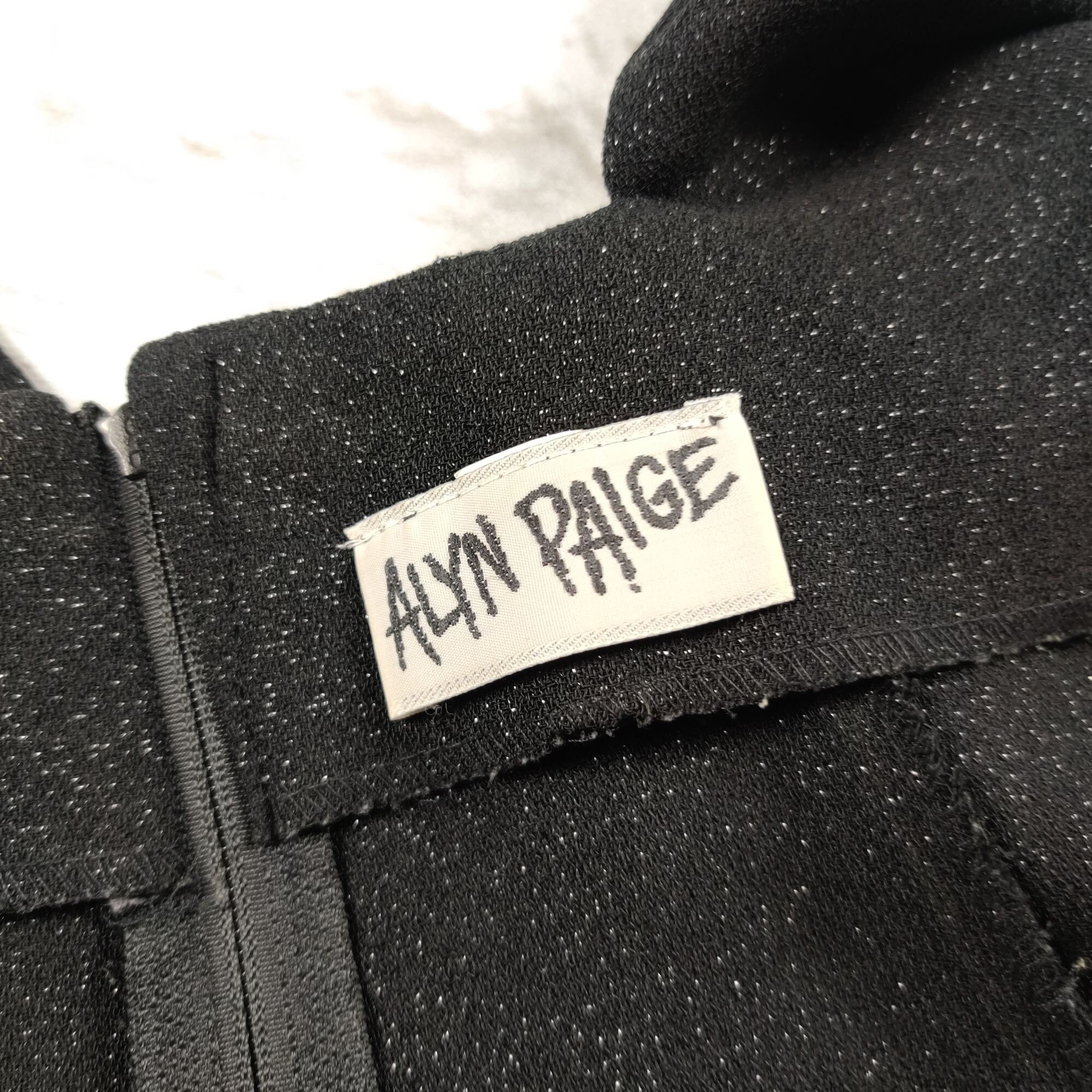
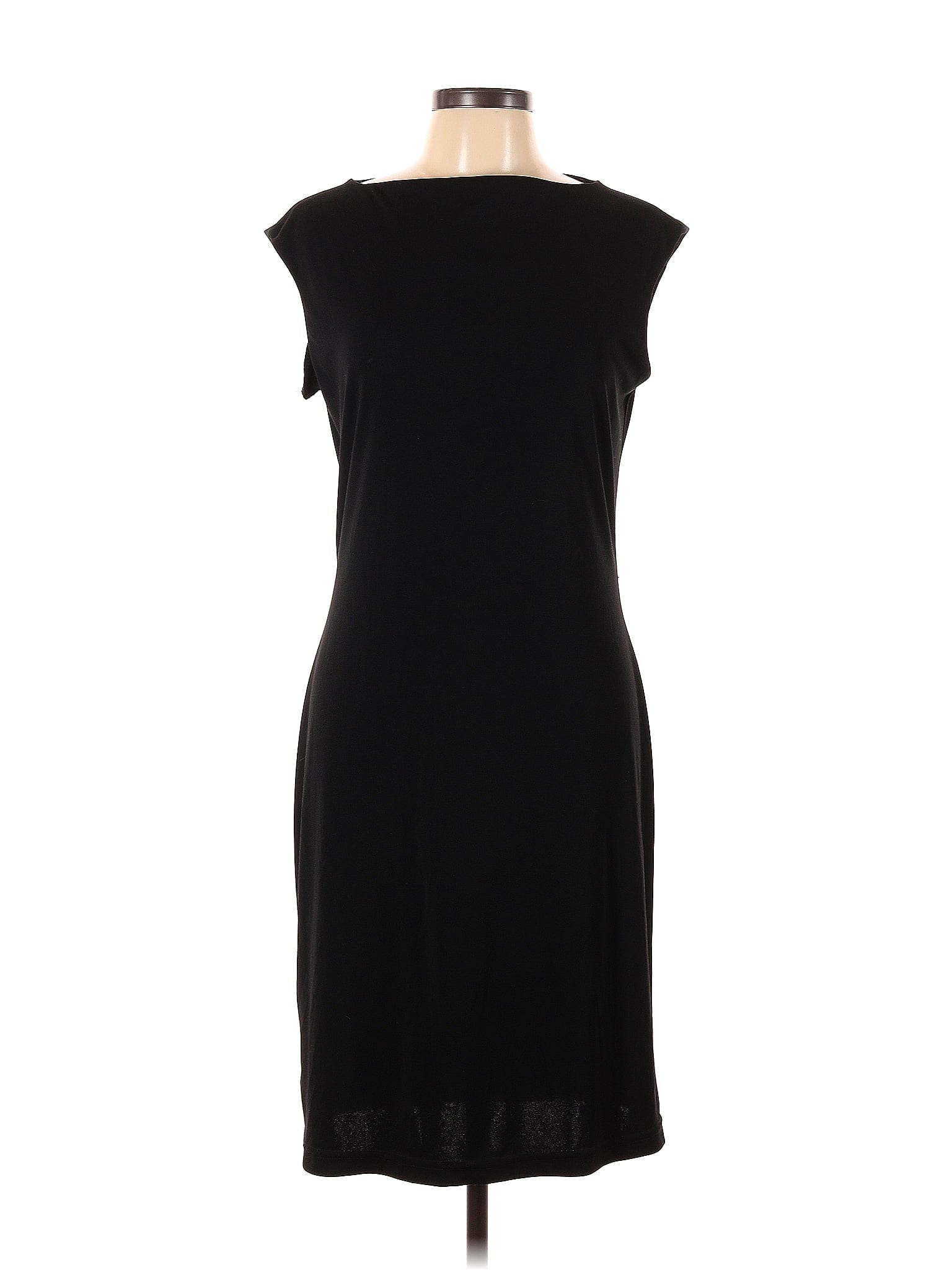
Alyn Paige Inc was a prominent American women’s apparel manufacturer best known for producing evening dresses, party wear, and career apparel during the late 20th century. While no longer operating as an active primary producer, the brand remains highly recognized in the vintage clothing and secondary resale markets for its distinct 1980s and 1990s silhouettes, structured tailoring, and accessible formalwear designs.
What Was Alyn Paige Inc? Corporate Profile and Brand Background
Alyn Paige Inc operated primarily out of Southern California's garment district, establishing a strong presence in department store retail and specialty boutiques throughout the 1980s, 1990s, and early 2000s. Registered as a domestic stock corporation with the California Secretary of State, the company specialized in ready-to-wear women’s clothing, focusing predominantly on mid-market dresses, prom gowns, cocktail attire, and formal evening wear.
During its peak operational years, Alyn Paige Inc captured a key market demographic: women seeking trendy, well-constructed formal and semi-formal wear at accessible price points. The brand competed alongside other well-known contemporary dress makers of the era, such as Jessica McClintock, Gunne Sax, Scott McClintock, and Alyce Designs. Rather than positioning itself as high-couture luxury, Alyn Paige relied on high-volume production, strategic distribution through major North American department stores, and versatile design patterns that mirrored high-fashion runway trends.
Like many domestic garment manufacturers in North America, Alyn Paige Inc faced significant structural shifts in the apparel industry during the late 1990s and 2000s. The widespread transition toward offshore production, aggressive price competition from fast-fashion conglomerates, and changing department store purchasing strategies transformed the competitive landscape. Over time, corporate filings reflect changes in business activity, leading eventually to the brand's retirement from active production. Today, Alyn Paige Inc exists primarily as an established heritage label within the vintage apparel, estate, and digital secondary resale sectors.
Identifying Authentic Alyn Paige Apparel: RN Numbers and Labels
For vintage collectors, online resellers, and fashion historians, authenticating pieces produced by Alyn Paige Inc involves examining woven neck tags, care labels, union tags, and registered identification numbers (RN). The United States Federal Trade Commission (FTC) assigns Registered Identification Numbers to domestic businesses issuing or manufacturing wool, fur, or textile products.
The FTC RN Identification System
Apparel manufactured or distributed by Alyn Paige Inc frequently features specific FTC registration codes on the interior fabric care tags. Resellers and buyers can verify the origins of a garment by checking these numbers against the official FTC Registered Identification Number Database.
- Primary Registered Entity: Alyn Paige Inc
- Common RN Identifiers: RN numbers registered or associated with mid-tier Southern California dress manufacturers of this period (such as RN 67732 or related corporate parent/contractor codes).
- Country of Origin: Early Alyn Paige garments were manufactured domestically in the United States ("Made in U.S.A."). Later garments from the late 1990s and early 2000s often indicate imported fabrics assembled domestically or full overseas assembly.
Label Aesthetics and Era Variations
Analyzing the visual typography and physical construction of the garment label provides rapid insights into the production period:
- 1980s Labels: Typically feature bold, stylized calligraphy or sans-serif block lettering on rectangular satin or crisp woven polyester backgrounds. Labels from this era frequently include explicit "Made in U.S.A." text directly below the brand name or alongside union labels.
- 1990s Labels: Feature cleaner script or minimalist serif typography, often printed on soft black or beige woven ribbons. Care instructions and material compositions were routinely sewn into side seams or positioned directly under the primary brand tag.
- Union Tags: Garments produced during the early-to-mid 1980s may contain International Ladies' Garment Workers' Union (ILGWU) craft tags, featuring the red-and-blue or black union emblem. Items produced after 1995 may display UNITE (Union of Needletrades, Industrial and Textile Employees) tags, serving as definitive historical markers for dating.
Era-by-Era Style Analysis and Key Design Characteristics
Alyn Paige Inc adapted its design portfolio to reflect the major aesthetic shifts of late 20th-century American fashion. Understanding these stylistic markers helps buyers evaluate the rarity, historic style alignment, and market demand for specific garments.
- 1980s: Dramatic Flare
- Puffed Sleeves
- Metallic Lame
- Basque Waists
- 1990s: Minimalist Slip
- Column Dress
- Velvet / Satin
- Spaghetti Straps
- 2000s: Asymmetrical
- Y2K Halters
- Poly-Mesh
- Rhinestone Acc.
1980s Formalwear and Party Dresses
The 1980s collection from Alyn Paige Inc was characterized by dramatic shapes, pronounced volume, and structural theatricality. Key features from this decade include:
- Prominent Shoulder Structures: Heavy shoulder padding, puffed juliet sleeves, off-the-shoulder ruffle trims, and rigid internal boning.
- Distinct Waists: Basque waists (V-shaped drop waists), gathered tiered skirts, and oversized waist bows made from crisp taffeta or satin.
- Fabrics and Textures: Heavy use of metallic lamé, acetate taffeta, polyester satin, crushed velvet, and synthetic lace overlays. Bold jewel tones like emerald green, royal cobalt, ruby red, and iridescent magenta dominated color palettes.
1990s Evening Wear and Prom Silhouettes
In response to the broader fashion industry's shift toward grunge and sleek minimalism, Alyn Paige refined its production during the 1990s toward body-skimming and elegant drape silhouettes:
- Sleek Profiles: Slip dresses, bias-cut sheath dresses, floor-length column gowns, and high-neck halter necklines.
- Textural Contrast: Combination of stretchy polyester-spandex blends, liquid satin, burn-out velvet (devoré), and sheer mesh overlays with subtle beaded or sequined accents.
- Color Schemes: A notable shift toward classic black, deep wine, navy, hunter green, and soft pastel shades for spring prom collections.
Early 2000s (Y2K Era) Styles
By the turn of the millennium, Alyn Paige designs incorporated popular Y2K prom and party wear trends before phasing out production:
- Asymmetrical Details: Handkerchief hems, single-shoulder strap configurations, diagonal ruching across the bodice, and cowl necklines.
- Embellishments: Extensive use of heat-set rhinestones, glitzy glitter tulle overlays, multi-strap back configurations, and bright pastel or neon gradient colors.
Vintage Sizing, Fit Considerations, and Care Requirements
One of the most critical challenges facing contemporary buyers and resellers of Alyn Paige Inc garments is navigating historical sizing discrepancies and synthetic fabric care requirements.
Understanding Historical Sizing Shifts
Apparel sizing in North America underwent significant dimensional changes (commonly referred to as vanity sizing) between 1980 and 2026. A vintage size tag inside an Alyn Paige dress does not correlate directly to modern standard retail sizing.
- 1980s and 1990s Tagged Sizes: Generally run 2 to 3 sizes smaller than modern off-the-rack vanity sizes. For example, a vintage Alyn Paige tag marked "Size 10" frequently aligns with a modern US Women’s Size 4 or 6, depending on the waist and bust measurements.
- Bust and Waist Proportions: Vintage Alyn Paige dresses were constructed around structured undergarment expectations, often featuring narrow waist channels and fixed, non-stretch bust lines.
- Resale Best Practice: Never rely solely on the numerical size tag. Always measure the garment laid flat for bust (pit-to-pit), waist (narrowest section), hips (widest section), shoulder-to-hem length, and fabric stretch allowance.
| Tagged Vintage Size Label | Estimated Modern Equivalent (US) | Average Flat Waist Measurement (Inches) |
|---|---|---|
| Vintage 3/4 | Modern XS / 0-2 | 23" - 24" |
| Vintage 5/6 | Modern Small / 2-4 | 25" - 26" |
| Vintage 7/8 | Modern Medium / 6 | 27" - 28" |
| Vintage 9/10 | Modern Medium / 8 | 29" - 30" |
| Vintage 11/12 | Modern Large / 10 | 31" - 32" |
| Vintage 13/14 | Modern Large / 12 | 33" - 34" |
Fabric Care and Maintenance
Most Alyn Paige garments were crafted using synthetic blends—such as 100% polyester, acetate, rayon, nylon, and spandex—designed to maintain vibrant color saturation and resist creasing during long formal events. Proper maintenance preserves structural integrity:
- Acetate and Rayon Blends: Acetate satins and taffetas are particularly sensitive to moisture and high heat. Water contact can cause permanent water-spotting on untreated shiny finishes. Professional dry cleaning is strongly recommended for non-washable linings and structured satin bodices.
- Velvet and Devoré Items: Steaming is essential to lift flattened pile on synthetic velvet. Direct iron application will melt synthetic fibers or crush velvet pile permanently.
- Beaded and Sequined Garments: Items featuring intricate beadwork or plastic sequins should be hand-washed cold or dry-cleaned by specialists experienced with delicate formalwear. Check vintage beads for brittle plastic decay before immersion.
Market Value, Pricing Trends, and Resale Performance
Alyn Paige Inc clothing occupies a stable, accessible niche within the secondary vintage garment market. While not reaching the extreme collector valuations associated with high-end luxury fashion houses, demand for vintage formal dresses remains strong due to recurring high school prom trends, themed parties, film costuming, and sustainability-conscious formal shoppers.
Valuation Drivers
Several key variables dictate the market price of vintage Alyn Paige items across secondary platforms such as eBay, Poshmark, Depop, Etsy, and specialty vintage boutiques:
- Era and Silhouette Demand: 1990s "prom/slip" styles and late 1980s dramatic metallic prom dresses currently command the highest demand among Gen Z and millennial vintage consumers.
- Fabric Quality and Condition: Garments with intact internal boning, working original zippers (frequently Talon or YKK metal/nylon coil zippers), and clean underarm lining perform best.
- Complexity of Details: Intricate beaded bodices, liquid-look satins, and undamaged sheer mesh overlays command premium pricing over plain jersey knit daytime dresses.
Era Comparison and Identification Table
The following detailed matrix enables resellers, appraisers, and fashion enthusiasts to categorize and evaluate Alyn Paige garments quickly.
| Design Era | Primary Aesthetic & Silhouettes | Dominant Fabrics & Materials | Common Label & Tag Indicators | Estimated Resale Value Range |
|---|---|---|---|---|
| Early to Mid-1980s | Dramatic puffed sleeves, basque drop waists, tiered ruffle skirts, high necklines | Acetate taffeta, metallic lamé, poly-satin, heavy tulle lining | Woven block-letter tags, ILGWU union labels, "Made in U.S.A." | $45 – $120 |
| Late 1980s to Early 1990s | Off-the-shoulder cuts, large accent waist bows, sweetheart necklines, body-con velvet | Crushed velvet, rayon lace, shiny polyester satin, nylon netting | Script typography tag, FTC RN 67732 or equivalent, dual care tags | $40 – $95 |
| Mid-to-Late 1990s | Minimalist column gowns, spaghetti-strap slip dresses, sheer mesh overlays, cowl necks | Polyester-spandex blends, liquid satin, burn-out velvet, chiffon | Soft woven beige or black neck tags, clean sans-serif typography | $50 – $130 |
| Early 2000s (Y2K) | Asymmetrical handkerchief hems, halter tops, open backs, rhinestone accents | Stretch poly-mesh, glitter tulle, lightweight jersey, satin finish | Printed satin loop tags, multi-lingual care tags, overseas assembly noted | $30 – $75 |
Common Authentication and Condition Pitfalls
When purchasing or listing vintage items produced by Alyn Paige Inc, carefully evaluate the structural areas most vulnerable to wear and age-related degradation:
- Zipper Integrity: Long back zippers on high-fitted formal dresses endure significant strain. Inspect plastic teeth for cracks and check side seams near the base of the zipper for stressed fabric fraying.
- Elastic Degradation: 1980s and 1990s designs incorporating ruched sleeves, off-the-shoulder bands, or smocked backs rely on rubber-based internal elastic. Over time, heat and age cause this elastic to become dry, brittle, or lose elasticity entirely ("crunchy elastic"). Replacing degraded elastic requires basic garment alteration skills.
- Underarm Discoloration: Satin and rayon fabrics from formal wear are prone to perspiration staining and oxidation over decades of storage. Examine armpits under direct lighting for color shifting or fabric stiffness.
- Hem Alterations: Previous owners frequently hemmed formal gowns for specific shoe heights. Measure both the total center-back length and the interior hem allowance to determine whether the dress was permanently shortened or can be un-hemmed.
Frequently Asked Questions
Is Alyn Paige Inc still in business today?
No, Alyn Paige Inc is no longer operating as an active primary apparel manufacturer. The company was incorporated in California during the late 20th century and dissolved after domestic manufacturing scaled back significantly in the 2000s. Today, the brand exists exclusively in the vintage clothing and resale markets.
How can I tell what year my Alyn Paige dress was made?
You can estimate the production era by combining three clues: the label style (block font for early 80s, sleek script for 90s), presence of union tags (ILGWU indicates pre-1995), and physical design markers (basque waists and shoulder pads point to the 1980s, while spaghetti straps and column cuts signal the mid-to-late 1990s).
Where can I look up the RN number on an Alyn Paige label?
You can input the numeric code printed on the fabric care label into the official Federal Trade Commission RN Database. This tool provides public registration details, business addresses, and registered corporate entity names associated with textile manufacturing in the United States.
How do Alyn Paige vintage dresses fit compared to modern sizes?
Vintage Alyn Paige dresses run considerably smaller than modern off-the-rack garments due to changes in industry sizing standards over time. A vintage tag size 9/10 typically fits similarly to a modern US Women's size 6. Always compare flat garment measurements (bust, waist, and hip) against a well-fitting modern garment rather than relying on the vintage tag size.
What is the average resale value of an Alyn Paige vintage gown?
Most vintage Alyn Paige dresses sell between $40 and $130 on online secondary markets. Highly desirable 1990s slip dresses, floor-length velvet column gowns, and dramatic 1980s prom dresses in pristine condition generally fetch higher prices, whereas simpler daytime dresses typically range from $30 to $50.
Summary and Recommended Next Actions
Alyn Paige Inc represents a memorable chapter in late 20th-century American garment production, manufacturing accessible, trend-focused formalwear that defined prom nights, evening galas, and special occasions for decades. Whether you are authenticating a inherited family garment, building a vintage inventory for an online storefront, or purchasing a retro dress for a formal event, careful evaluation ensures optimal selection and valuation.
Next Steps for Collectors and Sellers
- Take Precise Flat Measurements: Record bust, waist, hip, and length measurements in inches and centimeters, as vintage numerical size tags are inaccurate by modern standards.
- Verify Registration Records: Cross-reference care label codes with the FTC database to confirm domestic manufacturing origins and official corporate entity status.
- Inspect Structural Stress Points: Check long back zippers, shoulder elastic, side seams, and armpit linings for dry rot, stress tears, or moisture discoloration prior to resale or dry cleaning.
- Clean with Appropriate Care: Follow fabric-specific cleaning protocols; utilize professional dry cleaners for delicate acetate satins and steam treatments for synthetic velvets to maintain fabric luster.