When a life insurance policy is at risk of lapsing, policyholders can explore several alternatives: life settlements, reduced paid-up insurance, extended term insurance, policy loans, or surrendering the policy for its cash value. These options allow individuals to retain some financial benefit or coverage rather than losing the policy entirely and forfeiting all previous premium payments.
A life insurance lapse occurs when a policyholder stops paying premiums, and the policy’s grace period expires without enough cash value to cover the costs. In 2026, with shifting economic conditions and evolving mortality tables, many individuals find that policies purchased decades ago no longer fit their financial profile or have become prohibitively expensive. Simply walking away from a policy is almost always the least efficient financial decision. Whether the goal is to maintain some level of protection or to extract the maximum remaining liquidity, understanding the contractual and market-based alternatives is essential for effective wealth management.
The Financial Impact of a Policy Lapse
Lapsing a policy is essentially a "forfeiture." When a permanent life insurance policy lapses, the owner typically loses access to the death benefit and any potential growth. For term insurance, a lapse means the immediate cessation of coverage with no residual value. In 2026, data from the National Association of Insurance Commissioners (NAIC) suggests that thousands of policies lapse annually, often because the owners were unaware of the "non-forfeiture" clauses built into their contracts.
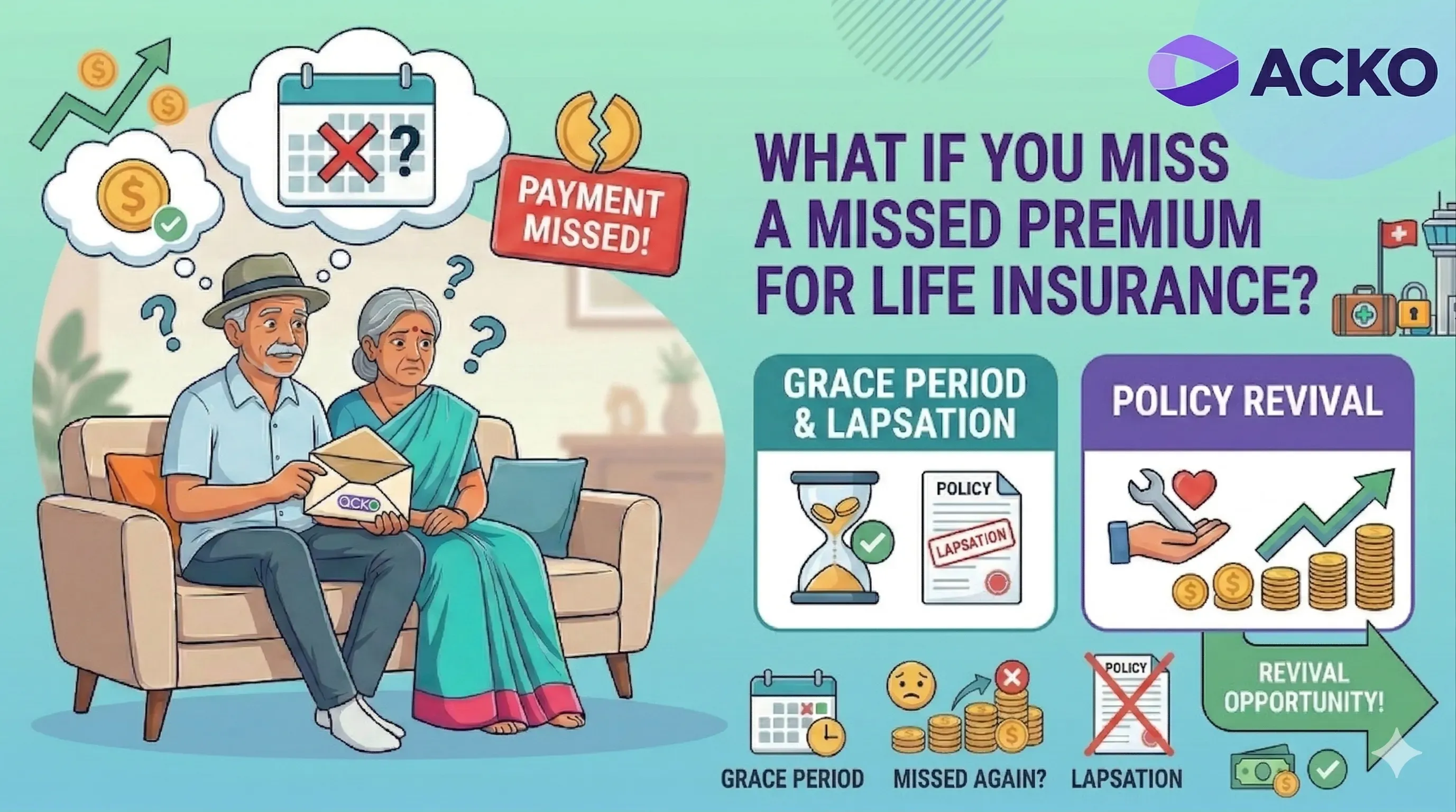
Before a policy officially lapses, it enters a grace period, usually lasting 30 to 31 days. During this window, the coverage remains in force despite the missed payment. If the insured passes away during the grace period, the insurer pays the death benefit minus the overdue premium. If the grace period expires, the policy is terminated. However, if the policy has accumulated cash value, the insurance company cannot simply pocket that money; they must offer specific options to the policyholder.
Exploring Life Settlements: Selling the Policy
One of the most lucrative alternatives to a lapse in 2026 is a life settlement. This involves selling an existing life insurance policy to a third party (usually an institutional investor) for a one-time cash payment. The payment is significantly higher than the policy’s cash surrender value but lower than the total death benefit.
Eligibility and Process
Life settlements are generally available to seniors (aged 65 or older) or individuals with significant health changes since the policy was issued. The investor takes over all future premium payments and eventually collects the death benefit.
The process involves:
- Valuation: A settlement provider reviews the policy's face value, premium costs, and the insured’s life expectancy.
- Offer: The provider makes an offer based on the "present value" of the future death benefit.
- Closing: Ownership and beneficiary rights are transferred to the investor, and the seller receives a lump sum.
Why Consider a Settlement?
In 2026, the life settlement market has become highly regulated and transparent. It is an ideal option if the policyholder no longer needs the coverage—perhaps their children are grown, or their estate is no longer subject to high taxes—and they would prefer to have liquidity for long-term care or retirement expenses. According to FINRA, it is vital to work with a licensed broker to ensure competitive bidding among providers.
Utilizing Contractual Non-Forfeiture Options
If you wish to stop paying premiums but still need some form of life insurance, your permanent policy likely contains non-forfeiture options. These are contractual rights that dictate what happens to the accumulated cash value if premiums cease.
Reduced Paid-Up Insurance
Under this option, the policy's accumulated cash value is used as a single premium to purchase a new policy with a lower death benefit. The primary advantage is that no further premiums are ever required. The policy remains in force for the rest of the insured's life. This is often the best choice for individuals who want to leave some inheritance or cover final expenses but can no longer afford the original monthly or annual payments.
Extended Term Insurance
This option uses the cash value to keep the full death benefit in place, but only for a specific period. The insurer calculates how long the current cash value can "buy" the existing coverage. Once that term expires, the policy ends. This is useful if the policyholder has a temporary need for high-level coverage (e.g., until a mortgage is paid off) but cannot continue premium payments.
Leveraging Built-In Policy Value
For policyholders who need to keep their full coverage but are facing temporary financial hardship, the cash value within a permanent policy can act as a financial cushion.
Policy Loans
Most permanent policies allow the owner to borrow against the cash value. Unlike a bank loan, there is no credit check, and the "repayment" is flexible. However, the insurer charges interest. If the loan plus interest exceeds the cash value, the policy will lapse. If the insured dies with an outstanding loan, the balance is deducted from the death benefit.
Automatic Premium Loan (APL)
The APL is a feature that can be activated to prevent an accidental lapse. If a premium is not paid by the end of the grace period, the insurer automatically takes a loan against the cash value to pay the premium. While this keeps the policy active, it can deplete the cash value over time if used repeatedly.
Partial Surrenders and Withdrawals
Some policies, particularly Universal Life (UL) or Variable Universal Life (VUL), allow for partial withdrawals of the cash value. This can provide immediate cash to pay premiums or other bills. However, withdrawals typically reduce the death benefit on a dollar-for-dollar basis and may have tax implications if the withdrawal exceeds the "basis" (the total premiums paid).
Modifying the Existing Policy
Sometimes, the best way to prevent a lapse is to change the terms of the policy to make it more affordable. This requires communication with the insurance carrier.
- Reduce the Death Benefit: By lowering the "face amount" of the policy, the cost of insurance (COI) drops. This can make the premiums significantly more manageable or allow the existing cash value to sustain the policy longer.
- Change Premium Frequency: Switching from monthly to annual payments sometimes results in a small discount. Conversely, if a large annual bill is the problem, switching to monthly electronic funds transfers (EFT) can help with budgeting.
- Eliminate Riders: Many policies have additional "riders" (like accidental death or waiver of premium) that carry extra costs. Removing these can lower the overall premium.
Comparison of Alternatives to Lapsing
| Option | Impact on Coverage | Impact on Premiums | Cash Received by Owner |
|---|---|---|---|
| Lapse | Coverage terminates immediately | Payments stop | None |
| Surrender | Coverage terminates immediately | Payments stop | Net Cash Value |
| Life Settlement | Coverage stays (Investor pays) | Payments stop | High (Market Value) |
| Reduced Paid-Up | Lower death benefit for life | Payments stop | None |
| Extended Term | Full death benefit for limited time | Payments stop | None |
| Policy Loan | Stays in force (minus loan balance) | Continued or deferred | Loan amount |
| Reduction of Face Value | Lower death benefit for life | Lower premiums | None |
Accelerated Death Benefits and Viatical Settlements
For individuals facing chronic or terminal illnesses in 2026, there are specialized ways to access policy benefits before death. These are not just "alternatives to lapse" but are essential tools for managing end-of-life costs.
Accelerated Death Benefits (ADBs) are riders often included in modern policies. They allow the insured to receive a portion of the death benefit early if diagnosed with a qualifying illness. This money can be used for medical bills or to pay premiums to keep the remainder of the policy in force.
Viatical Settlements are similar to life settlements but are specifically for the terminally or chronically ill. Because the life expectancy is shorter, the payout is typically a higher percentage of the death benefit than a standard life settlement. Under the Internal Revenue Code Section 101(g), viatical settlement proceeds are often tax-free for the terminally ill, making them a powerful financial alternative to letting a policy lapse.
Tax Considerations and Potential Pitfalls
Choosing an alternative to a lapse involves navigating complex tax rules. In 2026, the principle of "cost basis" remains central.
- Surrenders: If you surrender a policy, any cash received above the total premiums paid is taxed as ordinary income.
- Settlements: Life settlement taxation is tiered: the amount up to the cost basis is tax-free; the amount from the cost basis to the cash surrender value is taxed as ordinary income; and anything above that is taxed as a capital gain.
- Lapsing with a Loan: A "hidden" danger occurs when a policy with an outstanding loan lapses. The IRS treats the forgiven loan as a distribution, which can trigger a massive tax bill (often referred to as a "tax bomb") because the policyholder receives no actual cash to pay the tax.
It is highly recommended to consult with a tax professional before making a final decision on high-value policies.
Frequently Asked Questions
Can I reinstate a policy after it has lapsed?
Most insurance companies allow for reinstatement within three to five years of a lapse. However, you will typically have to pay all back premiums plus interest and provide "evidence of insurability," which means undergoing a new medical exam. If your health has declined, the insurer may deny the reinstatement.
What is the difference between surrendering a policy and a life settlement?
Surrendering a policy is returning it to the insurance company for its stated cash value. A life settlement is selling the policy to a third party on the open market. In 2026, life settlements often yield four to seven times more than the surrender value, depending on the insured's age and health.
How does a "Reduced Paid-Up" option affect my beneficiaries?
Your beneficiaries will still receive a death benefit, but it will be smaller than the original amount. The advantage is that the policy is guaranteed to stay in force until you pass away, regardless of how long you live, without you ever writing another check to the insurance company.
Is my term life insurance eligible for a life settlement?
Surprisingly, yes. If the term policy is "convertible" to a permanent policy, it can often be sold in a life settlement. The investor will convert the policy to a permanent form (like Universal Life) and take over the new, higher premium payments.
Will taking a policy loan affect my credit score?
No. Policy loans are secured by the cash value of the insurance contract itself. The insurance company does not report these loans to credit bureaus, and there is no legal obligation to pay them back on a set schedule, though interest will accrue.
Recommendation for Moving Forward
If you are currently facing a potential lapse, your first step should be to request an "In-Force Illustration" from your insurance company. This document will project how the policy will perform under different scenarios—such as reducing the death benefit or stopping premiums and using the cash value for an extended term.
Once you have the data, compare the internal options (Reduced Paid-Up, Extended Term) against the external market (Life Settlements). If the policy is no longer needed for protection, a life settlement usually provides the highest financial return. However, if some level of death benefit is still required for your family, a Reduced Paid-Up policy is often the most stable, stress-free path forward. Do not let the grace period expire without making a proactive choice; once the policy is gone, the leverage and value associated with your original health status at the time of purchase are lost forever.