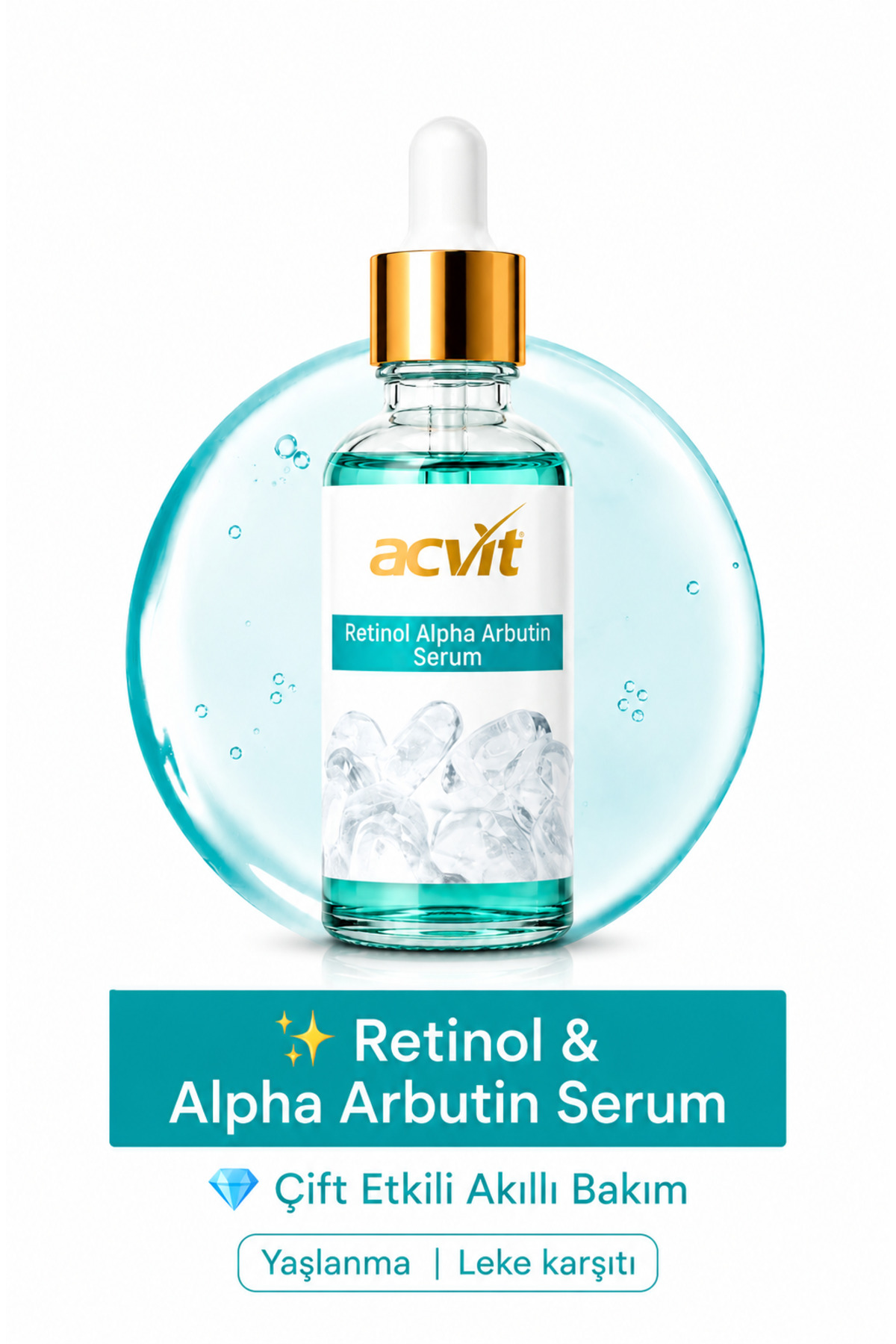
Yes, alpha arbutin and retinol work together exceptionally well to treat hyperpigmentation, fine lines, and uneven skin texture. Alpha arbutin suppresses melanin production at the source, while retinol accelerates cellular turnover to shed existing pigmented cells. This synergistic combination provides a comprehensive approach to achieving a brighter, more youthful complexion.
The Science of Synergistic Skincare: Alpha Arbutin and Retinol
To understand why alpha arbutin and retinol work together so effectively, one must look at the biological pathways they influence. Hyperpigmentation is a complex process involving the overproduction of melanin, the pigment responsible for skin color. Addressing this issue requires a multi-pronged strategy that targets both the creation of new pigment and the removal of existing dark spots.
Alpha arbutin is a naturally occurring derivative of hydroquinone, typically sourced from bearberry, cranberry, or blueberry plants. It functions as a competitive inhibitor of tyrosinase, the key enzyme responsible for the first steps of melanin synthesis. Unlike hydroquinone, which can be cytotoxic to melanocytes (pigment-producing cells), alpha arbutin releases its active component slowly, making it significantly gentler and safer for long-term use in 2026 skincare formulations. By binding to the active site of tyrosinase, it prevents the enzyme from converting tyrosine into melanin, effectively "turning down the volume" on pigment production.
Retinol, a gold-standard derivative of Vitamin A, operates deeper within the skin. Once absorbed, it undergoes a metabolic conversion into retinaldehyde and finally into retinoic acid. Retinoic acid communicates with skin cells to increase the rate of mitosis (cell division). This accelerated cellular turnover forces older, damaged, and hyperpigmented cells in the stratum corneum to shed more rapidly, replaced by fresh, healthy cells from the deeper layers.
When these two ingredients are combined, they create a "pincer maneuver" on skin discoloration. Alpha arbutin prevents the "ink" from being manufactured, while retinol ensures that any "ink" already present in the skin is scrubbed away faster. This dual action is why many dermatologists recommend the pairing for persistent issues like melasma, post-inflammatory hyperpigmentation (PIH), and solar lentigines (age spots).
Addressing Specific Skin Concerns
The combination of alpha arbutin and retinol is not a one-size-fits-all solution; rather, it is a versatile duo that addresses several distinct dermatological concerns simultaneously.
Chronic Hyperpigmentation and Melasma
Melasma is often triggered by hormonal fluctuations and exacerbated by UV exposure. It is notoriously difficult to treat because the pigment often resides in both the epidermal and dermal layers. Alpha arbutin is particularly valued here because it can be used continuously without the risk of ochronosis (a bluish-black discoloration sometimes associated with long-term hydroquinone use). In 2026, many clinical studies have reaffirmed that combining a tyrosinase inhibitor like alpha arbutin with a retinoid provides superior clearance of melasma patches compared to using either ingredient alone.
Post-Inflammatory Hyperpigmentation (PIH)
PIH occurs after an injury or inflammation, such as acne. The skin overproduces melanin as a healing response, leaving behind a dark mark. Retinol is highly effective at reducing the occurrence of the initial acne by keeping pores clear, while alpha arbutin works to lighten the marks left behind. Because retinol can sometimes cause initial irritation (which could theoretically trigger more PIH in sensitive skin types), the soothing, non-irritating nature of alpha arbutin helps balance the routine.
Fine Lines and Photoaging
While alpha arbutin focuses on tone, retinol is the heavy lifter for texture. Retinol stimulates the production of collagen and elastin, the structural proteins that keep skin firm and "bouncy." By thickening the deeper layers of the skin (the dermis) and thinning the dead outer layer, retinol minimizes the appearance of fine lines and wrinkles. The brightening effect of alpha arbutin complements this by restoring the "radiance" often lost with age, making the skin appear more vibrant and healthy.
Designing Your 2026 Skincare Routine: How to Layer
Successful integration of these actives requires a structured approach to minimize the risk of irritation, particularly during the "retinization" phase—the period where the skin adjusts to Vitamin A.
The Morning (AM) Routine
Alpha arbutin is non-photosensitizing, meaning it does not make your skin more sensitive to the sun. In fact, its antioxidant properties can provide a secondary layer of protection against UV-induced pigment triggers.
- Cleanser: Use a gentle, pH-balanced cleanser.
- Alpha Arbutin Serum: Apply to clean, slightly damp skin.
- Moisturizer: Lock in hydration.
- Sunscreen (SPF 30+): This is non-negotiable. Retinol used the night before makes the skin more vulnerable to UV damage, which can undo all the brightening benefits of alpha arbutin.
The Evening (PM) Routine
The night is when the skin focuses on repair. This is the optimal time for retinol.
- Double Cleanse: Remove sunscreen and environmental pollutants.
- Alpha Arbutin Serum: You can apply alpha arbutin again in the evening to maximize results.
- Retinol: Apply a pea-sized amount. If you have sensitive skin, use the "sandwich method"—apply moisturizer, then retinol, then moisturizer again.
- Barrier Cream: Use a cream rich in ceramides or fatty acids to support the skin's lipid barrier.
Wait Times: While modern 2026 formulations are often pH-optimized, it is still beneficial to wait 5–10 minutes after applying alpha arbutin before applying retinol. This ensures the first product has fully penetrated the stratum corneum and prevents "pilling" of the products.
Comparison of Alpha Arbutin and Retinol
The following table outlines the key differences and functional roles of each ingredient to help you understand their individual contributions to your regimen.
| Feature | Alpha Arbutin | Retinol (Vitamin A) |
|---|---|---|
| Primary Function | Skin Brightening / Pigment Inhibition | Cell Turnover / Anti-Aging |
| Mechanism of Action | Tyrosinase Inhibition | Binds to Retinoid Receptors |
| Irritation Potential | Very Low | Moderate to High |
| Best For | Dark spots, Melasma, PIH | Wrinkles, Acne, Texture, Dullness |
| Usage Frequency | 1-2 times daily | 2-4 times weekly (starting) |
| Sun Sensitivity | None (Neutral) | Increases sensitivity (Photosensitizer) |
| Common Derivatives | Beta Arbutin, Deoxyarbutin | Retinal, Tretinoin, Adapalene |
Potential Side Effects and Safety Precautions
While alpha arbutin and retinol work together harmoniously for most, there are specific precautions to keep in mind, particularly regarding the potency of modern retinoids.
The Retinol Purge
When starting retinol, some users experience a "purge," where underlying congestion comes to the surface in the form of breakouts. This is a sign of increased cell turnover and usually subsides within 4–6 weeks. Alpha arbutin does not cause purging. If you experience significant redness, peeling, or stinging that lasts more than a few days, you may be using the retinol too frequently or at too high a concentration.
Skin Barrier Compromise
Retinol can temporarily weaken the skin's barrier as it thins the stratum corneum. If the barrier is compromised, the skin may become reactive to ingredients it previously tolerated. During this time, alpha arbutin remains safe, but you should prioritize hydration. Look for ingredients like niacinamide or centella asiatica to soothe the skin while these actives do their work.
Storage and Stability
Both ingredients are sensitive to environmental factors. Retinol is highly unstable and degrades when exposed to light and air. In 2026, most high-quality products use airless pumps or opaque packaging. Alpha arbutin is more stable but should still be kept in a cool, dark place to maintain its efficacy over its shelf life.
Formulations: Separate vs. Combined Products
In the current 2026 skincare market, consumers often choose between using two separate serums or a single "multi-active" formula.
Separate Products: The primary advantage of using separate serums is the ability to control the concentration of each. If your skin is feeling particularly dry, you can skip the retinol for a night while continuing with the alpha arbutin. This approach is generally recommended for beginners or those with reactive skin.
Combined Formulations: Many laboratories now produce stabilized, all-in-one serums containing both alpha arbutin and encapsulated retinol. These are formulated to ensure the pH levels are compatible and the ingredients do not interfere with each other’s absorption. This is a convenient option for those who have already built up a tolerance to Vitamin A and want a streamlined routine.
Expected Timeline for Results
Patience is the most critical component of any skincare journey involving these ingredients. Skin cells typically take 28 to 40 days to renew themselves, and this process slows down as we age.
- 2–4 Weeks: You may notice an improvement in skin smoothness and "glow" as retinol begins to shed the outermost dead cells.
- 8–12 Weeks: This is the "magic window" where the effects of alpha arbutin become visible. Dark spots begin to fade, and the overall skin tone appears more even.
- 6 Months+: Significant reduction in fine lines and deeper hyperpigmentation. This is also when the collagen-boosting effects of retinol become structurally apparent in the skin's firmness.
According to research published by the American Academy of Dermatology, consistency is the primary factor in the success of hyperpigmentation treatments. Skipping days or failing to use sunscreen can reset your progress, as even a single day of unprotected sun exposure can re-trigger tyrosinase activity.
Frequently Asked Questions
Can I use Alpha Arbutin and Retinol if I have sensitive skin?
Yes, but you should introduce them slowly. Alpha arbutin is generally very well tolerated even by sensitive skin. Retinol, however, should be introduced at a low concentration (0.1% to 0.3%) and used only twice a week initially. The "sandwich method" mentioned earlier is an excellent way to buffer the retinol and reduce irritation while still benefiting from the combination.
Is Alpha Arbutin safer than Hydroquinone?
Alpha arbutin is widely considered a safer alternative to hydroquinone for long-term use. While hydroquinone is a gold standard for lightening, it can cause "rebound hyperpigmentation" or ochronosis if used for more than three to four months consecutively. Alpha arbutin provides similar brightening benefits by inhibiting the same enzyme but without the same risk of permanent skin damage or toxicity.
Can I use Vitamin C with Alpha Arbutin and Retinol?
You can, but timing is essential. Vitamin C (L-ascorbic acid) is best used in the morning because it is a potent antioxidant that neutralizes free radicals from UV rays and pollution. Use Vitamin C and Alpha Arbutin in the morning, and keep Retinol for the evening. Avoid using high-strength Vitamin C and Retinol in the same application, as this significantly increases the risk of irritation and may destabilize the ingredients.
Will this combination help with old acne scars?
It depends on the type of scar. For "pigmented scars" (PIH), the answer is a resounding yes. The combination will effectively fade the dark marks left behind by acne. However, for "atrophic scars" (depressions, ice-pick, or boxcar scars), these ingredients will help slightly by boosting collagen, but they generally cannot "fill in" deep indentations. Professional treatments like microneedling or laser therapy may be required for structural scarring.
Does Alpha Arbutin expire?
Like most active ingredients, alpha arbutin has a shelf life, typically 12 to 24 months depending on the formulation. If the serum changes color (turning dark brown or orange) or develops an unusual odor, the active ingredients may have oxidized and will be less effective. Always check the "period after opening" (PAO) symbol on your product packaging.
Final Recommendation
To achieve the best results when alpha arbutin and retinol work together, prioritize skin barrier health and sun protection. Start by integrating a 2% alpha arbutin serum into your morning and evening routines. Once your skin is comfortable, introduce a low-strength retinol (0.2% or 0.5%) three evenings a week. As your skin adapts over several months, you can increase the frequency of retinol application. Always use a high-spectrum SPF during the day to protect your progress and prevent further pigmentation. If you experience persistent irritation, consult a board-certified dermatologist to tailor a regimen to your specific skin needs.