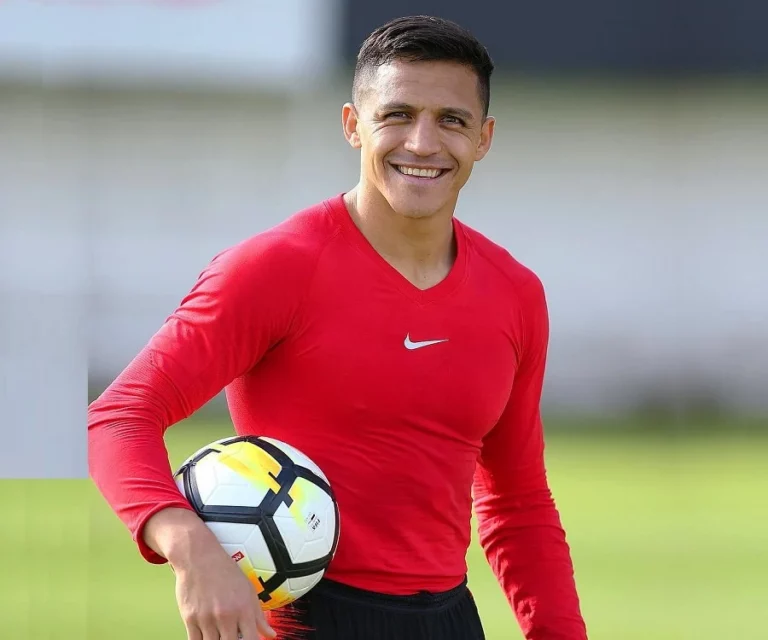
Alexis Sánchez has accumulated an estimated net worth between $20 million and $30 million, built through lucrative professional football contracts in top European and South American leagues, international success with the Chile national team, and prominent global endorsement deals with brands like Nike.
Evaluating the financial trajectory of a world-class professional athlete requires examining the evolution of their income from modest beginnings to elite European contracts. For Alexis Sánchez, known globally as El Niño Maravilla (The Wonder Child), his journey from the streets of Tocopilla, Chile, to the upper echelons of global football represents a remarkable financial transformation. Understanding the components of his net worth involves analyzing his formative years, his record-breaking club transfers, wage structures at elite clubs, commercial endorsements, and the broader financial considerations that shape modern athletic wealth.
Humble Beginnings and Early Career Foundations
Long before signing multi-million-dollar contracts in Europe, Alexis Sánchez grew up in difficult economic circumstances in Tocopilla, a northern port city in Chile. Raised in a household with limited financial resources, football served as both a passion and a potential avenue for social mobility. Early biographical accounts frequently note that Sánchez played barefoot on dusty pitches and performed small odd jobs, such as washing cars or performing street acrobatics, to help support his family.
His exceptional natural talent quickly drew the attention of local scouts, leading him to join the youth ranks of Cobreloa, one of Chile’s prominent football clubs. At Cobreloa, Sánchez transitioned from a local prodigy to a professional prospect. He made his senior debut for the club in 2005 at the age of 16. While wages in the Chilean Primera División are modest compared to European standards, this foundational period provided the exposure necessary to attract international talent scouts. His rapid development caught the eye of Udinese Calcio, an Italian Serie A club known for scouting and acquiring young South American talent, which purchased his registration rights in 2006 for a reported fee of around $3 million.
The European Stepping Stone: Udinese and River Plate
Upon signing with Udinese, Sánchez did not immediately join the Italian squad. To aid his adaptation to European football and secure consistent playing time, Udinese loaned him out to Colo-Colo in Chile and subsequently to River Plate in Argentina.
During his spell at River Plate (2007–2008), Sánchez gained valuable experience playing in high-pressure environments, winning the Argentine Primera División Clausura tournament in 2008. His earnings during this phase, while rising significantly compared to his Cobreloa days, were still modest relative to the compensation he would later command. However, this period served as a critical operational bridge.
Upon returning to Udinese ahead of the 2008–2009 season, Sánchez established himself as a dynamic, explosive winger and forward. Over three seasons in Serie A, his performances steadily improved, culminating in a stellar 2010–2011 campaign where he helped Udinese secure a fourth-place finish and qualification for the UEFA Champions League. His market valuation skyrocketed, setting the stage for a high-profile transfer that would fundamentally alter his personal earnings and net worth profile.
The Financial Leap: Barcelona and Arsenal
In the summer of 2011, FC Barcelona completed the transfer of Alexis Sánchez for a reported initial fee of €26 million, plus performance-related variables. This move marked his entry into the upper tier of football compensation. At Barcelona, playing alongside world-class talent under managers like Pep Guardiola, Sánchez secured major team honors, including a La Liga title and the Copa del Rey. His salary at Camp Nou placed him firmly among elite earners, though it was his subsequent move to the English Premier League that maximized his peak earning potential.
| Club / Team | Primary Years Active | Estimated Salary Tier |
|---|---|---|
| Cobreloa | 2005–2006 | Youth / Domestic Base |
| Udinese | 2008–2011 | Mid-Tier European |
| FC Barcelona | 2011–2014 | Elite European |
| Arsenal FC | 2014–2018 | Star Player Wages |
| Manchester United | 2018–2020 | Maximum Peak Wages |
| Inter Milan | 2019–2022, 2023–2024 | Reduced / Restructured |
In July 2014, Arsenal signed Sánchez for a fee reported to be around £31.7 million. During his three and a half seasons at the Emirates Stadium, he became the club’s talisman, delivering prolific goal-scoring numbers and winning consecutive FA Cups. To retain his services amidst interest from rival clubs, Arsenal elevated his salary, making him one of the highest-paid players in the Premier League at the time, earning an estimated base wage upwards of £130,000 to £150,000 per week, exclusive of performance bonuses.
Peak Earnings at Manchester United and Subsequent Moves
The financial high-water mark of Sánchez’s club career occurred in January 2018 when he moved to Manchester United in a high-profile player-swap deal involving Henrikh Mkhitaryan. The agreement made global headlines due to the extraordinary financial package involved. While no traditional transfer fee was paid, Sánchez signed a lucrative contract that reportedly paid him a base weekly wage of approximately £350,000 to £400,000, bolstered by substantial signing bonuses and image rights agreements.
Despite the immense financial terms, his sporting output at Old Trafford did not match expectations, leading to a loan move to Inter Milan in 2019 and a permanent, free-transfer departure in 2020. To facilitate the move to Italy, Sánchez agreed to a significant reduction in his base salary, illustrating how elite player earnings often transition downward as players move past their peak physical years. His subsequent stints included returning to Inter Milan for the 2023–2024 season and joining Udinese again in the summer of 2024, moves characterized by more modest, performance-aligned wage structures.
International Success and Endorsement Portfolio
Beyond club football, Sánchez’s financial standing has been heavily influenced by his historic career with the Chile national team (La Roja). As Chile's all-time leading appearance maker and goalscorer, he played a central role in winning consecutive Copa América titles in 2015 and 2016. Success on the international stage not only brings national prestige and tournament bonuses but also elevates a player's global marketability.
Endorsements form a vital secondary pillar of any professional athlete's net worth. Throughout his career, Sánchez has maintained a lucrative, long-term boot and apparel partnership with sportswear giant Nike. Additionally, his immense popularity in South America and Europe has attracted regional and global endorsement contracts ranging from consumer electronics to financial services. While exact figures for these private commercial agreements are rarely published in full, star players of his stature historically command multi-million-dollar annual portfolios during their prime commercial years.
Financial Management, Taxation, and Asset Protection
Accumulating an estimated net worth in the tens of millions requires sophisticated financial planning, wealth management, and navigation of complex international tax jurisdictions. Professional footballers who play across Chile, Italy, Spain, England, and France encounter vastly different tax frameworks, ranging from high progressive income tax rates in the United Kingdom and Spain to specialized tax regimes for foreign athletes in Italy.
Furthermore, managing image rights—the commercial value of a player's name, likeness, and persona—is a standard practice in European football. Players often establish dedicated corporate entities to handle endorsement revenue, separating commercial income from standard club employment wages. While these structures optimize tax efficiency, they also incur significant legal, accounting, and administrative overhead. Prudent wealth preservation also typically involves real estate acquisitions, such as properties in Chile and Europe, and diversified investment portfolios managed by specialized sports financial advisors.
Frequently Asked Questions
What is Alexis Sánchez's estimated net worth?
Alexis Sánchez has an estimated net worth between $20 million and $30 million. This figure reflects cumulative earnings from high-profile club contracts in England, Spain, and Italy, international performance bonuses, and global endorsement agreements, balanced against career-long tax obligations and management expenses.
Which club paid Alexis Sánchez the highest salary?
Manchester United paid Sánchez the highest salary of his career when he joined the club in January 2018. His contract featured a base weekly wage reported between £350,000 and £400,000, making him one of the highest-paid players in the Premier League during that period.
How much did Alexis Sánchez earn from endorsements?
While specific figures for individual deals remain private, Sánchez earned significant sums through a long-term global partnership with Nike, alongside various regional commercial sponsorships in South America and Europe. During his peak years at Barcelona and Arsenal, endorsements contributed substantially to his annual income.
Did Alexis Sánchez pay high taxes on his European earnings?
Yes. Professional athletes playing in European leagues like the English Premier League, Spanish La Liga, and Italian Serie A are subject to top-bracket income tax rates, often exceeding 40% to 45% on their primary employment earnings, alongside specialized corporate taxation for image rights revenues.
What are the main sources of income for professional footballers after their playing peak?
Post-career income for elite players typically derives from coaching roles, media punditry, brand ambassadorships, and returns on real estate and private investments accumulated and managed during their active playing years.
Practical Next Steps and Wealth Preservation for Athletes
For aspiring athletes, sports management professionals, and observers analyzing sports economics, the financial career trajectory of Alexis Sánchez underscores several timeless principles:
- Talent Identification and Early Development: Accessing elite scouting networks early is critical, but foundational discipline determines long-term viability.
- Contract Structuring: Elite players must balance high short-term base wages with long-term image rights protection and diversified investment portfolios.
- Cross-Border Tax Compliance: International careers require proactive, expert legal and financial oversight to navigate differing regulatory environments across multiple continents.