Alex Ramsey’s role in Game of Thrones primarily involved his work as a specialized stunt performer and creature actor, most famously portraying White Walkers and Wights. He was a crucial part of the show’s elite stunt team, contributing to massive sequences like the Battle of the Bastards and the grueling Battle of Winterfell.
The legacy of HBO’s Game of Thrones is often discussed through the lens of its lead actors—the Kit Haringtons and Emilia Clarkes of the world. However, the visceral, gritty reality of Westeros was built on the backs of a dedicated team of stunt performers and character actors who remained largely unrecognizable under layers of silicone, fake blood, and heavy armor. Among these essential contributors is Alex Ramsey, a professional stuntman whose physical prowess and ability to perform under extreme conditions helped define the show’s most terrifying antagonists.
As of 2026, looking back at the decade-long impact of the series, Ramsey’s contributions serve as a primary example of the "unsung hero" in high-budget fantasy television. Understanding his role requires looking beyond the credits and into the technical mastery of creature performance and high-stakes stunt coordination.
The Physicality of the White Walkers
When viewers think of the White Walkers, they think of the icy, silent harbingers of death. While the Night King was portrayed by Richard Brake and later Vladimir Furdik (who was also a stunt coordinator), the ranks of the White Walker "generals" required actors who could maintain a specific, predatory presence while wearing incredibly restrictive prosthetics.
Alex Ramsey was one of the few performers trusted with the role of a White Walker. This was not a simple background extra position; it was a "suit-acting" role that demanded immense physical discipline.
The Prosthetic Transformation Process
The process of becoming a White Walker was a marathon in itself. Under the direction of prosthetics designer Barrie Gower, Ramsey and his colleagues would spend between four and seven hours in the makeup chair before a single frame was filmed. This involved:
- Silicone Applicators: Multiple pieces of medical-grade silicone glued to the face and neck to allow for realistic muscle movement.
- Contact Lenses: Large, hand-painted lenses that often restricted the performer's peripheral vision.
- Full-Body Suits: Layers of weathered "ancient" armor and synthetic skin that added significant weight and heat.
Ramsey’s ability to move naturally under these constraints was vital. The White Walkers were designed to be "otherworldly" yet physically formidable. They didn't just walk; they glided with a menacing economy of motion. Ramsey’s background in stunts allowed him to execute this specific movement style while managing the physical exhaustion of long shoots in the cold environments of Northern Ireland.
Key Sequences and Episodes
Alex Ramsey’s filmography within Game of Thrones spans several of the most technically demanding episodes in television history. His work as a stunt performer and creature actor placed him at the center of the show's most complex action choreography.
Hardhome (Season 5, Episode 8)
Often cited as one of the best battle sequences ever filmed, "Hardhome" introduced the true scale of the Army of the Dead. Ramsey was part of the core group of performers who portrayed the initial wave of Wights and White Walkers. This episode required stuntmen to perform "falls," high-speed sprints through deep mud, and complex hand-to-hand combat with the series' leads. The "Hardhome" shoot was notorious for its freezing rain and treacherous terrain, where Ramsey’s professional training ensured that the chaos on screen remained safe for the main cast while looking lethal to the audience.
The Battle of the Bastards (Season 6, Episode 9)
While Ramsey is best known for his creature work, he was also a staple of the show's human combat sequences. In the "Battle of the Bastards," the stunt team had to coordinate a "crush"—a sequence where hundreds of soldiers are packed into a claustrophobic, suffocating pile. Ramsey’s role in these sequences involved high-level safety awareness. Stunt performers in the "crush" had to simulate panic and physical struggle while ensuring that no one was actually injured by the weight of the bodies or the trampling of horses nearby.
The Long Night (Season 8, Episode 3)
The climax of the White Walker narrative, "The Long Night," was filmed over 55 consecutive night shoots. Ramsey was again on the front lines, both as a member of the Army of the Dead and as a stunt double where needed. This production pushed the stunt department to its absolute limit. Performers had to deal with smoke machines, low visibility, and sub-zero temperatures for weeks on end. Ramsey’s endurance during this period is a testament to the high standards required by the Game of Thrones production team.
Clarifying the "Ramsey" Name Ambiguity
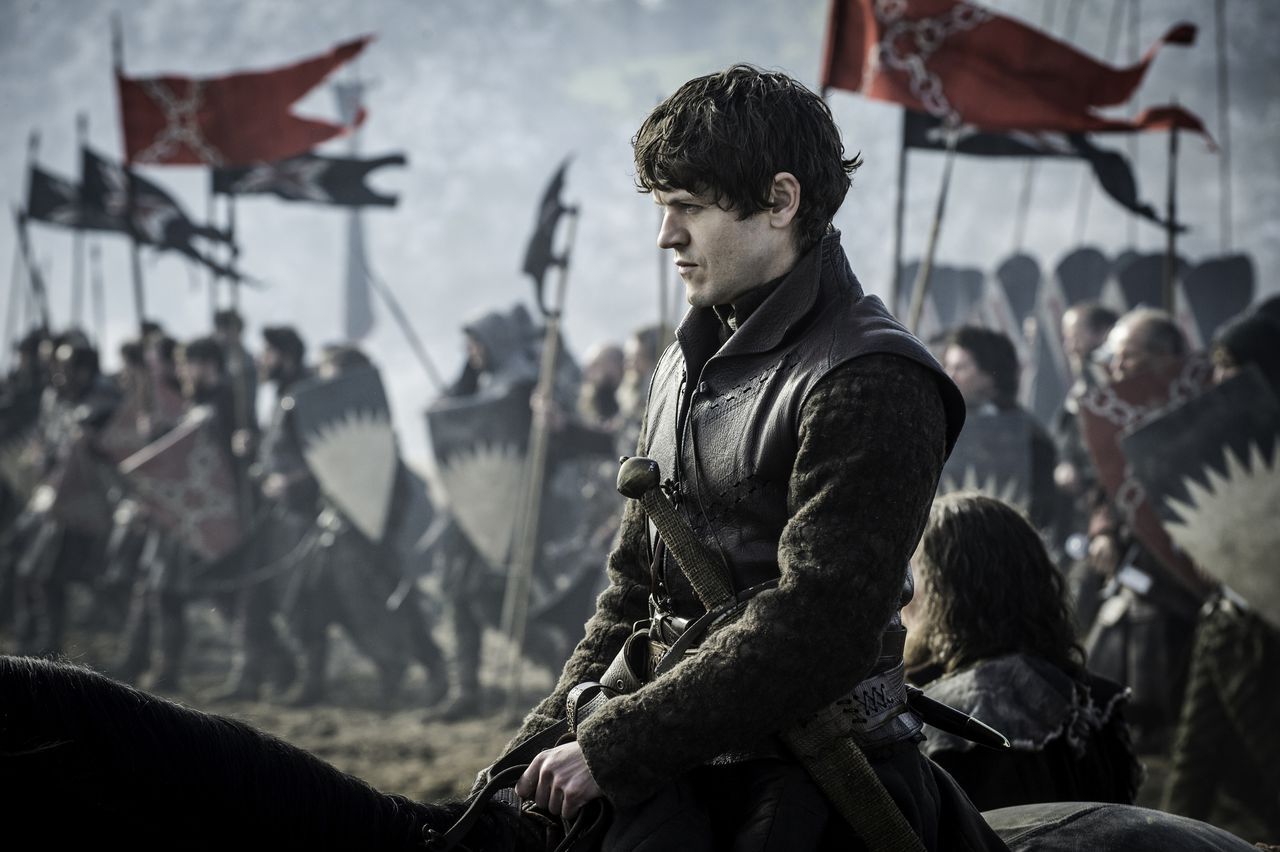
A common point of confusion among casual fans is the overlap between the name "Alex Ramsey" and the character "Ramsay Bolton" (played by Iwan Rheon). It is important to distinguish that Alex Ramsey is a real-world professional stunt actor and was not the performer behind the sadistic Warden of the North.
However, the coincidence in names often leads researchers to find Alex Ramsey’s credits when looking for information on the Bolton family. While they share a name, their roles were diametrically opposed: one was the face of human villainy, while the other was the physical engine behind the supernatural threat of the White Walkers. In the tight-knit world of the Game of Thrones set, the stunt team and the principal actors often worked in tandem, but Ramsey’s work was almost entirely focused on the technical and physical execution of action rather than dialogue-heavy scenes.
The Technical Depth of Stunt Work in Westeros
To appreciate Alex Ramsey’s role, one must understand the hierarchy and technical requirements of a Game of Thrones stunt performer. The show didn't just hire "extras" for its battles; it employed a tiered system of professional athletes, martial artists, and veteran stuntmen.
| Role Category | Typical Requirements | Alex Ramsey’s Involvement |
|---|---|---|
| Principal Stunt Performer | High-level combat, horse work, and wire-work. | Involved in major battle choreography (Bastards, Winterfell). |
| Creature Actor | Ability to perform in heavy prosthetics for 12+ hours. | Portrayed White Walkers and high-functioning Wights. |
| Utility Stunts | General combat, falls, and environmental stunts. | Consistent presence in large-scale skirmishes across multiple seasons. |
| Safety/Spotter | Ensuring lead actors are safe during pyro or animal sequences. | Part of the integrated safety team during complex night shoots. |
The Training Regimen
Stunt performers like Ramsey underwent rigorous "boot camps" before filming began. For Game of Thrones, this included:
- Sword Mastery: Learning the specific fighting styles of different cultures (Wildlings vs. White Walkers vs. Westerosi Knights).
- Reaction Training: Perfecting the "hit"—making a blunt prop sword look like a lethal blow without causing injury.
- Environmental Conditioning: Training to move in the heavy mud and uneven terrain of the Northern Irish countryside, which was often slick with artificial snow and blood.
Life as a Stunt Professional in 2026
By 2026, the industry standard for stunt performance has evolved, but the foundations laid by performers like Alex Ramsey during the Game of Thrones era remain the gold standard. Ramsey’s career didn't end with the fall of the Wall. His experience on such a massive production served as a springboard into other major franchises.
Professional stunt actors of Ramsey's caliber are often "lifers" in the industry, moving from Game of Thrones to projects like The Witcher, Star Wars, and the Marvel Cinematic Universe. Their role is to provide the "physical truth" of a scene. When a White Walker was shattered by Dragonglass, or a Wight fell from a height, it was Ramsey’s expertise that made the moment feel impactful.
In the current landscape of 2026, where CGI and AI-generated stunts are becoming more common, the work of physical performers like Ramsey is increasingly valued for its authenticity. There is a weight and a "real-world" physics to his movements that digital doubles struggle to replicate.
Why Ramsey’s Role Matters to the Fandom
While he may not have a "House" or a sigil, Alex Ramsey represents the thousands of hours of labor that go into a few minutes of television. For fans of the lore, his role as a White Walker is particularly significant because those characters were the primary mystery of the series for seven seasons.
Every time a White Walker appeared on screen, they had to be terrifying. If the actor inside the suit moved too much like a normal human, or if they looked uncomfortable in the prosthetics, the illusion of the "Great Other" would be broken. Ramsey’s disciplined performance ensured that the White Walkers remained a credible, chilling threat until their eventual defeat.
Frequently Asked Questions
Did Alex Ramsey play Ramsay Bolton?
No. Ramsay Bolton was played by the Welsh actor Iwan Rheon. Alex Ramsey is a professional stunt performer and actor who worked on the show, primarily playing White Walkers, Wights, and performing stunts in major battle sequences. The similarity in names is purely coincidental.
What is the difference between a stunt performer and an extra?
An extra (or "background artist") typically fills out a scene and does not perform dangerous or highly choreographed movements. A stunt performer like Alex Ramsey is a trained professional responsible for combat, falls, and specialized physical acting (like creature work). Stunt performers are also covered by different insurance and union regulations due to the risks involved.
How many episodes was Alex Ramsey in?
While exact "on-screen" counts are difficult for stunt performers who play multiple masked or prosthetic roles, Ramsey is credited with work across several seasons, most notably from Season 5 through Season 8. He was a consistent part of the "core" stunt team used for the largest production blocks.
Was the White Walker makeup real or CGI?
It was a combination of both, but primarily physical prosthetics. Performers like Alex Ramsey wore full silicone suits and facial appliances. CGI was used to add the glowing blue "ice" effect to the eyes and occasionally to enhance the frozen texture of the skin, but the physical presence and movement were entirely the work of the actors.
How dangerous was the stunt work on Game of Thrones?
The Game of Thrones stunt department, led by Rowley Irlam, was one of the most decorated in history, winning multiple Emmys and SAG Awards for their safety and execution. While the sequences—such as being set on fire or falling from horses—are inherently dangerous, performers like Ramsey undergo years of training to minimize risk.
Summary of Impact
Alex Ramsey’s role in Game of Thrones was that of a physical specialist. By embodying the White Walkers and braving the brutal filming conditions of Northern Ireland, he helped create the visual language of the show’s supernatural elements. His work serves as a reminder that the most iconic monsters in television history are often brought to life by dedicated professionals working behind a mask of silicone and ice. For those looking to understand the technical "how" of Game of Thrones, studying the contributions of the stunt team is the best place to start.