Taking Aleve (naproxen) and Plavix (clopidogrel) together significantly increases the risk of serious internal bleeding, particularly within the gastrointestinal tract. Because both medications interfere with blood clotting—through different biological pathways—their combined use can lead to life-threatening hemorrhages and should only be managed under strict medical supervision using protective strategies.
The interaction between Aleve and Plavix is a critical concern for patients managing cardiovascular conditions alongside chronic pain or inflammation. As of 2026, clinical guidelines from major health organizations continue to emphasize the dangers of "dual therapy" involving nonsteroidal anti-inflammatory drugs (NSAIDs) and antiplatelet agents. Understanding why these two drugs clash, the symptoms of a dangerous interaction, and the available alternatives is essential for patient safety and effective long-term treatment.
The Pharmacological Profile of Aleve and Plavix
To understand why the interaction between Aleve and Plavix is so potent, one must first look at how each medication functions independently within the body. While both are used to manage aspects of blood health and inflammation, they target different enzymes and receptors.
What is Aleve (Naproxen)?
Aleve is a non-selective nonsteroidal anti-inflammatory drug (NSAID). It works by inhibiting the enzymes cyclooxygenase-1 (COX-1) and cyclooxygenase-2 (COX-2). These enzymes are responsible for the production of prostaglandins, which are chemicals that signal pain and cause inflammation.
However, prostaglandins also play a vital role in protecting the stomach lining and maintaining normal kidney function. By blocking COX-1, Aleve reduces the protective mucus in the stomach, making the lining more susceptible to acid damage. Furthermore, Aleve has a reversible inhibitory effect on platelets by blocking thromboxane A2, a substance necessary for blood clotting. This means Aleve, on its own, increases bleeding time and the risk of stomach ulcers.
What is Plavix (Clopidogrel)?
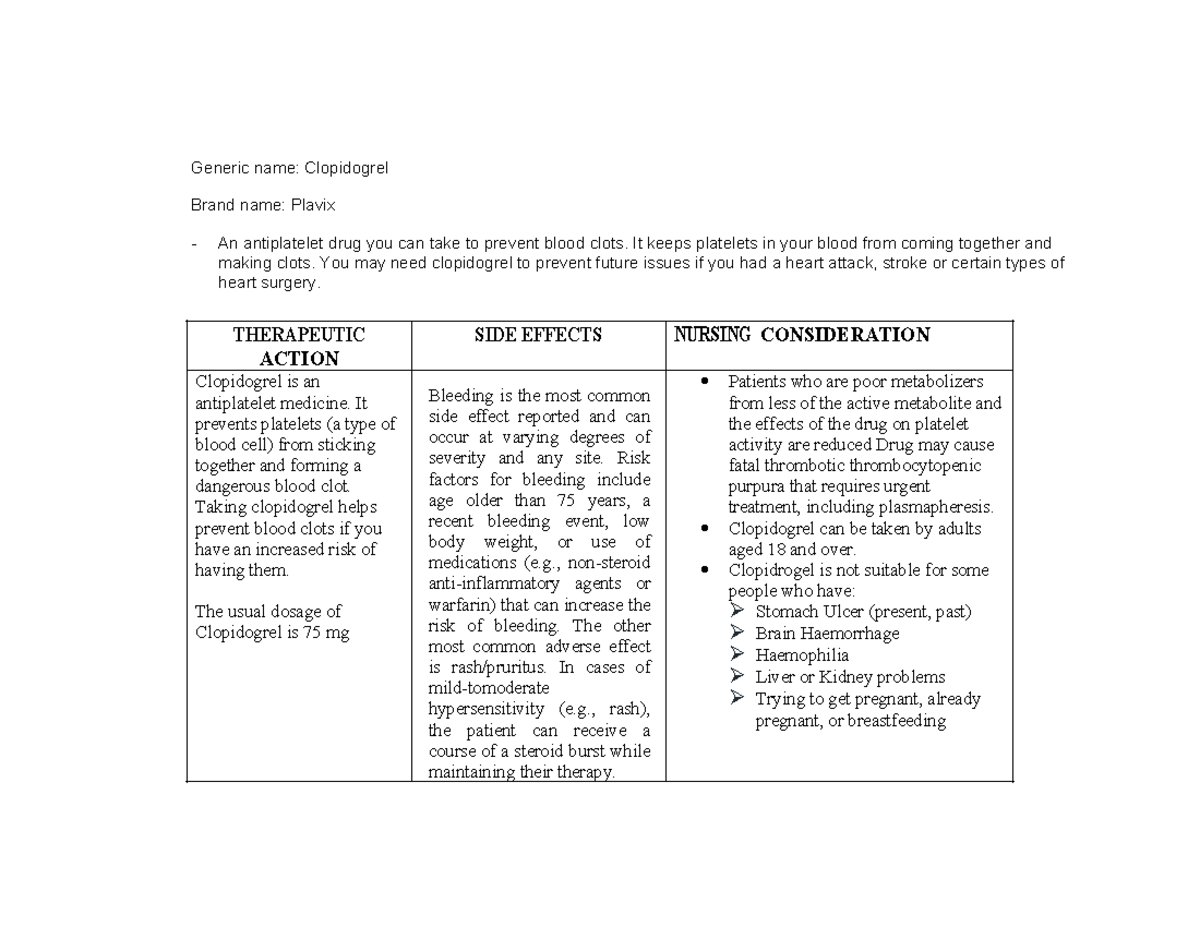
Plavix is an antiplatelet medication, specifically a P2Y12 adenosine diphosphate (ADP) receptor antagonist. It is typically prescribed to prevent blood clots in patients who have recently suffered a heart attack or stroke, or those who have had stents placed in their coronary arteries.
Unlike Aleve, which affects the COX pathway, Plavix works by permanently preventing platelets from "sticking" together to form a clot. This is crucial for preventing a secondary cardiovascular event, but it means the body’s primary defense against bleeding is significantly dampened for the lifespan of the platelet (approximately 7 to 10 days).
The Mechanism of the Drug Interaction
The interaction between Aleve and Plavix is categorized as a pharmacodynamic interaction. This means the drugs do not necessarily change how the other is absorbed or metabolized by the liver; instead, their effects on the body overlap and amplify one another in a dangerous way.
Synergistic Bleeding Risk
When Plavix and Aleve are taken concurrently, the body faces a "double hit" to its coagulation system. Plavix inhibits the ADP-induced pathway of platelet aggregation, while Aleve inhibits the thromboxane-dependent pathway. Because these are the two primary ways platelets activate to stop bleeding, blocking both simultaneously leaves the patient with very little ability to form a clot when a blood vessel is damaged.
Gastrointestinal Vulnerability
The most common site for serious complications is the gastrointestinal (GI) tract. The interaction creates a perfect storm for GI bleeding:
- Direct Irritation: Aleve causes direct chemical irritation to the stomach lining.
- Loss of Protection: By inhibiting COX-1, Aleve reduces the production of protective gastric mucus and bicarbonate.
- Impaired Healing: If a small "micro-bleed" or a minor ulcer occurs due to the Aleve, the Plavix prevents the blood from clotting at the site. This prevents the ulcer from healing and can turn a minor irritation into a massive, life-threatening hemorrhage.
Research indicates that patients taking this combination are several times more likely to experience a "major bleed"—one requiring hospitalization or blood transfusions—compared to patients taking Plavix alone.
Identifying Signs and Symptoms of a Serious Interaction
Patients who must take both medications under a doctor's orders should be extremely vigilant. Symptoms of internal bleeding can sometimes be subtle before becoming an emergency.
- Gastrointestinal Bleeding: This may manifest as "coffee-ground" emesis (vomiting blood that looks like dark coffee grounds) or melena (stools that are black, tarry, and foul-smelling). Bright red blood in the stool or vomit is a sign of an acute, active bleed.
- Easy Bruising and Petechiae: Patients may notice large bruises appearing with no known injury or small, pinpoint red or purple spots on the skin (petechiae), which indicate bleeding from small blood vessels.
- Epistaxis and Gingival Bleeding: Frequent or hard-to-stop nosebleeds and bleeding gums after brushing are common warning signs that the blood is too thin.
- Anemia Symptoms: Chronic, slow internal bleeding may lead to anemia. Symptoms include extreme fatigue, shortness of breath, pale skin, and a rapid heartbeat.
- Neurological Changes: In rare but severe cases, bleeding can occur in the brain (intracranial hemorrhage). Symptoms include sudden severe headache, confusion, vision changes, or weakness on one side of the body.
Risk Assessment and Vulnerable Populations
Not every patient reacts to the Aleve-Plavix combination in the same way, but certain factors significantly increase the likelihood of a catastrophic event.
| Risk Factor | Impact on Interaction Severity |
|---|---|
| Age (65+) | Older adults have thinner stomach linings and are more prone to ulceration and bleeding. |
| History of Ulcers | A prior history of peptic ulcer disease or GI bleeding increases the risk of recurrence by 4–6 times. |
| Concurrent Steroid Use | Taking corticosteroids (like prednisone) alongside these drugs drastically increases the risk of GI perforation. |
| SSRI Antidepressants | Drugs like Zoloft or Prozac also inhibit platelet function, adding a third layer of bleeding risk. |
| Duration of Use | Long-term use of Aleve (chronic pain management) is significantly more dangerous than a single dose. |
| Kidney Function | Impaired renal function can lead to higher systemic levels of these medications, increasing toxicity. |
Medical Guidelines and Management Strategies
Medical professionals in 2026 generally follow a hierarchy of safety when managing patients who require both antiplatelet therapy and pain relief.
1. Avoidance of NSAIDs
The primary recommendation is to avoid Aleve and all other NSAIDs (such as ibuprofen or aspirin-based powders) while on Plavix. Because Aleve is available over-the-counter (OTC), many patients do not realize it is a "blood thinner" in its own right and may take it for a headache or joint pain without consulting their cardiologist.
2. Safer Pain Alternatives
Acetaminophen (Tylenol) is the preferred choice for pain relief in patients taking Plavix. Acetaminophen does not inhibit COX-1 in the stomach and does not interfere with platelet aggregation, making it significantly safer for the GI tract and the blood system. For localized muscle or joint pain, doctors may suggest topical NSAIDs (like diclofenac gel), which provide relief with very low systemic absorption.
3. Use of Proton Pump Inhibitors (PPIs)
If a patient absolutely must take an NSAID while on Plavix—for example, to treat severe inflammatory arthritis that doesn't respond to other treatments—doctors will almost always prescribe a Proton Pump Inhibitor (PPI) like omeprazole or esomeprazole. PPIs reduce stomach acid, which helps protect the stomach lining and reduces the risk of ulcer formation. However, there is some evidence that certain PPIs may slightly reduce the effectiveness of Plavix, so the specific choice of PPI must be tailored by a physician.
4. Shortest Duration and Lowest Dose
If Aleve is deemed necessary, it should be used at the lowest effective dose for the shortest possible time. "As needed" (PRN) use is safer than daily scheduled use, though it still carries risk.
Comparative Risk: Aleve vs. Other Pain Relievers
The following table compares Aleve to other common pain management options for patients currently prescribed Plavix.
| Medication | Category | Interaction Risk with Plavix | Recommendation |
|---|---|---|---|
| Aleve (Naproxen) | NSAID | High | Avoid unless directed by a doctor; high GI bleed risk. |
| Advil/Motrin (Ibuprofen) | NSAID | High | Avoid; similar risk profile to naproxen. |
| Tylenol (Acetaminophen) | Analgesic | Low | Preferred first-line treatment for pain. |
| Voltaren Gel (Topical) | Topical NSAID | Minimal | Generally safe for localized joint pain. |
| Celebrex (Celecoxib) | COX-2 Inhibitor | Moderate | Safer for the stomach than Aleve, but still increases bleeding risk. |
| Aspirin (Daily) | Salicylate | Very High | Only take if specifically prescribed as "Dual Antiplatelet Therapy" (DAPT). |
Common Mistakes and Misconceptions
One of the most dangerous misconceptions is that "over-the-counter" means "completely safe." Many patients believe that because Aleve can be bought at a gas station or grocery store, it cannot possibly interfere with a potent prescription drug like Plavix.
Another mistake involves the timing of the doses. Some patients believe that if they take Plavix in the morning and Aleve at night, they are safe because the drugs aren't in the stomach at the same time. This is incorrect. Both drugs have systemic effects that last for hours or days; their interaction occurs in the bloodstream and the tissues, not just in the stomach contents.
Finally, patients often confuse "blood thinners" (anticoagulants like Warfarin or Eliquis) with "antiplatelets" (like Plavix). While they are different classes of drugs, they all increase bleeding risk, and the danger of adding an NSAID like Aleve applies to all of them.
Frequently Asked Questions
Can I take Aleve if I only take Plavix once a day?
No. The frequency of the Plavix dose does not change the risk. Plavix stays in your system and permanently affects your platelets for their entire lifecycle. Taking Aleve at any point while on a Plavix regimen introduces the risk of a major gastrointestinal bleed.
How long should I wait to take Aleve after stopping Plavix?
Because Plavix permanently deactivates platelets, you must usually wait 5 to 7 days after your last dose of Plavix before your platelet function returns to normal. You should never stop taking Plavix to take Aleve without your cardiologist's explicit permission, as stopping Plavix can lead to a heart attack or stent thrombosis.
Is there a "safe" dose of Aleve while on Plavix?
There is no officially recognized "safe" dose. While a single 220mg tablet of Aleve is less likely to cause a bleed than a week of high-dose use, the risk is still significantly higher than if you used acetaminophen. Even a single dose can irritate the stomach and impair clotting.
What should I do if I accidentally took them together?
If it was a one-time occurrence, monitor yourself closely for signs of bleeding (black stools, unusual bruising, or dizziness). Do not take any more Aleve. If you experience severe abdominal pain, faintness, or see blood in your stool or vomit, seek emergency medical care immediately.
Are there any natural alternatives for inflammation that are safe with Plavix?
Some natural supplements, such as high-dose fish oil, turmeric (curcumin), and ginger, also have mild antiplatelet effects. While generally safer than Aleve, they can still contribute to "blood thinning." Always consult your doctor before adding supplements to a Plavix regimen.
Final Recommendations for Patient Safety
The interaction between Aleve and Plavix is a high-risk medical concern that requires proactive management. If you are currently prescribed Plavix for a heart condition or stroke prevention, you should treat all NSAIDs, including Aleve, as contraindicated (medications to be avoided).
- Audit Your Medicine Cabinet: Remove or clearly mark OTC medications containing naproxen, ibuprofen, or aspirin to prevent accidental ingestion.
- Consult Your Care Team: If you suffer from chronic pain or inflammatory conditions like arthritis, ask your doctor for a safe management plan. This may include physical therapy, acetaminophen, or prescription-only COX-2 inhibitors used alongside a PPI.
- Emergency Awareness: Memorize the signs of a GI bleed (specifically black, tarry stools). In the event these occur, do not wait for your next scheduled appointment; seek urgent medical attention.
- Pharmacist Double-Check: Always inform your pharmacist of all medications you are taking. They serve as a final safety check and can identify potential interactions before you leave the pharmacy.
By prioritizing safer alternatives like acetaminophen and maintaining open communication with healthcare providers, patients can successfully manage pain without compromising the life-saving benefits of their antiplatelet therapy.