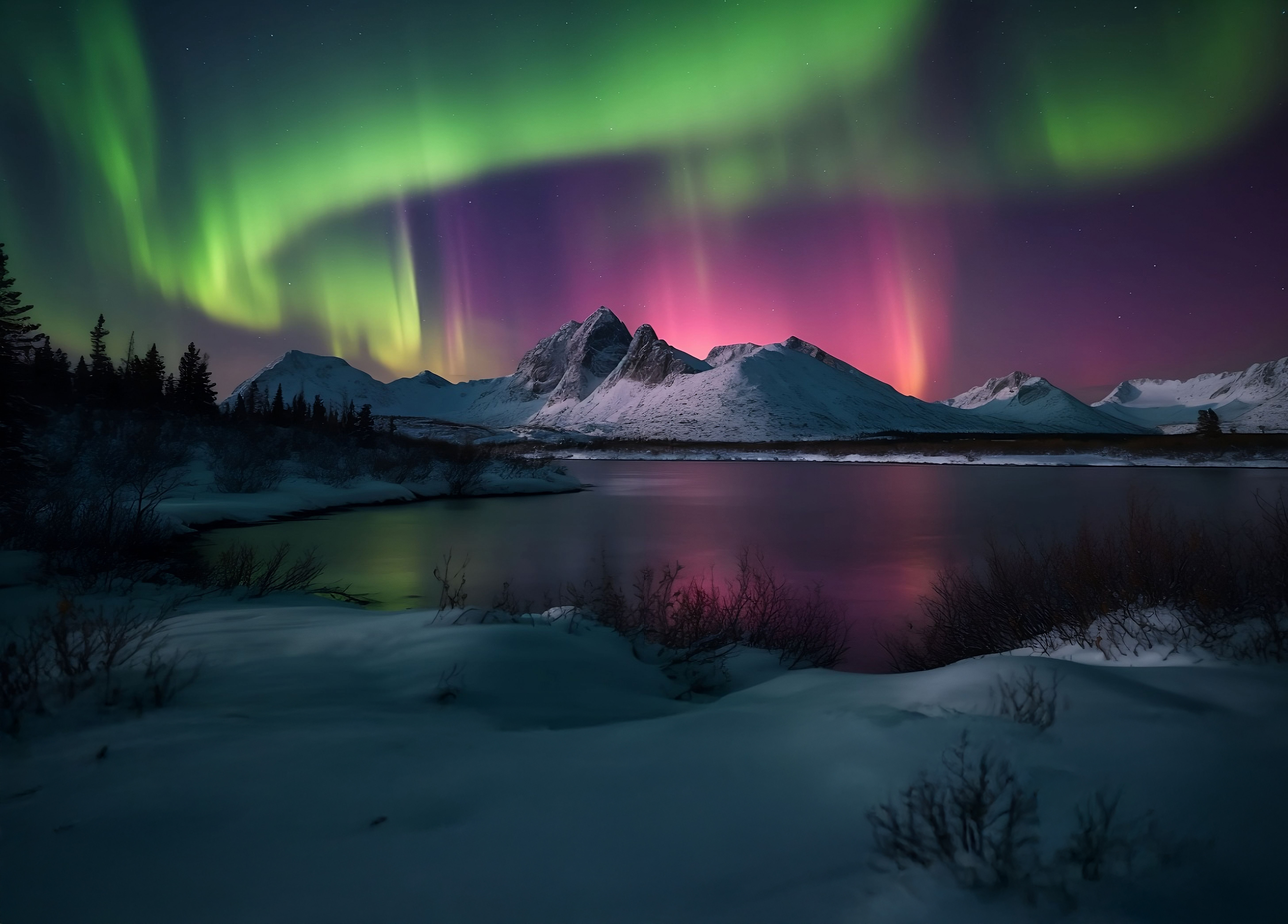
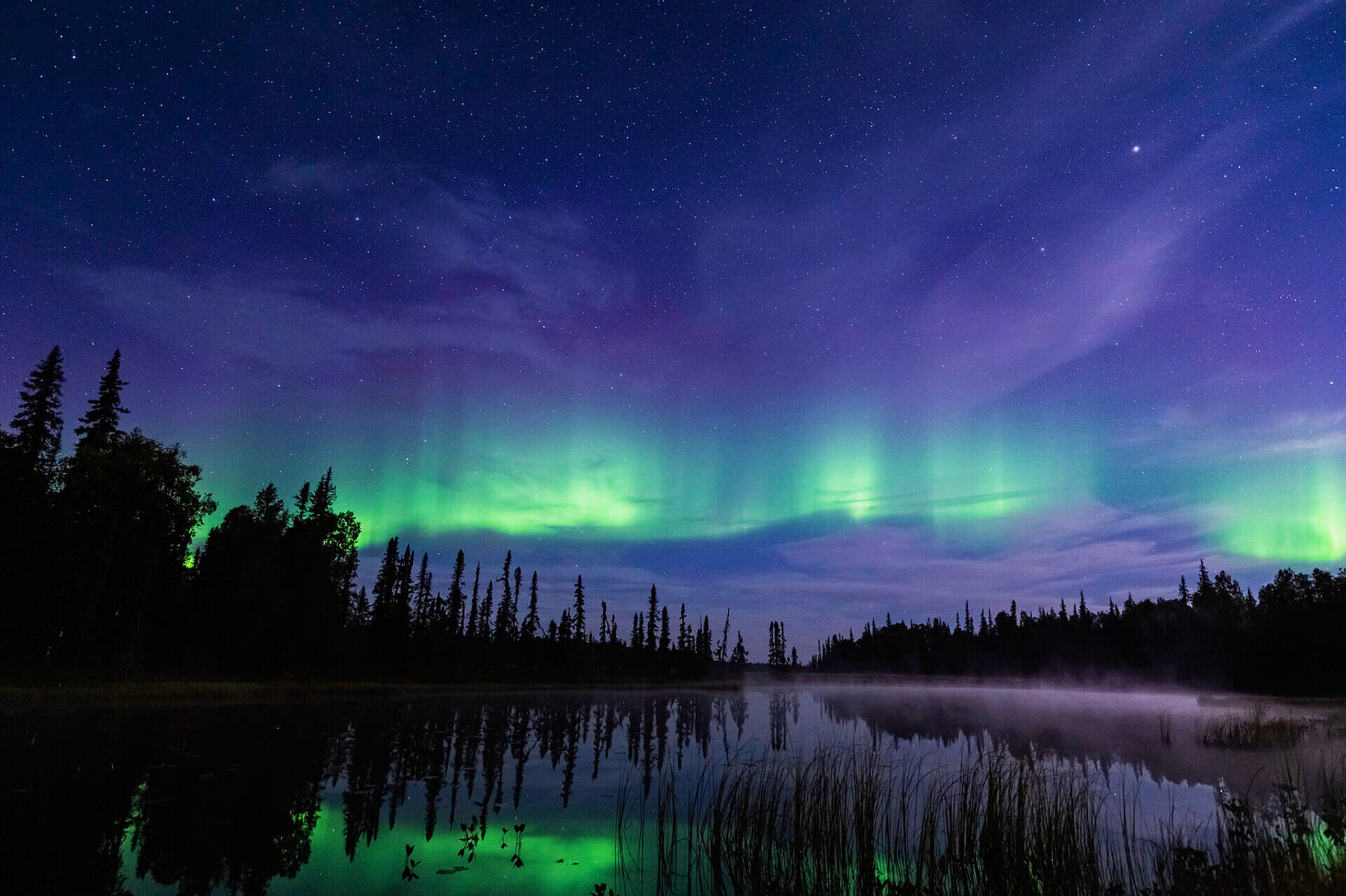
To witness the Northern Lights via an Alaska train tour, travelers should book the Alaska Railroad’s Aurora Winter Train, which connects Anchorage and Fairbanks. The most effective strategy involves taking the 12-hour scenic rail journey north and staying at least three to five nights in Fairbanks, situated directly under the "Aurora Oval," to maximize viewing opportunities.
The allure of the Alaskan wilderness is never more profound than during the winter months, when the midnight sun is replaced by the ethereal dance of the Aurora Borealis. In 2026, we are entering a period of significant solar activity, making this an ideal timeframe for celestial observation. Combining the rhythmic comfort of rail travel with the rugged quest for the Northern Lights offers a unique logistical advantage: it allows travelers to see the vast, snow-covered interior of the state without the stress of driving on icy, remote highways.
Why a Train Tour is the Best Way to See the Aurora Borealis
Choosing a rail-based expedition over a standard flight or rental car trip provides a transitional experience that is often lost in modern travel. The Alaska Railroad’s winter service is specifically designed to cater to the slower pace of the season, offering a vantage point that is otherwise inaccessible.
Scenic Accessibility and Safety
Winter driving in Alaska is not for the faint of heart. The George Parks Highway, which connects the state's two largest cities, can be treacherous with black ice, heavy snow, and wandering moose. By opting for a train tour, you delegate the navigation to experienced engineers. The train tracks often veer miles away from the highway, cutting through the heart of Susitna Valley and the Alaska Range, providing views of Denali that are simply not visible from the road.
The Social and Educational Atmosphere
Unlike the sterile environment of a commercial flight, the Aurora Winter Train fosters a community of enthusiasts. Onboard guides often provide narration, pointing out geographical landmarks and sharing the history of the rail line, which was completed in 1923. For many travelers, the journey itself—watching the transition from the coastal terrain of Anchorage to the high-latitude boreal forests of the Interior—is as significant as the destination.
Planning Your 2026 Northern Lights Expedition: Timing and Conditions
Success in "aurora hunting" is a matter of science, not just luck. In 2026, several factors align to make this a flagship year for travelers.
Solar Cycle 25 and 2026 Visibility
We are currently in the midst of Solar Cycle 25, which is projected to reach its "Solar Maximum" during the 2024–2026 period. This cycle represents the 11-year fluctuation in the sun’s magnetic activity. During the maximum, solar flares and coronal mass ejections are more frequent, leading to more intense and frequent aurora displays on Earth. For travelers, this means the 2026 winter season offers a statistically higher probability of seeing vibrant greens, purples, and reds in the sky compared to the early 2030s.
The Best Months to Visit
While the aurora is present year-round, it requires darkness to be visible.
- Late September to October: This "shoulder season" offers milder temperatures and the phenomenon of "equinox cracks." Near the autumn equinox, the Earth's magnetic field aligns more effectively with the solar wind, often triggering stronger storms.
- December to February: This period offers the maximum amount of darkness (up to 20 hours a day in Fairbanks). While extremely cold, it provides the longest "viewing window" each night.
- March: Statistically, March is one of the best months for train tours. The days are long enough to enjoy the scenery from the train windows, but the nights are still dark enough for aurora viewing. Additionally, the spring equinox often brings a surge in solar activity.
Primary Routes: The Alaska Railroad’s Aurora Winter Train
The backbone of any northern lights rail tour is the Aurora Winter Train. In 2026, the schedule remains focused on weekend service, with mid-week additions during peak demand months.
The Northbound Journey (Anchorage to Fairbanks)
The train typically departs Anchorage on Saturday mornings. The 350-mile journey takes approximately 12 hours. As the train moves north, it stops in small communities like Wasilla and Talkeetna. One of the highlights of this route is the crossing of the Hurricane Gulch bridge, which stands 296 feet above the creek below. In winter, the gulch is a dramatic expanse of white and blue ice.
The Southbound Journey (Fairbanks to Anchorage)
Usually departing on Sundays, the southbound route allows those who flew into Fairbanks to return to the state's largest hub. While the scenery is the same, the lighting conditions differ, offering new perspectives on the frozen Susitna River and the silhouette of the Alaska Range.
Onboard Experience: Adventure Class
During the winter months, the Alaska Railroad primarily operates its Adventure Class cars. These feature large picture windows, comfortable reclining seats, and ample overhead storage. While the famous "GoldStar" glass-dome cars are usually reserved for the summer, the Adventure Class cars are climate-controlled and offer a "Wilderness Café" where passengers can purchase hot meals, snacks, and beverages.
Key Destinations Along the Railbelt
A train tour is more than just a ride; it is a series of strategic stops designed for maximum aurora exposure.
Fairbanks: The Crown Jewel of Northern Lights Viewing
Fairbanks is widely considered the best place in the United States to view the Northern Lights. Its location under the Aurora Oval—a ring-shaped zone where solar particles collide with the atmosphere—means that even during low solar activity, the lights are often visible.
- Where to Stay: Many tour packages include stays at specialized lodges like Borealis Basecamp (featuring fiberglass domes) or the Chena Hot Springs Resort, which offers an outdoor rock lake for viewing the lights while soaking in mineral water.
- The Geophysical Institute: Located at the University of Alaska Fairbanks, this institute provides the world-standard Aurora Forecast, which travelers should monitor daily.
Talkeetna: Mountain Views and Dark Skies
Talkeetna serves as the base for climbers tackling Denali. In winter, it is a quiet, quirky town with very little light pollution. Stopping here for a night or two allows for a more intimate experience. The "Talkeetna Alaskan Lodge" offers a massive deck that faces the mountain, providing a stunning foreground for aurora photography if the sky is clear.
Anchorage: The Gateway to the North
While Anchorage itself has too much light pollution for optimal viewing, it serves as the essential logistics hub. Most travelers begin their journey here, outfitting themselves at local gear shops before heading into the interior.
Top Northern Lights Train Tour Packages for 2026
Most travelers find it more efficient to book a multi-day package that includes rail fare, lodging, and guided aurora tours. These packages are typically 6 to 9 days in length.
| Package Component | Description | Estimated Value (2026) |
|---|---|---|
| Rail Fare | Round-trip or One-way Aurora Winter Train (Adventure Class) | $450 - $600 |
| Lodging | 3-5 nights in Fairbanks; 1-2 nights in Anchorage/Talkeetna | $1,200 - $2,500 |
| Guided Tours | Dog sledding, Arctic Circle fly-overs, and nightly aurora chasing | $800 - $1,500 |
| Transfers | Shuttle service between rail depots, airports, and lodges | Included in most packages |
The "Arctic Circle" Extension
A popular add-on to train tours is a flight or van tour from Fairbanks to the Arctic Circle. These tours often cross the Yukon River and provide a certificate of crossing. Being further north increases the likelihood of being directly under the aurora's most active curtains.
Essential Gear and Preparation for Arctic Temperatures
Interior Alaska in 2026 remains one of the coldest inhabited places on Earth during winter. Temperatures in Fairbanks can easily drop to -30°F (-34°C) or lower.
- The Layering System: Use a moisture-wicking base layer (merino wool), an insulating middle layer (fleece or down), and a windproof/waterproof outer shell.
- Footwear: Standard hiking boots are insufficient. You need "bunny boots" or high-rated winter boots (like Sorel or Baffin) rated to -40°F.
- Chemical Warmers: Hand and toe warmers (e.g., HotHands) are essential for long nights spent standing on frozen ground.
- Photography Equipment:
- Tripod: Essential for long-exposure shots. Metal tripods can become brittle; carbon fiber is preferred but expensive.
- Extra Batteries: Lithium-ion batteries drain rapidly in the cold. Keep spares in an inner pocket close to your body heat.
- Remote Shutter: To prevent camera shake when pressing the button.
Maximizing Your Chances: Tips for Successful Aurora Photography
Capturing the Northern Lights requires a camera with manual settings. Most modern smartphones have a "Night Mode" that can capture the lights, but for professional results, a DSLR or mirrorless camera is necessary.
- Aperture: Use the widest possible setting (lowest f-number), ideally f/2.8 or lower.
- ISO: Start at ISO 1600 and adjust based on the brightness of the aurora.
- Shutter Speed: If the lights are moving fast, use a shorter exposure (2–5 seconds). If they are a faint glow, you may need 15–20 seconds.
- Focus: Set your lens to manual focus and dial it to infinity (∞). Check your first few shots to ensure the stars are sharp points of light rather than blurry circles.
FAQ: Frequently Asked Questions
Can I see the Northern Lights from the train itself?
It is possible but difficult. The Aurora Winter Train primarily travels during daylight hours to allow passengers to see the landscape. However, during the shortest days of December or if the train is delayed into the evening, you may see them. The main challenge is the interior lights of the train car, which create reflections on the glass. For the best viewing, you must wait until you reach your destination and find a dark outdoor spot.
How much does an Alaska Northern Lights train tour cost in 2026?
A comprehensive 7-day package typically ranges from $2,500 to $4,500 per person, depending on the level of luxury and the number of guided excursions included. This usually covers rail travel, hotels, some meals, and specialized aurora viewing tours.
What happens if it’s cloudy?
Clouds are the primary "enemy" of aurora viewing. Even if solar activity is high, thick cloud cover will block the view. This is why it is critical to stay in Fairbanks for at least three nights; statistically, if you stay three nights, you have an 80% or higher chance of seeing the lights at least once, as weather patterns in the Interior move quickly.
Is the train accessible for travelers with mobility issues?
Yes, the Alaska Railroad is fully ADA-compliant. The depots have lifts to help passengers board the train, and there are designated spaces for wheelchairs. Most major aurora lodges in Fairbanks also offer accessible viewing areas, though some remote "chasing" tours in vans may have limitations.
Do I need a passport?
If you are a U.S. citizen traveling from the lower 48 states, you do not need a passport to fly to Alaska or ride the train. However, if your tour involves a connection through Canada or if you are an international traveler, a passport (and potentially a visa or ESTA) is required.
Next Steps for Your Journey
To begin your 2026 adventure, first determine your travel window, keeping in mind that March offers the best balance of daylight and aurora probability. Visit the official Alaska Railroad website to check the specific winter schedule for the Aurora Winter Train. Once your rail dates are set, book your Fairbanks accommodations at least six months in advance, as specialized aurora lodges have limited capacity and tend to sell out quickly during the solar maximum.