Country music icon Alan Jackson suffers from Charcot-Marie-Tooth (CMT) disease, a hereditary nerve disorder that affects his motor and sensory functions. Disclosed publicly in 2021, the condition causes progressive muscle weakness and balance issues. As of 2026, Jackson continues to manage the symptoms while serving as a high-profile advocate for CMT awareness and research.
The Public Revelation of a Private Battle
For years, fans of Alan Jackson noticed subtle changes in the way the "Chattahoochee" singer moved on stage. His gait seemed slightly stiff, and he appeared to lean more heavily on his guitar or microphone stand than in previous decades. In September 2021, during an emotional interview on the Today show, Jackson revealed the cause: he had been living with Charcot-Marie-Tooth disease for several years.
By the time he went public, the diagnosis was not new to him or his family. Jackson shared that he had been diagnosed ten years prior to the announcement, choosing to keep the matter private while he navigated the early stages of the disease. The decision to come forward was driven by a desire to provide clarity to his fans and to shine a spotlight on a condition that is often misunderstood or entirely unknown by the general public.
In 2026, Jackson’s transparency remains a landmark moment for the CMT community. By attaching one of the most recognizable names in country music to this rare neurological disorder, he humanized the struggles of millions of people worldwide who deal with similar mobility challenges.
Decoding Charcot-Marie-Tooth (CMT) Disease
Charcot-Marie-Tooth disease is not a single disease but a group of inherited disorders that cause damage to the peripheral nerves—the nerves that transmit signals from the brain and spinal cord to the rest of the body. Named after the three physicians who first described it in 1886 (Jean-Martin Charcot, Pierre Marie, and Howard Henry Tooth), it is one of the most common inherited neurological disorders, affecting approximately 1 in 2,500 people.
The Genetic Foundation: CMT Type 1
Alan Jackson specifically noted that his condition is CMT Type 1, which he inherited from his father. This type primarily affects the myelin sheath—the protective coating that surrounds nerve fibers. When the myelin is damaged, nerve signals move more slowly, leading to muscle atrophy and a loss of sensation in the extremities.
Because CMT is a genetic condition, it is often a "family" disease. Jackson recounted how his father and his grandmother also lived with the condition, though in previous generations, it was often undiagnosed or simply referred to broadly as "trouble walking." This hereditary link is a hallmark of CMT; if one parent carries the gene, there is a 50% chance of passing it on to each child, depending on the specific inheritance pattern (autosomal dominant being the most common).
Physical Manifestations and Symptoms
The symptoms of CMT typically begin in the feet and legs and eventually progress to the hands and arms. For Jackson, the primary issues have been balance and mobility. The classic symptoms of CMT include:
- Muscle Weakness: Particularly in the feet, ankles, and legs.
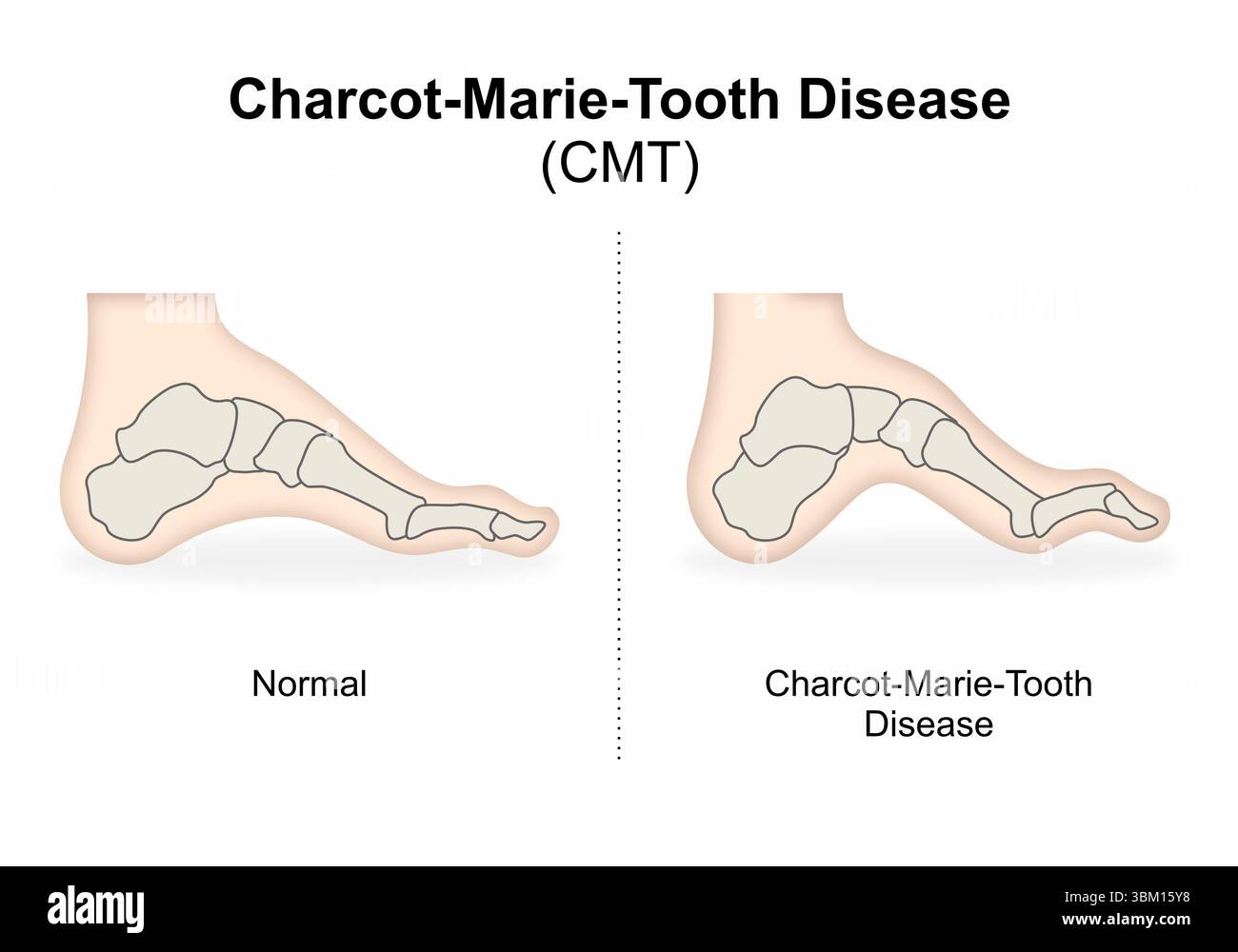
- Foot Deformities: High arches (pes cavus) or flat feet, and "hammer toes" are common as the muscles that support the foot structure weaken.
- Gait Abnormalities: A "foot drop" or high-stepping gait is frequent, as patients lose the ability to lift their feet properly while walking.
- Loss of Sensation: Numbness in the feet and hands can make it difficult to feel the ground or perform fine motor tasks.
- Balance Issues: The combination of muscle weakness and loss of sensory feedback often leads to frequent trips and falls.
Note: CMT is a progressive condition, meaning symptoms generally worsen over time. However, it is not considered a fatal disease and typically does not affect life expectancy.
The Impact on Alan Jackson’s Live Performances
Music has always been a physical endeavor for Alan Jackson. Standing for two hours under hot lights, engaging with a crowd, and maintaining the stamina required for a national tour is demanding for any artist, let alone one dealing with a degenerative nerve condition.
Adapting to the Stage: Changes in Performance Style
As the disease progressed, Jackson had to make significant adjustments to his live shows. Fans attending his "Last Keepin' It Country Tour" and subsequent appearances in the mid-2020s observed these adaptations firsthand. He often utilizes a stool during portions of the set, and his stage movements are carefully choreographed to ensure stability.
These changes were not merely about comfort; they were about safety. The peripheral neuropathy associated with CMT makes it difficult for the brain to know exactly where the feet are positioned (a lack of proprioception). On a dark, crowded stage with wires and equipment, this poses a significant fall risk.
Despite these challenges, Jackson’s vocal ability remains largely unaffected. Because CMT primarily targets the peripheral nerves in the limbs, the muscles used for singing and breathing are typically spared. This has allowed him to continue delivering the soulful, baritone performances that defined his career, even as his physical mobility decreased.
Diagnosis and Family History
The diagnosis of CMT involves a combination of clinical evaluation, neurological testing, and genetic screening. In Jackson’s case, the family history provided a strong lead. For many others, the journey to a diagnosis can be long and frustrating, as the symptoms are sometimes mistaken for other neurological issues like Multiple Sclerosis (MS) or general orthopedic problems.
Standard diagnostic tools include:
- Electromyography (EMG): Measuring the electrical activity of muscles.
- Nerve Conduction Studies: Measuring the speed and strength of signals traveling through the nerves.
- Genetic Testing: Identifying the specific gene mutation responsible for the condition.
- Nerve Biopsy: In rare cases, a small piece of a peripheral nerve is removed for microscopic examination.
For Alan Jackson, receiving the diagnosis provided an answer to the "why" behind his changing physical state. It allowed him to move from a place of uncertainty to a place of management.
Treatment Modalities and Management Strategies in 2026
While there is currently no cure for Charcot-Marie-Tooth disease, management strategies have advanced significantly. In 2026, the focus for patients like Jackson is on maintaining function and preventing secondary complications.
- Physical and Occupational Therapy: Regular exercise helps maintain muscle strength and flexibility. Low-impact activities like swimming or cycling are often recommended to avoid putting excessive stress on weakened joints.
- Orthotic Devices: Many CMT patients use Braces known as AFOs (Ankle-Foot Orthotics). These devices provide stability to the ankle and prevent foot drop, making walking much safer and more efficient.
- Pain Management: While CMT is primarily a motor and sensory disorder, many patients experience chronic pain due to joint strain and nerve damage.
- Surgical Intervention: In some cases, orthopedic surgery is performed to correct severe foot deformities, allowing the patient to stand more comfortably.
Jackson has been vocal about his commitment to staying active. Management of CMT is a daily commitment, requiring a balance between pushing the body to maintain strength and resting to avoid overexertion, which can lead to increased fatigue.
The Role of Awareness: Alan Jackson and the CMTA
One of the most significant impacts of Jackson’s diagnosis has been his partnership with the Charcot-Marie-Tooth Association (CMTA). He has used his platform to raise millions of dollars for research into treatments and a potential cure.
His involvement has brought CMT into the national conversation. Before Jackson spoke out, CMT was often overshadowed by more "famous" neurological conditions. His advocacy has encouraged other public figures and private citizens to share their stories, reducing the stigma often associated with using mobility aids or walking with a visible disability.
Comparison Table: CMT Facts vs. Common Myths
| Category | Common Myth | Clinical Reality (CMT) |
|---|---|---|
| Fatality | CMT is a fatal, terminal illness. | CMT is progressive but not fatal; life expectancy is normal. |
| Prevalence | It is an extremely rare "orphan" disease. | It affects 1 in 2,500 people, making it common among rare disorders. |
| Cognition | CMT affects brain function and memory. | CMT affects peripheral nerves; it does not impact cognitive ability. |
| Management | There is nothing a patient can do to help symptoms. | Physical therapy and orthotics can significantly improve quality of life. |
| Inheritance | It only affects men. | It affects both men and women equally, depending on the genetic type. |
The Road Ahead: Alan Jackson’s Resilience and Advocacy
As we look at Alan Jackson’s journey through 2026, his story is one of resilience rather than retirement. While he has slowed his touring schedule to prioritize his health and family, his influence on the music industry and the medical community remains profound.
He has proven that a chronic diagnosis does not equate to the end of a legacy. By adapting his performances and being honest about his limitations, he has provided a roadmap for other performers and individuals facing life-altering health challenges. His music continues to resonate, perhaps even more so now, as fans see the strength it takes for him to continue sharing his gift.
For those inspired by Jackson’s journey, the focus remains on supporting the research that could one day lead to gene therapies or pharmacological treatments that halt the progression of CMT. Until then, Jackson stands as a symbol of the "Keepin' It Country" spirit—persistent, authentic, and unyielding in the face of adversity.
Medical Disclaimer: The information provided in this article is for educational purposes only and should not be taken as medical advice. Charcot-Marie-Tooth disease is a complex neurological condition that requires diagnosis and treatment by qualified healthcare professionals. If you or a loved one are experiencing symptoms of muscle weakness or balance issues, please consult a neurologist or primary care physician.
Frequently Asked Questions
Can Alan Jackson still walk in 2026?
Yes, Alan Jackson is still mobile, though he faces significant challenges with balance and stability. Like many living with CMT, he may use mobility aids or specific footwear to help him navigate safely, especially in public settings or on stage. His condition is progressive, meaning management is an ongoing, daily process.
Is there a cure for CMT disease?
As of 2026, there is no known cure for Charcot-Marie-Tooth disease. However, research into gene therapy and specialized medications is ongoing. Current treatments focus on managing symptoms through physical therapy, orthotics, and occasionally surgery to improve the quality of life and mobility.
How does CMT affect Alan Jackson’s singing?
CMT primarily affects the peripheral nerves in the extremities (arms and legs). It typically does not affect the nerves responsible for speech, swallowing, or lung function. Therefore, Alan Jackson’s signature voice and singing ability remain largely intact, even as his physical mobility is impacted.
Did Alan Jackson inherit CMT from his parents?
Yes, Alan Jackson has stated that he inherited the condition from his father, who also inherited it from his own mother. CMT is a hereditary condition, and Jackson’s specific form (Type 1) follows a clear genetic path within his family history.
What is the CMTA, and how is Alan Jackson involved?
The CMTA stands for the Charcot-Marie-Tooth Association. It is a leading non-profit organization dedicated to research, education, and support for those with CMT. Alan Jackson has been a major supporter and ambassador for the CMTA, helping to raise significant funds and awareness for the disorder since his public disclosure.
Recommended Actions for Fans and Patients
For those who want to support Alan Jackson or are seeking help for CMT, consider the following steps:
- Educate Yourself: Visit official resources like the Charcot-Marie-Tooth Association (CMTA) to learn about the different types of the disease and current research.
- Support Research: Consider donating to organizations focused on finding a cure. Alan Jackson has frequently highlighted the importance of funding the "Strategy to Accelerate Research" (STAR) initiative.
- Consult a Specialist: If you have a family history of mobility issues or are experiencing symptoms like foot drop or hand weakness, seek a consultation with a neurologist who specializes in peripheral nerve disorders.
- Advocate for Accessibility: Support measures that make public spaces—including concert venues—more accessible for individuals with mobility challenges.