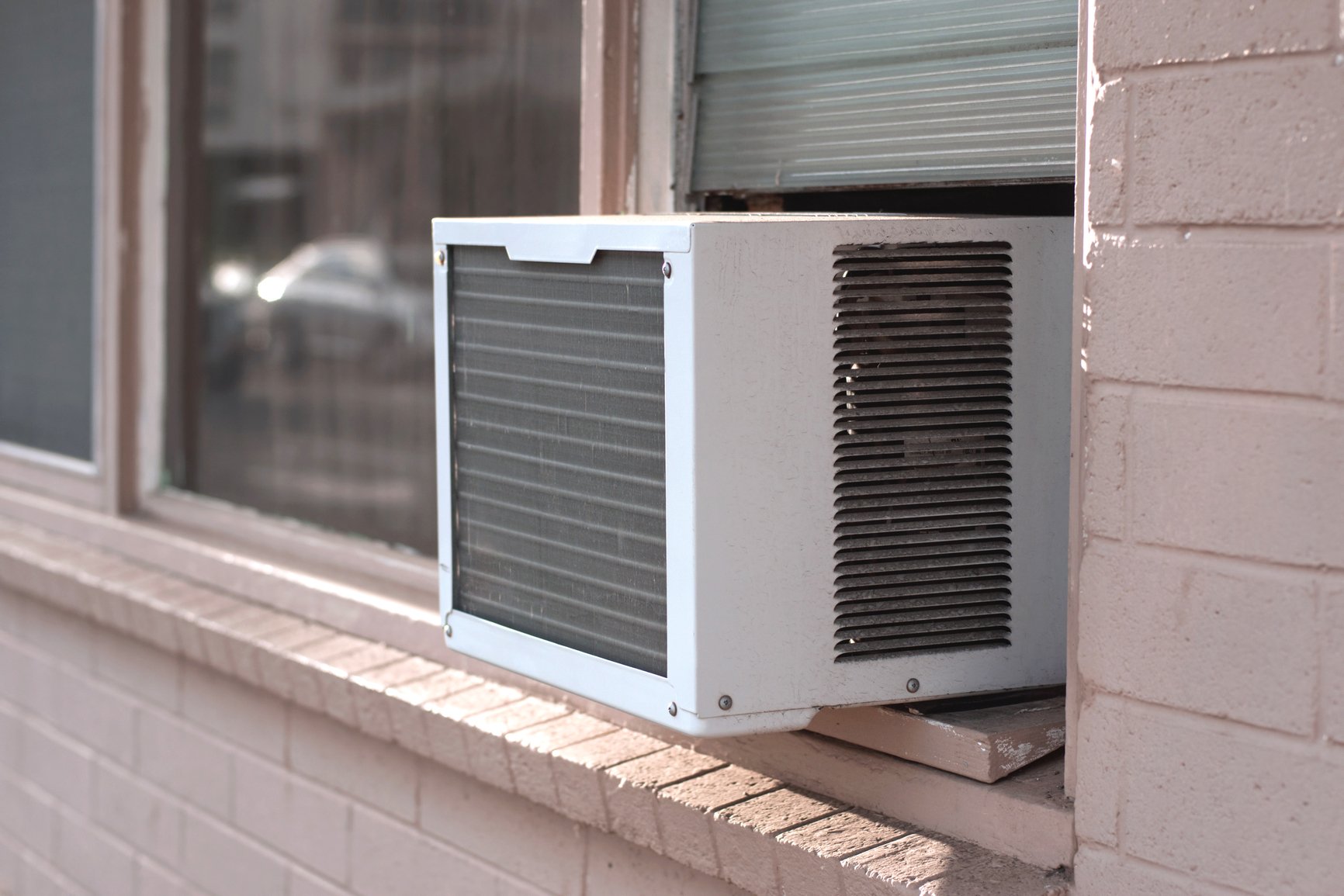
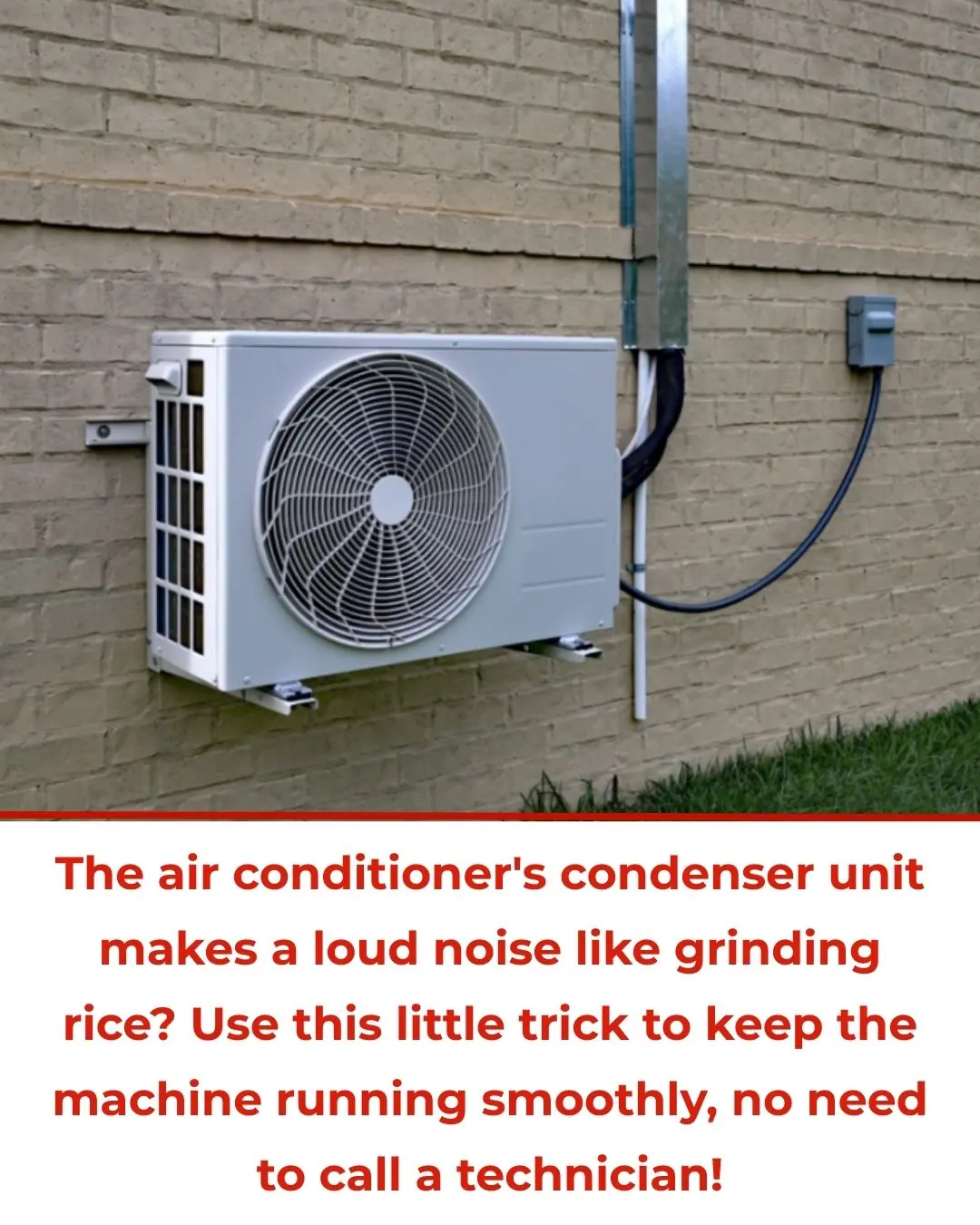
When an air conditioner makes a loud noise when starting, it typically indicates a mechanical or electrical issue requiring immediate attention. Common culprits include a failing compressor, a bad capacitor, loose mounting bolts, or a worn-out fan motor, all of which put extra strain on the system during the initial power surge.
Home comfort systems are expected to operate quietly in the background, maintaining a consistent indoor climate without demanding attention. However, when an air conditioner makes a loud noise when starting up, it immediately shatters that peace and raises valid concerns about the health of the equipment. A sudden bang, screech, hum, or rattle during the initial activation cycle is rarely a random quirk; it is a mechanical distress signal. Understanding why these sounds occur, how to diagnose the root cause, and when to call a professional can save homeowners from a catastrophic system failure during peak weather seasons.
Understanding the Air Conditioner Startup Sequence
To diagnose why an air conditioner makes a loud noise when starting, it helps to understand what happens beneath the housing panels the moment the thermostat calls for cooling. The startup sequence is a coordinated effort involving multiple heavy-duty components that must transition from a dead stop to full operational speed in a fraction of a second.
When the thermostat signals a cooling demand, low-voltage electricity is sent to the control board, which then routes high-voltage power to the outdoor condensing unit. Inside this unit, two primary components activate simultaneously or within milliseconds of each other: the condenser fan motor and the compressor. The compressor, which acts as the beating heart of the HVAC system by pressurizing and circulating refrigerant, requires a massive surge of electrical energy to overcome internal mechanical inertia.
Simultaneously, the condenser fan begins spinning to expel heat from the outdoor coil. If any component in this chain is loose, electrically degraded, or physically obstructed, the sudden mechanical shock of startup will translate into audible noise. Recognizing the distinct types of sounds—such as metallic clangs, electrical hums, or high-pitched squeals—provides a roadmap to the exact component experiencing failure.
Common Causes of Startup Noises and Diagnostic Indicators
Different sounds correspond to distinct mechanical or electrical failures within split-system air conditioners or packaged units. Analyzing the acoustic signature of the noise is the first step toward effective troubleshooting.
The Banging or Clanking Sound
A heavy metallic banging or clanking noise when the air conditioner turns on is often the most alarming symptom for a homeowner. This sound usually points to internal issues within the compressor itself. In some older or heavily worn scroll and reciprocating compressors, internal components like discharge tubes or connecting rods can break loose and strike the outer casing during the initial surge.
Alternatively, a banging sound can be external. If the compressor mounting bolts have vibrated loose over years of operation, the entire compressor housing will shift violently against its metal baseplate during startup, creating a loud structural impact.
The Screeching or Squealing Sound
If the system emits a piercing squeal or screech for the first few seconds of operation before settling into a normal hum, the problem typically lies with the outdoor fan motor. Older units often utilize belt-driven fans, where a worn, cracked, or misaligned rubber belt slips on its pulleys when forced to turn from a dead stop.
In modern direct-drive fan motors, a squealing noise can indicate dry, failing motor bearings. As the motor attempts to spin, the lack of internal lubrication creates friction that manifests as a high-pitched shriek until momentum is established.
The Loud Hum or Buzzing Sound
A persistent low-frequency hum or electrical buzz that occurs when the unit tries to start—frequently accompanied by the compressor failing to turn on—strongly suggests an electrical delivery problem. The most common culprit here is a failing run capacitor or start capacitor. Capacitors store electrical energy and deliver the powerful jolt required to kickstart the compressor and fan motors.
When a capacitor degrades due to age or heat exposure, it cannot supply this necessary torque. The motor stalls, hums loudly as it draws excessive electrical current, and eventually trips the thermal overload switch or circuit breaker.
The Rattling or Vibrating Sound
A general metallic rattle is frequently caused by loose service panels, vibrating refrigerant lines, or foreign debris trapped inside the outdoor unit. During startup, the initial torque generates harmonic vibrations. If a sheet metal screw is missing from the access panel or if copper refrigerant lines are rubbing directly against the metal cabinet without insulation, that vibration is amplified into a distinct rattling noise.
Evaluating System Components and Severity
Not all startup noises carry the same level of urgency, but ignoring any repetitive sound risks turning a minor repair into a full system replacement. The following table outlines the common noises, their likely sources, and the appropriate urgency level for intervention.
| Acoustic Symptom | Primary Suspect Component | Potential Severity | Recommended Action |
|---|---|---|---|
| Metal Banging / Clanking | Loose compressor mount or internal mechanical failure | High | Turn off system immediately; call an HVAC technician. |
| High-Pitched Squeal | Worn fan belt, slipping pulley, or dry motor bearings | Moderate to High | Inspect fan assembly; schedule belt replacement or lubrication. |
| Loud Electrical Hum | Failing capacitor, locked compressor rotor, or low voltage | High | Shut off power to prevent motor burnout; test electrical components. |
| Rattling / Vibrating | Loose panel screws, vibrating refrigerant lines, or debris | Low to Moderate | Secure loose panels, clear debris, and isolate rubbing pipes. |
Step-by-Step Troubleshooting and Safety Protocols
Before attempting any visual inspection of an air conditioner, safety must be the absolute priority. Air conditioning units house high-voltage electricity capable of causing severe injury or death, as well as capacitors that can retain dangerous electrical charges even after power is disconnected.
Step 1: Shut Down the System Safely
If the air conditioner makes a loud noise when starting, do not let it cycle repeatedly. Turn off the cooling via the indoor thermostat. To be entirely safe, go to the outdoor disconnect box—usually located on the exterior wall near the unit—and pull the electrical disconnect block or flip the dedicated circuit breaker in your main electrical panel to the "OFF" position.
Step 2: Clear External Debris
Inspect the exterior of the condenser cabinet. Leaves, twigs, or accumulated yard debris can fall inside the unit and rest against the fan blades or coil fins. When the unit starts, the fan strikes this debris, creating a loud slapping or rattling noise. Remove any obstructions carefully.
Step 3: Inspect Fan Operation and Accessibility
With the power completely disconnected, remove the protective top grille or service panel if you are comfortable doing so. Spin the condenser fan blade manually by hand. It should spin freely with minimal resistance. If it feels stiff, grinds, or wobbles on its shaft, the fan motor bearings have failed and the motor must be replaced.
Step 4: Check Mounting Security
Look at the base of the compressor and the fan motor mountings. Use a wrench to check if the bolts securing the compressor to the bottom pan are tight. If a bolt has sheared off or backed out, the physical movement during startup will cause structural banging.
Step 5: Professional Electrical and Refrigerant Diagnostics
If external cleaning and tightening do not resolve the issue, the problem likely requires specialized diagnostic tools. An experienced HVAC technician will measure the microfarad rating of the capacitors using a multimeter, check compressor winding resistance, and evaluate system refrigerant pressures. Attempting to diagnose internal electrical shorts or sealed-system pressures without proper licensing and equipment is hazardous.
Financial Considerations and Repair Costs
When facing an air conditioner that makes a loud noise when starting, homeowners naturally weigh the cost of repairs against the age of the equipment.
Minor repairs, such as replacing a worn capacitor, securing loose panels, or tightening compressor mounting bolts, are generally inexpensive, typically ranging from $150 to $350 including labor. Replacing a condenser fan motor is a moderate investment, often falling between $300 and $600 depending on the specific model and horsepower required.
Conversely, if the loud noise originates from a failing compressor—such as internal mechanical wear or a locked rotor—the financial picture changes dramatically. Compressor replacements are major repairs that involve recovering refrigerant, brazing copper lines, and installing a new unit. These jobs frequently cost between $1,500 and $3,000. For units older than 10 to 12 years, investing heavily in a dying compressor is rarely cost-effective, and replacement of the entire condensing unit or full system is usually the wiser financial choice.
Preventive Maintenance to Avoid Startup Stress
Preventing unusual startup noises requires proactive, routine maintenance. Many mechanical failures begin as minor issues that compound over time under the stress of operation.
- Schedule Annual Tune-Ups: Have a licensed technician inspect your HVAC system before the cooling season begins. Professional tune-ups include electrical testing, moving part lubrication, and coil cleaning.
- Change Air Filters Regularly: Restricted airflow forces the entire system to work harder, increasing operating temperatures and placing unnecessary strain on both indoor and outdoor components.
- Keep the Outdoor Unit Clean: Maintain at least two feet of clear space around the condenser unit, trimming back shrubs and bushes to prevent debris from entering the cabinet.
- Install a Hard Start Kit: For older compressors that struggle to overcome head pressure during startup, a technician can install a hard start kit. This auxiliary capacitor and relay combo provides an extra electrical boost, reducing the duration of the startup strain and extending compressor life.
Summary of Next Actions
When your air conditioner makes a loud noise when starting, prioritize safety by shutting down power at the disconnect box. Inspect the unit for obvious debris or loose panels, but avoid attempting complex electrical or mechanical repairs independently. If basic checks do not reveal a simple fix, contact a certified HVAC professional to diagnose the root cause promptly, preventing a minor component failure from escalating into a total system breakdown.