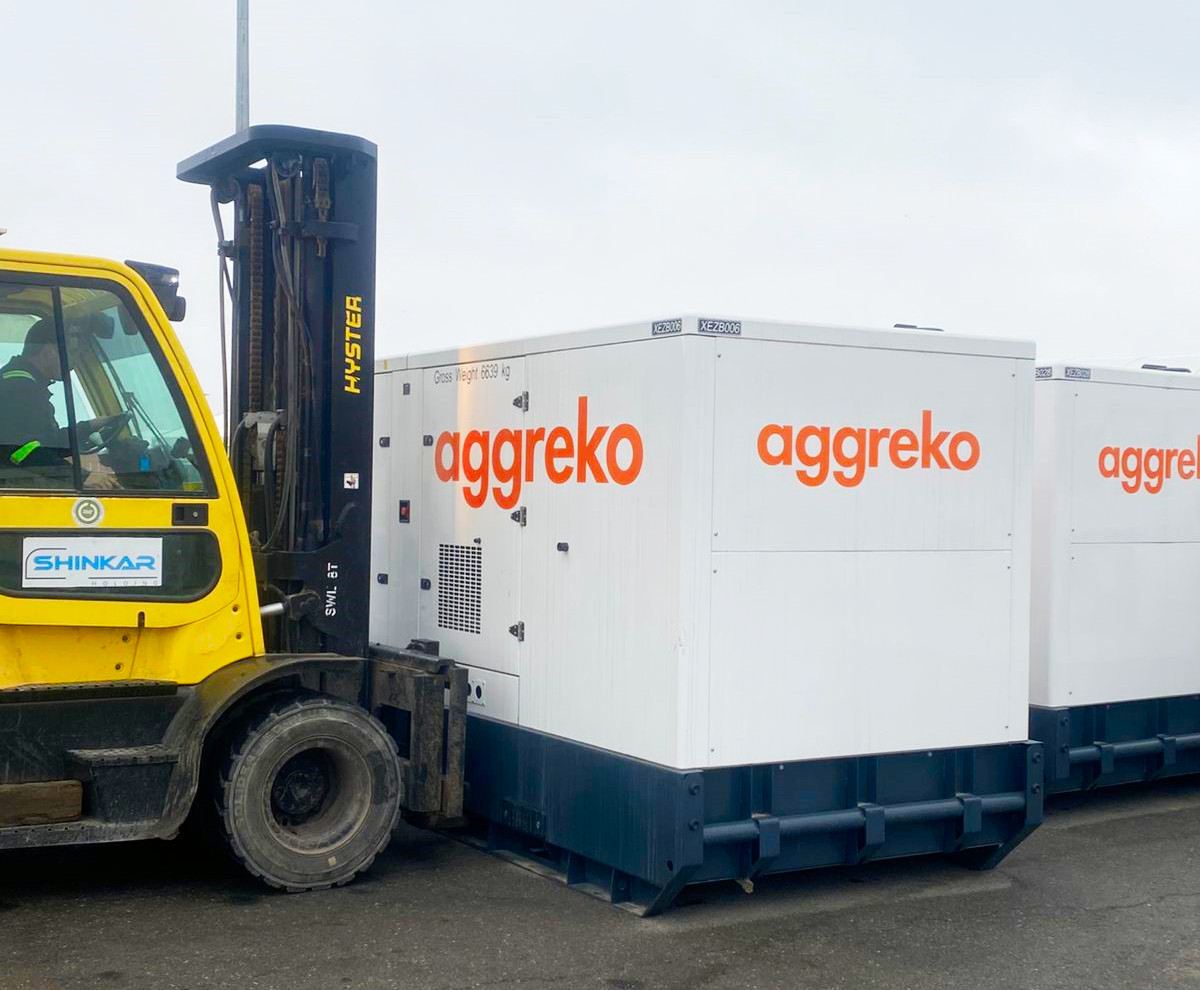
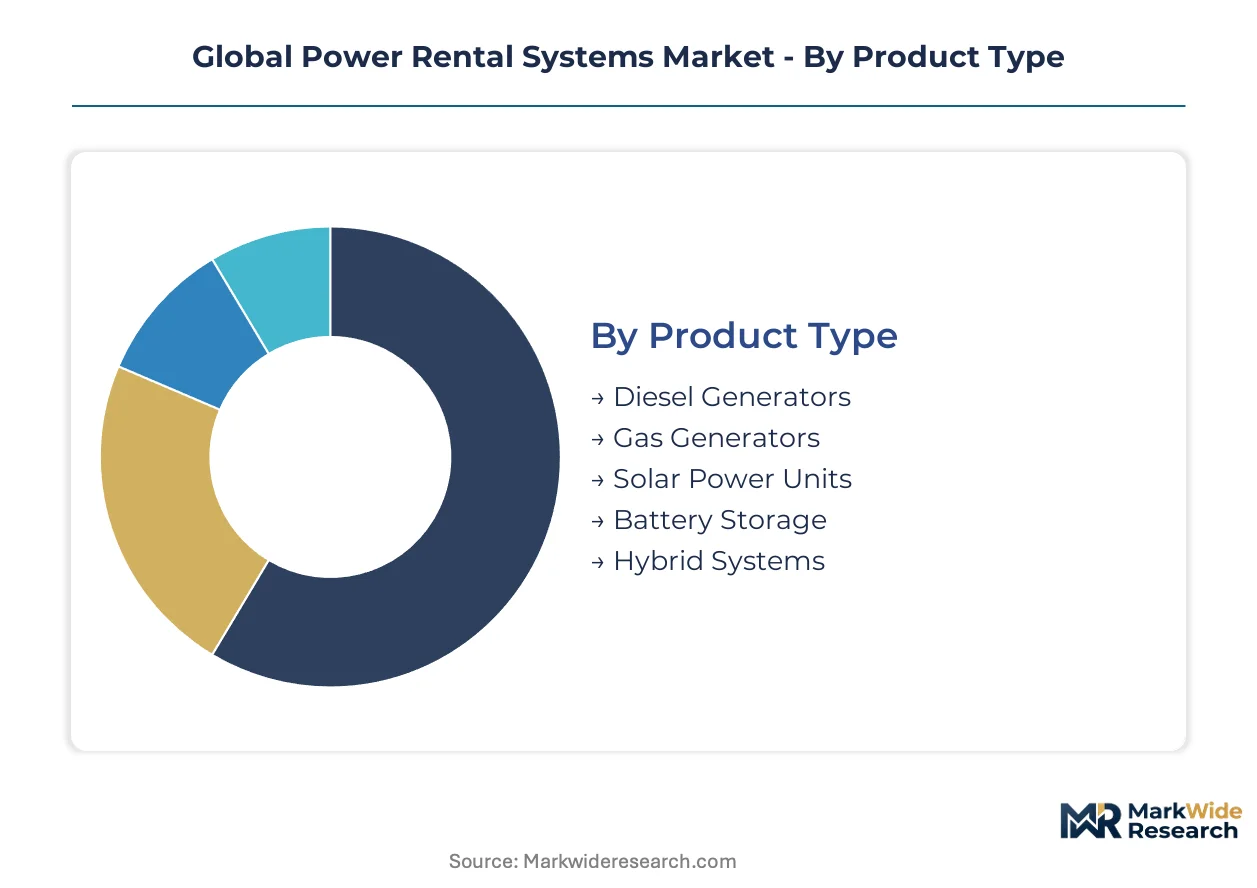
Aggreko plc maintains its position as the global leader in the power rental market by providing mobile, modular power, temperature control, and energy services. As of 2026, the company focuses on supporting the energy transition through hybrid microgrids, battery storage, and Stage V compliant low-emission generators for industrial, mining, and event sectors worldwide.
The Strategic Position of Aggreko in 2026
Aggreko plc has undergone a significant transformation since its transition from a publicly traded FTSE 250 company to a private entity owned by TDR Capital and I Squared Capital in 2021. In 2026, the company operates not merely as a rental house for hardware but as a sophisticated energy-as-a-service (EaaS) provider. This shift reflects a broader trend in the global power rental market where customers prioritize flexibility and carbon reduction over simple equipment procurement.
The company’s market dominance is rooted in its massive logistical footprint and its ability to deploy multi-megawatt power plants in weeks rather than the years required for permanent infrastructure. In an era where grid instability is increasing due to the intermittent nature of renewable energy integration, Aggreko serves as a critical bridge. Its role involves providing "bridging power" for developing nations, emergency backup for disaster-stricken areas, and supplemental cooling for data centers struggling with record-high ambient temperatures.
Aggreko's strategy is now firmly built around its "Energy Transition Solutions" (ETS) division. This unit is tasked with helping heavy industries—such as mining and petrochemicals—reduce their Scope 1 and Scope 2 emissions. By integrating solar PV, battery energy storage systems (BESS), and high-efficiency gas generators, Aggreko allows clients to decentralize their energy needs while maintaining the reliability of a traditional grid.
Core Service Offerings and Technical Capabilities
To understand Aggreko’s impact on the global market, one must examine the specific technical categories in which they operate. The company distinguishes itself through the scale and technical specificity of its fleet.
Temporary Power Solutions
Aggreko’s power fleet ranges from small 15 kVA canopy generators to multi-megawatt utility-scale power plants. By 2026, the fleet has shifted significantly toward Stage V and Tier 4 Final engines, which utilize Selective Catalytic Reduction (SCR) and Diesel Particulate Filters (DPF) to minimize NOx and particulate matter.
- Gas Generators: Utilizing natural gas, wellhead gas, or liquid petroleum gas (LPG), these units provide a cleaner alternative to diesel. They are frequently used in oil and gas operations where "flared gas" can be captured and repurposed to power onsite operations.
- Next-Generation Diesel: While diesel remains essential for rapid deployment, the use of Hydrotreated Vegetable Oil (HVO) has become a standard offering in Europe and North America, allowing for up to 90% reduction in net CO2 emissions.
- Load Banks: Crucial for testing power systems without risking the actual facility load, Aggreko provides resistive and reactive load banks to ensure that backup systems in hospitals and data centers are fully functional.
Temperature Control
Temperature control is often the "silent partner" to power rental. Aggreko provides industrial-scale cooling and heating solutions that are vital for process industries.
- Fluid Chillers: Used extensively in the food and beverage industry and for large-scale air conditioning in temporary structures.
- Cooling Towers: These are deployed when industrial plants face "thermal discharge" limits or when permanent cooling towers fail or require maintenance.
- Air Conditioners and Heat Exchangers: Specialized units for hazardous environments, such as refineries, where explosion-proof equipment is a safety requirement.
Battery Energy Storage Systems (BESS)
By 2026, BESS has become a cornerstone of Aggreko’s offering. These units are used to "level" the load, allowing generators to run at their most efficient points or allowing for the complete shutdown of engines during periods of low demand. This "spinning reserve" capability significantly reduces fuel consumption and engine wear.
Technical Comparison of Aggreko Power Solutions
The following table outlines the technical specifications and primary use cases for the core equipment types Aggreko deploys in the 2026 market.
| Equipment Type | Power/Capacity Range | Primary Fuel/Energy Source | Key Market Application | Environmental Impact |
|---|---|---|---|---|
| Stage V Diesel Genset | 30 kVA - 1500 kVA | Ultra-Low Sulfur Diesel / HVO | Construction, Live Events | Low NOx and Particulate Matter |
| Gas Power Module | 1000 kW - 1375 kW | Natural Gas / LPG / CNG | Utility Grids, Mining | Lower CO2 than Diesel; No SOx |
| Battery Storage (BESS) | 100 kW - 2000 kW | Lithium-ion / LFP | Hybrid Microgrids, EV Charging | Zero onsite emissions |
| Industrial Chiller | 50 kW - 1500 kW | Electrical (Grid or Gen) | Data Centers, Pharmaceuticals | High-efficiency variable speed |
| Oil-Free Air Compressor | 100 - 1500 CFM | Electrical / Diesel | Electronics Mfg, Food Processing | Prevents product contamination |
Sector-Specific Impacts and Applications
Aggreko does not operate in a vacuum; its growth is tied to the specific needs of various global industries. In 2026, four sectors stand out as primary drivers of power rental demand.
Data Centers and Artificial Intelligence
The explosion of AI processing requirements has led to a massive demand for data center capacity. Permanent power grids often cannot keep up with the speed of data center construction. Aggreko provides temporary power to get these facilities online months or years before a permanent substation is completed. Furthermore, the heat generated by high-density AI racks requires specialized cooling, where Aggreko’s high-capacity chillers are utilized for "supplemental cooling" during summer peaks.
The Mining Industry
Mining operations are frequently located in remote "off-grid" areas. Traditionally, these relied on heavy fuel oil or diesel. Aggreko has pioneered the use of hybrid microgrids in mining, combining vast solar arrays with battery storage and gas generators. This reduces the logistical burden of hauling fuel to remote sites and aligns with the sustainability mandates of global mining conglomerates.
Major Events and Broadcasting
From the preparation for the 2026 FIFA World Cup to various global summits, Aggreko remains the standard for event power. The focus here is on redundancy. For a global broadcast, a "power failure" is not an option. Aggreko utilizes "twin-pack" generators that run in parallel; if one unit fails, the other assumes the full load instantly without a flicker in the power supply.
Disaster Recovery and Grid Resilience
As climate-related weather events increase in frequency, Aggreko’s rapid-response capability is more vital than ever. The company maintains strategic hubs globally, allowing them to mobilize equipment via sea, air, or road within hours of a hurricane, earthquake, or grid failure. This includes providing high-voltage transformers to bypass damaged substations.
Technological Innovations: Aggreko Remote Monitoring (ARM)
In 2026, the value of power rental is as much about data as it is about electricity. Aggreko Remote Monitoring (ARM) is a sophisticated telemetry suite installed on almost every piece of equipment in their fleet.
ARM allows Aggreko's 24/7 diagnostic centers to monitor:
- Fuel Levels: Optimizing refueling routes to ensure equipment never runs dry.
- Load Profiles: Identifying if a generator is oversized for the task, which leads to "wet stacking" (unburnt fuel in the exhaust) and inefficiency.
- Preventative Maintenance: Detecting early signs of mechanical failure, such as vibration anomalies or temperature spikes, before a breakdown occurs.
- Carbon Reporting: Providing customers with precise data on their fuel burn and CO2 emissions, which is essential for modern corporate ESG (Environmental, Social, and Governance) reporting.
Navigating Logistics and Compliance
Operating a global power rental business involves navigating complex regulatory landscapes. Aggreko must comply with various regional standards, which influences how they move their fleet.
- Emissions Standards: In the US, the EPA Tier 4 Final standards are strictly enforced, while Europe follows Stage V. Aggreko’s fleet is modular, meaning units can be moved between regions, but only if they meet the local environmental criteria.
- Grid Codes: When connecting large-scale rental power plants to a national grid (Utility-scale), Aggreko must ensure their equipment complies with local "grid codes" regarding frequency stability and reactive power support.
- Safety Protocols: In sectors like oil and gas, equipment must be "Zone 2" compliant, featuring spark arrestors and overspeed shutdown valves to prevent ignition in explosive atmospheres.
Challenges and Operational Limitations
While Aggreko is a market leader, the power rental industry faces several hurdles in 2026. The primary challenge is the supply chain for components, particularly specialized semiconductors used in battery inverters and control systems. Additionally, the transition to greener fuels like hydrogen is hampered by a lack of global infrastructure, meaning that while Aggreko has hydrogen-ready combustion engines, the availability of "Green Hydrogen" fuel at remote sites remains limited.
Cost is another factor. Rental power is generally more expensive per kilowatt-hour than permanent grid power. Therefore, Aggreko’s value proposition relies on "speed to market" and "avoided downtime" rather than low-cost energy production. Customers must weigh the high daily rental and fuel costs against the potential losses of a stalled construction project or a shuttered factory.
Frequently Asked Questions
What is the typical lead time for an Aggreko power installation?
For standard canopy generators or small cooling units, Aggreko can often deploy within 24 to 48 hours, depending on the proximity to a service center. For large-scale multi-megawatt power plants (50MW+), the timeline usually ranges from 4 to 8 weeks, covering site preparation, equipment shipping, and commissioning.
Does Aggreko provide fuel management services?
Yes, Aggreko offers comprehensive fuel management. This includes the provision of double-walled fuel tanks (envirotanks), scheduled deliveries, and remote monitoring to ensure that the client never has to manually check fuel levels or manage the logistics of fuel procurement.
Can Aggreko equipment run on renewable fuels like HVO?
Most of Aggreko’s modern diesel fleet is compatible with Hydrotreated Vegetable Oil (HVO) without requiring engine modifications. HVO is a "drop-in" replacement for diesel that significantly reduces the carbon footprint of the operation.
How does Aggreko handle power for sensitive electronic equipment?
Aggreko uses high-specification alternators and digital voltage regulators to ensure "utility-grade" power. For extremely sensitive loads, such as broadcasting or medical equipment, they utilize Uninterruptible Power Supply (UPS) systems and sophisticated synchronization panels to provide clean, stable power without voltage sags or frequency deviations.
Is it more cost-effective to rent or buy a generator?
Renting is generally more cost-effective for projects lasting less than two years, or where the load requirement is expected to change. Rental includes maintenance, 24/7 monitoring, and the ability to swap equipment as needs evolve. Buying is preferred for permanent, static backup requirements where the owner has the in-house capability to maintain the machinery.
Final Recommendation for Industry Stakeholders
For organizations facing immediate power shortages or those planning complex industrial projects in 2026, Aggreko plc offers a level of technical depth and logistical reach that is difficult to match. Decision-makers should focus on a hybrid approach: utilizing Aggreko’s BESS and Stage V technologies to minimize fuel costs and meet environmental targets. Before engagement, it is critical to conduct a thorough "load profile analysis" to ensure equipment is correctly sized, as over-speccing power requirements is the most common cause of unnecessary rental expenditure.