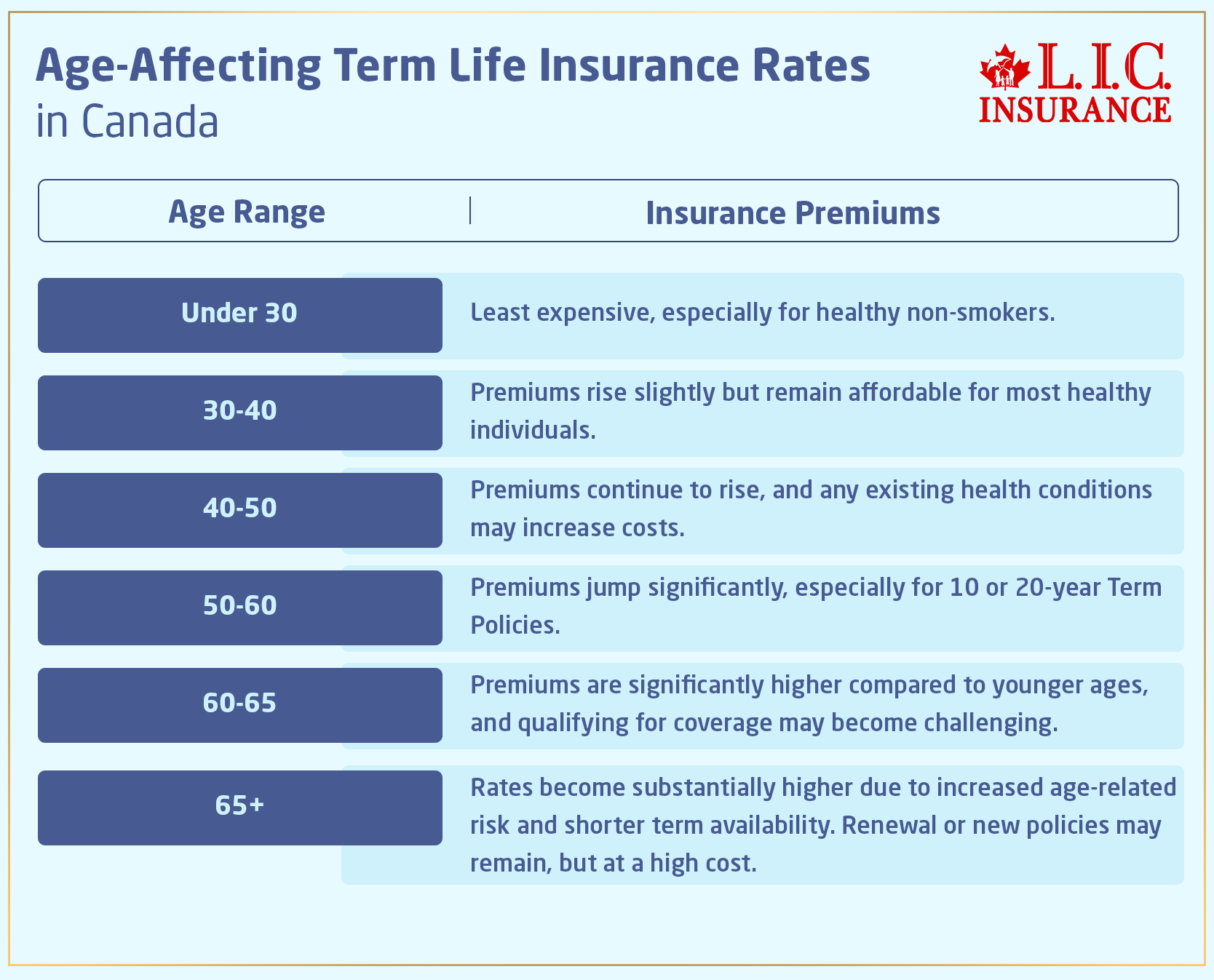
Age limits for buying life insurance typically range from 18 to 85 years old, depending on the carrier and the type of policy selected. While term life insurance usually has a strict upper boundary—often capping applications at age 70 or 75—permanent life insurance policies, such as whole or universal life, may remain available to applicants up to age 85 or even 90 in select cases.
The Role of Age in Life Insurance Underwriting
Age is a primary factor in life insurance underwriting because it serves as a reliable proxy for mortality risk. When an insurer calculates premiums, they are essentially pricing the probability that a claim will be paid during the term of the policy. As an individual ages, the statistical likelihood of death increases, which naturally correlates with higher costs for the insurance carrier.
Underwriters use actuarial tables to determine these risks. In 2026, the industry standard focuses heavily on the "attained age" of the applicant. This refers to your age at the time of your last birthday. Because of this, purchasing a policy earlier in life almost always results in lower premiums. As you approach the maximum age limits set by an insurance company, the options for coverage narrow significantly, and the required medical scrutiny often becomes more rigorous unless the policy is a "guaranteed issue" product.
Term Life Insurance vs. Permanent Life Insurance
The distinction between policy types is the most critical variable when discussing age limits.
Term Life Insurance is designed to provide coverage for a specific period, such as 10, 20, or 30 years. Because these policies expire at the end of the term, insurers are reluctant to issue them to applicants who would reach the end of the term at an advanced age. Most major carriers set a "maximum age at issue" for 10-year term policies at around 70 to 75. If you are 76, you will likely find it impossible to secure a new term policy from a standard carrier, as the actuary cannot justify the mortality risk over a decade-long commitment.
Permanent Life Insurance (Whole Life, Universal Life) provides coverage for the entirety of your life, provided premiums are paid. Because these policies are designed to last indefinitely, they are often available to older applicants. Some carriers offer "final expense" or "burial" insurance—a subcategory of permanent life—specifically tailored for individuals in the 50 to 85 age range. These policies generally have smaller death benefits, typically ranging from $5,000 to $50,000, and are structured to cover end-of-life costs.
Summary of Coverage Availability by Age
The table below illustrates the general market availability for life insurance products based on the applicant's age as of 2026.
| Age Range | Term Life Availability | Permanent/Whole Life Availability | Guaranteed Issue/Final Expense |
|---|---|---|---|
| 18–45 | High | High | Rarely Needed |
| 46–60 | High | High | Available |
| 61–75 | Moderate | Moderate | High |
| 76–85 | Very Low | Low | High |
| 85+ | Virtually None | Very Limited | Specialized/None |
Note: Availability varies significantly by carrier, state, and underwriting guidelines.
Medical Requirements and Underwriting Pathways
The "age limit" is not just a hard stop; it is often tied to the level of medical verification required.
- Fully Underwritten: This process requires a paramedical exam, including blood work and urine analysis, alongside a review of your medical records. For applicants over 60, insurers are increasingly strict. You may face higher premiums if you have chronic conditions common in older demographics, such as hypertension or type 2 diabetes.
- Simplified Issue: These policies skip the physical exam but ask detailed health questions. Age limits for these policies are often more flexible, but the cost per $1,000 of death benefit is higher than fully underwritten plans.
- Guaranteed Issue: These policies rarely have health questions or exams, but they often come with a "graded death benefit." This means if you die within the first two or three years of the policy, the insurer may only refund the premiums paid plus a small percentage of interest, rather than the full face value, unless the death is accidental. This is a common product for seniors aged 75–85.
Factors That Influence Insurability Beyond Age
Even if you fall within the acceptable age bracket, other factors can render you uninsurable or influence the cost of your policy.
Health Status: Age is only one component of mortality risk. A 70-year-old in excellent health may be more insurable than a 50-year-old with a significant history of heart disease or smoking. If you have been diagnosed with a terminal illness, traditional life insurance may be unavailable regardless of your age.
Financial Need: Insurers assess "insurable interest." If you are applying for a multi-million dollar policy at age 75, the insurance company will require proof of why that much coverage is needed—usually to cover estate taxes or business succession planning. If you cannot justify the need, the application may be denied, even if you are within the age limits.
Common Misconceptions About Age Limits
A frequent error is assuming that "life insurance ends at 80." While many term policies terminate or become prohibitively expensive if renewed after 80, permanent insurance is designed to remain in force. If you already own a policy, your coverage does not automatically terminate because you reached a certain age; the policy remains in effect as long as the premiums are paid and the policy provisions are satisfied.
Another misconception is that the "maximum age" is a universal government rule. In reality, age limits are set by individual insurance carriers based on their own risk tolerance and reinsurance agreements. This is why it is highly beneficial to work with an independent broker who can search across multiple carriers to find one that may have a higher age threshold.
Steps to Take If You Are Near the Upper Age Limit
If you are approaching the upper age limit of a carrier, follow these steps to secure coverage:
- Gather Medical Records: Being able to provide clear documentation of stable health can help your case during underwriting.
- Consider Your Goal: If you need life insurance to cover mortgage debt, aim for a shorter-term policy. If you need coverage for final expenses, look specifically at whole life or final expense products.
- Use a Broker: Independent agents have access to many companies. They can verify which carriers accept applications up to age 85 or 90, saving you from submitting applications that will be automatically declined.
- Be Transparent: Do not hide medical history. If a medical exam or history review contradicts your application, it can lead to a denial that makes getting insured by other carriers much more difficult later.
Frequently Asked Questions
Can I get life insurance at age 85? Yes, but your options are limited to specialized final expense or guaranteed issue permanent policies. You will not qualify for traditional term life insurance at this age, and premiums will be significantly higher for the benefit amount received.
Do premiums increase every year as I age? With a fixed-premium term or whole life policy, your premium is locked in at the age you are when you purchase the policy. However, if you purchase a policy with an annual renewable term, the premiums will increase every year as you move into a higher mortality bracket.
What is the "graded death benefit" mentioned in senior policies? This is a clause common in guaranteed-issue policies for older adults. It limits the payout during the first two to three years of the policy to prevent adverse selection, ensuring the insurer is not taking on a risk where a terminal illness is already known to the applicant.
Is it worth buying life insurance if I am over 70? It depends on your financial objective. If you need to pay off debts, fund estate taxes, or cover funeral costs, it may be a prudent financial tool. If you are simply looking for an investment, life insurance at an advanced age rarely provides the same ROI as other financial vehicles.
Does my health status change the "maximum age" for me? Generally, no. The maximum issue age is a corporate policy rule. However, a poor health profile can result in a "decline" regardless of whether your age technically falls within the allowed range.
Final Recommendation
If you are considering life insurance, the best time to apply is as early as possible. If you are already in an older age bracket, focus on identifying your specific financial need. Consult with a qualified financial advisor to determine if the death benefit amount justifies the premiums, which will be significantly higher than those available to younger applicants. Focus your research on companies that specialize in senior-age underwriting to ensure your application reaches a provider capable of offering the coverage you require.