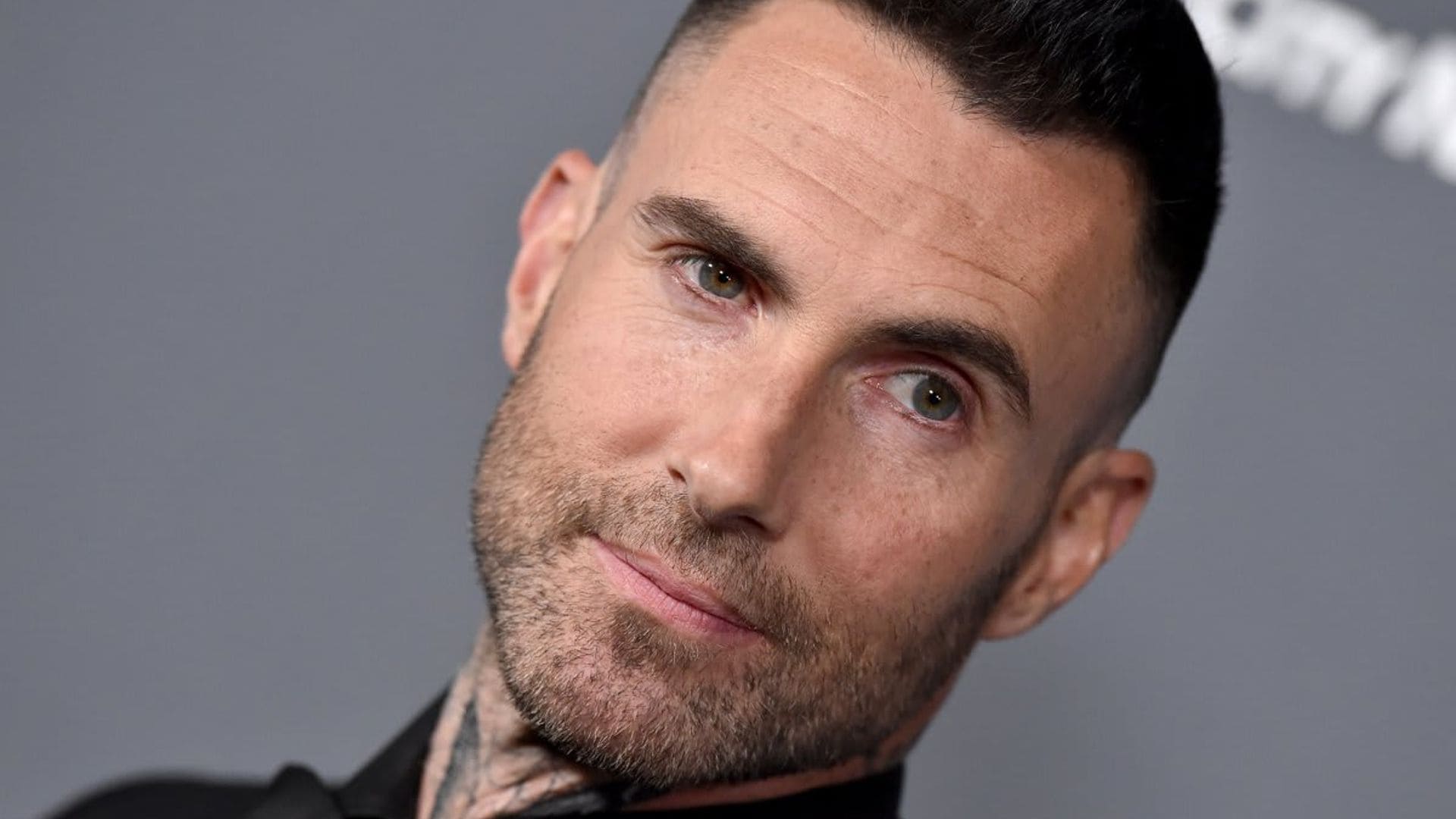
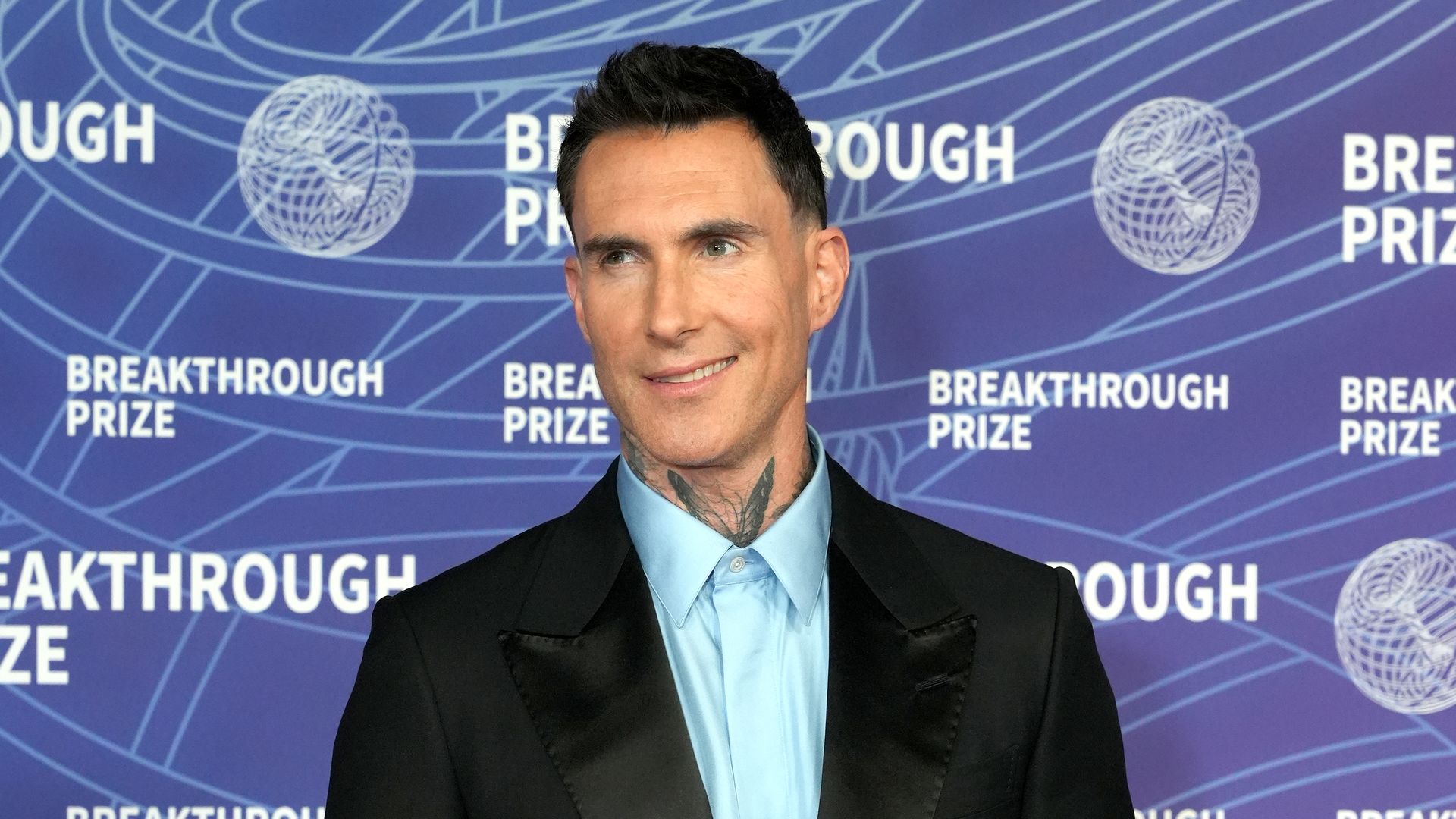
Adam Levine’s appearance over the years has frequently sparked public conversation, transitioning from a lean indie-rock frontman in the early 2000s to a heavily tattooed, bleached-blonde pop culture fixture. These noticeable shifts in his facial structure, grooming choices, and skin texture stem from natural aging, significant lifestyle modifications, distinct cosmetic choices, and fluctuating body weight rather than any single transformative medical intervention.
Public fascination with celebrity appearances often reaches a fever pitch when a familiar face undergoes sudden styling shifts or gradual maturation. As the lead singer of Maroon 5 and a former coach on NBC’s The Voice, Adam Levine has spent over two decades in the relentless glare of high-definition cameras, music videos, and tabloid photography. When fans notice differences in his jawline, facial fullness, skin texture, or hair color, speculation naturally follows. Understanding what actually accounts for these visual differences requires looking past sensationalized internet rumors and examining the physiological, stylistic, and natural realities of aging in the public eye.
The Timeline of Aesthetic and Stylistic Shifts
To understand how Adam Levine’s face has changed, it is helpful to trace his visual evolution across distinct eras of his career. Every phase brought unique styling choices, grooming trends, and natural biological changes that altered his overall presentation.
- Early 2000s: Indie-Rock Era
- 2010s: Mainstream Pop & Television Era
- Recent Years: Mature Styling & Tattoo Expansion
The Early Indie-Rock Era (2002–2007)
When Maroon 5 burst onto the global music scene with their debut album Songs About Jane, Levine presented a youthful, slender, and minimalist aesthetic. During this period, his face was characterized by a sharp, angular jawline, minimal facial hair, and his natural dark brown, medium-length hair. Because he was in his early to mid-twenties, his skin retained high levels of natural collagen and subcutaneous fat distributed evenly across the face, giving him a classic youthful softness that contrasted with his lean rock-star physique.
The Television and Mainstream Pop Era (2011–2019)
Levine’s tenure as a coach on The Voice, which began in 2011, exposed him to weekly television broadcasts, forcing his appearance into sharp focus. During this era, he began experimenting extensively with his personal style. He introduced heavy sleeve tattoos, frequently changed his hair color—ranging from platinum blonde to shaved buzzcuts—and began growing varying styles of facial hair, including scruff, mustaches, and full beards. Facial hair fundamentally alters how a person's jawline and facial proportions are perceived, often creating shadows that make features look sharper or more chiseled than they appear clean-shaven.
The Mature Era and Recent Public Appearances
In recent years, Levine has adopted a more mature, rugged look. Now in his mid-forties (as of 2026), his facial structure reflects standard maturation processes. The natural loss of facial fat pads, combined with changes in physical conditioning and fitness routines, has rendered his facial features more defined. Furthermore, his neck, chest, and face are now heavily covered in extensive tattoo work, which dramatically changes visual framing, drawing the human eye away from standard facial evaluation and toward a high-contrast canvas of body art.
Natural Aging and Physiological Factors
The most significant driver of facial change in any adult over a twenty-year span is biological aging. The human face undergoes predictable structural shifts between the ages of twenty and forty-five.
As people age, facial bones—particularly the maxilla and mandible—gradually resorb, meaning bone density slowly decreases. This process can subtly alter the support structure beneath the skin. Simultaneously, the fat pads that give the face youthful volume begin to shrink and descend due to gravity. This loss of mid-face volume often results in more pronounced nasolabial folds, a slightly more hollowed cheek appearance, and a sharper, more angular jawline as soft tissue thins out.
Skin elasticity also changes over time. Decreased production of collagen and elastin, exacerbated by environmental factors such as sun exposure and touring lifestyles, leads to changes in skin texture. When a person maintains a very low body fat percentage, as Levine frequently has throughout his fitness journey, these underlying structural changes become even more pronounced. Low overall body fat reduces subcutaneous facial fat, making cheekbones and jawlines appear sharper and more prominent.
Grooming, Styling, and Cosmetic Choices
Beyond natural biology, men in the entertainment industry utilize a wide array of grooming and cosmetic tools that can drastically alter their appearance from year to year.
Hair Color and Hairstyles
Hair is one of the most powerful framing tools for the human face. Levine has famously cycled through numerous hair colors, including peroxide blonde, silver, pink, and his natural dark brown. Light hair colors reflect light differently and can soften facial features or wash out skin tones, while dark hair creates high contrast against the eyes and skin, intensifying expressions. Additionally, shifting between a full head of hair, a tight buzzcut, or various lengths completely alters the perceived shape of the head and face, making the jawline appear wider or narrower depending on the cut.
Facial Hair Dynamics
Facial hair is another critical variable. A clean-shaven face exposes the exact contours of the chin, lips, and jaw. Conversely, a beard or heavy stubble can artificially square off a rounder jaw, hide submental fullness, or create the illusion of sharper bone structure. Levine’s frequent alternation between a clean-shaven look, heavy scruff, and structured mustaches has repeatedly sparked online discussions about whether his face has changed shape, when in reality, it is simply the facial hair creating a different optical frame.
Skincare, Maintenance, and Potential Procedures
Like many high-profile celebrities, Levine has access to advanced dermatological care, professional facials, chemical peels, and laser treatments designed to maintain skin clarity and slow the visible signs of aging. While rumors occasionally circulate regarding surgical interventions like facelifts or jaw surgery, industry experts note that his changes align entirely with non-surgical maintenance, fitness fluctuations, and standard aging. Dermatological treatments improve skin texture and manage hyperpigmentation or fine lines, but they do not fundamentally alter bone structure or facial architecture.
Comparison of Visual Eras
To clearly understand how different factors contribute to Levine's evolving look, the following table breaks down the primary characteristics across his career stages:
| Career Era | Approximate Age Range | Primary Styling Choices | Facial Structure Characteristics | Key Visual Drivers |
|---|---|---|---|---|
| Early Indie-Rock | Mid-20s | Dark medium hair, clean-shaven, minimal tattoos | Soft, youthful fullness, natural collagen retention | Natural youth, higher subcutaneous facial fat |
| Television/Pop | Early to mid-30s | Frequent hair color changes (blonde, buzzcut), scruff | Sharper jawline, emerging beard styling | Weight fluctuations, styling experimentation, early aging |
| Mature Era | Late 30s to mid-40s | Full tattoos, rugged beards, natural or short hair | More defined cheekbones, visible skin texture maturation | Natural loss of facial fat pads, fitness routines |
Addressing Rumors and Public Speculation
Because celebrity culture thrives on transformation narratives, minor shifts in weight or styling often prompt exaggerated claims across social media platforms like TikTok, X (formerly Twitter), and celebrity gossip blogs.
Internet speculation frequently attributes any change in a celebrity's face to dramatic plastic surgery. However, medical and grooming professionals point out that simple variables are routinely overlooked by casual observers:
- Hydration and Water Retention: High sodium intake, dehydration, jet lag, and tour schedules cause temporary facial swelling and bloating, which can make a face look significantly rounder or fuller on certain days.
- Weight Fluctuations: Even a minor shift of five to ten pounds can dramatically alter how fat is distributed across a man's face, changing the prominence of the jawline and cheeks.
- Lighting and Camera Lenses: High-definition television cameras, harsh stage lighting, and professional paparazzi lenses with varying focal lengths can distort facial proportions, exaggerating shadows and lines that are invisible in person.
Separating confirmed facts from internet rumors requires acknowledging these everyday biological and environmental realities. Levine has not publicly confirmed undergoing major facial cosmetic surgery, and his visual evolution matches the predictable trajectory of a public figure aging naturally while adapting to changing fashion trends and fitness regimes.
Conclusion and Next Actions
Adam Levine’s face changes are best understood as the combined result of natural aging, fluctuating body weight, grooming choices, and stylistic experimentation rather than dramatic surgical alterations. When tracking public figures over two decades, viewers should account for the normal physiological changes of passing time, including loss of facial volume and skin elasticity, as well as the powerful impact of hair color, facial hair, and personal styling.
For readers interested in analyzing celebrity appearances or understanding their own aging process, the best approach is to look at foundational elements like lighting, weight, and grooming before jumping to conclusions about medical procedures. Recognizing these natural patterns helps demystify the physical changes seen across the entertainment industry.