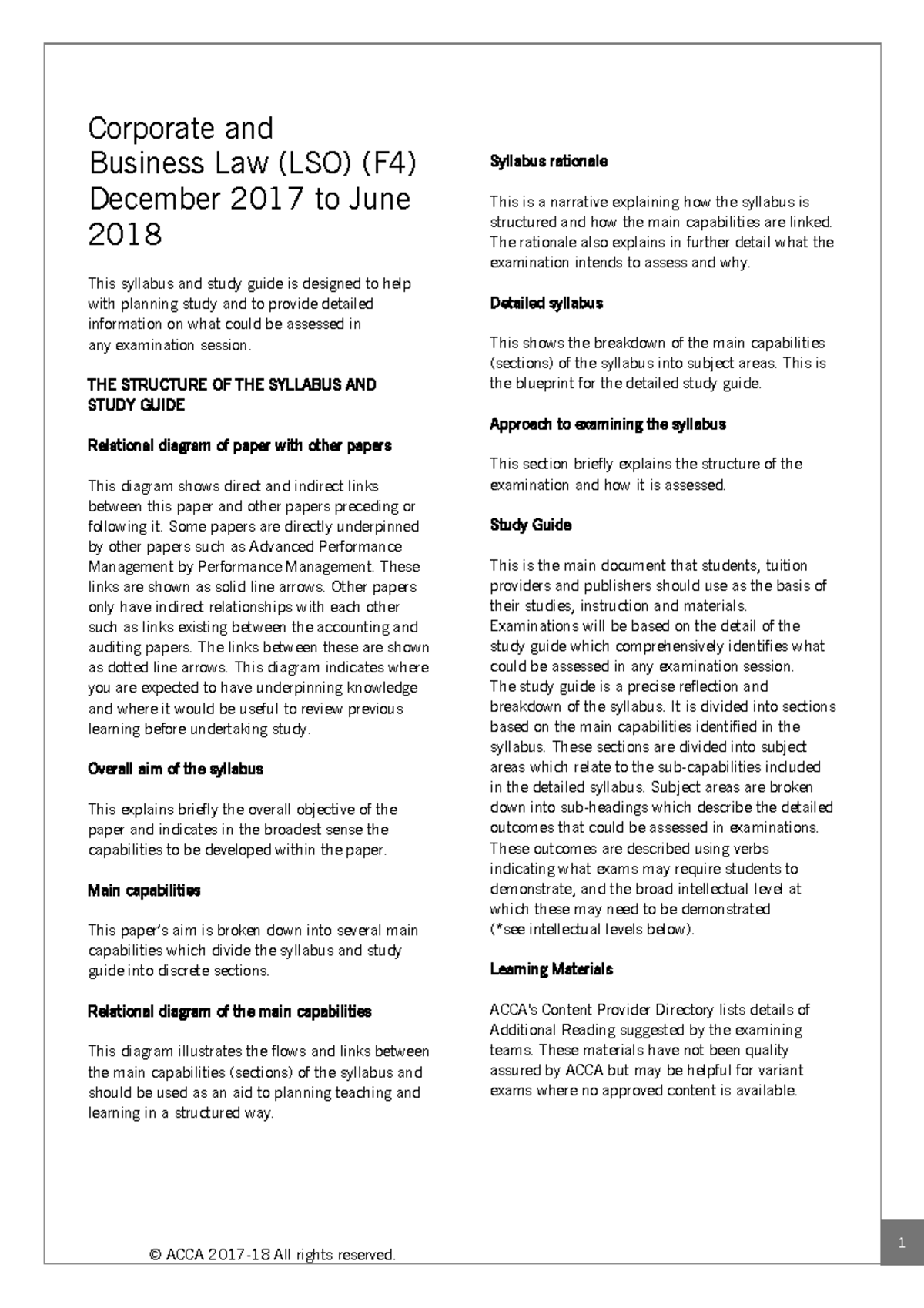
ACCA stands for the Association of Chartered Certified Accountants, a leading global professional body for accountants. Founded in 1904, it provides the "Chartered Certified Accountant" designation. In 2026, the qualification remains a premier standard for financial professionals, requiring the completion of 13 rigorous exams, an ethics module, and three years of supervised practical experience.
Understanding the Global Impact of the ACCA
The Association of Chartered Certified Accountants (ACCA) is one of the world's most influential professional accounting bodies. Headquartered in London, United Kingdom, it operates through a network of over 100 offices and centers globally. As of 2026, the organization supports more than 240,000 members and over 540,000 students in 180 countries. The designation is recognized by government bodies, financial institutions, and multinational corporations as a mark of technical excellence and ethical integrity.
The ACCA was founded with a core philosophy of opportunity and diversity. At a time when entry into the accounting profession was often restricted by social class or high entry fees, the ACCA provided an open-access route for talented individuals regardless of their background. This inclusive approach has allowed the organization to grow rapidly in emerging markets, particularly across Asia, Africa, and the Middle East, where it serves as a primary driver of financial professional standards.
Under its Royal Charter, the ACCA is mandated to act in the public interest. This means the organization does not merely serve its members but also works to ensure that the accounting profession contributes positively to the global economy. This involves setting high standards for financial reporting, auditing, and ethical conduct, and holding members accountable through a robust disciplinary framework.
The Path to Qualification: Exams, Ethics, and Experience
Becoming an ACCA member is a comprehensive process designed to ensure that candidates possess both theoretical knowledge and practical competence. The qualification is built on three essential pillars: the Exam Syllabus, the Ethics and Professional Skills Module (EPSM), and the Practical Experience Requirement (PER).
The Exam Syllabus Structure
The ACCA exams are divided into three distinct levels, each building upon the previous one. Candidates must pass 13 exams in total, although those with relevant degrees or prior professional qualifications may be eligible for exemptions.
Applied Knowledge Level: This level provides students with a broad introduction to the world of finance and accounting. It consists of three exams:
- Business and Technology (BT): Covers the business environment, organizational structure, and the role of accounting in a technology-driven world.
- Management Accounting (MA): Focuses on how to prepare and process basic cost and quantitative information to support management decision-making.
- Financial Accounting (FA): Introduces the techniques of double-entry accounting and the preparation of basic financial statements.
Applied Skills Level: This level develops the technical skills required of a professional accountant. It comprises six exams:
- Corporate and Business Law (LW): Examines the legal framework governing business transactions.
- Performance Management (PM): Focuses on management accounting techniques for planning, decision-making, and performance evaluation.
- Taxation (TX): Covers the tax system as it applies to individuals, single companies, and groups of companies.
- Financial Reporting (FR): Teaches the application of accounting standards to the preparation of financial statements for single entities and groups.
- Audit and Assurance (AA): Explores the process of carrying out assurance engagements and the professional regulatory framework.
- Financial Management (FM): Focuses on the financial manager's role regarding investment, financing, and dividend policy decisions.
Strategic Professional Level: This final level prepares students for leadership roles. It includes two mandatory "Essentials" exams and two "Options" exams chosen from four subjects:
- Strategic Business Leader (SBL): A multi-disciplinary exam that mirrors real-world workplace scenarios, focusing on leadership, governance, and strategy.
- Strategic Business Reporting (SBR): Requires students to apply accounting principles in a strategic context, including the implications of ethical dilemmas.
- Options: Students choose two from Advanced Financial Management (AFM), Advanced Performance Management (APM), Advanced Taxation (ATX), or Advanced Audit and Assurance (AAA).
The Ethics and Professional Skills Module (EPSM)
In 2026, the role of the accountant has shifted significantly toward advisory and ethical leadership. The Ethics and Professional Skills Module is an online, interactive program that students must complete—ideally before attempting the Strategic Professional exams. It uses real-world business simulations to develop "soft skills" such as communication, commercial acumen, and skepticism. The module ensures that ACCA members are not just technically proficient but also possess the integrity required to handle complex ethical dilemmas in a modern corporate environment.
The Practical Experience Requirement (PER)
The final requirement for membership is the Practical Experience Requirement (PER). Candidates must complete 36 months of supervised experience in a relevant accounting or finance role. During this time, they must achieve nine performance objectives (five mandatory and four optional) that demonstrate their ability to apply their knowledge in the workplace. This experience must be verified by a qualified Practical Experience Supervisor, typically a senior accountant or the candidate’s line manager.
Entry Requirements and Eligibility for 2026
The ACCA offers various entry points depending on an individual's educational background. This flexibility is one of the reasons it remains a popular choice for both school-leavers and working professionals.
- Graduate Entry: Individuals with a relevant degree (such as a Bachelor's in Accounting or Finance) from an ACCA-accredited university may start directly at the Applied Skills or Strategic Professional level, receiving exemptions for earlier exams.
- Professional Entry: Those who have completed other professional qualifications (such as the AAT or local CA qualifications) may also receive exemptions.
- Foundation in Accountancy (FIA): For those without the minimum entry requirements (such as two A-levels and three GCSEs), the ACCA offers the Foundation-level qualifications. Completing the Diploma in Accounting and Business through the FIA route allows students to progress directly into the main ACCA qualification.
In 2026, the ACCA has further integrated digital literacy requirements into its entry assessments, ensuring that all incoming students are prepared for the high level of automation and data analysis required in contemporary finance roles.
Costs and Fees: Budgeting for Your Qualification
Pursuing the ACCA is a significant financial investment. Fees are subject to annual review by the Association. As of the 2026 cycle, students should budget for the following primary costs:
| Expense Category | Estimated Cost (GBP) | Frequency / Notes |
|---|---|---|
| Initial Registration Fee | £80 – £100 | One-time payment upon joining. |
| Annual Subscription Fee | £130 – £150 | Payable every year while a student/member. |
| Applied Knowledge Exams | £90 – £110 per exam | Three exams in total. |
| Applied Skills Exams | £140 – £170 per exam | Six exams in total. |
| Strategic Professional Exams | £180 – £260 per exam | Four exams in total; SBL is usually higher. |
| Ethics & Professional Skills | £70 – £90 | One-time module fee. |
| Tuition and Study Materials | £3,000 – £8,000 | Varies by provider (Online vs. In-person). |
Total costs typically range from £5,000 to £12,000 over the course of the qualification, depending on the country of residence and the level of tuition support chosen. Many employers, particularly within the Big 4 accounting firms (Deloitte, PwC, EY, KPMG) and large multinational corporations, provide "study packages" that cover these costs and provide paid time off for exams.
Career Prospects and Earning Potential
Holding the ACCA designation opens doors to a wide array of career paths. Unlike some specialized qualifications, the ACCA’s broad syllabus allows members to work in almost any sector.
- Public Practice: Working within accounting firms to provide audit, tax, and advisory services to clients.
- Corporate Sector: Roles such as Financial Controller, Chief Financial Officer (CFO), or Internal Auditor within private companies.
- Financial Services: Opportunities in investment banking, risk management, and hedge fund administration.
- Public Sector and Non-Profits: Managing finances for government agencies, NGOs, and charities, where transparency and accountability are paramount.
In 2026, the demand for ACCA-qualified professionals remains high, particularly in the fields of Sustainability Reporting and Forensic Accounting. As global regulations around ESG (Environmental, Social, and Governance) become more stringent, companies require accountants who can verify non-financial data with the same rigor as financial statements.
Salaries for ACCA members are highly competitive. While entry-level trainees may start at modest salaries, newly qualified members often see a significant jump in earnings. In major financial hubs, a senior ACCA member with several years of post-qualification experience can expect to earn well into six figures, supplemented by performance bonuses and benefits.
Comparative Analysis: ACCA vs. CPA vs. CIMA
Prospective students often compare the ACCA with other major qualifications like the US CPA (Certified Public Accountant) or CIMA (Chartered Institute of Management Accountants). The choice often depends on geographic location and career goals.
| Feature | ACCA | US CPA | CIMA (AICPA) |
|---|---|---|---|
| Primary Focus | Holistic (Audit, Tax, Management, Strategy) | Regulatory, Audit, and US GAAP | Management Accounting and Business Strategy |
| Global Recognition | Very high across UK, EU, Asia, Africa | Highest in USA and US-based multinationals | High in corporate management and industry |
| Exam Structure | 13 exams over three levels | 4 exam sections | 12+ exams plus case studies |
| Duration | 3–4 years (average) | 1–2 years (post-university) | 3–4 years (average) |
| Experience Req. | 3 years (any relevant role) | 1–2 years (usually under a CPA) | 3 years (management-focused) |
The ACCA is often considered the most "portable" qualification because it is based on International Financial Reporting Standards (IFRS), which are used in most jurisdictions outside the United States.
Common Challenges and Success Strategies
The ACCA qualification is notoriously difficult, with pass rates for some Strategic Professional exams often hovering between 35% and 50%. Successful candidates generally employ the following strategies:
- Consistent Study Schedule: Given the depth of the syllabus, cramming is rarely successful. Students who dedicate 10–15 hours a week to study over several months perform significantly better.
- Focus on Question Practice: Understanding the theory is only half the battle. In 2026, all ACCA exams are Computer-Based Exams (CBEs), requiring students to be proficient in using spreadsheet and word-processing tools under time pressure.
- Utilizing Approved Learning Partners: The ACCA recognizes specific tuition providers that meet their high standards for pass rates and student support. Using these providers increases the likelihood of success.
- Prioritizing the Ethics Module: Completing the EPSM early helps students develop the mindset required for the Strategic Professional level, which focuses heavily on professional judgment rather than just technical calculations.
Frequently Asked Questions
Is the ACCA recognized in the United States?
While the ACCA is not a substitute for a US CPA license for signing audit reports in the US, it is highly respected by multinational corporations operating in the United States. Many ACCA members work in the US in management accounting, internal audit, or financial analysis roles.
Can I complete the ACCA entirely online?
Yes. In 2026, the ACCA offers a fully digital journey. This includes online registration, digital study materials from approved content providers, the online Ethics module, and remote-invigilated exams that can be taken from home in many jurisdictions.
How many years does it take to complete the ACCA?
On average, most students complete the exams in three to four years. However, the ACCA allows up to ten years to complete the Strategic Professional level once a student has passed their first exam at that level. The Applied levels have no such time limit.
What is the difference between a Chartered Accountant and a Certified Accountant?
Historically, "Chartered" referred to bodies established by Royal Charter, while "Certified" was used by other organizations. Today, the ACCA combines both in the title "Chartered Certified Accountant." In terms of legal standing and professional prestige, there is generally no difference in the UK and many other countries between an ACCA and an ACA (ICAEW) qualification.
Are there any exemptions for MBA holders?
Yes, MBA holders from recognized universities often receive exemptions from the Applied Knowledge and some Applied Skills exams. The exact number of exemptions is determined by the specific modules covered during the MBA program.
Final Recommendation
For individuals seeking a versatile, globally recognized, and ethically grounded career in finance, the Association of Chartered Certified Accountants remains a top-tier choice in 2026. If you are a student or a career-changer, your first step should be to use the ACCA Exemptions Calculator to see which exams you might skip based on your previous education. Following this, registering as a student and beginning the Ethics and Professional Skills Module early will provide the best foundation for the challenging Strategic Professional exams ahead.