AARP Medicare Advantage health plans, insured through UnitedHealthcare, are private insurance options that provide the benefits of Medicare Part A and Part B, often including Part D prescription drug coverage and additional wellness benefits. For 2026, these plans remain a dominant choice for beneficiaries seeking integrated dental, vision, and fitness coverage within a single monthly premium structure.
Understanding the Structure of AARP Medicare Advantage Plans
Medicare Advantage, also known as Medicare Part C, represents a shift from the traditional "fee-for-service" model provided by the federal government to a managed care model provided by private insurers. AARP does not provide insurance directly; rather, it lends its brand and endorsement to UnitedHealthcare (UHC). This partnership creates one of the largest networks of Medicare Advantage plans in the United States.
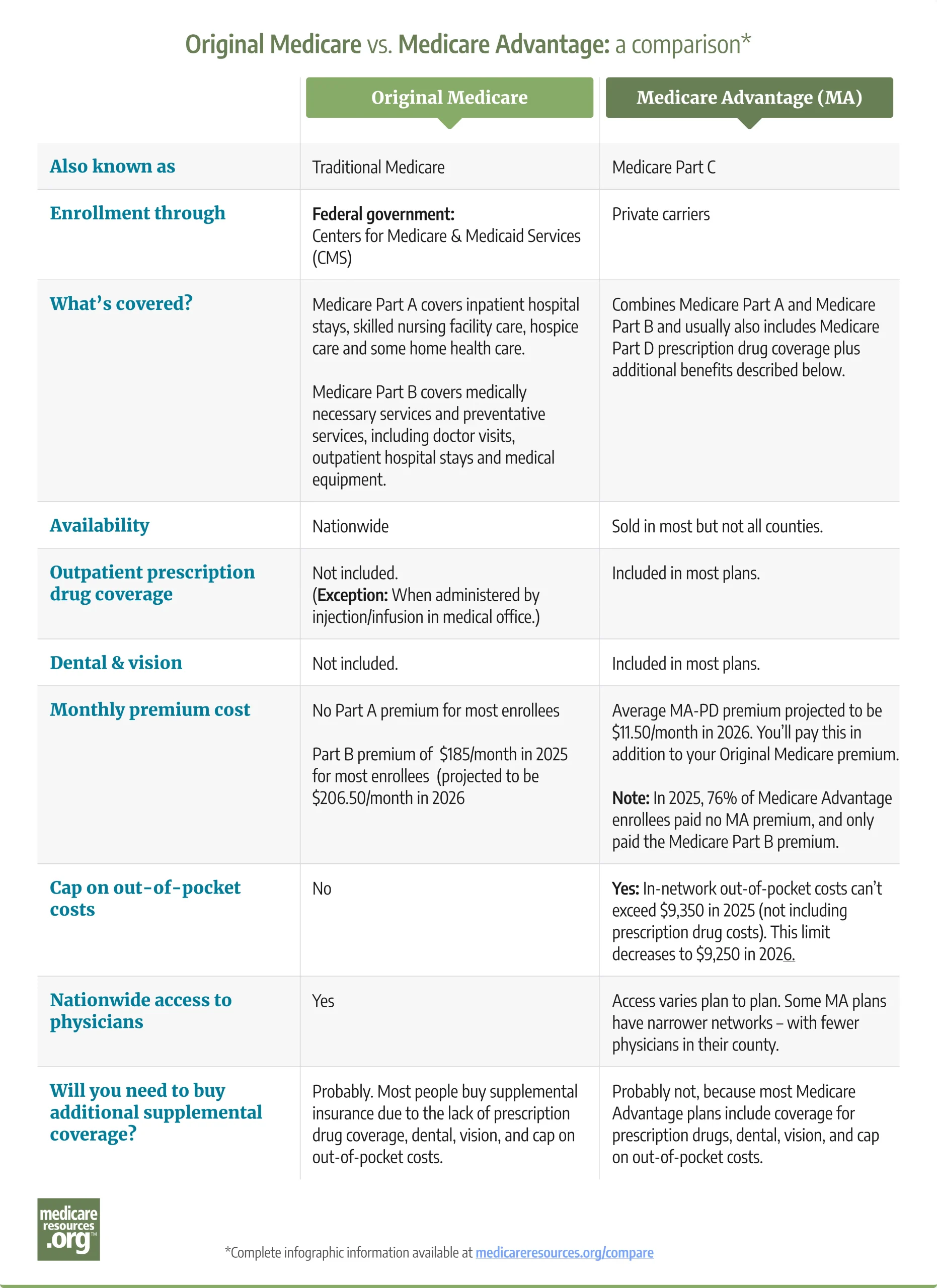
In 2026, these plans are designed to act as a "one-stop-shop" for healthcare. When you enroll in an AARP Medicare Advantage plan, you still have Medicare, but you receive your Part A (hospital) and Part B (medical) coverage from UnitedHealthcare instead of the federal government. The government pays the private insurer a set amount every month for your care, and in return, the insurer must provide at least the same level of coverage as Original Medicare, though they typically offer much more.
The Role of AARP and UnitedHealthcare
It is vital to distinguish the roles of these two entities. AARP is a nonprofit, nonpartisan organization dedicated to empowering people to choose how they live as they age. UnitedHealthcare is the actual insurance carrier responsible for processing claims, managing provider networks, and determining the specific clinical guidelines of the plans. To enroll in an AARP-branded Medicare Advantage plan, you generally must be an active member of AARP, which involves a nominal annual membership fee.
Core Coverage Components in 2026
The primary appeal of AARP Medicare Advantage plans is the consolidation of benefits. Instead of carrying a red, white, and blue Medicare card plus a separate Part D card and potentially a Medigap card, beneficiaries use a single member ID card for most of their healthcare needs.
Medical and Hospital Coverage
These plans cover all services that Original Medicare covers, including inpatient hospital stays, skilled nursing facility care, hospice, outpatient surgery, lab tests, and doctor visits. In 2026, the clinical criteria for what constitutes a "medical necessity" remain aligned with CMS (Centers for Medicare & Medicaid Services) guidelines, ensuring that beneficiaries receive standard-of-care treatments.
Prescription Drug Coverage (Part D)
Most AARP Medicare Advantage plans (MAPD) include prescription drug coverage. For the 2026 plan year, beneficiaries benefit significantly from the provisions of the Inflation Reduction Act. The most notable change is the $2,000 annual out-of-pocket cap on covered prescription drugs. Once a member spends $2,000 on their medications through their plan's pharmacy network, they pay $0 for the remainder of the calendar year. This cap provides a critical financial safety net for those with chronic conditions requiring expensive maintenance medications.
Supplemental Benefits: The "Extras"
Beyond the basics, AARP Medicare Advantage plans are known for "supplemental benefits" that Original Medicare does not cover:
- Dental Care: Many plans include coverage for exams, cleanings, and X-rays, with some high-tier plans offering allowances for crowns, bridges, and dentures.
- Vision Care: Routine eye exams and a yearly allowance for contact lenses or eyeglass frames and lenses.
- Hearing Services: Routine hearing tests and significantly discounted rates on hearing aids, often through UnitedHealthcare’s proprietary hearing health providers.
- Fitness Programs: The "Renew Active" program is a staple of these plans, providing access to thousands of gym locations, online workout videos, and brain health tools at no additional cost.
Comparing Plan Types: HMO vs. PPO
Choosing between an AARP Medicare Advantage HMO and a PPO is one of the most consequential decisions a beneficiary will make. The right choice depends on the balance between cost savings and the desire for provider flexibility.
| Feature | HMO (Health Maintenance Organization) | PPO (Preferred Provider Organization) |
|---|---|---|
| Network Restriction | Must use in-network providers (except emergencies). | Can use out-of-network providers (at a higher cost). |
| Primary Care Provider (PCP) | Usually required to coordinate care. | Not usually required, but recommended. |
| Referrals | Often required to see a specialist. | Generally not required. |
| Monthly Premium | Generally lower or $0 in many areas. | Often higher than HMO options. |
| Out-of-Pocket Costs | Predictable co-pays within the network. | Higher cost-sharing for out-of-network care. |
HMO (Health Maintenance Organization)
AARP Medicare Advantage HMO plans are typically the most affordable. They focus on a coordinated care model where your Primary Care Physician (PCP) acts as the "quarterback" of your health team. If you need to see a specialist, you may need a referral from your PCP. These plans are ideal for those who are comfortable staying within a specific network of doctors and hospitals to keep their monthly costs at a minimum.
PPO (Preferred Provider Organization)
AARP Medicare Advantage PPO plans offer significantly more freedom. You do not need a referral to see a specialist, and you have the option to see doctors outside the UnitedHealthcare network. However, using out-of-network providers will almost always result in higher out-of-pocket costs (higher co-insurance or co-pays). These plans are popular for retirees who travel frequently or those who have specific specialists they wish to keep.
Financial Considerations: Premiums, Deductibles, and MOOP
When evaluating an AARP Medicare Advantage plan in 2026, it is essential to look beyond the monthly premium. While many plans offer a $0 premium, this does not mean the plan is free.
The Part B Premium
Regardless of which Medicare Advantage plan you choose, you must continue to pay your Medicare Part B premium to the federal government (unless you qualify for Medicaid or another assistance program). The Medicare Advantage plan's premium is in addition to your Part B premium, though many AARP plans are priced at $0 to attract enrollees.
Maximum Out-of-Pocket (MOOP)
The MOOP is a crucial protection that Original Medicare lacks. It is the absolute maximum amount you could pay in a calendar year for covered Part A and Part B services. For 2026, CMS sets a legal upper limit on MOOP, but many AARP plans set their MOOP lower than the federal maximum to remain competitive. Once you reach this limit, the plan pays 100% of your covered medical expenses for the rest of the year.
Deductibles and Co-pays
Most plans feature a "co-pay" system for routine services, such as $0 to $10 for a primary care visit and $35 to $50 for a specialist. Deductibles may apply to hospital stays or specific drug tiers. It is important to review the Evidence of Coverage (EOC) document for any specific plan to understand these nuances.
Eligibility and Enrollment Windows
You cannot enroll in an AARP Medicare Advantage plan at any time. There are specific "windows" dictated by federal law.
- Initial Enrollment Period (IEP): This is the seven-month window surrounding your 65th birthday (three months before, the month of, and three months after). This is the first opportunity to join a plan.
- Annual Election Period (AEP): Occurring from October 15 to December 7 each year, this is when you can join, switch, or drop a Medicare Advantage plan. Changes made during this time take effect on January 1, 2026.
- Medicare Advantage Open Enrollment Period (MA OEP): From January 1 to March 31, individuals already enrolled in a Medicare Advantage plan can make a one-time switch to another Advantage plan or return to Original Medicare.
- Special Enrollment Periods (SEP): These are triggered by specific life events, such as moving to a new service area, losing employer-based coverage, or qualifying for "Extra Help" (low-income subsidy).
To be eligible for an AARP Medicare Advantage plan, you must:
- Be enrolled in Medicare Part A and Part B.
- Reside in the plan's specific service area (usually defined by county).
- Be a member of AARP (in most cases).
How to Compare and Select the Right Plan
Selecting a plan requires a methodical approach to ensure your specific medical and financial needs are met.
- Verify Your Doctors: Use the UnitedHealthcare online search tool to confirm that your preferred primary care doctors and specialists are "In-Network." Even if a plan is a PPO, staying in-network saves money.
- Check the Formulary: Each plan has a "Formulary" or list of covered drugs. Ensure your specific medications are covered and check which "tier" they fall under. Tier 1 and 2 are typically low-cost generics, while Tier 4 and 5 include expensive specialty drugs.
- Analyze the MOOP: If you have a chronic condition or anticipate surgery, a plan with a lower Maximum Out-of-Pocket limit may be more valuable than a plan with a $0 premium.
- Look at Star Ratings: CMS uses a five-star quality rating system to measure the performance of Medicare Advantage plans. These ratings are based on member satisfaction, clinical outcomes, and customer service. Medicare.gov provides these ratings annually.
Common Pitfalls and Troubleshooting
While AARP Medicare Advantage plans offer many benefits, there are common issues that beneficiaries should be aware of:
- Network Volatility: Doctors can leave a plan's network at any time during the year. If your doctor leaves, the plan is not required to let you switch plans mid-year unless you meet specific SEP criteria.
- Prior Authorization: Many services, such as MRIs, surgeries, or durable medical equipment, require "Prior Authorization." This means UnitedHealthcare must approve the service before it is performed, or they may refuse to pay.
- The "Travel" Issue: If you spend several months a year in a different state (e.g., "snowbirds"), ensure your plan has a national network or a "Passport" feature that allows you to receive in-network care in other regions.
Frequently Asked Questions
Do I have to be an AARP member to get an AARP Medicare Advantage plan?
Yes, in most instances, UnitedHealthcare requires an active AARP membership to enroll in their AARP-branded plans. However, you can join AARP at the same time you apply for the health plan. The membership is open to anyone aged 50 and older, and the annual fee is generally low.
Is UnitedHealthcare the same as AARP?
No. UnitedHealthcare is a for-profit insurance company that manages and insures the plans. AARP is a membership organization that endorses these plans and provides a brand name. All clinical decisions and claims processing are handled by UnitedHealthcare.
Can I keep my current doctor if I join an AARP Medicare Advantage plan?
You can keep your doctor only if they are a participating provider in the UnitedHealthcare network for that specific plan. If you choose a PPO plan, you can see a doctor out-of-network, but you will pay more. If you choose an HMO, you generally cannot see an out-of-network doctor except for emergency or urgent care.
What is the difference between AARP Medicare Advantage and AARP Medicare Supplement (Medigap)?
AARP Medicare Advantage (Part C) replaces your Original Medicare coverage and often includes drug coverage and extras like dental. AARP Medicare Supplement (Medigap) works alongside Original Medicare to pay for out-of-pocket costs like the 20% co-insurance. You cannot have both a Medicare Advantage plan and a Medigap plan at the same time.
How does the $2,000 drug cap work in 2026?
Starting in 2025 and continuing through 2026, the federal government has capped out-of-pocket spending for Part D prescription drugs at $2,000. This is an automatic feature of all Medicare Advantage plans that include drug coverage. Once you reach $2,000 in spend at the pharmacy, the plan covers 100% of your covered drug costs for the rest of the year.
Are dental and vision benefits truly "free"?
While many plans include these benefits at no extra monthly premium, they are rarely "limitless." Most plans have a "benefit maximum" (e.g., $1,500 per year for dental) or require co-pays for specific procedures like fillings or crowns. Always check the Summary of Benefits for the specific dollar limits.
Practical Recommendation: Next Steps
If you are considering an AARP Medicare Advantage plan for 2026, your first step should be to gather a list of all your current prescription medications (including dosages) and your preferred doctors. Visit the UnitedHealthcare Medicare website or use the Medicare.gov Plan Finder to input this data. This will provide an accurate estimate of your total annual costs.
Because networks and formularies change every year, even current members should perform this "check-up" during the Annual Election Period (Oct 15 – Dec 7). If you find that your medications have moved to a higher tier or your doctor is no longer in-network, this is your window to switch to a plan that better fits your needs for the coming year.