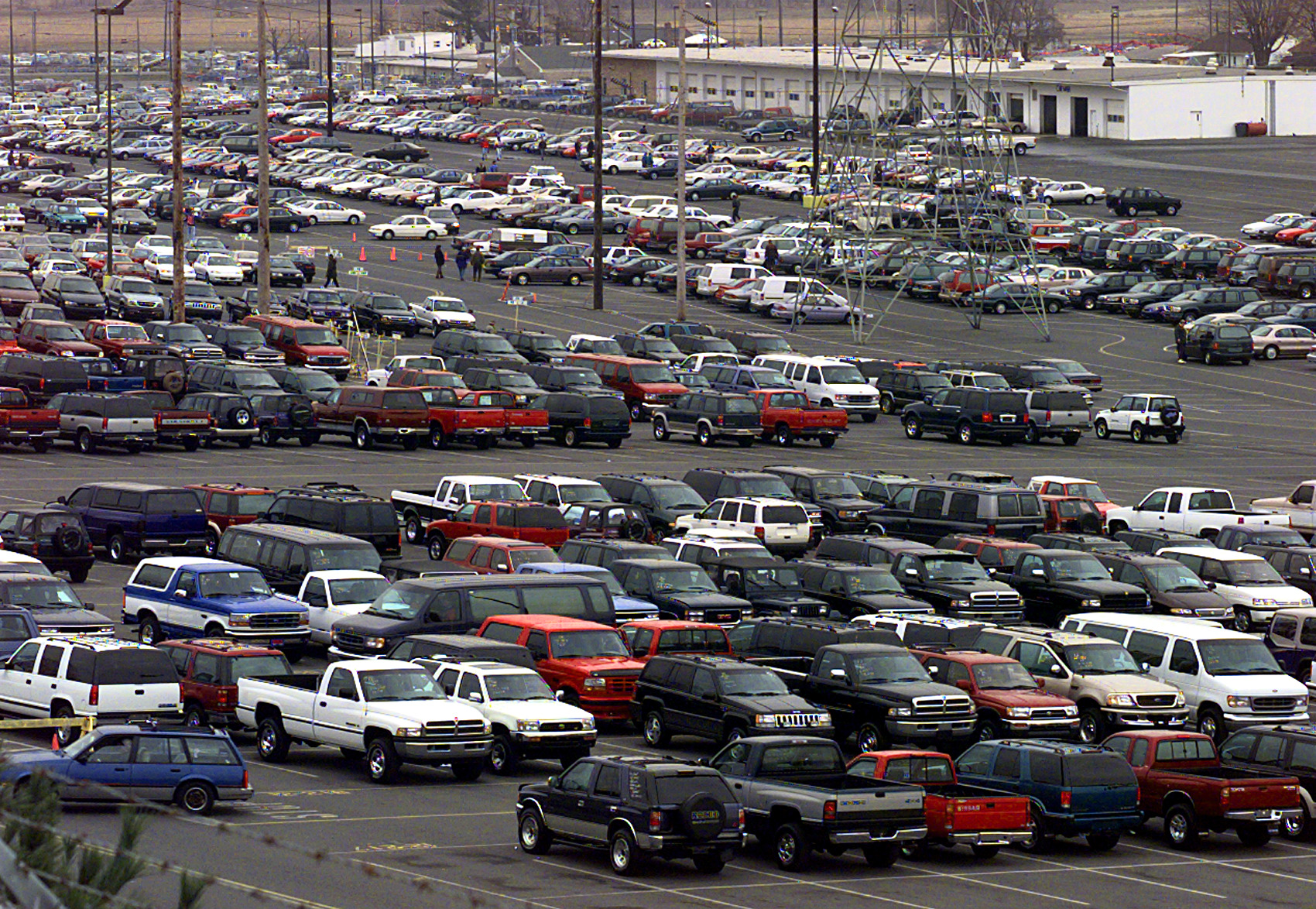
Navigating insurance auto auctions in North Carolina requires understanding state licensing laws, bidder registration requirements, and the distinct operational models of major salvage auction platforms. Whether you are seeking a total-loss vehicle for rebuilding, parting out, or scrap, buyers must navigate state-specific regulations enforced by the North Carolina Division of Motor Vehicles (NCDMV) License and Theft Bureau.
Insurance auto auctions—frequently associated with industry leaders like IAAI (Insurance Auto Auctions) and Copart—serve as the primary marketplace where insurance carriers, fleet operators, and financial institutions liquidate salvage, clear title, and clean title vehicles. Participating in these auctions within North Carolina involves fulfilling specific legal prerequisites, managing bidding platforms, understanding title classifications, and accounting for post-purchase transportation and fee structures.
Understanding the North Carolina Salvage Vehicle Market
The auto auction landscape in North Carolina is driven by vehicle loss determinations made by insurance companies following accidents, natural disasters, theft recoveries, or mechanical failures. When a vehicle sustains damage where the repair cost exceeds a statutory percentage of its pre-loss actual cash value, the insurance carrier declares the vehicle a total loss.
To sell these vehicles legally, the insurance company acquires the title from the owner and applies for a salvage or non-rebuildable title through the NCDMV. These vehicles are then consigned to regional auto auction facilities strategically located across North Carolina, including major industrial hubs like Charlotte, Raleigh, Greensboro, and Fayetteville.
Buyers entering this market must recognize that vehicles sold at insurance auto auctions are categorized strictly on an "as-is, where-is" basis. Unlike traditional retail car dealerships, auction houses do not perform mechanical inspections, reconditioning, or safety checks. The onus rests entirely on the bidder to assess structural integrity, mechanical functionality, and title status prior to placing a bid.
Licensing Requirements and Buyer Classifications
One of the most critical steps for anyone participating in insurance auto auctions in North Carolina is determining whether they possess the appropriate licensing to purchase specific vehicle categories. The NCDMV strictly regulates who can buy salvage vehicles based on state statutes.
Public Buyers vs. Licensed Dealers
North Carolina law establishes a clear demarcation between public buyers and licensed automotive professionals. The ability to bid on a vehicle often depends on whether the vehicle holds a clean title, a salvage title, or a certificate of destruction.
- Public Bidders: Individuals without a dealer license can generally bid on select vehicles designated as "No License Required" (NLR) or vehicles with clean titles. However, purchasing a salvage vehicle with a Salvage Certificate of Title typically requires a valid state-issued dealer license, dismantler license, or out-of-state equivalent.
- Licensed Dealers and Rebuilders: Licensed motor vehicle dealers, used car dealers, salvage yard operators, and licensed rebuilders possess the credentials required to purchase salvage-titled inventory. These buyers are authorized to apply for rebuilt salvage titles once the vehicle has been fully restored and inspected by an official NCDMV theft inspector.
Business Licenses and Broker Services
For individuals who want to buy salvage vehicles without holding a direct dealer license, third-party broker services operate within North Carolina. These brokers allow public buyers to leverage the broker's dealer license to bid on restricted inventory.
When utilizing a broker service, buyers must still adhere to all auction house rules, pay broker fees, and ensure that the final paperwork complies with NCDMV regulations. It is essential to verify that any broker operating in North Carolina is registered and in good standing with state consumer protection agencies.
Major Insurance Auto Auction Operators in North Carolina
The market infrastructure in North Carolina is anchored by national salvage auction networks with physical yards across the state. Understanding how these platforms operate helps streamline the purchasing process.
Insurance Auto Auctions (IAA)
IAA operates multiple facilities across North Carolina, offering digital and physical auction formats. Vehicles are processed through standardized intake procedures, cataloged with detailed photographs, odometer readings, and primary damage descriptions. IAA provides digital tools that allow registered users to track vehicle arrivals, view condition reports, and place proxy bids ahead of the live virtual auction.
Copart
Copart maintains a robust presence in North Carolina with yards situated near major metropolitan centers. Copart utilizes a proprietary VB3 digital auction platform where all bidding occurs online, even for vehicles physically located in a North Carolina yard. Copart categorizes vehicles using specific documents, such as clear titles, salvage titles, and non-repairable certificates, aligning directly with NCDMV compliance standards.
Step-by-Step Guide to Buying at North Carolina Insurance Auctions
Successfully securing a vehicle from an insurance auto auction requires a structured, multi-phase approach. Rushing through registration, inspection, or payment phases frequently leads to unexpected fees, storage charges, or title delays.
Step 1: Account Registration and Identity Verification
To begin, prospective buyers must create an account with the chosen auction platform (e.g., IAA or Copart).
- Provide government-issued photo identification (such as a driver's license or passport).
- Submit tax exemption documents or resale certificates if applicable.
- Upload copies of any required business licenses (dealer, dismantler, or rebuilder licenses) if bidding on restricted inventory.
- Provide a valid credit card or wire transfer capability to fund the initial security deposit.
Step 2: Vehicle Inspection and Research
Due diligence is the single most important factor in auction purchasing. Before placing a bid:
- Review Photo Galleries: Examine high-resolution images provided by the auction house. Look closely at panel gaps, glass integrity, airbag deployment indicators, and undercarriage conditions.
- Decode the VIN: Run the Vehicle Identification Number through independent vehicle history databases (such as NMVTIS, CARFAX, or AutoCheck) to verify title history, previous odometer readings, and branding history.
- Attend Physical Previews: Whenever yard policies permit, visit the North Carolina facility in person to inspect the vehicle's physical condition, verify missing parts, and assess structural damage.
Step 3: Financial Planning and Budgeting
Auction purchases involve costs beyond the final hammer price. Buyers must calculate total acquisition costs by factoring in:
- Buyer Fees: Tiered administrative fees charged by the auction house based on the final sale price.
- Internet Bidding Fees: Additional surcharges for participating in the auction via digital platforms.
- Gate and Loading Fees: Nominal charges assessed by the yard for loading the vehicle onto a transport trailer.
- Taxes and Registration Fees: North Carolina highway use tax and DMV titling fees applicable upon registration or titling transfer.
- Transportation Costs: Expenses related to hiring a commercial tow truck or flatbed haul to remove the vehicle from the yard.
Step 4: Bidding and Payment Execution
Bidding can take place via advance preliminary bidding or during the live virtual auction sale. Once a vehicle is won:
- Payment deadlines are strictly enforced by North Carolina auction yards—typically within two to three business days.
- Accepted payment methods usually include wire transfers, cashier's checks, or floor plan financing for licensed dealers. Cash and standard personal checks are rarely accepted.
- Failure to pay within the designated window results in late fees and potential account suspension.
Step 5: Vehicle Removal and Logistics
North Carolina auction yards enforce strict storage fee policies. Once payment is confirmed, buyers generally have a grace period of three to four business days to remove the vehicle from the facility before daily storage fees accrue.
Because salvage vehicles are frequently non-running, disabled, or missing wheels, buyers must coordinate with professional towing services equipped with winches and flatbed trailers.
Comparative Overview of Auction Requirements
| Requirement / Feature | Public Bidders (NLR Inventory) | Licensed Dealers / Rebuilders | Broker-Assisted Buyers |
|---|---|---|---|
| Eligible Inventory | Clean titles, select salvage with NLR status | Full access to clean, salvage, and non-repairable titles | Access restricted inventory via broker's license |
| Licensing Needed | None (Standard ID required) | Valid NC Dealer/Rebuilder License | None (Uses broker credentials) |
| Registration Deposit | Required (Typically $400 or 10% of bidding limit) | Required (Varies by platform) | Required by the specific broker service |
| Titling Outcome | Standard clean or clear title transfer | Salvage title requiring subsequent Rebuilt inspection | Varies based on buyer's ultimate licensing tier |
| Inspection Access | Permitted during designated preview hours | Permitted during designated preview hours | Permitted during designated preview hours |
Navigating North Carolina Title Brands and Rebuilding Rules
Purchasing a vehicle with a salvage title in North Carolina means the vehicle cannot be legally driven on public highways until it undergoes a rigorous restoration and inspection process supervised by the NCDMV License and Theft Bureau.
The Rebuilt Salvage Inspection Process
To convert a salvage title into a rebuilt salvage title in North Carolina, the owner must complete several statutory steps:
- Restoration: Repair the vehicle using OEM or certified aftermarket parts. All structural repairs must meet or exceed factory safety specifications.
- Documentation Collection: Maintain detailed, itemized receipts for every major component purchased during the rebuild, including engines, transmissions, airbags, and body panels. Salvage yards must provide bill-of-sale documentation for donor parts.
- Application Submission: Submit Form MVR-30 (Affidavit of Facts / Application for Salvage Rebuilt Inspection) along with photographs of the vehicle before, during, and after repairs to the NCDMV.
- Physical Inspection: Schedule an appointment at an authorized NCDMV inspector station. The inspector will verify VIN plates, check parts receipts against vehicle components, and ensure safety systems are fully operational.
- Title Issuance: Upon passing inspection, the NCDMV issues a Rebuilt Salvage title, allowing the owner to register, insure, and operate the vehicle on public roads.
Common Mistakes to Avoid
Navigating insurance auto auctions successfully requires avoiding pitfalls that can turn a bargain vehicle into a financial liability.
- Failing to Account for Hidden Damage: High-definition photos can mask frame twists, suspension damage, and hidden water or electrical intrusion. Always budget for unforeseen mechanical repairs.
- Ignoring Storage Deadlines: Auction yards operate on strict timelines. Missing the vehicle removal window results in rapid accumulation of daily storage fees that quickly erode profit margins.
- Overlooking Title Restrictions: Assuming a vehicle can be easily repaired and registered without verifying whether the title is branded as "Parts Only" or "Non-Rebuildable." Vehicles with these designations can never be retitled for road use in North Carolina.
- Underestimating Transport Logistics: Attempting to tow a salvage vehicle illegally with an unauthorized vehicle or failing to secure professional transport can result in roadside citations and yard delays.
Frequently Asked Questions
Can anyone buy a car at an insurance auto auction in North Carolina?
Public buyers can participate in North Carolina insurance auto auctions, but their purchasing power is restricted to vehicles that do not require an automotive dealer or dismantler license. Vehicles branded with strict salvage or non-repairable certificates are legally limited to licensed professionals or buyers utilizing certified broker services.
How do I pay for a vehicle won at a North Carolina auction yard?
Payment must be rendered swiftly, usually within two business days of the sale. Auction houses accept bank wire transfers, cashier's checks, and floor plan lines of credit. Personal checks, cash, and standard credit cards for full vehicle payments are generally not accepted due to anti-money laundering and security protocols.
What happens if I do not pick up my auction vehicle on time?
Auction facilities allocate limited space for inventory processing. If a vehicle is not removed within the designated grace period (typically three business days), the facility assesses daily storage fees. Prolonged failure to remove the vehicle can result in the auction yard declaring the vehicle abandoned and reselling it to recover costs.
Are vehicle mileage and condition guarantees provided?
No. All vehicles sold at insurance auto auctions are sold strictly "as-is, where-is" with no express or implied warranties. Odometer readings are documented as stated by the consignor, but auction houses do not guarantee mechanical functionality, structural integrity, or emissions compliance.
Can a "Parts Only" vehicle ever be registered in North Carolina?
No. Vehicles designated as "Parts Only," "Non-Rebuildable," or "Certificate of Destruction" are permanently barred from being titled, registered, or operated on public roads in North Carolina. These vehicles are strictly intended for dismantling, scrap metal, or off-road use.
Conclusion and Next Actions
Participating in insurance auto auctions in North Carolina offers substantial opportunities for car builders, dealers, and salvage enthusiasts, provided participants operate with thorough preparation and regulatory awareness. Before placing your first bid, establish your buyer classification, verify licensing requirements with the NCDMV, set a strict financial limit that includes fees and transport, and conduct meticulous physical or digital vehicle inspections. By respecting state title laws and auction yard policies, buyers can safely and successfully navigate the North Carolina salvage market.