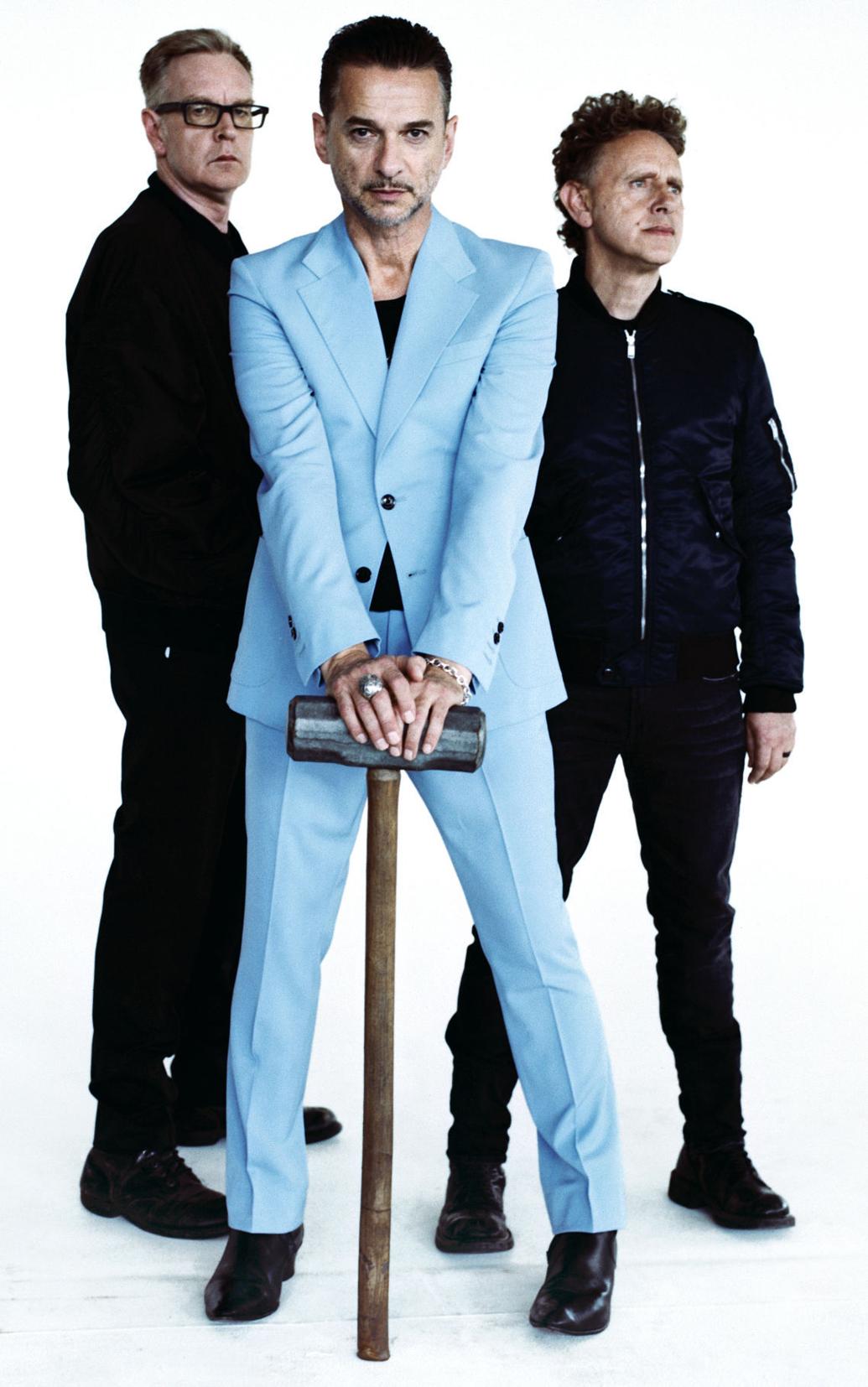
80s techno emerged as a revolutionary electronic music genre rooted in Detroit's post-industrial landscape, pioneered by visionary artists like Juan Atkins, Derrick May, and Kevin Saunderson. By blending European synth-pop with African-American funk and futurist philosophy, these "bands" and solo projects created a machine-driven sound that fundamentally reshaped global dance culture.
The Socio-Economic Origins of the Detroit Sound
To understand the rise of 80s techno bands, one must first look at the environment of Detroit, Michigan, during the late 1970s and early 1980s. As the American automotive industry began to decline, the city transitioned into a post-industrial state. This atmosphere of urban decay, contrasted with the lingering hope of technological progress, provided the perfect backdrop for a new kind of music.
The pioneers of this sound were not "bands" in the traditional sense of a four-piece rock group. Instead, they were often individual producers or small collectives who operated under various pseudonyms. They were deeply influenced by the futurist writings of Alvin Toffler, particularly his book The Third Wave, which coined the term "techno-rebels." These artists sought to use technology—specifically affordable synthesizers and drum machines—to create a soundtrack for a future that seemed both exciting and uncertain.
The "Belleville Three"—Juan Atkins, Derrick May, and Kevin Saunderson—attended Belleville High School together. They were united by a shared interest in the eclectic radio broadcasts of "The Electrifying Mojo" (Charles Johnson), a DJ who played everything from Kraftwerk and Tangerine Dream to Parliament-Funkadelic and Prince. This fusion of rigid European electronic structures with the fluid, rhythmic "swing" of American funk became the blueprint for techno.
The Evolution of 80s Techno Groups and Projects
The transition from early electronic experiments to what we now define as techno was a gradual process involving several key projects and "bands."
Cybotron: The Bridge to the Future
Formed by Juan Atkins and Rick Davis (a Vietnam veteran), Cybotron is arguably the most important "band" in the history of the genre. Their early 1980s work, such as the 1982 single "Clear," bridged the gap between the electro-funk of the time and the emerging techno sound. While Cybotron utilized vocals and structure similar to synth-pop, the focus shifted toward repetitive, sequenced patterns and a cold, "metallic" sonic palette.
Model 500 and the Birth of Pure Techno
After parting ways with Davis, Juan Atkins began releasing music as Model 500. This project stripped away many of the pop sensibilities of Cybotron, focusing instead on pure electronic textures. The 1985 release "No UFO's" is widely cited as one of the first true techno records. It showcased a minimalist approach to composition where the drum machine was the lead instrument, rather than just a backing track.
Rhythm Is Rhythm and the Emotional Machine
Derrick May, recording under the name Rhythm Is Rhythm (and sometimes Rhythim Is Rhythim), brought a more sophisticated, "high-tech soul" approach to the genre. His 1987 masterpiece "Strings of Life" is a milestone in electronic music history. By combining frantic, sequenced piano stabs with a complex drum pattern, May demonstrated that techno could be deeply emotional and cinematic, despite its mechanical origins.
Inner City and Global Crossover
While Atkins and May focused on the underground, Kevin Saunderson achieved massive commercial success with Inner City, a collaboration with vocalist Paris Grey. Tracks like "Big Fun" (1988) and "Good Life" (1988) took the driving rhythms of Detroit techno and added soulful house-inflected vocals. This project was instrumental in bringing the Detroit sound to the UK and European charts, paving the way for the global rave explosion.
Technological Milestones and Instrument Identity
The sound of 80s techno was dictated as much by the limitations and quirks of the hardware as it was by the creativity of the artists. In 2026, many of these instruments are still revered as the "gold standard" for electronic production.
- The Roland TR-808 Rhythm Composer: Released in 1980, the 808 was initially a commercial failure because its sounds didn't resemble real drums. However, its deep, booming kick drum and crisp cowbell became the heartbeat of early techno and electro.
- The Roland TR-909: Launched in 1983, the 909 offered a hybrid of analog synthesis and digital samples. Its punchy snare and "hissing" open hi-hats provided the driving force for the harder, faster techno tracks of the late 80s.
- The Roland TB-303 Bass Line: Originally intended to accompany guitarists for practice, the 303’s "squelching" resonant filter was rediscovered by electronic producers. While more associated with "Acid House," it was a staple in the late-80s techno repertoire.
- The Yamaha DX7: This FM synthesizer allowed producers to create icy, digital bells and metallic basses that perfectly captured the "post-industrial" aesthetic of Detroit.
The mastery of these machines allowed 80s techno bands to work independently of major studios. This democratization of music production is one of the genre's most significant legacies.
Major Milestones in the 1980s Techno Timeline
The development of techno was marked by several pivotal moments that moved the genre from local Detroit basement parties to international acclaim.
| Year | Milestone / Event | Significance |
|---|---|---|
| 1981 | Release of "Sharevari" by A Number of Names | Often cited as the first "Techno" record, bridging disco and electronic music. |
| 1982 | Cybotron releases "Clear" | Established the electronic-funk blueprint for the Detroit scene. |
| 1985 | Juan Atkins founds Metroplex Records | The first independent label dedicated exclusively to the Detroit techno sound. |
| 1987 | Release of "Strings of Life" | Provenance of the "high-tech soul" aesthetic; a global club anthem. |
| 1988 | Techno! The New Dance Sound of Detroit | The Virgin Records compilation that introduced the term "Techno" to the UK/Europe. |
| 1988 | Inner City's "Big Fun" hits UK Top 10 | Proved that techno had massive commercial potential on a global scale. |
| 1989 | The opening of the Music Institute | A legendary Detroit club that served as a laboratory for new techno sounds. |
The Global Migration: Detroit to the UK and Berlin
By 1988, the "Second Summer of Love" was in full swing in the United Kingdom. British DJs and promoters had discovered the records coming out of Detroit and Chicago, integrating them into the burgeoning rave scene. The compilation album Techno! The New Dance Sound of Detroit, released by 10 Records (a subsidiary of Virgin), was a watershed moment. It was the first time the word "techno" was used as a definitive marketing term for the genre, distinguishing it from Chicago House.
In Germany, particularly in Berlin, the Detroit sound found an even more profound resonance. Following the fall of the Berlin Wall in 1989, the city’s youth used abandoned industrial spaces in the former East—vaults, bunkers, and power plants—to hold massive techno parties. The cold, mechanical, yet liberating sound of Detroit techno mirrored the feelings of a newly unified but scarred city. Bands like Underground Resistance (formed in the very late 80s) would later cement this Detroit-Berlin axis, creating a cultural bridge that remains strong in 2026.
The Philosophical and Aesthetic Legacy
The legacy of 80s techno bands extends far beyond the dance floor. They pioneered a "faceless" aesthetic that prioritized the music and the collective experience over the ego of the performer. Many 80s techno producers used multiple aliases to release music on different labels, intentionally obscuring their identities. This was a radical departure from the "star system" of rock and pop music.
Techno also introduced the concept of the "producer as auteur." In the 80s, these artists were often the songwriters, performers, engineers, and label owners all at once. This DIY ethos inspired the home-studio revolution of the 90s and the bedroom-producer culture of the 21st century.
Furthermore, 80s techno established a specific visual language. The use of futuristic, geometric, and industrial imagery in cover art (often designed by artists like Abdul Haqq) created a cohesive world-building experience. It wasn't just music; it was a vision of a computerized, automated society.
Impact on Modern Electronic Music (2026 Perspective)
As of 2026, the influence of 80s techno is ubiquitous. The minimalist aesthetic pioneered by Model 500 can be heard in contemporary techno, tech-house, and even certain branches of hip-hop and pop. The "loop-based" composition style, which was a necessity due to the hardware limitations of the 80s, has become the standard method of electronic music creation.
Modern digital audio workstations (DAWs) still feature "emulations" of the TR-808 and TR-909 as standard plugins, proving that the sonic choices made by Detroit producers forty years ago remain the foundation of the industry. The 80s techno bands didn't just create a subgenre; they established a new way of thinking about the relationship between humans and machines in art.
For more detailed historical context on the Detroit scene, the Detroit Historical Society provides an excellent overview of the city's musical evolution. Additionally, for technical specifications of the gear that defined the era, Roland's archives offer insight into the development of the TR and TB series.
Frequently Asked Questions
What is the difference between 80s Techno and 80s House?
While both genres originated in the American Midwest (Techno in Detroit, House in Chicago), they have distinct characteristics. 80s House music is typically warmer, more disco-influenced, and often features soulful vocals and piano. 80s Techno is generally more minimalist, mechanical, and focused on futurist, synthetic textures. Techno often lacks the "swing" found in house, opting for a more rigid, metronomic feel.
Who are the "Belleville Three"?
The Belleville Three are Juan Atkins, Derrick May, and Kevin Saunderson. They are the three individuals most credited with inventing and popularizing Detroit Techno. They met while attending high school in Belleville, Michigan, and collaborated on various projects throughout the 1980s that defined the genre's sound.
Was Cybotron a real band or just one person?
Cybotron was a duo consisting of Juan Atkins and Rick Davis. Unlike many other techno projects that were solo endeavors, Cybotron functioned more like a traditional electronic band, with both members contributing to the synthesis and programming. They released several influential singles and the album Enter (1983) before Atkins left to pursue solo work as Model 500.
Why did 80s techno become so popular in Europe?
Europe, particularly the UK and Germany, had a pre-existing affinity for electronic music thanks to pioneers like Kraftwerk and Depeche Mode. When the raw, energetic sound of Detroit techno arrived, it fit perfectly into the burgeoning rave and club culture of the late 80s. The industrial landscape of cities like Manchester and Berlin also mirrored the conditions in Detroit, making the music feel culturally relevant to European youth.
What was the first "Techno" song ever recorded?
This is a subject of debate. "Sharevari" (1981) by A Number of Names is often cited as the earliest precursor. However, Juan Atkins' "No UFO's" (1985) is generally considered the first record to fully embody the "Techno" sound and philosophy without the disco or electro-funk trappings of earlier works.
Practical Recommendation for Exploring 80s Techno
For those looking to understand the roots of the genre, start by listening to the compilation Techno! The New Dance Sound of Detroit (1988). It provides a comprehensive snapshot of the era. Producers should study the sequencing patterns of the Roland TR-909, as mastering the "shuffling" hi-hats and syncopated snare hits is essential for recreating the authentic 80s techno feel. If you are a historian or collector, seek out original pressings from the Metroplex, Transmat, and KMS labels, as these were the three primary outlets for the Belleville Three and their contemporaries.