Insuring a BMW i8 in 2026 requires navigating a landscape of misconceptions regarding its hybrid technology, carbon-fiber construction, and status as a discontinued "modern classic." While the i8 remains one of the most striking vehicles on the road, the reality of its insurance costs and requirements is often obscured by myths that can lead owners to overpay or settle for inadequate coverage.
Contrary to popular belief, insuring a BMW i8 is not inherently more complex than insuring other high-end luxury sports cars, provided you understand its unique "LifeDrive" architecture and how underwriters view its risk profile. While premiums are higher than the national average for a standard sedan, the i8 often benefits from lower rates than its purely internal combustion competitors due to its smaller engine displacement and advanced safety suite.
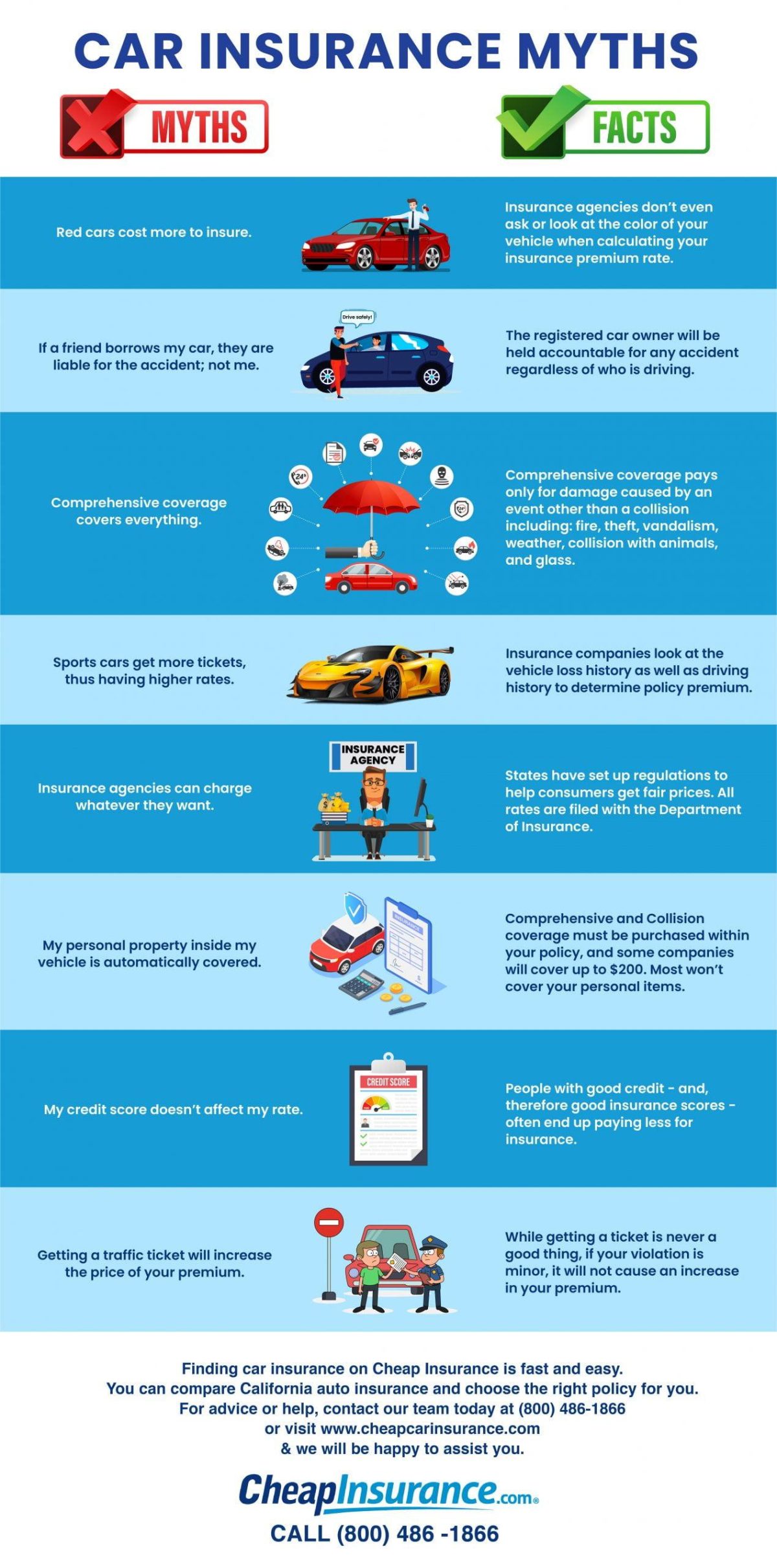
Myth 1: The BMW i8 is the Most Expensive BMW to Insure
One of the most persistent myths is that the i8 sits at the top of the insurance premium hierarchy simply because of its futuristic looks and original six-figure price tag. In 2026, actuarial data shows that this is rarely the case.
Insurance companies categorize vehicles based on "loss cost" data, which includes the frequency of claims and the severity of those claims. While the i8 is expensive to repair, it is often driven less frequently than a BMW M5 or an M8. Owners typically treat the i8 as a secondary or weekend vehicle, which significantly reduces the probability of an accident.
Furthermore, the i8’s drivetrain—a 1.5-liter turbocharged three-cylinder engine paired with an electric motor—places it in a different risk category than the high-horsepower V8 engines found in the M-division cars. Insurers often view the "driver profile" of an i8 owner as more mature and less prone to the aggressive driving behaviors associated with traditional track-focused sports cars. Consequently, an M8 Competition often commands a higher premium than a well-maintained i8.
Myth 2: Carbon Fiber Construction Makes the i8 Unrepairable
The BMW i8 was a pioneer in using a Carbon Fiber Reinforced Plastic (CFRP) passenger cell, known as the "Life Module." A common myth is that any damage to this structure results in an automatic "total loss" from the insurance company because carbon fiber cannot be repaired like steel or aluminum.
This is fundamentally incorrect. BMW developed a specific modular repair strategy for the i8’s CFRP structure. The Life Module is designed so that specific sections can be cut out and replaced using patented bonding and riveting techniques. Authorized BMW Carbon Fiber Repair Centers use precision templates to ensure the structural integrity is returned to factory specifications.
From an insurance perspective, this means that while a "fender bender" involving the CFRP might be more expensive than a traditional repair, it is far from impossible. The key for owners is ensuring their policy includes "Choice of Repair Shop" coverage, allowing the vehicle to be sent to one of the few certified facilities capable of handling carbon fiber, rather than a general body shop that might incorrectly declare it a total loss.
Myth 3: The Hybrid Battery Makes it a High Fire Risk and High Premium Car
As we move through 2026, the stigma surrounding high-voltage hybrid batteries persists. Some believe that the i8’s 11.6 kWh (in later models) or 7.1 kWh (in early models) lithium-ion battery pack makes the car a "rolling fire hazard," leading to inflated insurance premiums.
In reality, the i8's battery is encased in a structural aluminum housing located low and centrally in the "Drive Module," which is the chassis that holds the powertrain and suspension. This location is one of the most protected areas of the vehicle. According to data from the National Highway Traffic Safety Administration (NHTSA), hybrid and electric vehicles do not have a higher frequency of fires compared to internal combustion vehicles.
Insurers are more concerned with the replacement cost of the battery than fire risk. However, the i8’s battery is modular. If a cell is damaged, specialized technicians can often replace individual modules rather than the entire pack. This modularity helps keep potential claim costs—and therefore premiums—within a reasonable range compared to full EVs with massive, non-modular floor-pan batteries.
Myth 4: You Can Only Insure a BMW i8 with Specialty "Exotic" Carriers
Many prospective owners believe that mainstream insurers like State Farm, Geico, or Progressive will reject the i8, forcing them into expensive "Exotic Car" policies.
While specialty carriers like Hagerty or Grundy offer excellent "Agreed Value" policies that are ideal for collectors, almost all major standard carriers will write a policy for a BMW i8. The i8 has been in the market long enough (since 2014) for insurers to have robust data on its safety and repair costs.
| Policy Type | Best For | Key Advantage | Potential Drawback |
|---|---|---|---|
| Standard / Actual Cash Value | Daily drivers | Easy to bundle with home insurance | Payout based on depreciated market value |
| Agreed Value (Specialty) | Low-mileage collectors | Payout is a pre-determined amount | Strict mileage and storage requirements |
| Stated Value | Modified i8s | Account for custom wraps/wheels | Insurer can still pay "Actual Cash Value" |
Choosing between a standard carrier and a specialty carrier in 2026 often comes down to how you use the car. If the i8 is your daily commuter, a standard carrier is more appropriate. If it is a garage queen, a specialty "Agreed Value" policy is superior because it protects the car's potential appreciation as a collector's item, whereas a standard policy will only pay the depreciated market value at the time of a loss.
Myth 5: Advanced Driver Assistance Systems (ADAS) Don't Lower i8 Premiums
There is a misconception that because the i8 is a "driver's car," its safety tech is secondary and doesn't influence insurance costs. On the contrary, the i8 was ahead of its time with the BMW Driving Assistant package.
Features such as Surround View, Speed Limit Info, High Beam Assistant, and Frontal Collision Warning with Pedestrian Protection are highly valued by insurance actuaries. These systems significantly reduce low-speed "parking lot" accidents and high-speed frontal collisions. When getting an insurance quote in 2026, ensure the agent identifies all the active safety features of your specific VIN. Often, the safety discounts applied to the i8 can offset the "performance" surcharge that typically accompanies a sports car.
Myth 6: The "Discontinued" Status Automatically Increases Rates
Production of the BMW i8 ended in 2020. A common myth is that because the car is no longer in production, parts are scarce, and insurance rates must skyrocket to compensate for long repair times and high parts costs.
BMW has a long-standing commitment to parts availability for its "i" brand and flagship models. Most mechanical parts are shared with other BMW models (for example, the B38 engine components are widely used), and structural parts remain in production for at least 10 to 15 years after a model's discontinuation.
While it is true that a specialized part—like a butterfly door hinge or a specific laser light headlight assembly—can be expensive, the "discontinued" status does not cause a linear increase in premiums. Instead, premiums are influenced more by the age of the driver and the geographical location than by the vehicle's production status. In 2026, the i8 is viewed as a "stable" risk because its depreciation curve has flattened, making the "Total Loss" threshold easier for insurers to calculate.
Myth 7: Modifications Like Custom Wraps or Scissor Door Adjustments Are Covered by Default
Because the i8 is a "statement car," many owners apply vinyl wraps, aftermarket wheels, or custom interior trim. The myth is that a "full coverage" policy automatically covers these additions.
In reality, most standard policies only cover the vehicle as it left the factory. If you have a $5,000 custom satin chrome wrap and the car is keyed or involved in a collision, a standard insurer will only pay to return the car to its original factory paint color.
To ensure modifications are covered, owners must add a Custom Parts and Equipment (CPE) rider to their policy. This is particularly important for the i8’s unique aesthetic features. Even "hidden" modifications, like an aftermarket exhaust or a "tune" for the electric motors, should be disclosed. Failure to disclose performance modifications could theoretically lead to a claim denial if the insurer argues the modification increased the risk of the accident.
Factors Influencing BMW i8 Insurance Costs in 2026
To understand your premium, you must look beyond the car itself and consider the external variables that insurers prioritize:
Geographic Location and Storage
Where you keep your i8 is as important as how you drive it. A car garaged in a high-theft area of Los Angeles will cost significantly more to insure than one kept in a climate-controlled facility in suburban Ohio. Furthermore, the i8’s low ground clearance makes it susceptible to flood damage. If you live in a coastal area, your comprehensive coverage will be higher.
Annual Mileage
The i8 is a plug-in hybrid (PHEV), and many owners use it for short, electric-only trips. If you can prove your annual mileage is under 5,000 miles, you may qualify for "Low Mileage" discounts. Some insurers in 2026 offer "pay-per-mile" programs that are ideal for i8 owners who only take the car out for club meets or weekend drives.
Deductible Selection
Given that even a minor scratch on the i8's thermoplastic body panels can cost upwards of $2,000 to repair, many owners opt for a lower deductible ($500). However, raising the deductible to $1,500 or $2,500 can reduce the annual premium by as much as 15-20%. Because i8 owners are generally financially stable, "self-insuring" for small dings while maintaining high-limit coverage for catastrophic losses is a common and effective strategy.
Essential Coverage Types for the BMW i8
When structuring your policy, don't settle for the state minimums. A car of this caliber requires specific protections:
- Gap Insurance: If you are financing a used i8, gap insurance is vital. If the car is totaled, the market value might be less than what you owe on the loan.
- OEM Parts Coverage: This ensures that the insurance company cannot force the use of "aftermarket" or "refurbished" parts for repairs. For the i8, you want genuine BMW components.
- Glass Coverage: The i8 features specialized lightweight Gorilla Glass for the rear window and a complex windshield. Replacing these can be incredibly expensive, so a $0-deductible glass rider is highly recommended.
- Uninsured/Underinsured Motorist (UM/UIM): Given the i8's value, you must protect yourself against drivers who carry no insurance or only the bare minimum, which wouldn't cover a fraction of an i8's repair costs.
Frequently Asked Questions
Does the BMW i8 qualify for "Green Car" insurance discounts?
Yes, many insurers offer a 5% to 10% discount for hybrid and electric vehicles. While this is a nice perk, it usually only applies to the "medical payments" or "personal injury protection" portion of the premium, so it won't drastically reduce the overall cost. The Insurance Information Institute (III) provides resources on how different states handle alternative fuel vehicle incentives.
Why is the windshield replacement so expensive to insure?
The i8 windshield isn't just glass; it often houses sensors for the rain-sensing wipers, the frontal collision camera, and the Head-Up Display (HUD) projector. Replacing the glass requires recalibrating these systems, which can only be done with specialized BMW diagnostic software, driving up the "comprehensive" portion of your insurance.
Is the BMW i8 Roadster more expensive to insure than the Coupe?
Generally, yes. The Roadster (released in 2018) typically commands a 10-15% higher premium than the Coupe. This is due to the increased complexity of the folding soft-top mechanism and the higher market value of the Roadster models. Additionally, convertibles are statistically slightly more prone to theft and weather-related interior damage.
Can I track my BMW i8 on a standard insurance policy?
No. Almost all standard and even specialty auto insurance policies strictly exclude "timed events" or "racing surfaces." If you plan to take your i8 to a track day, you must purchase separate Track Day Insurance. This is a short-term policy that covers the vehicle specifically while it is on the circuit.
Does the BMW i8's "LifeDrive" architecture affect personal injury protection (PIP)?
The i8 is exceptionally safe. The CFRP Life Module is incredibly rigid and provides a high level of occupant protection. Many insurers recognize this high safety rating, which can lead to lower rates for the medical/injury portion of your policy compared to cars with traditional steel frames that might have lower crash-test scores.
Final Recommendations for i8 Owners
To get the best insurance value for your BMW i8 in 2026, you should avoid the "set it and forget it" mentality. Every two years, shop your rate between a high-end standard carrier and a specialty insurer.
Always provide your insurer with a detailed list of factory options, particularly the Laserlight headlights and the Protonic Red/Frozen Edition paint codes, as these significantly affect the replacement value. Finally, prioritize a policy that offers Agreed Value if you intend to keep the car as a long-term investment, ensuring that the unique market position of this hybrid icon is fully protected.