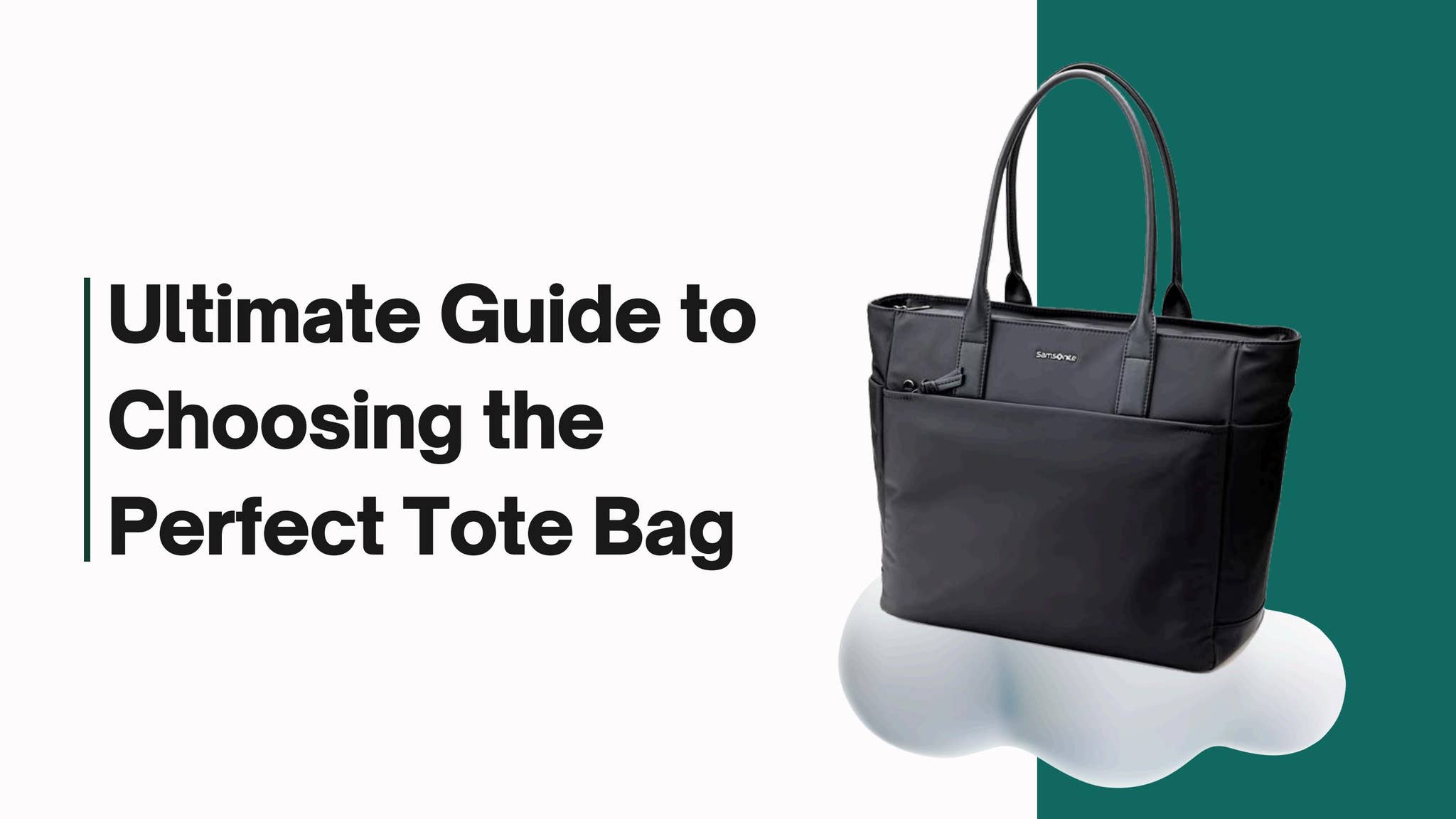
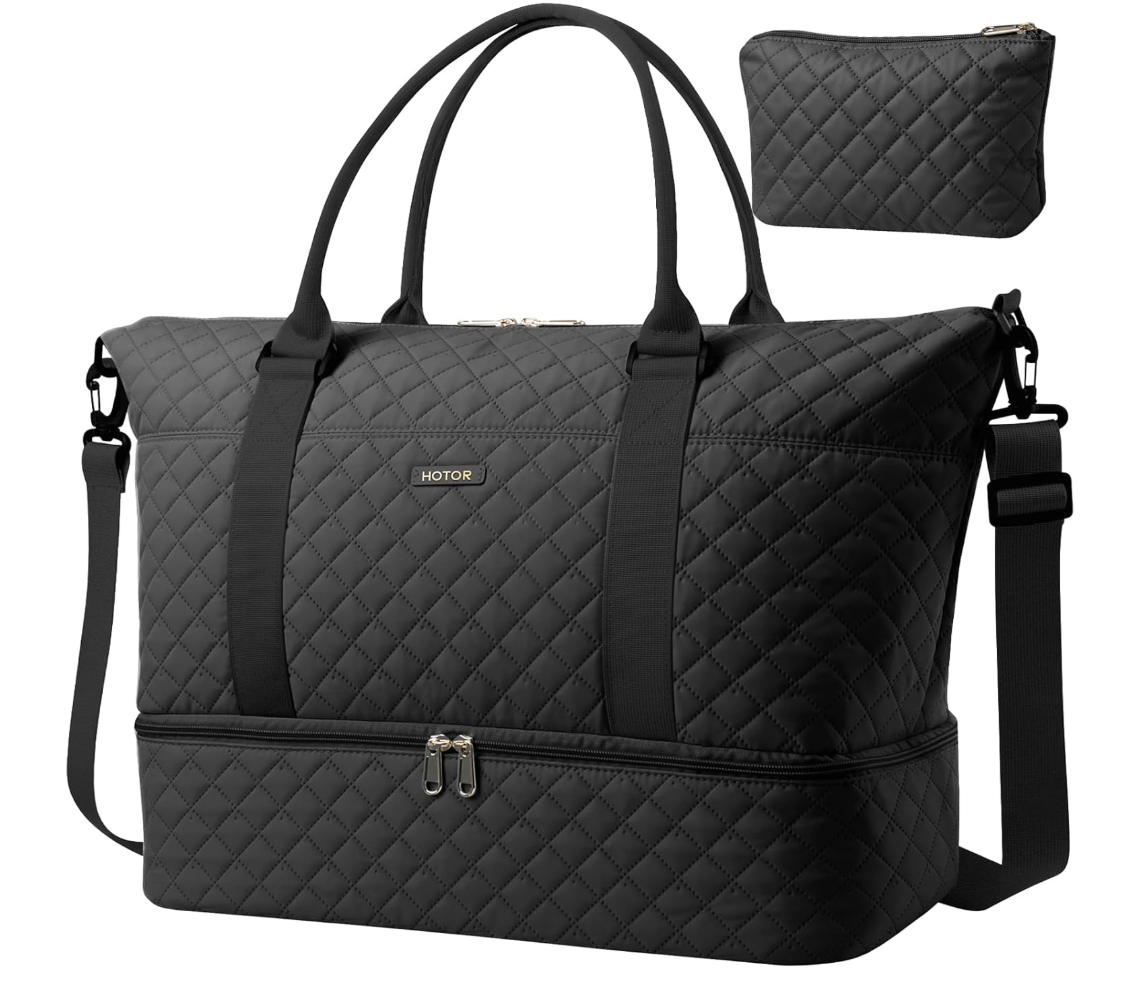
Choosing the best travel tote requires evaluating structural durability, size, organizational compartments, security mechanisms, comfort, material weather resistance, and luggage pass-through capabilities to ensure it meets your specific transit demands.
Selecting the right travel tote can transform a stressful transit day into a seamless journey. Whether you are navigating busy airport terminals, boarding regional trains, or stepping out for a weekend getaway, a well-chosen travel tote bridges the gap between a bulky suitcase and a flimsy handbag. However, not all totes are created equal. A bag that looks stunning on a showroom floor might quickly become a burden if it lacks structural support, proper ergonomic straps, or the organizational capacity to secure your passport, electronics, and daily essentials.
To make an informed investment, you must look past aesthetic appeal and examine the core engineering, materials, and functional features of the bag. Below is an exhaustive breakdown of the seven essential features you must evaluate to choose the best travel tote for your itinerary.
1. Structural Durability and Material Quality
The foundation of any exceptional travel tote is the material from which it is constructed. Travel exposes personal accessories to rough handling, abrasive luggage compartments, unpredictable weather, and constant movement. If your tote lacks high-grade durability, it will quickly fray, puncture, or lose its structural integrity.
When evaluating materials, look for heavy-duty synthetics like ballistic nylon, Cordura, or densely woven canvas. These textiles offer exceptional resistance to tearing and abrasion. For a more sophisticated aesthetic, full-grain or top-grain leather provides a timeless look and remarkable longevity, though it requires occasional conditioning and adds noticeable baseline weight to the bag.
Beyond the primary fabric, inspect the hardware. Zippers should ideally be from reputable manufacturers like YKK, featuring smooth glides and heavy-gauge teeth that will not split under pressure. D-rings, buckles, and strap clips must be constructed from solid metal or reinforced engineering-grade plastics rather than hollow, painted metals that scratch and snap easily.
Key Material Considerations
- Denier Count: Higher denier ratings (such as 1000D nylon) indicate thicker, more abrasion-resistant threads.
- Reinforced Stress Points: Look for box-x stitching or bar-tacking where handles and shoulder straps attach to the body of the bag.
- Internal Lining: A light-colored, water-resistant interior lining makes it infinitely easier to locate small items tucked away at the bottom of a deep tote.
2. Optimized Size and Capacity Dimensions
Size is often the most deceptive aspect of purchasing a travel tote. A bag that feels appropriately sized in an open retail environment can quickly feel cumbersome, overly heavy, or out of compliance once fully packed and brought aboard an aircraft.
The best travel totes generally range in capacity from 18 to 30 liters. This sweet spot allows enough room for a change of clothes, a lightweight jacket, electronic devices, chargers, and toiletries without exceeding standard personal item dimensions dictated by major airlines. A general rule of thumb is to measure your most critical item—such as a 15-inch laptop or a packing cube—and ensure the bag's internal base dimensions can accommodate it flatly without distortion.
Furthermore, consider the profile of the bag when filled. A structured base prevents the tote from sagging into an amorphous blob, ensuring that your contents remain organized and the bag fits neatly beneath an airline seat or inside an overhead bin.
3. Intelligent Internal and External Organization
One of the primary frustrations of traditional tote bags is the "bottomless pit" phenomenon, where small items migrate to the bottom and vanish beneath heavier cargo. A superior travel tote solves this structural flaw through intentional, multi-tiered compartmentalization.
Look for a bag that features a dedicated, padded sleeve for a laptop or tablet, keeping your technology isolated from liquids, keys, and cosmetics. Secondary slip pockets are essential for boarding passes, passports, and smartphones, ensuring they remain accessible without requiring you to unzip the main compartment.
Internal organizational architecture should include:
- Elasticated Mesh Pockets: Ideal for securing chargers, computer mice, and travel-sized toiletries.
- Pen Loops and Card Slots: Keep writing instruments and transit cards from floating freely.
- Key Leash: A secure, tethered clip for your house or rental car keys eliminates the panic of searching through your bag while standing at a door.
- External Water Bottle Pocket: A side pocket that accommodates a reusable water bottle keeps hydration within arm's reach while protecting electronics from condensation leaks.
4. Advanced Security Mechanisms
Travel exposes individuals to crowded transit hubs, tourist traps, and busy cafes where opportunistic theft can occur. While a standard open-top tote is convenient for everyday errands, it is a liability when traveling.
The best travel totes incorporate proactive security features to safeguard your valuables. At a bare minimum, the main compartment should feature a heavy-duty, lockable zipper closure rather than an open magnetic snap or simple clasp. Lockable hardware allows you to secure the zippers with a TSA-approved travel lock when walking through high-risk areas or storing the bag in hostel or hotel rooms.
Additionally, consider modern digital security. Many premium travel totes now feature built-in Radio Frequency Identification (RFID) blocking pockets. These specialized compartments line credit card slots and passport sleeves with metallic shielding material, preventing electronic pickpocketing via unauthorized RFID scanners that can read chip-enabled cards through fabric.
5. Ergonomic Comfort and Carry Versatility
You may find yourself carrying your travel tote through a sprawling airport terminal for an hour or more. If the strap design is flawed, the bag will dig into your shoulders, cause muscle fatigue, and make transit exhausting.
Ergonomics start with strap design. Straps should be wide enough to distribute weight evenly across your shoulder rather than concentrating pressure into a narrow line. Padded shoulder straps or contoured leather handles prevent slipping and chafing.
True travel versatility also involves carry options. While over-the-shoulder handles are standard, the best totes incorporate a detachable, adjustable crossbody strap. A crossbody configuration distributes weight across your torso, keeps your hands completely free, and provides stability when walking briskly or pulling rolling luggage. Some hybrid totes even feature hidden backpack straps or convertible loops, offering maximum adaptability across different travel scenarios.
6. Weather Resistance and Protective Coating
Weather is entirely unpredictable when traveling. Getting caught in a sudden downpour while walking between a transit station and your accommodation can ruin unsecured electronics, paper itineraries, and clothing if your bag lacks protective exterior treatments.
When assessing weather resistance, differentiate between water-resistant and waterproof designs. While a fully waterproof dry-bag tote is excessive for standard urban travel, a water-resistant exterior is mandatory. Look for fabrics treated with a Durable Water Repellent (DWR) coating or polyurethane (PU) backing. These treatments cause moisture to bead up and roll off the surface rather than soaking into the weave.
Pay close attention to the zippers as well. Premium travel totes often utilize YKK AquaGuard or similarly sealed, reverse-coil zippers that prevent water from seeping through the teeth during heavy rain. Furthermore, a coated or reinforced waterproof bottom panel allows you to set your bag down on wet pavement, airport floors, or airplane cabin carpets without moisture or grime absorbing into the fabric.
7. Luggage Pass-Through (Trolley Sleeve) Integration
The ultimate quality-of-life feature for frequent flyers and multi-bag travelers is the integrated luggage pass-through, commonly referred to as a trolley sleeve. This feature is a wide, horizontal band of fabric stitched securely against the rear panel of the tote bag.
The trolley sleeve allows you to slide the entire tote securely over the telescopic handle of a rolling suitcase or carry-on spinner. This engineering triumph shifts the entire weight of the tote directly onto the wheels of your rolling luggage, completely relieving your shoulders and back of the load.
When evaluating a trolley sleeve, verify its width and stability. A poorly designed sleeve may cause the tote to twist or rotate sideways when you turn corners. The best designs feature a secure snap-button or hidden zippered base, allowing the trolley sleeve to double as an extra external pocket when you are not using it with rolling luggage.
Travel Tote Comparison Matrix
To help you weigh these critical attributes against different styles of travel bags, review the comparative breakdown below.
| Feature / Attribute | Standard Handbag | Basic Everyday Tote | Premium Travel Tote |
|---|---|---|---|
| Primary Material | Fashion leather / canvas | Light cotton / polyester | 1000D Nylon / Full-grain leather |
| Capacity | 5 – 10 Liters | 12 – 18 Liters | 18 – 30 Liters |
| Laptop Compartment | Rare / Unpadded | Minimal sleeve | Dedicated, padded, suspended |
| Security Closures | Open or magnetic snap | Simple zipper | Lockable zippers & RFID blocking |
| Luggage Pass-Through | None | None | Integrated reinforced trolley sleeve |
| Weather Protection | Low (absorbent fabrics) | Moderate | DWR coating & sealed zippers |
Frequently Asked Questions
Can a travel tote fit under an airline seat?
Yes, most travel totes designed within the 18 to 30-liter capacity range easily fit underneath the passenger seat in front of you on standard commercial aircraft. However, you should always verify the specific personal item dimensions enforced by your airline before departure, as ultra-low-cost carriers maintain stricter size restrictions than legacy airlines.
Are leather travel totes durable enough for frequent flying?
Full-grain and top-grain leather travel totes offer exceptional durability and a professional aesthetic, but they require routine maintenance and are heavier than synthetic alternatives like ballistic nylon. If you choose leather, ensure the interior lining is water-resistant and the stress points are heavily reinforced to handle the rigors of transit.
What is an RFID-blocking pocket, and do I need it?
An RFID-blocking pocket utilizes metallic threads or shielding material to block electromagnetic fields, preventing unauthorized electronic readers from scanning your passport, credit cards, or ID cards. While not strictly mandatory, it provides valuable peace of mind against digital skimming in crowded international airports and tourist destinations.
How do I clean and maintain a synthetic travel tote?
Most synthetic travel totes (such as those made from nylon or Cordura) can be spot-cleaned using mild soap, warm water, and a soft-bristled brush. Avoid submerging the bag in water or placing it in a washing machine, as harsh detergents and agitators can break down specialized DWR water-resistant coatings and damage internal structural boards.
Can a travel tote replace a traditional backpack?
For business travelers, short weekend trips, or individuals who prefer a more professional silhouette over a sporty backpack, a high-end travel tote with ergonomic straps or a crossbody configuration serves as an excellent alternative. However, if you plan on hiking or walking long distances with heavy gear, a dual-strap backpack remains superior for load distribution.
Final Recommendation
Investing in the right travel tote requires balancing your personal aesthetic preferences with uncompromising functionality. Prioritize bags constructed from high-denier synthetics or durable leather, ensuring they feature lockable security zippers, a dedicated laptop compartment, weather-resistant coatings, and—most importantly—a reliable trolley sleeve. By selecting a tote that incorporates all seven of these essential features, you will eliminate transit friction, protect your valuable electronics, and travel with effortless confidence.