Finding the right pickleball footwear in the UK requires balancing court adaptability, lateral support, and durability, as players transition between indoor wooden sports halls and outdoor acrylic surfaces. Because pickleball involves rapid lateral cuts, short sprints, and sudden stops, standard running shoes are ill-equipped for the physical demands of the game and can increase the risk of ankle rolls.
The UK pickleball scene has grown exponentially, bringing a broader selection of specialized court footwear to British retailers. Whether you play on community tennis court conversions or dedicated indoor leisure centre flooring, investing in purpose-built court shoes ensures your feet and joints stay protected during aggressive rallies.
Understanding Pickleball Footwear Requirements in the UK
When searching for the best pickleball shoes in the UK, it helps to understand why running or cross-training shoes fall short. Pickleball shares footwork characteristics with tennis and badminton, demanding multi-directional stability rather than linear forward propulsion.
Why Running Shoes Fail on the Pickleball Court
Running shoes are engineered for heel-to-toe forward movement. Their cushioning is typically soft, and the stack height is high, which creates an unstable platform when shifting weight horizontally. Furthermore, running shoe outsoles feature deep flex grooves and soft rubber compounds designed to grip linear paths on asphalt or treadmills.
On a pickleball court—whether it is an indoor sports hall or an outdoor acrylic multi-use games area (MUGA)—running shoes will roll over under lateral loads. This exposes players to severe ankle sprains. Court shoes feature a wider base, a lower profile, and reinforced lateral sidewalls to lock the foot in place during intense directional changes.
Indoor vs. Outdoor Surfaces in the British Climate
The British weather heavily influences where and how you play pickleball.
- Indoor Play: Most UK pickleball sessions take place inside leisure centres, school sports halls, or dedicated badminton and tennis clubs. These venues typically feature polished wood, vinyl, or synthetic polyurethane floors. Indoor pickleball shoes require gum rubber or specialized non-marking rubber outsoles with fine herringbone or modified tread patterns to prevent slipping on smooth surfaces.
- Outdoor Play: Outdoor community courts, parks, and tennis club conversions expose players to abrasive acrylic, asphalt, or concrete. Outdoor shoes need dense, durable rubber outsoles—often backed by multi-month outsole warranties—and reinforced toe guards to resist dragging during dinking and lunging.
Anatomy of a Great Pickleball Shoe
Before evaluating specific models available to UK consumers, examining the technical components that define high-performance court footwear clarifies what you are paying for and why certain features matter.
- Lateral Outrigger / Sidewall: Prevents rollover on cuts
- Herringbone Outsole Tread: Optimizes slip/grip ratio
- Low-Profile Midsole: Enhances court feel
- Reinforced Toe Cap (Drag Guard): Protects against toe drag
- Heel Counter: Locks heel to stop sliding
Outsole Patterns and Rubber Compounds
The outsole is your primary connection to the court. Non-marking rubber is mandatory for indoor play in the UK, as scuffing a sports hall floor will quickly draw complaints from facility managers.
- Herringbone Tread: The gold standard for court sports. The zig-zag pattern bites into grit on outdoor courts while providing controlled sliding on indoor surfaces.
- Modified Hybrid Tread: Combines herringbone sections under high-wear pivot points with concentric circles or micro-studs for multi-directional traction.
Midsole Cushioning and Stability
Manufacturers use various foam compounds (such as EVA, polyurethane, or proprietary nitrogen-infused foams) to absorb impact. While runners look for plush, bouncy cushioning, court players need a firmer, more responsive ride. A low-profile midsole keeps your centre of gravity close to the floor, reducing ankle torque. Additionally, look for a shank—a rigid piece of TPU or carbon fiber embedded in the midfoot—which prevents the shoe from twisting excessively during sudden movements.
Upper Construction and Durability
Uppers are typically constructed from breathable mesh reinforced with synthetic overlays, TPU cages, or leather panels. If you tend to drag your trailing foot when serving or lunging forward for a low dink, check for a reinforced medial toe guard (often called a drag guard). Without this reinforcement, the abrasive friction of UK outdoor courts will wear through standard mesh uppers within a few months.
The 7 Best Pickleball Shoes Available in the UK
Selecting the top models requires analyzing fit, cushioning, court traction, and availability through UK retail channels. While dedicated pickleball-specific models are growing, many of the best options are high-end tennis or badminton court shoes that transition seamlessly onto the pickleball court.
1. Asics Gel-Resolution 9 (Best Overall for Stability)
The Asics Gel-Resolution series has long been a favorite among tennis and pickleball players who value uncompromising stability and durability.
- Key Features: Dynawrap technology for midfoot lockdown, Dynawall construction extending into the heel for lateral support, and signature Rearfoot and Forefoot GEL technology cushioning.
- Performance Analysis: The Gel-Resolution 9 offers a locked-in, secure fit that instils immense confidence when changing direction. The outsole features a full-ground contact design with a durable AHARPLUS rubber compound that stands up well to abrasive outdoor acrylic courts found across UK parks and leisure centres.
- Pros: Exceptional lateral stability; highly durable outsole; comfortable cushioning that absorbs heavy impact without feeling mushy.
- Cons: Slightly heavier than speed-oriented models; requires a brief break-in period for the stiff upper overlays.
2. Skechers Viper Court Pro (Best Purpose-Built Pickleball Shoe)
Skechers entered the pickleball market with purpose, designing footwear specifically around the unique movement patterns of the sport rather than simply rebranding a tennis shoe.
- Key Features: Relaxed Fit design for a roomier toe box, Arch Fit insole system, Goodyear rubber outsole, and lightweight flight-burst cushioning.
- Performance Analysis: The collaboration with Goodyear yields an outsole with phenomenal grip, particularly on indoor wooden and synthetic gym floors. The wider toe box accommodates foot expansion during long matches, while the low-to-the-ground feel enhances agility.
- Pros: Designed specifically for pickleball ergonomics; excellent grip via Goodyear rubber; comfortable out of the box with strong arch support.
- Cons: The roomier fit may feel too loose for players with narrow feet; styling is polarizing.
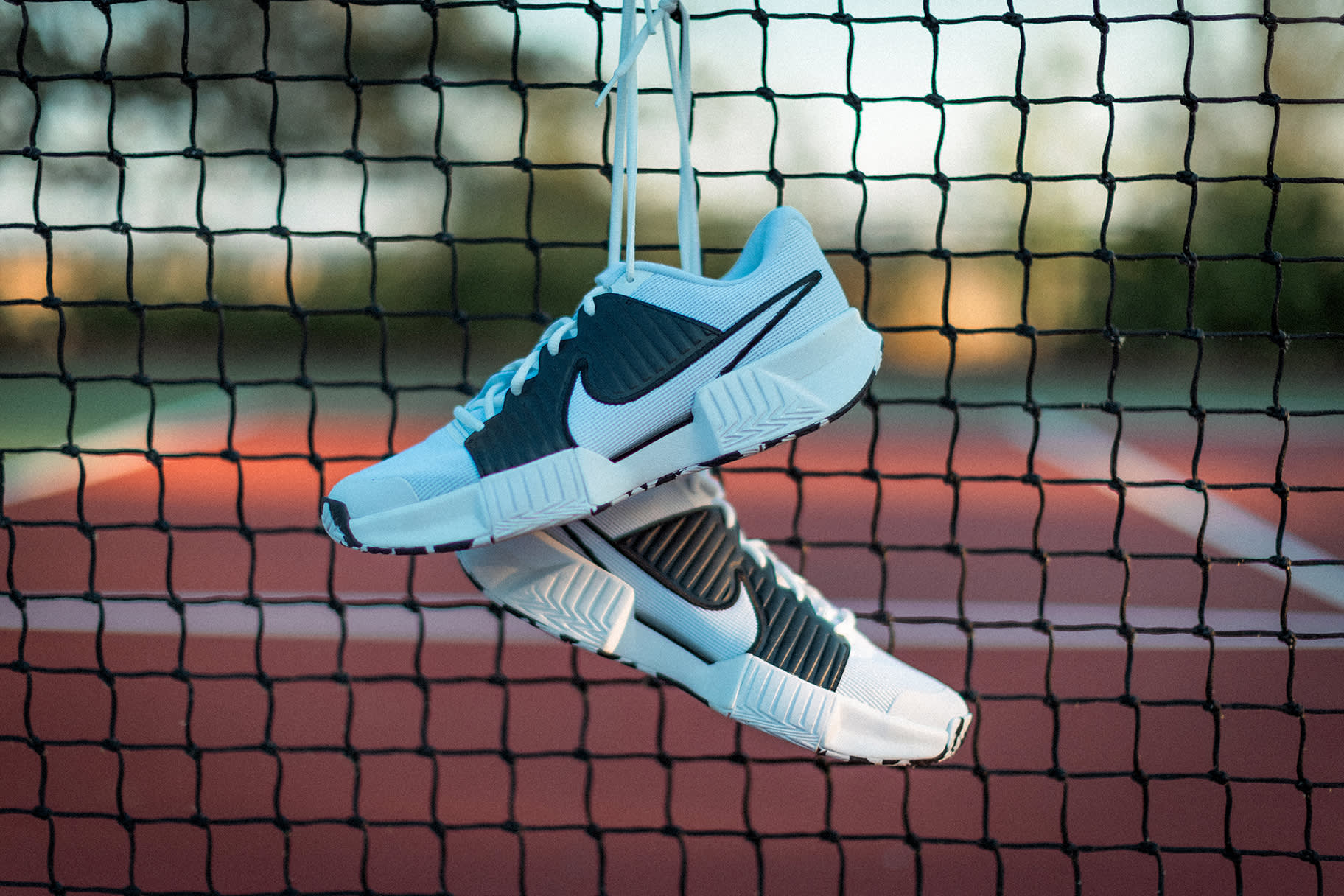
3. Nike Air Zoom Vapor 11 (Best for Speed and Agility)
For players who rely on explosive court coverage, quick split-steps, and aggressive sprints to the kitchen line, the Nike Vapor 11 delivers lightweight performance.
- Key Features: Low-profile design, Zoom Air unit in the forefoot for springy responsiveness, molded sidewall frame for lateral containment, and a data-informed outsole optimized for sliding and traction.
- Performance Analysis: The Vapor 11 feels fast. It sheds unnecessary bulk, allowing for rapid transitions. The breathable upper keeps feet cool during heated matches in unventilated indoor halls. However, the focus on speed means less overall rubber mass on the outsole compared to tank-like models such as the Gel-Resolution.
- Pros: Extremely lightweight and agile; responsive Zoom Air cushioning; stylish aesthetic.
- Cons: Less durable outsole on abrasive outdoor surfaces; narrow fit requires caution for wide feet.
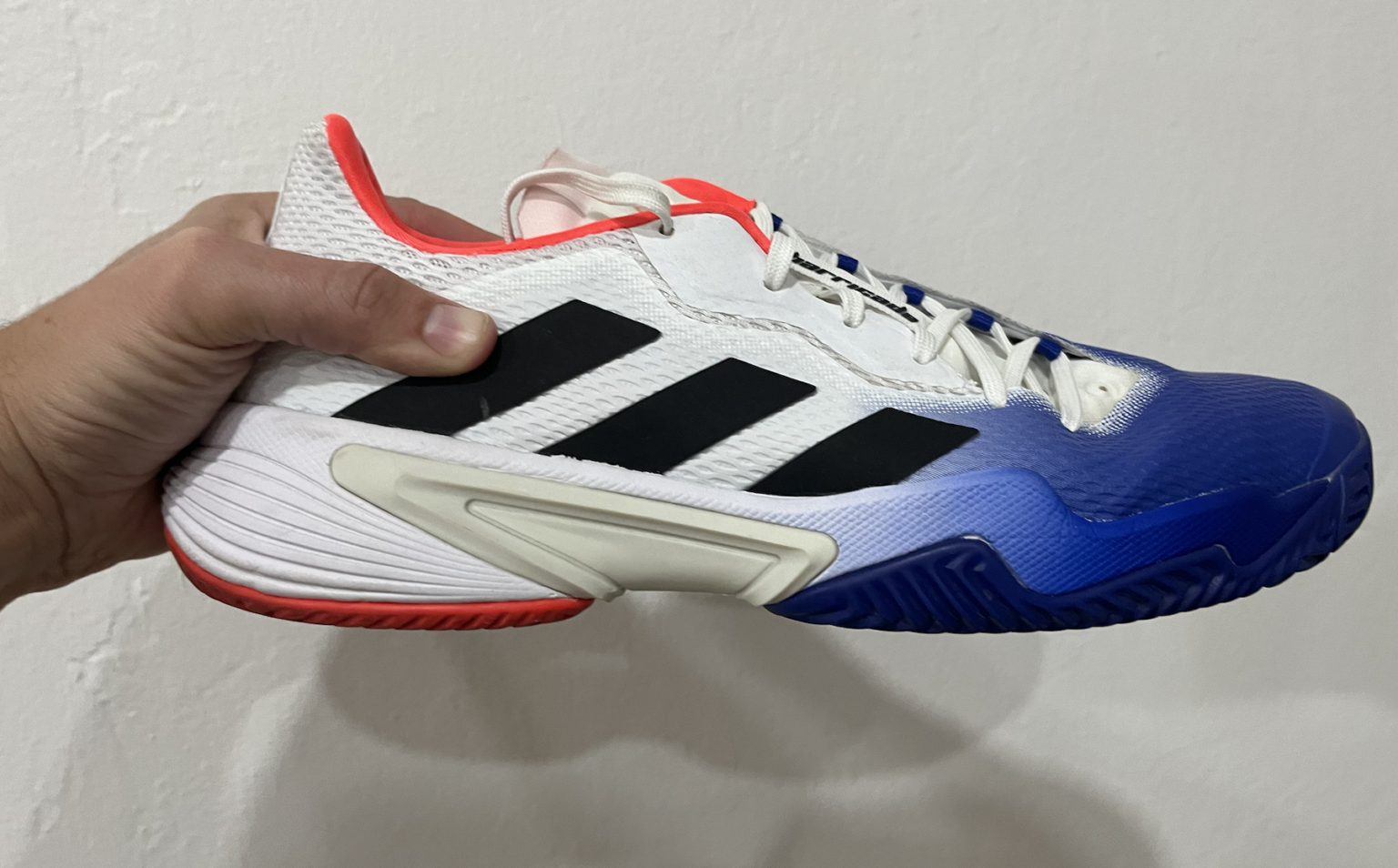
4. Adidas Barricade 13 (Best for Durability and Support)
The Adidas Barricade has a legendary reputation for durability across racquet sports. The latest iteration brings modern comfort to its notoriously robust chassis.
- Key Features: Intuitive lacing system that pulls the tongue down to mold to the midfoot, Geofit system with foam pods in the heel, Bounce 2.0 cushioning, and ADIWEAR rubber outsole.
- Performance Analysis: If you play several times a week and burn through footwear quickly, the Barricade 13 is built to last. The asymmetric lacing protects the laces from sliding abrasions during toe drags, and the medial side features extra protection. It provides a stable, planted feel.
- Pros: Bulletproof durability backed by sturdy materials; secure midfoot lockdown; excellent ankle and arch support.
- Cons: Stiff out of the box; heavier than speed models.
5. Wilson Rush Pro 4.0 (Best Dynamic Comfort)
Wilson’s Rush Pro line focuses on blending explosive forward acceleration with controlled deceleration, making it an ideal match for the stop-and-start nature of pickleball.
- Key Features: 4D Support Chassis 2.0 to control twist and torsion, Sensifeel 2.0 minimal upper for breathability, Endofit inner sock construction, and Duralast rubber outsole.
- Performance Analysis: The Energy Cell EVA foam in the forefoot gives a snappy rebound when pushing off for a overhead smash or chasing a lob. The chassis design helps stabilize the foot during heavy braking. It strikes an impressive balance between cushioning and court feel.
- Pros: Dynamic cushioning response; comfortable sock-like fit; balanced traction for multi-surface play.
- Cons: Heel collar can feel snug for high arches; mesh areas require care to avoid premature wear from sharp impacts.
6. Babolat Jet Mach 3 (Best Lightweight Indoor Choice)
Babolat draws on its extensive racquet sports heritage to produce the Jet Mach 3, a featherlight shoe optimized for agility and rapid footwork.
- Key Features: Matryx EVO upper (woven with Kevlar and polyamide threads), Michelin Premium DIN20 outsole, and KPRX2 shock absorption system.
- Performance Analysis: Weighing significantly less than traditional court shoes, the Jet Mach 3 is exceptional for indoor wooden sports halls where traction is reliable and weight savings translate to quicker foot speed. The Michelin rubber outsole offers high-level grip without adding unnecessary heft.
- Pros: Ultra-lightweight and breathable; high-performance Michelin rubber grip; durable upper despite its thin profile.
- Cons: Minimalist cushioning may not suit players with joint pain or heavy heel strikes; higher price point.
7. New Fresh Foam X Lav V2 (Best for Cushioning and Joint Protection)
If you suffer from knee or lower back soreness after playing pickleball, maximizing impact absorption is essential. New Balance addresses this with their premium cushioned court shoe.
- Key Features: Fresh Foam X midsole technology, Fit Weave upper for stretch and support, and Ndurance rubber outsole.
- Performance Analysis: The Fresh Foam X platform delivers a plush, cushioned ride that dampens court shock significantly better than standard firm court shoes. Despite the softer cushioning, New Balance maintains lateral stability through a well-engineered saddle and stable heel counter.
- Pros: Superior underfoot cushioning; plush step-in comfort; great for players managing joint sensitivity.
- Cons: Softer midsole reduces absolute court feel; bulkier profile compared to low-profile speed shoes.
Comparison Table: Top Pickleball Shoes for the UK Market
| Shoe Model | Best Suited For | Outsole Type | Cushioning Level | Fit Profile |
|---|---|---|---|---|
| Asics Gel-Resolution 9 | Maximum Stability | Full-Contact AHARPLUS | Moderate-Firm | Standard to Slightly Snug |
| Skechers Viper Court Pro | Pickleball Specific | Goodyear Rubber | Moderate-Plush | Roomy / Relaxed |
| Nike Air Zoom Vapor 11 | Speed & Agility | Modified Multidirectional | Responsive Low-Profile | Narrow to Standard |
| Adidas Barricade 13 | Durability & Support | ADIWEAR Rubber | Firm & Supportive | Standard |
| Wilson Rush Pro 4.0 | Dynamic All-Round Play | Duralast Rubber | Balanced | Standard |
| Babolat Jet Mach 3 | Lightweight Indoor Play | Michelin Premium Rubber | Minimalist / Snappy | Narrow |
| New Balance Fresh Foam X Lav V2 | Joint Protection & Cushioning | Ndurance Rubber | Plush & Soft | Standard to Wide Options |
Key Factors to Consider When Buying in the UK
Purchasing court shoes online or in-store within the UK involves checking a few practical details to ensure you get the right fit and value.
Sizing and Width Considerations
Many court shoe brands (such as Asics, Nike, and Babolat) tend to run slightly narrow. If you have broader feet—common among recreational players—look for brands that offer dedicated wide widths (such as New Balance or Skechers' Relaxed Fit lines). Always measure your feet in the afternoon or evening when they are slightly swollen from daily activity, and leave roughly a thumb's width of space between your longest toe and the front of the shoe to prevent jammed toes during aggressive forward lunges.
Return Policies and UK Retailers
Because fit is personal and varies dramatically across brands, purchase from UK-based online tennis and badminton specialty retailers or high street sports stores that offer straightforward return policies. Ensure you test your new shoes indoors on a clean carpet before wearing them on a gritty outdoor court, as most retailers will reject returns once the outsoles show signs of outdoor wear.
Pricing and Value
Court shoes range from roughly £90 to £160 in the UK. While premium models command higher prices, they typically feature advanced outsole compounds and durable uppers that outlast budget alternatives by several months. If you play multiple times per week, investing in a durable shoe pays off in longevity and injury prevention.
Common Mistakes to Avoid
- Using Running or Walking Shoes: As noted earlier, the lack of lateral support is a primary cause of rolled ankles on the court. Always use dedicated court shoes.
- Ignoring Court Type: Buying an aggressive, deep-tread outdoor shoe for slick indoor wooden floors can lead to tripping or unwanted friction, just as wearing smooth indoor shoes on gritty outdoor asphalt will wear out the rubber in weeks.
- Sizing Down for a "Snug" Fit: While you want your foot locked in, sizing down to achieve this will cause your toes to slam against the front wall when stopping suddenly, leading to bruised toenails and blisters.
- Neglecting Sock Choice: Wear performance athletic socks with targeted cushioning. Standard dress or casual socks bunch up inside court shoes, causing friction and painful blisters.
Frequently Asked Questions
Can I use tennis shoes for pickleball in the UK?
Yes. Tennis shoes are functionally identical to pickleball shoes in terms of construction, offering the necessary lateral support, reinforced outsoles, and stability required for court sports. Many top-tier pickleball players exclusively wear tennis shoes.
Are indoor or outdoor court shoes better for UK weather?
It depends entirely on where you play. Because the UK climate forces many players indoors during autumn and winter, having an indoor-specific shoe with a non-marking gum or specialized rubber outsole is essential for leisure centre play. If you play outdoors on park courts year-round, choose a durable outdoor court shoe with a tough rubber compound.
How often should I replace my pickleball shoes?
As a general rule of thumb, active players should replace their court shoes every 6 to 12 months, or roughly every 40 to 60 hours of play. Inspect the outsole tread; once the herringbone pattern or traction grooves wear flat, or if you notice lateral stability breaking down, it is time for a new pair to protect your joints.
Do I need a wide-fit shoe for pickleball?
Not necessarily, but if you experience pinching along the outer edge of your feet or numbness during play, you likely need a wider fit. Brands like New Balance and Skechers offer wider options, while standard Asics and Nike models tend to fit tighter.
Why do my feet hurt after playing pickleball?
Foot pain usually stems from inadequate cushioning, poor arch support, or wearing the wrong type of footwear (such as running shoes). Switching to a supportive court shoe with proper shock absorption (such as the New Balance Fresh Foam X or Asics Gel-Resolution) often resolves post-match foot and knee discomfort.
Conclusion and Next Action
Selecting the best pickleball shoes in the UK comes down to matching your primary playing surface (indoor sports hall vs. outdoor acrylic) with your foot shape and movement style. If durability and lateral lockdown are your top priorities, proven models like the Asics Gel-Resolution 9 or Adidas Barricade 13 deliver exceptional results. For players seeking immediate pickleball-specific comfort, the Skechers Viper Court Pro is an excellent choice.
Your next step is to evaluate your current court footwear: check the outsole wear, assess your lateral stability during play, and measure your feet to confirm your correct size before ordering from a reputable UK sports retailer.