Choosing the right magical gear for a wizard in the fifth edition of Dungeons & Dragons requires balancing spell save DC enhancements, spell slot recovery, defensive utility, and situational utility to maximize a caster's impact in combat and exploration.
For players and Dungeon Masters exploring high-fantasy campaigns, understanding how to select and utilize gear for an arcane spellcaster can drastically shift tactical encounters. Wizards rely heavily on intelligence, preparation, and versatility. Unlike martial classes that focus on raw damage output per swing, wizards govern the battlefield through crowd control, area-of-effect damage, and critical utility spells. Consequently, the magic items they attune to should reinforce these core strengths, shore up inherent vulnerabilities like low hit points and armor class, and expand their daily spellcasting endurance.
This comprehensive guide breaks down the core mechanics, item categories, priority systems, and strategic considerations necessary for outfitting a wizard effectively within the rules of fifth edition Dungeons & Dragons.
Understanding Wizard Mechanics and Item Dependency
Before evaluating specific treasures and arcane implements, it is essential to analyze how wizards interact with the rules of the fifth edition. Wizards are unique among full spellcasters because their power stems from their spellbook. Their core mechanics revolve around learning spells from scrolls, preparing a curated list of spells after each long rest, and managing limited spell slots.
Magic items for wizards generally fall into two categories: attuned items that actively modify mechanics (such as spell save DCs or spell attack bonuses) and utility items that expand spell access or provide defensive insurance. Because characters are limited to three active attunement slots, a wizard must weigh every choice carefully. An item that merely grants a minor situational bonus may not be worth the attunement slot if it prevents the use of a powerful artifact or a specialized wondrous item.
Furthermore, wizards possess notoriously low hit point maximums and lack native proficiency in armor or shields (with minor exceptions for specific subclasses like Bladesingers or Mountain Dwarf/Githyanki variants). Therefore, defensive items that mitigate incoming damage or increase Armor Class (AC) often take priority over purely offensive options, ensuring the wizard survives long enough to maintain concentration on vital spells like Hypnotic Pattern or Wall of Force.
Core Categories of Magic Items for Wizards
To build an effective loadout, a player must look across several distinct categories of items. Each category serves a specific function in optimizing the wizard's role as the party's primary arcane controller and problem solver.
Spellcasting Enhancers and DC Boosters
The most critical mathematical milestone for an offensive or control-oriented wizard is increasing their spell save DC and spell attack bonus. In fifth edition, bonuses to spell save DCs are intentionally rare to prevent power creep. Items that provide these bonuses are premier choices for any spellcaster.
- Robe of the Archmagi: One of the ultimate garments for a high-level wizard, this item sets the base AC to 15 + Dexterity modifier, grants advantage on saving throws against spells and other magical effects, and increases the wearer's spell save DC and spell attack bonus by 2.
- Rod of the Pact Keeper: While traditionally associated with warlocks, the rules of attunement dictate class restrictions explicitly listed in the item description. However, items like the Wand of the War Mage provide a bonus to spell attack rolls and allow the user to ignore half cover, making them valuable for ray and projectile spell attacks.
- Bloodwell Vial: Specifically designed for sorcerers, it serves as a cautionary tale: always check class restrictions. Wizards should look instead for items like the Amulet of the Devout equivalents or custom campaign items approved by the Dungeon Master that target wizard metrics.
Spell Slot Economy and Recovery
Wizards rely on spell slots to alter reality. Having more slots or recovering expended ones during an adventuring day separates a depleted wizard from a dominant one.
- Pearl of Power: A classic, highly efficient uncommon item. Once per day, the user can use an action to speak its command word and regain an expended spell slot of up to 3rd level. This is invaluable at lower and mid tiers of play.
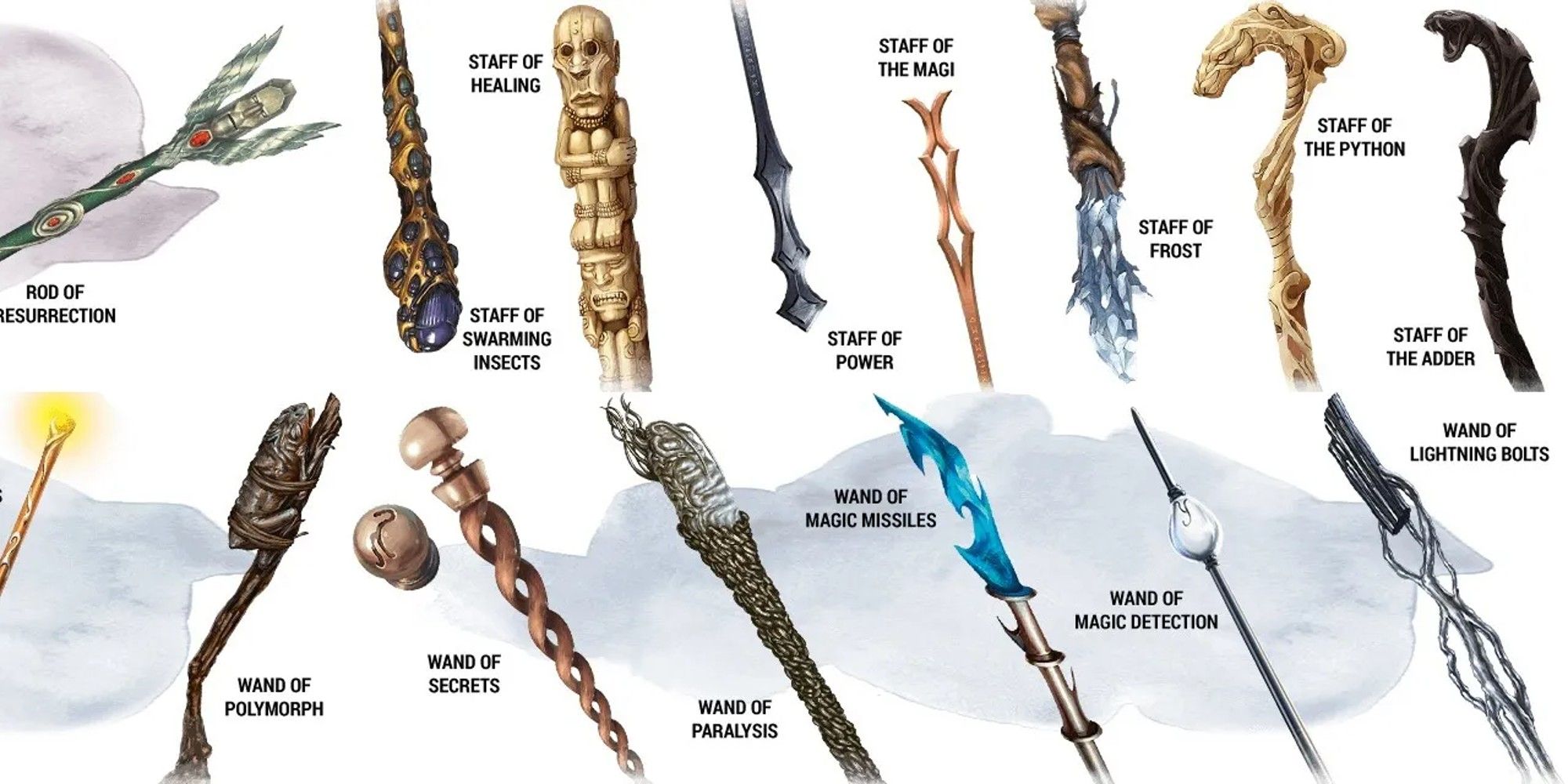
- Staff of the Magi: A legendary powerhouse that absorbs spells targeted at the user, allows the casting of numerous built-in spells without expending wizard slots, and can be used as a magical quarterstaff in emergencies.
- Ring of Spell Storing: This item allows any creature to cast spells into it, holding up to 5 levels of spells total. A wizard can store vital defensive spells like Shield or Absorb Elements before resting, effectively expanding their daily reserves.
Utility and Defensive Safeguards
Because wizards are high-priority targets for enemy combatants, defensive items are mandatory for survival in deadly encounters.
- Barrier Tattoo (Very Rare or Legendary): Introduced in Tasha's Cauldron of Everything, these tattoos infuse the skin with magical energy, providing a baseline AC calculation similar to Mage Armor or Leather Armor without requiring attunement in some variants or providing steady protection that cannot be disarmed.
- Cloak of Protection and Ring of Protection: These classic uncommon and rare items provide a flat +1 bonus to AC and all saving throws. Because saving throws against deadly dragon breath weapons or mind-altering effects can instantly incapacitate a wizard, boosting all saves is universally beneficial.
- Broom of Flying: Positioning is everything for a spellcaster. Flight removes a wizard from the reach of melee combatants and grants clear lines of sight for area-of-effect spells, making mobility items superior defensive choices.
Comparative Analysis of Wizard Magic Items
Evaluating items requires comparing their rarity, attunement requirements, and tactical payoff. The following table outlines key items, their rarity, whether they require attunement, and their primary function for a wizard build.
| Item Name | Rarity | Requires Attunement | Primary Function | Tactical Value |
|---|---|---|---|---|
| Pearl of Power | Uncommon | No | Spell slot recovery | Recycles one slot up to 3rd level daily. |
| Cloak of Protection | Uncommon | Yes | Defense and saves | Flat +1 bonus to AC and all saving throws. |
| Wand of the War Mage (+1 to +3) | Uncommon to Very Rare | Yes | Spell attacks | Boosts spell attack rolls and ignores half cover. |
| Ring of Spell Storing | Rare | Yes | Spell capacity | Stores up to 5 levels of spells for later use. |
| Broom of Flying | Uncommon | No | Mobility | Provides permanent, concentration-free flight. |
| Staff of the Magi | Legendary | Yes | Versatility & Defense | Absorbs spells, casts innate spells, massive utility. |
Optimizing Attunement Slots by Tier of Play
A wizard's item strategy must evolve alongside their character level. Managing three attunement slots efficiently ensures that power scales smoothly from tier to tier.
Tier 1 (Levels 1–4): Establishing Foundations
In the early tiers, magical items are scarce. Wizards should prioritize survival and minor utility. Common and uncommon items like a Cloak of Protection, Pearl of Power, or scrolls scribed directly into the spellbook are optimal. Finding a reliable source of temporary hit points or AC is vital since a stray goblin arrow can instantly knock out a level 2 wizard.
Tier 2 (Levels 5–11): Expanding Control
At this stage, third-level spells like Fireball and Counterspell define combat. Wizards should hunt for items that enhance their spell save DC or provide reliable flight. A Broom of Flying or Winged Boots combined with a wand or defensive ring creates a well-rounded combatant who stays out of harm's reach while dictating the flow of battle.
Tier 3 and 4 (Levels 12–20): Legendary Dominance
High-level play demands items that alter reality. Legendary implements like the Staff of the Magi, Robe of the Archmagi, or specialized tomes that permanently increase Intelligence (such as the Tome of Clear Thought) become the primary objectives. At this level, defensive items are no longer optional; enemies possess multi-attacks and devastating saving throw abilities that will bypass unshielded wizards instantly.
Common Mistakes When Selecting Wizard Gear
Even experienced players occasionally mismanage their wizard's inventory. Avoiding these common pitfalls ensures optimal resource allocation within the party.
- Hoarding Concentration Items: Many magic items require concentration to activate their spells. Because a wizard is likely already concentrating on a game-deciding spell like Hold Monster or Sleet Storm, items that demand concentration for minor effects are counterproductive.
- Ignoring Class Restrictions: Equipping items meant exclusively for clerics, paladins, or martial classes wastes valuable party resources. Always verify whether an item requires spellcasting ability checks or specific class features.
- Neglecting Utility Outside Combat: While blasting enemies is satisfying, wizards are the ultimate utility solvers. Neglecting ritual-assisting items, divination tools, or language-comprehension items leaves the party vulnerable to non-combat obstacles.
Frequently Asked Questions
Do wizards need magic weapons?
No. Wizards rely on spell attacks and saving throws rather than physical weapons. While holding a quarterstaff is common for defensive or casting focus purposes, magical swords or bows provide no mechanical benefit to standard wizard spellcasting unless specifically stated in the item description.
Can a wizard use a scroll from another class?
According to core fifth edition rules, a spell must be on the wizard's class spell list for the wizard to read and cast it from a scroll, or to copy it into their spellbook. Cleric or druid scrolls generally cannot be utilized by a standard wizard unless specific subclass features permit it.
How do items that increase Intelligence affect spell save DCs?
Items like the Headband of Intellect set the wearer's Intelligence score to 19. If a wizard's natural Intelligence is lower than 19, this instantly increases their spell save DC, spell attack bonus, number of prepared spells, and knowledge check modifiers. However, if the wizard already has an Intelligence of 20 or higher, the item provides no benefit.
Is a focus required if a wizard has a staff magic item?
Yes. Magical staffs like the Staff of the Magi or a Quarterstaff +1 can typically double as an arcane focus, allowing the wizard to perform somatic and material components smoothly, provided they have a free hand to wield it.
Conclusion and Next Actions
Mastering magic item selection for a wizard in fifth edition requires strategic foresight, careful attunement management, and a focus on survival paired with control. Prioritize items that protect your fragile frame, expand your spell slot economy, and elevate your spell save DC above enemy resistance thresholds. Review your current campaign tier, audit your active attunement slots, and coordinate with your Dungeon Manager and party members to secure the arcane implements that best fit your tactical playstyle.