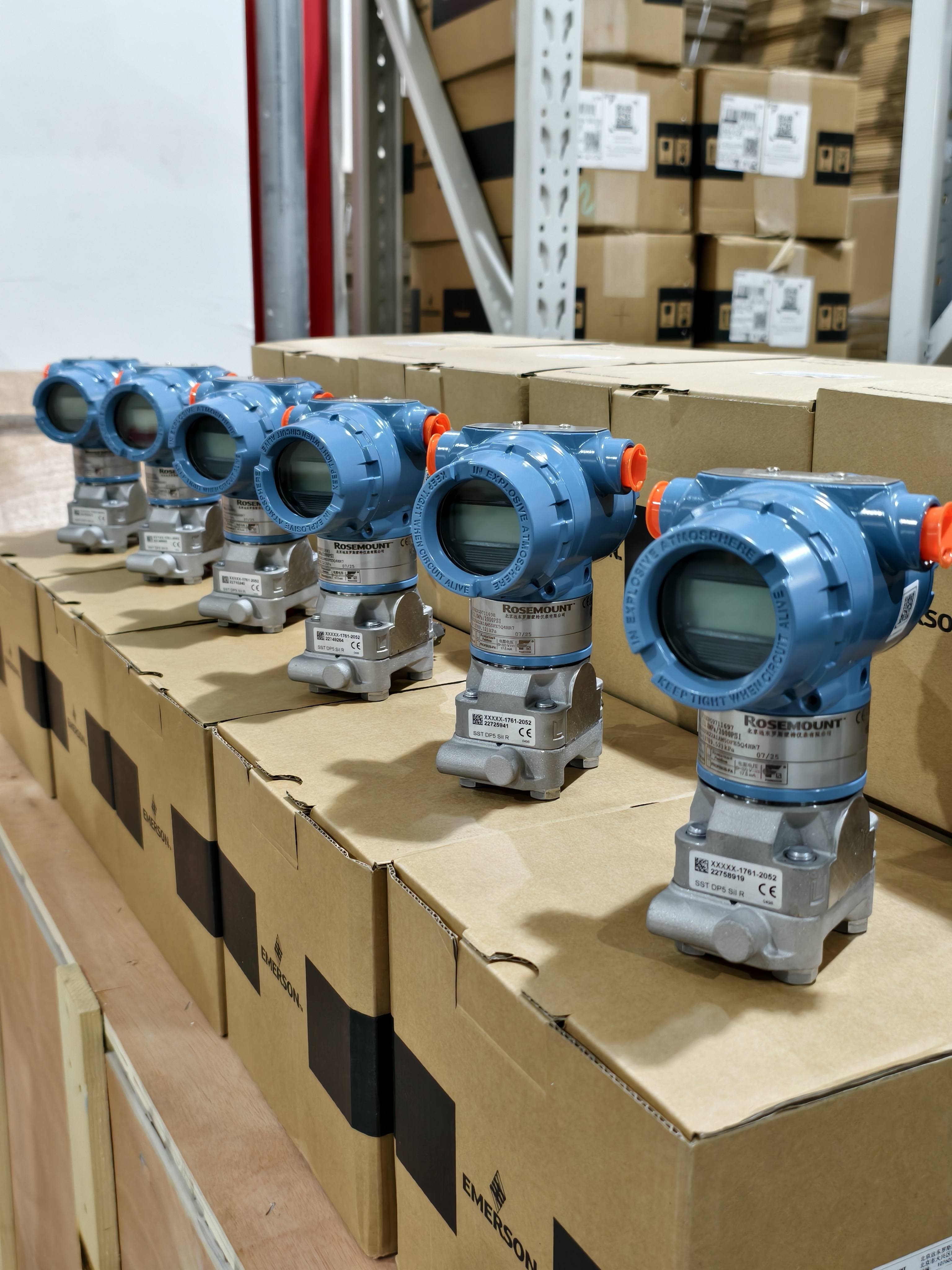
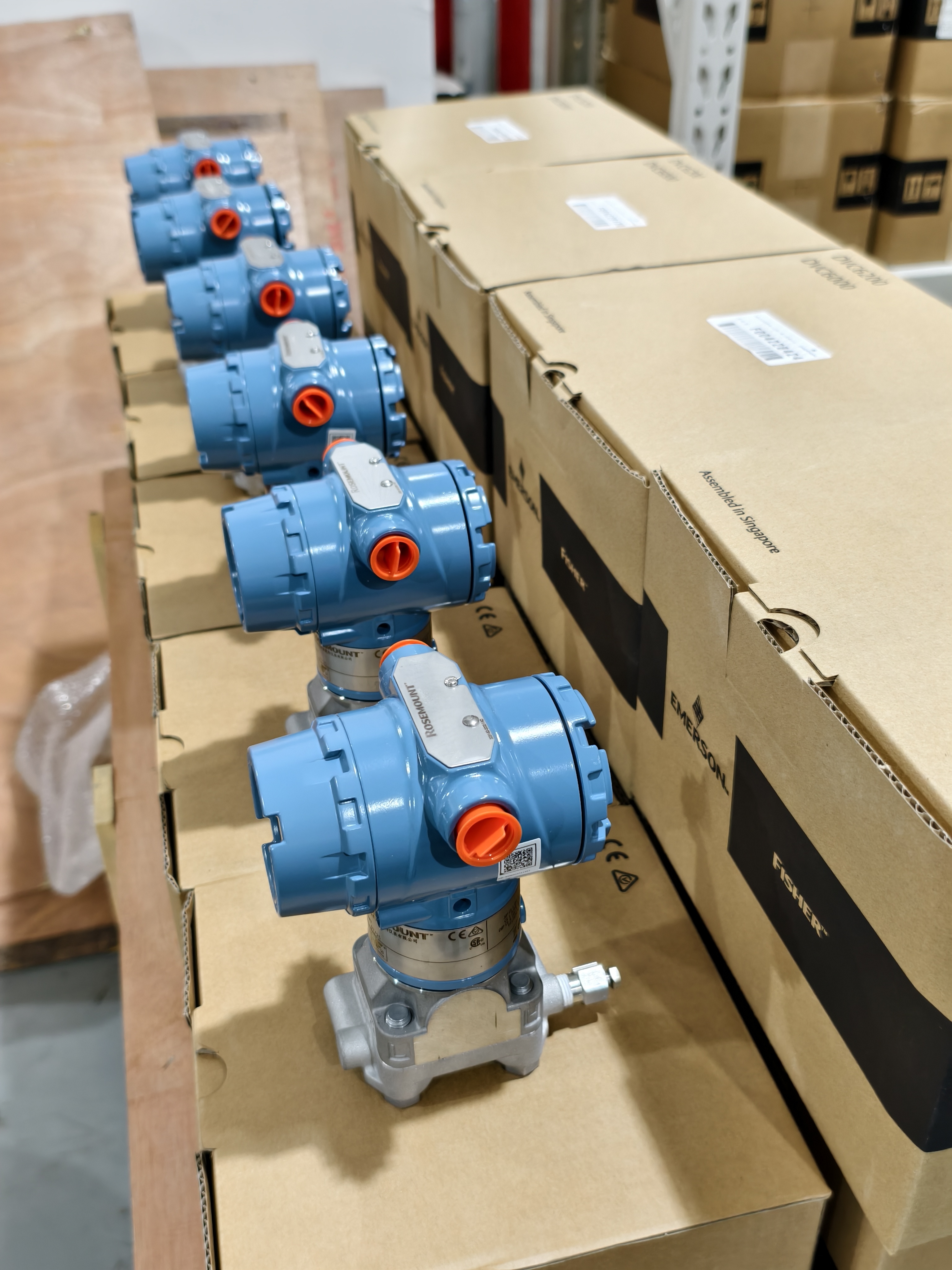
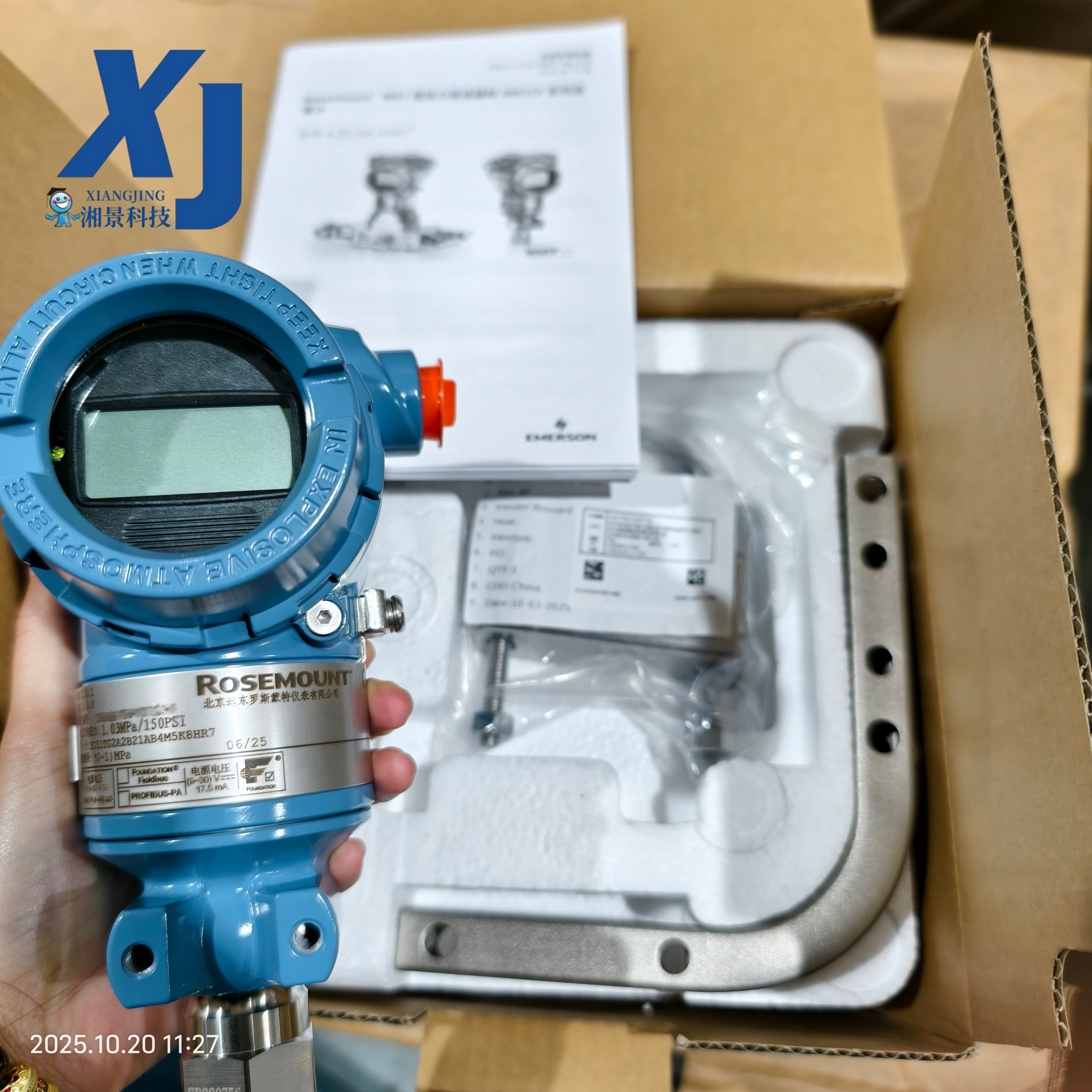
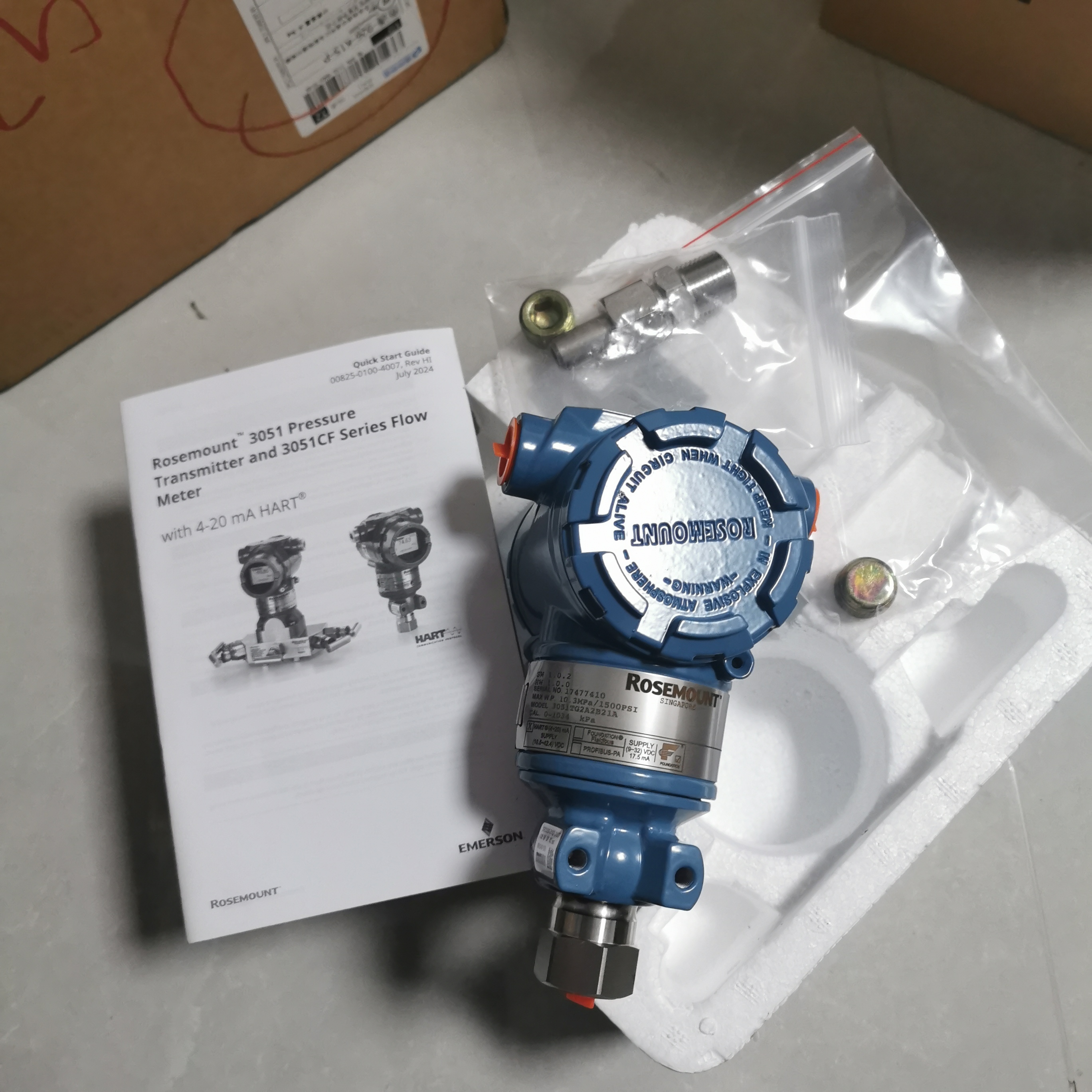
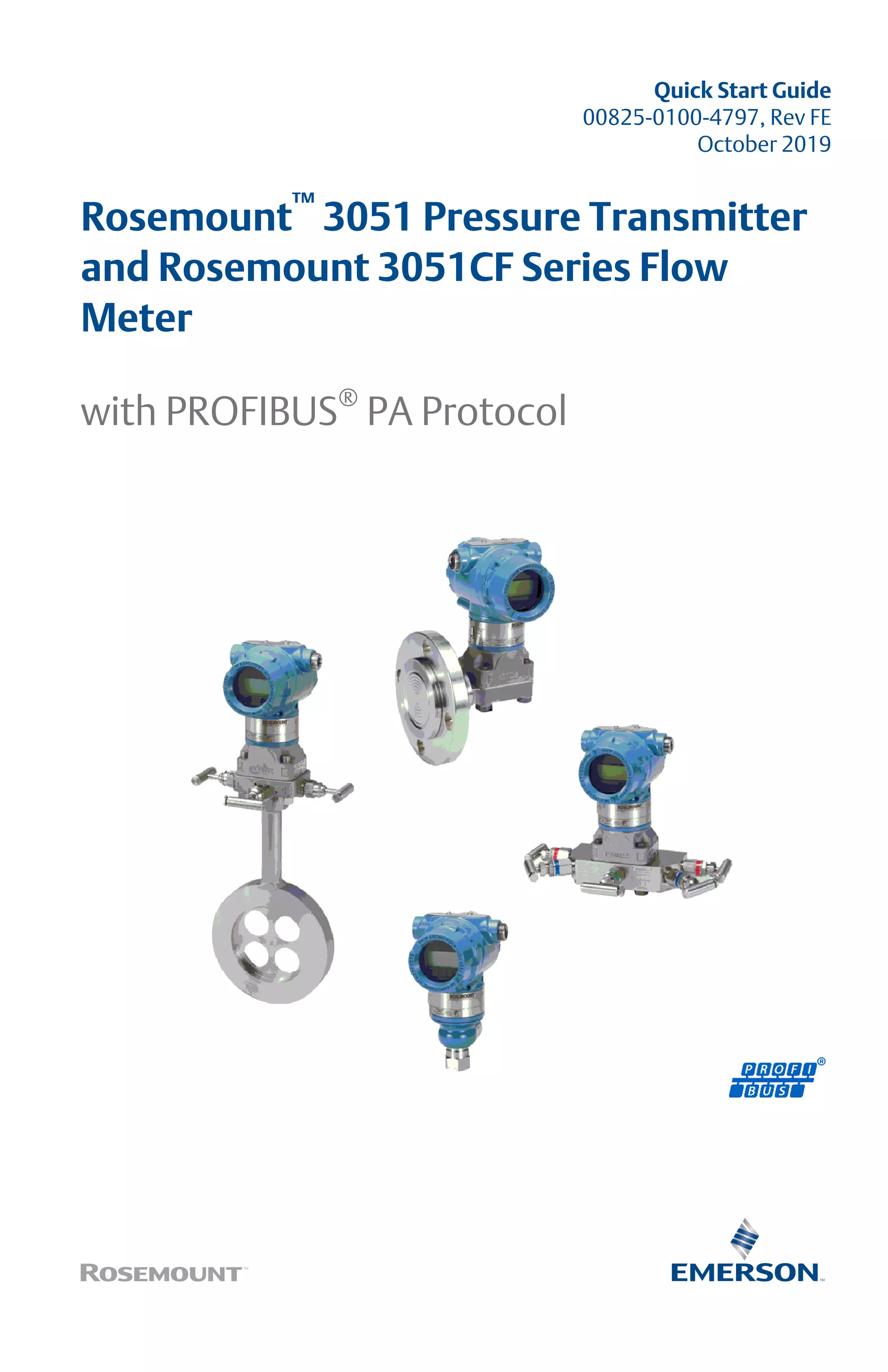
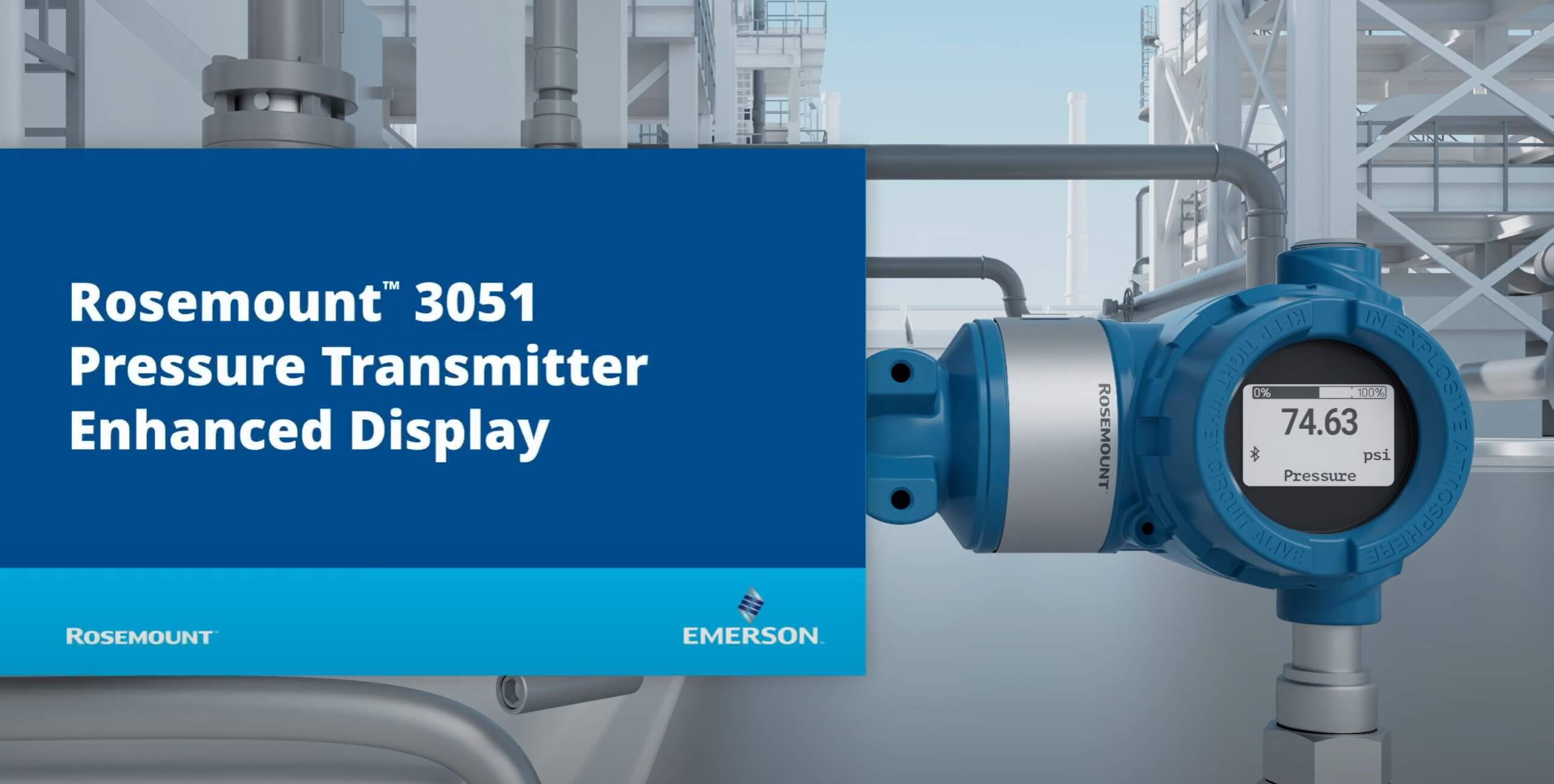
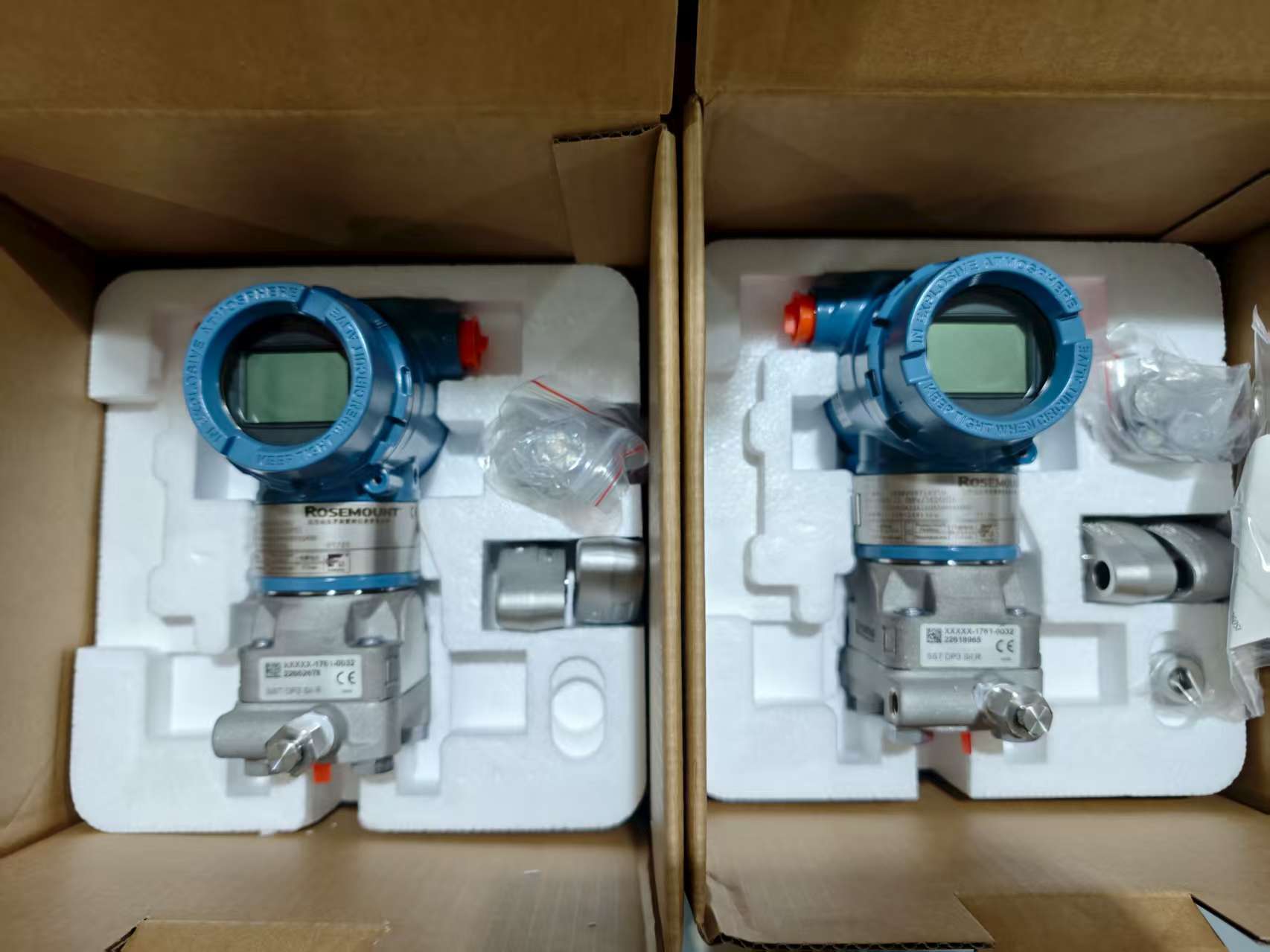
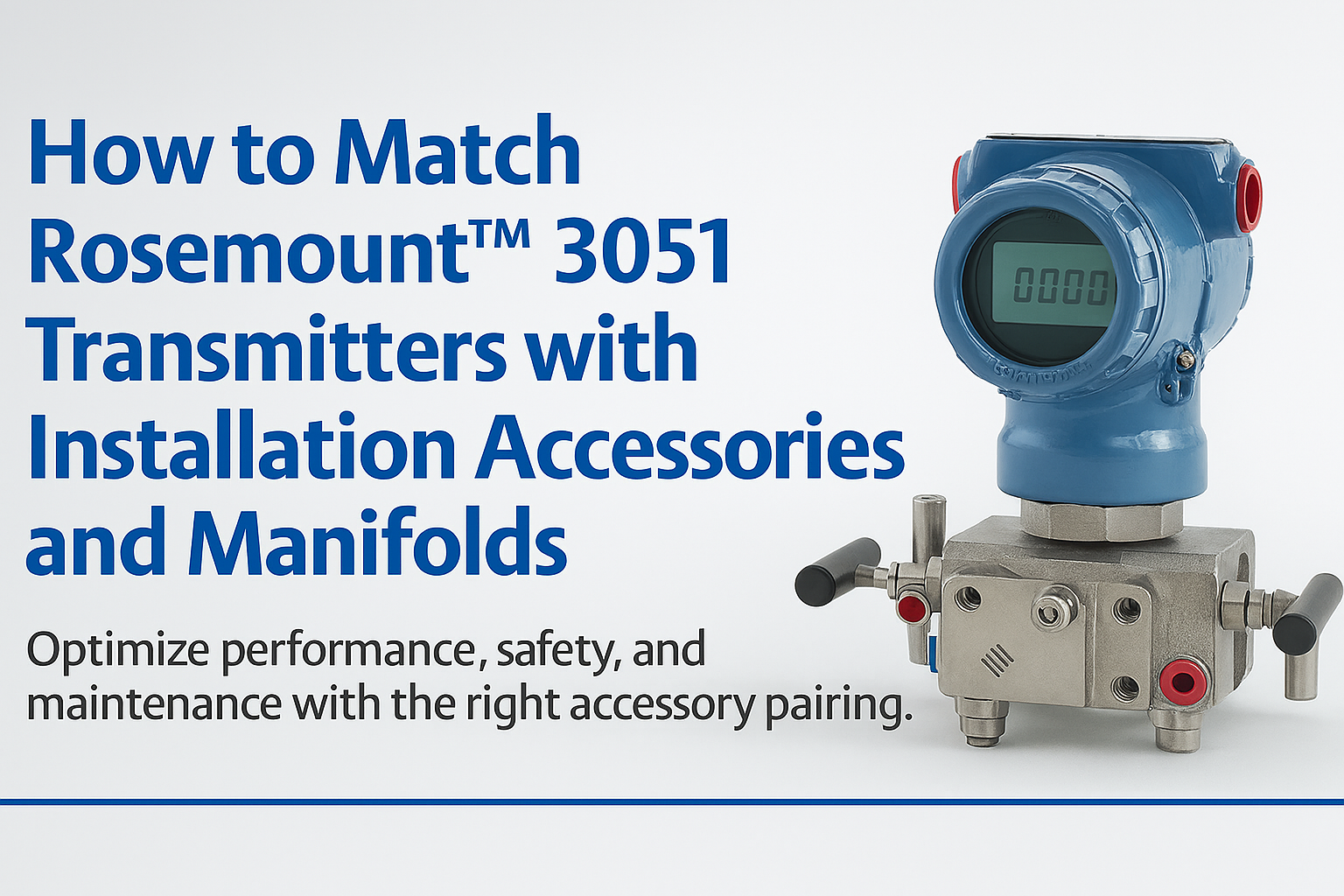
Rosemount 3051 transmitters represent an industry standard in industrial process measurement, providing reliable pressure, differential pressure, and flow data across refining, chemical, oil and gas, and power generation environments. Engineered for high accuracy, robust diagnostic capabilities, and modular architecture, these devices are essential components for modern automation systems, ensuring safe and efficient plant operations.
Understanding the Rosemount 3051 Platform Architecture
The Rosemount 3051 platform, originally developed by Emerson, is built around a modular architecture that separates the sensor module, the electronics housing, and the process connection. This design philosophy offers significant operational flexibility. Technicians can replace or upgrade individual components without removing the entire instrument from the process piping or vessel, drastically reducing maintenance downtime.
At the heart of the pressure measurement line is the coplanar sensor module. This proprietary design allows the transmitter to mount directly to traditional manifolds or direct-integrate with various primary elements. The platform leverages capacitance sensor technology for differential pressure (DP) and piezoresistive silicon sensors for gauge and absolute pressure measurements. These sensor designs inherently resist line pressure effects and overpressure conditions, maintaining calibration stability over extended operating cycles.
Electronics housings are typically manufactured from low-copper aluminum or CF8M (316) stainless steel to withstand corrosive plant atmospheres. Inside, modular electronics process the raw analog signals from the sensor, execute digital compensation algorithms for temperature and static pressure variations, and transmit the processed variable over industrial communication protocols. Dual-compartment housings isolate the field wiring terminals from the sensitive internal electronics, protecting the circuitry from moisture ingress and hazardous environmental conditions.
Key Transmitter Types Within the 3051 Series
The Rosemount 3051 family is not a single instrument but a comprehensive suite of pressure, flow, and level measurement devices. Selecting the correct model requires matching the physical process requirements to the specific capabilities of each variant.
1. Rosemount 3051C Coplanar Pressure Transmitter
The 3051C is the most common model, engineered to measure differential, gauge, or absolute pressure. Its coplanar platform supports a wide range of process connections, offering high performance in a compact footprint. It serves as the baseline for differential pressure flow calculations, filter monitoring, and level measurement in closed vessels.
2. Rosemount 3051T In-Line Pressure Transmitter
Designed specifically for gauge and absolute pressure measurements, the 3051T utilizes a direct-weld, single-isolated diaphragm design. Available with various process connections—including threaded, flush-mount, and sanitary fittings—it is ideal for high-pressure industrial applications and pipeline monitoring where differential measurement is unnecessary.
3. Rosemount 3051S Series and Advanced Scalability
While sharing the core DNA of the 3051 family, the 3051S represents a higher-tier platform offering Ultra accuracy classes, wireless capabilities, and safety-certified (IEC 61508) architecture for Safety Instrumented Systems (SIS). Understanding the distinctions between standard 3051 units and the scalable 3051S helps engineering teams balance measurement performance budgets with plant safety requirements.
4. Specialized Variants (Flow and Level)
- Rosemount 3051CF Flow Meters: Integrated flow solutions combining a primary element (such as an orifice plate, Annubar averaging pitot tube, or compact orifice) with pre-engineered 3051 transmitters to deliver mass or volumetric flow rate directly.
- Rosemount 3051L Level Transmitters: Flanged-connection transmitters designed to mount directly to vessel nozzles, eliminating impulse piping issues in viscous, corrosive, or crystallizing liquid level applications.
Communication Protocols and System Integration
Modern industrial automation relies on seamless data communication between field instrumentation and Distributed Control Systems (DCS) or Programmable Logic Controllers (PLCs). Rosemount 3051 transmitters support multiple communication protocols to integrate into legacy and modern network topologies.
| Protocol | Typical Infrastructure | Key Strengths |
|---|---|---|
| 4–20 mA with HART | Twisted-pair analog wiring superimposed with digital data | Universal compatibility, easy configuration via handheld communicators, backward compatible. |
| FOUNDATION Fieldbus | Multi-drop digital bus architecture | Advanced control-in-the-field capabilities, extensive diagnostic data, reduced cabling costs. |
| WirelessHART | Self-organizing mesh radio frequency (2.4 GHz) | Rapid deployment in hard-to-reach locations, zero-power-cable requirements, secure data encryption. |
| PROFIBUS PA | Two-wire digital fieldbus optimized for process automation | High-speed data transmission, interoperability across vendor systems, comprehensive device profiles. |
The integration of HART protocol remains ubiquitous, allowing operators to access multidimensional process data—such as sensor temperature, raw pressure, and device diagnostics—without interrupting the primary 4–20 mA loop control signal.
Technical Specifications and Performance Metrics
Evaluating a pressure transmitter requires analyzing specific performance parameters that dictate measurement fidelity under real-world plant conditions.
Reference Accuracy
Standard Rosemount 3051 units offer reference accuracies up to $\pm 0.075%$ of the calibrated span, while enhanced models achieve up to $\pm 0.025%$ of span. Accuracy includes the combined effects of linearity, hysteresis, and repeatability under controlled laboratory conditions.
Stability and Total Probable Error (TPE)
Long-term stability is a critical metric for reducing maintenance and calibration cycles. The 3051 platform guarantees stability of $\pm 0.1%$ of URL (Upper Range Limit) for up to 10 years. Total Probable Error calculates the combined effects of ambient temperature, static pressure, and reference accuracy, providing a realistic estimate of measurement uncertainty in operational settings.
Turndown Ratio
A high turndown ratio allows a single transmitter model to be applied across a wide range of operational scales without sacrificing measurement resolution. The 3051 features turndown ratios up to 100:1 (and higher in advanced models), meaning a 0–300 psi sensor can be ranged down to 0–3 psi while maintaining specified accuracy.
Installation, Calibration, and Best Practices
Proper installation and configuration directly impact the longevity and measurement accuracy of Rosemount 3051 transmitters.
Mechanical Installation Guidelines
- Liquid Service: Mount the transmitter below the pressure tap so that impulse piping slopes upward toward the process line at a minimum gradient of 1 inch per foot (8 cm/m). This prevents gas pockets from getting trapped in the lines.
- Gas Service: Mount the transmitter above the pressure tap with impulse piping sloping downward toward the process line, preventing liquid condensation from pooling in the sensor module.
- Steam Service: Use condensate pots to maintain equal fluid columns on both sides of a differential pressure transmitter, and fill impulse lines with a compatible barrier fluid if freezing or high-temperature flashing is a risk.
Electrical and Grounding Requirements
Ensure proper shielding and grounding to prevent electromagnetic interference (EMI) and radio frequency interference (RFI) from corrupting the signal. The shield wire should be grounded at one end only—typically at the control system side—to eliminate ground loops.
Calibration Procedures
While factory-calibrated, transmitters require periodic verification. Using a certified pressure calibrator and a HART-compatible communicator, technicians perform zero-trim and span-trim procedures. Bench calibration involves applying known reference pressures (e.g., 0%, 50%, and 100% of range) and adjusting the digital trim registers to align output values with traceable standards.
Troubleshooting Common Operational Issues
When process measurements drift or communication fails, systematic troubleshooting can isolate the root cause quickly.
- Erratic or No Output (4–20 mA Loop):
- Check loop power supply voltage; terminals at the transmitter require a minimum of 10.5 VDC (up to 42 VDC depending on HART load resistors).
- Verify wiring polarity and inspect terminal blocks for moisture or corrosion.
- Measurement Bias or Drift:
- Inspect impulse lines for blockages, frozen condensate, or trapped gas bubbles.
- Perform a sensor zero-trim with the process isolated and equalized (vented to atmosphere or equalized across a 3-way manifold). If drift persists, check for mechanical overpressure damage to the sensing diaphragm.
- Communication Failures (HART / Fieldbus):
- Ensure the loop resistance meets the minimum requirement (typically 250 ohms for HART communication).
- Check for excessive electrical noise on the cabling or incorrect network termination impedance in Fieldbus topologies.
Frequently Asked Questions
How do I reset a Rosemount 3051 transmitter to factory settings?
You can reset configuration parameters using a HART-enabled field communicator or asset management software such as AMS Device Manager. Navigate to the device setup menu, locate the reset or factory default utility, and execute the command. Note that this action restores default ranging and damping values, requiring you to re-enter application-specific configurations afterward.
What is the difference between gauge, absolute, and differential pressure?
Gauge pressure measures pressure relative to ambient atmospheric pressure. Absolute pressure measures pressure relative to an absolute vacuum (zero pressure reference). Differential pressure measures the difference between two separate pressure points ($P_1 - P_2$), which is fundamental for calculating fluid flow rates through restriction elements and monitoring liquid levels in pressurized vessels.
Can Rosemount 3051 transmitters be used in hazardous, explosive atmospheres?
Yes. The 3051 family is available with multiple global hazardous-area certifications, including ATEX, IECEx, FM, and CSA. Depending on the model code, they are rated for intrinsically safe (Ex i), flameproof/explosion-proof (Ex d), or non-sparking (Ex n) installations. Always verify the specific nameplate certifications against the plant's hazardous area classification zone before installation.
How often should a Rosemount 3051 transmitter be calibrated?
Calibration frequency depends on the criticality of the measurement loop, internal quality management systems, and historical stability data. For non-critical utility lines, an annual or biennial check is common. For custody transfer or safety-critical safety instrumented functions (SIF), verification intervals may range from every 3 to 6 months based on proof-testing requirements defined in safety lifecycle documentation.
What causes a "Scaled Variable Out of Limits" diagnostic alert?
This alert typically occurs when the process variable exceeds the upper or lower range limits configured in the transmitter's digital database, or when the 4–20 mA analog output scale is mismatched with the sensor limits. Review the range values, process conditions, and damping settings to resolve the mismatch.
Conclusion
Rosemount 3051 transmitters provide dependable, high-accuracy measurement solutions across diverse industrial applications. By mastering their modular architecture, selecting appropriate protocol integrations, and adhering to strict installation and maintenance guidelines, instrumentation and control professionals can maximize process reliability, minimize downtime, and ensure regulatory compliance.