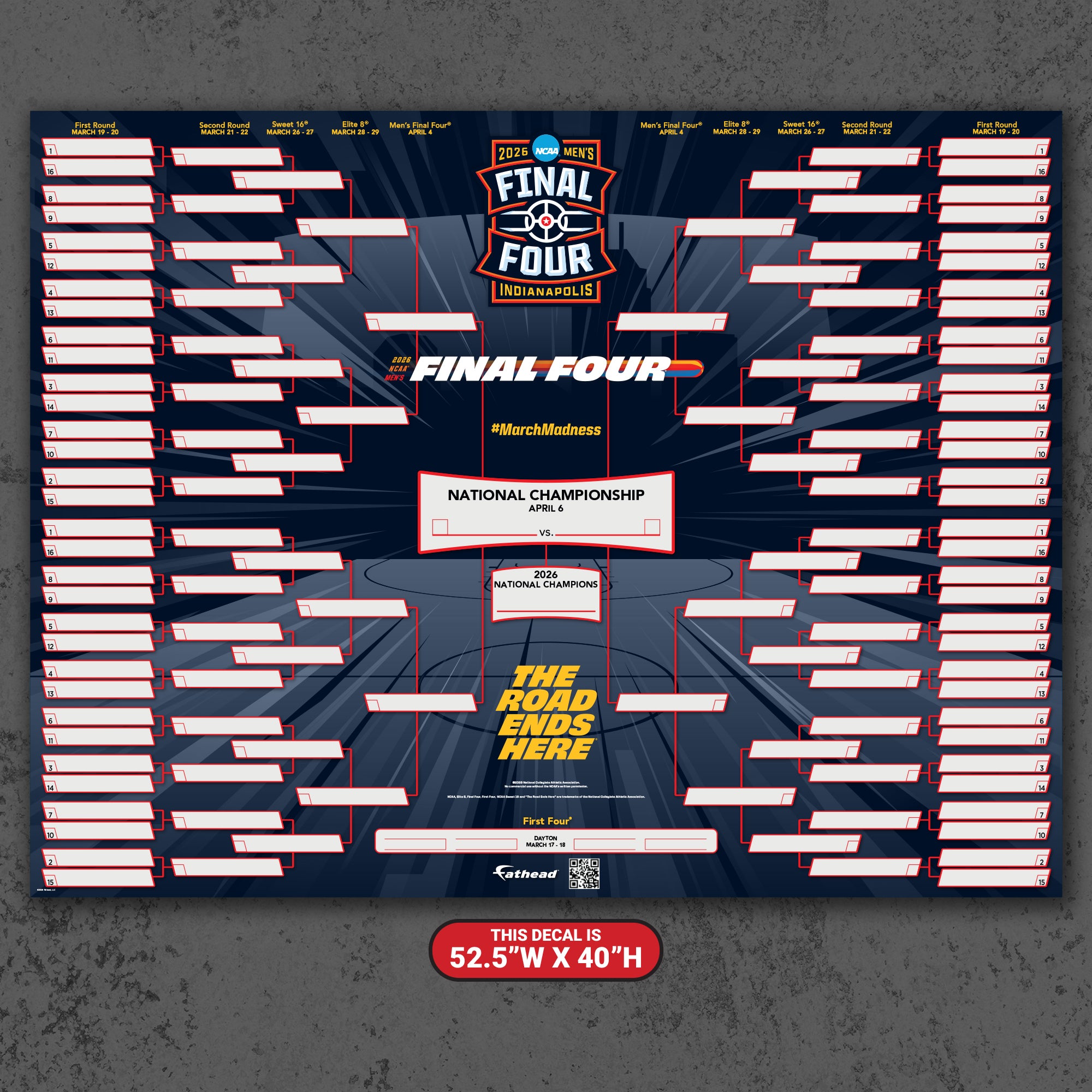
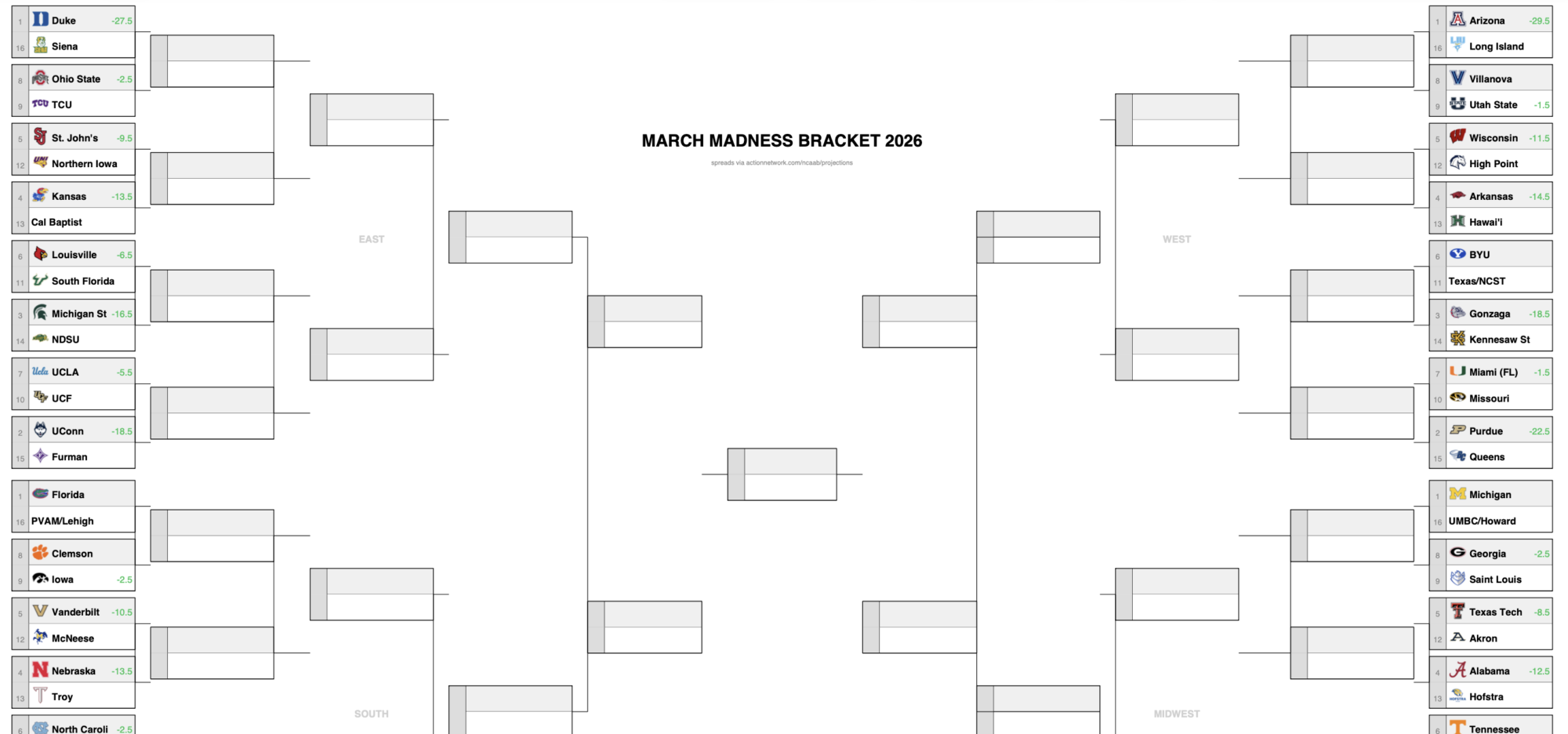
The 2026 Tournament of Champions bracket features a 32-competitor, single-elimination tournament structure divided into distinct regional brackets (East Coast and West Coast). Competitors advance through blind-judged head-to-head rounds based on seeding, randomizer challenges, and strict criteria evaluation, culminating in a high-stakes championship final to determine the overall champion.
Understanding the Tournament of Champions Bracket Format
The term Tournament of Champions (TOC) refers to several elite competitive showcases, most prominently Food Network's flagship culinary competition hosted by Guy Fieri, the annual Jeopardy! Tournament of Champions trivia showcase, and the prestigious National Speech & Debate Tournament of Champions. While each domain applies the bracket framework differently, the primary search intent behind a bracket overview centers on the culinary Tournament of Champions, where 32 elite chefs battle across a single-elimination, bracketed playoff grid.
In culinary TOC competitions, the tournament operates on a strictly structured 32-chef bracket divided into two geographic halves: the East Coast Region and the West Coast Region. Each region is further sub-divided into two quadrants (Quadrant A and Quadrant B), containing seeds 1 through 8. Before the round of 32 officially commences, preliminary play-in matches are often held to determine which qualifying chefs secure the final 8th-seed positions in each quadrant.
- 32-CHEF MAIN BRACKET GRID
- EAST COAST REGION
- Quadrant A (Seeds 1-8)
- Quadrant B (Seeds 1-8)
- WEST COAST REGION
- Quadrant A (Seeds 1-8)
- Quadrant B (Seeds 1-8)
- CHAMPIONSHIP FINAL
- EAST COAST REGION
The defining characteristic of the TOC bracket design is its adherence to traditional sports playoff architecture combined with blind evaluation. Unlike conventional reality culinary programming, where judges observe preparation and contestant personalities, the TOC bracket enforces complete anonymity during tasting. This structural design ensures that lower-seeded dark horses have an identical structural pathway to victory as multi-time champions.
Regional Breakdown and Quadrant Mechanics
Navigating the 2026 Tournament of Champions bracket requires a clear understanding of how the 32 seeds are positioned and how competitors progress toward the final showdown. The tournament layout distributes high-profile culinary veterans, Michelin-starred chefs, and previous tournament winners across balanced brackets to avoid premature matchups between top contenders.
The East Coast Bracket Architecture
The East Coast portion of the bracket contains 16 chefs split across two 8-chef sub-brackets:
- East Quadrant A: Typically anchored by a #1 seed featuring a past TOC winner, finalist, or top-ranked national culinary figure. The #1 seed faces the #8 seed (or the winner of the East Play-In match) in Round 1.
- East Quadrant B: Anchored by the #2 and #3 seeds on the East Coast side. The structure pairs #2 vs. #7 and #3 vs. #6 in the opening round, creating intense head-to-head pressure early in the competition.
Chefs in the East Coast bracket compete entirely within their regional pool through the Round of 32, the Sweet 16, and the Elite Eight. The winner of East Quadrant A meets the winner of East Quadrant B in the East Coast Regional Final (the Final Four level of the bracket).
The West Coast Bracket Architecture
Mirroring the East, the West Coast bracket maintains an identical 16-chef distribution:
- West Quadrant A: Features top West Coast seeds competing in standard 1-vs-8 and 4-vs-5 match structures.
- West Quadrant B: Hosts matches for 2-vs-7 and 3-vs-6 seeds, establishing a parallel advancement tree.
The West Coast regional champion is decided when the survivor of West Quadrant A battles the survivor of West Quadrant B. Only after both regional finals are concluded do the East Coast Champion and West Coast Champion face off in the ultimate single-match Championship Final.
Round-by-Round Competition Mechanics
Understanding how a chef advances through the bracket requires examining the specific operational mechanics of each match round. Every head-to-head battle relies on strict time limits, mandatory ingredient integration, and standardized scoring rubrics.
1. The Randomizer Instrument
Before every match, competitors face The Randomizer—a multi-wheeled computerized apparatus that dictates the parameters of the dish. The machine determines five mandatory variables:
- Protein: The primary meat, seafood, or plant-based protein required (e.g., rack of lamb, wild boar, red snapper).
- Produce: The mandatory fruit or vegetable component that must be prominently featured.
- Equipment: A specific cooking tool or appliance that must be utilized during preparation (e.g., pressure cooker, waffle iron, liquid nitrogen, anti-griddle).
- Culinary Style/Wildcard: A regional technique, flavor profile, or presentation requirement (e.g., street food, deep-fried, decadent brunch, smoked).
- Clock Limit: The total preparation and plating time allotted (ranging from 25 to 45 minutes depending on the tournament stage).
As the bracket advances into later rounds (Elite Eight, Final Four, and Finals), the Randomizer parameters become progressively more difficult, reducing cooking times and mandating more challenging ingredient combinations.
2. Blind Judging and Standardized Scoring Rubric
To maintain competitive integrity across all bracket matchups, judging is executed completely blind. Judges remain in a separate room while meals are prepared, receiving dishes identified only by designated contestant letters (e.g., Chef A vs. Chef B).
Judges evaluate dishes using a rigid 100-Point Scoring Scale:
- Taste (50 Points): Flavors, seasoning, balance, technical execution of ingredients, and overall culinary enjoyment.
- Use of Randomizer (30 Points): How effectively, creatively, and prominently the chef integrated all five mandatory Randomizer elements into the cohesive dish.
- Presentation (20 Points): Visual appeal, plating technique, elegance, and aesthetic composition.
The contestant who secures the higher cumulative point score from the judging panel advances to the next step on the bracket grid, while the loser is immediately eliminated from the tournament.
Comparative Analysis of Major 2026 Tournament of Champions Brackets
While culinary TOC dominates TV bracket discussions, other major national competitions operate under the "Tournament of Champions" banner. The table below outlines how these distinct tournament brackets compare in structure, evaluation methods, and championship criteria.
| Competition Name | Governing Body / Host | Total Entrants | Bracket Format | Evaluation Methodology | Round Progression |
|---|---|---|---|---|---|
| Culinary Tournament of Champions | Food Network / Guy Fieri | 32 (plus Play-Ins) | Regional Single Elimination (East vs. West) | Blind Judging (100-pt Scale: Taste, Randomizer, Plating) | Round of 32 $\rightarrow$ Sweet 16 $\rightarrow$ Elite 8 $\rightarrow$ Final 4 $\rightarrow$ Championship |
| Jeopardy! Tournament of Champions | Jeopardy! Productions | 18–27 Champions | Multi-Stage Playoff Grid | Correct Clue Responses & Wagering Strategy | Champions Wildcard $\rightarrow$ Quarterfinals $\rightarrow$ Semifinals $\rightarrow$ First-to-3 Finals |
| Speech & Debate Tournament of Champions | University of Kentucky | Variable (hundreds by division) | Swiss Prelims into Single-Elimination Bracket | Multi-Judge Panel Scoring Criteria | Preliminary Rounds $\rightarrow$ Octafinals $\rightarrow$ Quarterfinals $\rightarrow$ Semifinals $\rightarrow$ Finals |
| PGA Sentry Tournament of Champions | PGA Tour | Winners from prior season | Stroke Play Field (No Bracket Grid) | Lowest Total Strokes (72 Holes) | Round 1 $\rightarrow$ Round 2 $\rightarrow$ Round 3 $\rightarrow$ Final Round |
Deep Dive: Alternative TOC Bracket Frameworks
The Jeopardy! Tournament of Champions Bracket Structure
For game show enthusiasts, the Jeopardy! Tournament of Champions uses a multi-stage playoff bracket that differs significantly from single-elimination sports brackets:
- Qualifications & Wildcard Feeder: Season winners earning three or more consecutive victories qualify alongside champions from special events (such as the High School Reunion or Second Chance tournaments).
- Semifinal Advancement: Winners of initial match groupings advance to a 9-player Semifinal round.
- First-to-Three Finals Series: Unlike traditional single-elimination finals, the three remaining players compete in a multi-game series. The first contestant to win three full matches claims the TOC crown, allowing the final series to stretch anywhere from three to seven matches.
High School and Collegiate Debate Tournament of Champions (TOC)
Hosted annually by the University of Kentucky, the speech and debate TOC represents the apex of competitive high school forensics. Its bracket format differs by pairing initial rounds via a Swiss-system format (where competitors face opponents with similar win-loss records) before trimming the field to a single-elimination bracket starting at the Break Rounds (Double-Octafinals or Octafinals).
Strategic Factors for Bracket Prediction and Analysis
Analyzing a 2026 Tournament of Champions culinary bracket requires looking beyond baseline seeding. High seeds frequently fall to lower seeds due to specific match conditions. Analysts and fantasy bracket participants should evaluate four primary strategic variables:
1. Speed and Efficiency Under Time Constraints
Chefs accustomed to high-volume line cooking or quick-service concepts often excel during 25-minute Randomizer rounds. Fine-dining chefs who rely on long braises, complex reductions, or multi-stage fermentations frequently struggle when the Randomizer clock sets a tight limit.
2. Randomizer Adaptability vs. Signature Styles
A common pitfall in bracket analysis is assuming a renowned chef will win based on their master dishes. Because the Randomizer forces unexpected pairings (such as combining game meat with citrus and using an air fryer), chefs with broad global knowledge (e.g., street food techniques, Asian night-market methods, rustic Mediterranean styles) consistently outpace hyper-specialized chefs.
3. Historical Blind Judging Performance
Because judges do not know who prepared the plate, classic technique and bold flavor profiles are consistently rewarded over intricate aesthetics that lack seasoning. Track record analysis shows that past TOC winners consistently achieve scores above 85 out of 100 regardless of the protein assigned.
4. The Play-In Momentum Effect
Chefs who fight their way through the initial Play-In qualifier matches enter the main 32-chef bracket with an operational advantage. They have already cooked under the arena lights, tested the kitchen equipment layout, and adjusted to the pressure, making 8th-seed upsets against 1st-seeds a recurring phenomenon in tournament history.
Step-by-Step Guide: How to Fill Out and Track Your 2026 Bracket
Participating in an official or casual Tournament of Champions bracket pool involves systematic evaluation. Follow these sequential steps to optimize your bracket selections:
Step 1: Map Play-In Winners
Step 2: Evaluate R1 Matchups & Randomizers
Step 3: Analyze Sweet 16 & Elite 8 Paths
Step 4: Lock Regional Champions
Step 5: Select Overall Champion & Tiebreaker Score
Establish the Initial Grid: Obtain the official 32-chef bracket printout once seeds and play-in winners are locked by network broadcasts or official releases on Food Network.
Evaluate Round of 32 Matchups Individually: Assess the matchup dynamics for all 16 first-round games. Identify potential style clashes between East Quadrants A/B and West Quadrants A/B.
Project Randomizer Vulnerability: Mark high seeds who historically struggle with low time limits or obscure produce items as potential upset targets in the Sweet 16.
Select Regional Finalists: Choose one winner from East Quadrant A, one from East Quadrant B, one from West Quadrant A, and one from West Quadrant B. Weigh their paths to ensure they have the physical stamina for back-to-back competition rounds.
Determine the Grand Champion and Final Score: Predict the final matchup between the East Coast Champion and West Coast Champion. As a tiebreaker metric for bracket pools, project the total combined points scored by the winning chef in the final match (typically between 88 and 94 points).
Common Mistakes in TOC Bracket Predictions
- Relying Solely on Star Power: Selecting winners based on culinary fame or television popularity rather than competition readiness frequently leads to busted brackets. Blind judging eliminates reputation bias entirely.
- Ignoring Equipment Mechanics: Underestimating how mandatory equipment (e.g., ice cream makers, pressure cookers, smokers) impacts prep time. A chef who fails to get their required equipment component onto the plate receives an automatic penalty in the Randomizer scoring category, making victory nearly impossible.
- Overlooking Quadrant Depth: Assuming a #1 seed will coast to the Final Four without checking the #4 and #5 seeds in their immediate path. High-density quadrants with multiple past champions present brutal elimination paths.
Frequently Asked Questions
What is the structure of the 2026 Tournament of Champions bracket?
The culinary Tournament of Champions features a 32-chef single-elimination bracket split into two main regions: East Coast and West Coast. Each region is divided into two 8-chef quadrants (A and B). Competitors face off in head-to-head matches, with regional winners advancing to the Championship Final.
How are chefs seeded in the TOC bracket?
Seeding is determined by tournament producers and historical performance metrics. Factors include past TOC titles, career competition achievements, culinary accolades (such as James Beard awards or Michelin stars), and performance in regional play-in qualifiers.
How does blind judging work in the bracket rounds?
Chefs prepare their dishes in an open arena, but the judging panel is isolated in a separate backroom. Plates are delivered anonymously identified only by letter codes. Judges score dishes out of 100 total points based on Taste (50 pts), Randomizer usage (30 pts), and Presentation (20 pts) without knowing who cooked the meal.
How many wins are required to capture the Tournament of Champions title?
A chef starting in the main 32-person bracket must win five consecutive head-to-head matches to claim the championship: Round of 32, Sweet 16, Elite Eight, Regional Final (Final Four), and the Championship Final. Play-in entrants must win six total matches.
How does the Jeopardy! Tournament of Champions bracket differ from culinary TOC?
The Jeopardy! TOC features a smaller pool of qualified quiz champions playing across Quarterfinals, Semifinals, and a multi-game Final series. Unlike single-elimination culinary matches, the Jeopardy! final requires a contestant to win three full matches to take the tournament title.
Practical Recommendation for Fans and Analysts
To maximize your engagement and prediction accuracy for the 2026 Tournament of Champions bracket, finalize your bracket picks immediately following the completion of the Play-In qualifying matches. Track official rule updates, seed reveals, and bracket releases on the official Food Network portal or verified tournament broadcast schedules. Focus your analysis on chefs with demonstrated versatility in blind-judged formats, as historical performance in un-blinded shows rarely correlates directly with TOC success.