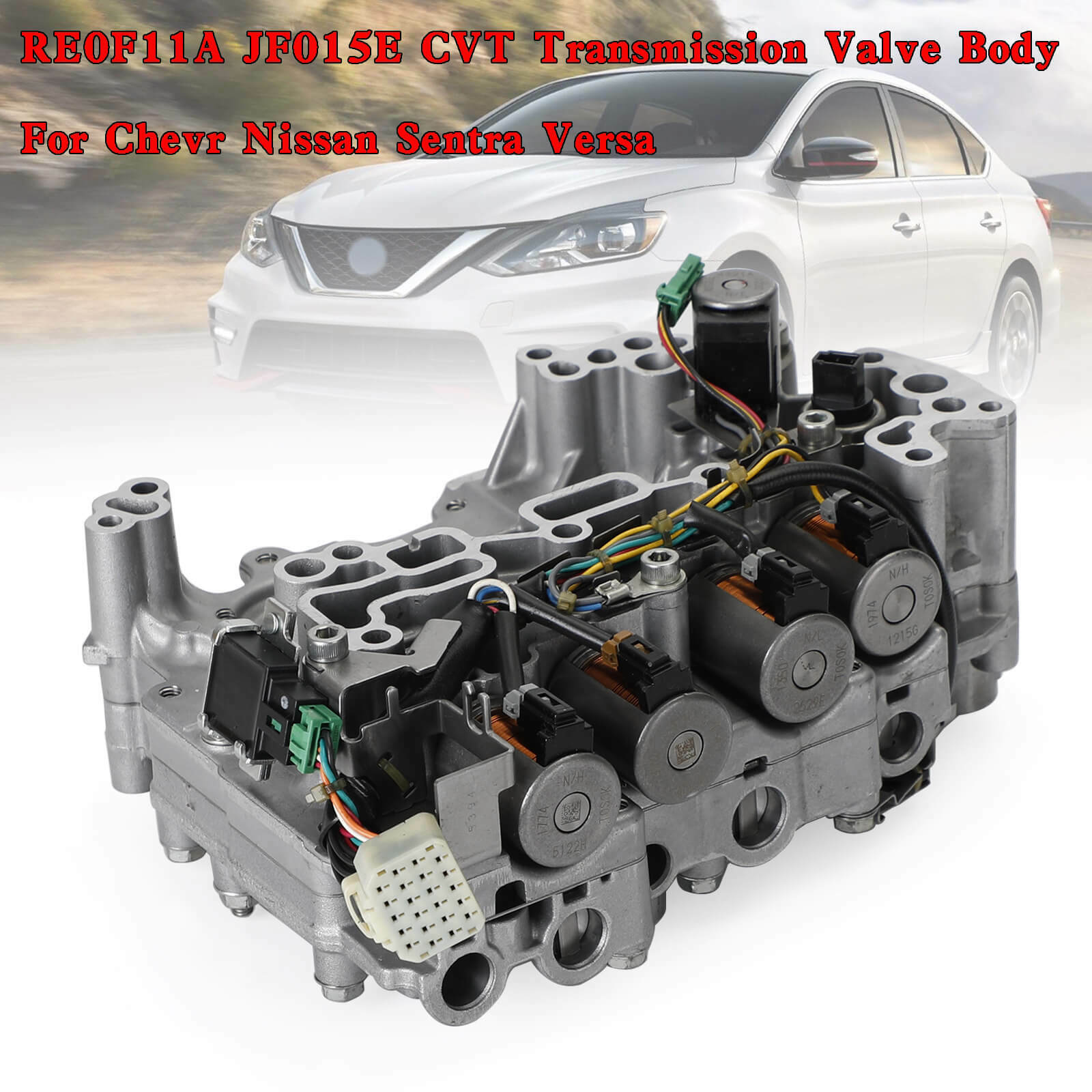
The 2019 Nissan Sentra utilizes a continuously variable transmission (CVT) that has been the subject of owner reports regarding shuddering, delayed acceleration, loss of power, and premature failure. Identifying these symptoms early, maintaining consistent fluid changes, and understanding available service bulletins or warranty extensions are critical steps for owners facing potential transmission issues.
The Role of the CVT in the 2019 Nissan Sentra
The 2019 Nissan Sentra is equipped with an Xtronic Continuously Variable Transmission (CVT). Unlike traditional automatic transmissions that use a set of fixed gears, a CVT uses a belt-and-pulley system that provides an infinite range of ratios. This design is intended to improve fuel efficiency and provide smoother acceleration by keeping the engine in its optimal power band.
However, the technology behind these specific units, particularly in Nissan vehicles produced during the late 2010s, has faced significant scrutiny. The mechanics of the CVT require high-pressure hydraulic systems to manage the metal belt and pulleys. If the transmission fluid degrades or if the internal components suffer from heat-related wear, the transmission can lose the ability to maintain correct ratios, leading to the functional issues many owners report.
Common Symptoms of Transmission Failure
Recognizing the signs of a failing transmission can save owners from being stranded and may prevent further internal damage to the unit. While some issues are subtle, others are immediate indicators that the vehicle requires professional inspection.
Shuddering and Jerking
Many owners report a "shudder" or a "stutter" during acceleration. This is often described as the vehicle vibrating or hesitating when the driver attempts to increase speed, particularly between 20 and 40 miles per hour. This sensation is caused by the belt slipping on the pulleys or the hydraulic system struggling to adjust the ratio smoothly.
Delayed Engagement
Delayed engagement occurs when the driver shifts the vehicle into Drive or Reverse, and there is a noticeable pause—often one to three seconds—before the transmission "catches" and the vehicle begins to move. If you step on the gas during this delay, you may experience a harsh "clunk" as the transmission suddenly engages.
Loss of Power and "Limp Mode"
In more severe cases, the vehicle may enter "limp mode," a safety feature designed to protect the transmission from catastrophic damage. During this state, the vehicle’s power is significantly restricted, and the engine speed may be limited to prevent further strain on the CVT. This is often accompanied by the illumination of the "Check Engine" or "Service Engine Soon" light.
Whining Noises
While some degree of engine noise is normal for a CVT due to how it holds RPMs, a distinct, high-pitched whining or whistling sound originating from the transmission area is a red flag. This often points to issues with the internal pump or excessive heat buildup, signaling that the transmission fluid is failing to provide adequate lubrication and cooling.
Comparison of CVT Failure Indicators
| Symptom | Frequency | Potential Cause |
|---|---|---|
| Shuddering | High | Belt slip or pulley surface wear |
| Delayed Engagement | Moderate | Hydraulic pressure loss |
| Whining Noise | Moderate | Pump failure or bearing wear |
| Limp Mode | Low | Overheating or sensor error |
| Fluid Leak | Low | Damaged seal or cracked housing |
Diagnostic and Troubleshooting Steps
If you suspect your 2019 Nissan Sentra is experiencing transmission issues, follow these steps to narrow down the cause before proceeding to a repair shop.
1. Observe the Check Engine Light
If the transmission is struggling, the Transmission Control Module (TCM) will often trigger a Diagnostic Trouble Code (DTC). Use an OBD-II scanner to read these codes. Codes starting with "P07" or "P08" (such as P0700 or P0841) are frequently associated with transmission performance. Having these codes ready will help your technician diagnose the issue much faster than simply describing a "shudder."
2. Check Transmission Fluid Condition
While the 2019 Sentra CVT is designed to be a "sealed" unit, it is not maintenance-free. Fluid degrades over time due to heat and friction. A professional can check the fluid for:
- Color: Healthy fluid should be light green or clear. If it is dark brown or black, it has been overheated.
- Smell: A burnt odor is a definitive sign of internal transmission damage.
- Debris: If metal shavings are present, the transmission is undergoing internal mechanical failure.
3. Review Service Bulletins
Nissan periodically issues Technical Service Bulletins (TSBs) that address known issues. Sometimes, a software update for the Transmission Control Module can resolve shifting behavior without requiring a mechanical overhaul. Check if your vehicle is eligible for any open recalls or software updates by entering your VIN on the official National Highway Traffic Safety Administration (NHTSA) website.
Addressing Repairs and Costs
Repairing a CVT is fundamentally different from repairing a traditional automatic transmission. Because most internal components are precision-machined, the majority of mechanics—and even some dealerships—will opt to replace the entire unit rather than rebuild it.
Dealership vs. Independent Repair
- Dealerships: They have access to genuine Nissan remanufactured units and the proprietary software required to calibrate the new transmission to your engine. This is usually the safest route, though it is often the most expensive.
- Independent Transmission Specialists: Look for shops that specialize specifically in CVTs. A general mechanic may lack the specialized tools or expertise to calibrate the CVT’s ratio settings, which is essential for the longevity of a replacement unit.
Financial Considerations
If your 2019 Nissan Sentra is outside of its factory powertrain warranty (typically 5 years/60,000 miles), the cost for a full transmission replacement can range from $3,500 to $5,500, depending on labor rates in your region and the cost of the replacement unit. Always ask if the shop provides a warranty on their labor and the replacement unit; a 12-month or 12,000-mile warranty is standard for reputable repairs.
Maintenance to Extend Transmission Life
If your transmission is currently functioning correctly, consistent maintenance is the single most effective way to extend its lifespan.
- Strict Fluid Intervals: While some manuals suggest "lifetime" fluid, many transmission experts recommend changing the CVT fluid every 30,000 to 45,000 miles. Given the heat generated by the CVT, fresh fluid is the primary defense against internal wear.
- Avoid Aggressive Driving: CVTs are not designed for rapid, high-torque acceleration. Consistent "jackrabbit" starts put significant stress on the metal belt and pulley system.
- Monitor Temperature: If you frequently drive in heavy traffic or hot climates, the transmission fluid will reach higher operating temperatures. Consider adding an auxiliary transmission cooler if you plan to keep the vehicle for a long duration, as this can significantly reduce the risk of overheating.
Frequently Asked Questions
Does the 2019 Nissan Sentra have a recall for transmission problems?
There is no universal recall for all 2019 Nissan Sentra transmissions. However, individual vehicles may be subject to specific campaigns based on their production date or manufacturing batch. Always verify your status using your unique VIN through the NHTSA database or a local Nissan dealer.
Should I use aftermarket transmission fluid?
It is highly recommended to use only genuine Nissan NS-3 CVT fluid. The 2019 Sentra's CVT is calibrated specifically for the viscosity and additive package of the NS-3 formula. Using generic or incorrect fluid can cause premature slipping and void any remaining warranty coverage.
Can a software update fix my shuddering transmission?
In some cases, yes. A Transmission Control Module (TCM) update can recalibrate how the transmission shifts, which may eliminate minor shuddering caused by outdated software. However, if the shudder is caused by mechanical wear on the pulleys, a software update will not fix the physical damage.
How do I know if my transmission is failing or just needs fluid?
If the fluid is merely degraded, you might notice sluggish performance or a slight "laziness" in shifting. If you notice grinding noises, a "Check Engine" light, or the vehicle refuses to move in gear, these are signs of mechanical failure that an oil change will not resolve.
Is the CVT repairable?
While technically repairable, the complexity and cost of sourcing internal CVT parts make full unit replacement the standard repair protocol for the 2019 Sentra. Rebuilding a CVT requires extremely specialized equipment and clean-room conditions to ensure the metal pulleys are not contaminated.
Recommendation for Next Actions
If you are currently experiencing transmission issues with your 2019 Nissan Sentra, your first priority should be to document the symptoms. Keep a log of when the shuddering or delay occurs, the current mileage, and any dashboard warning lights.
Take your vehicle to a certified Nissan technician to have the TCM scanned for codes. If the transmission is deemed faulty, confirm if your vehicle is still under the powertrain warranty. If it is out of warranty, contact Nissan Consumer Affairs to determine if you qualify for "goodwill" assistance, especially if your service records show consistent maintenance. Do not ignore persistent symptoms, as delaying service can lead to a complete breakdown of the unit, which is both dangerous and significantly more costly to replace.