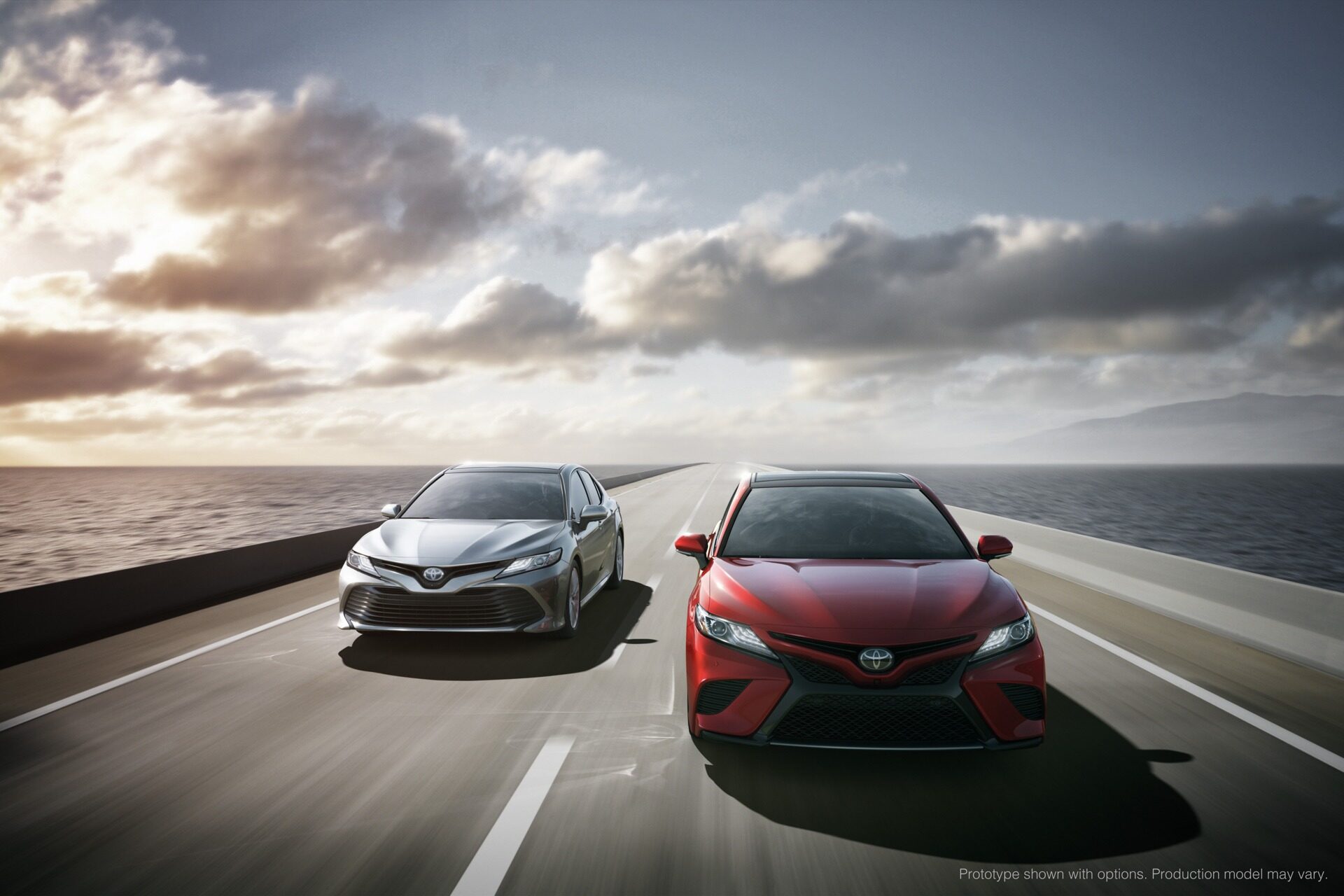
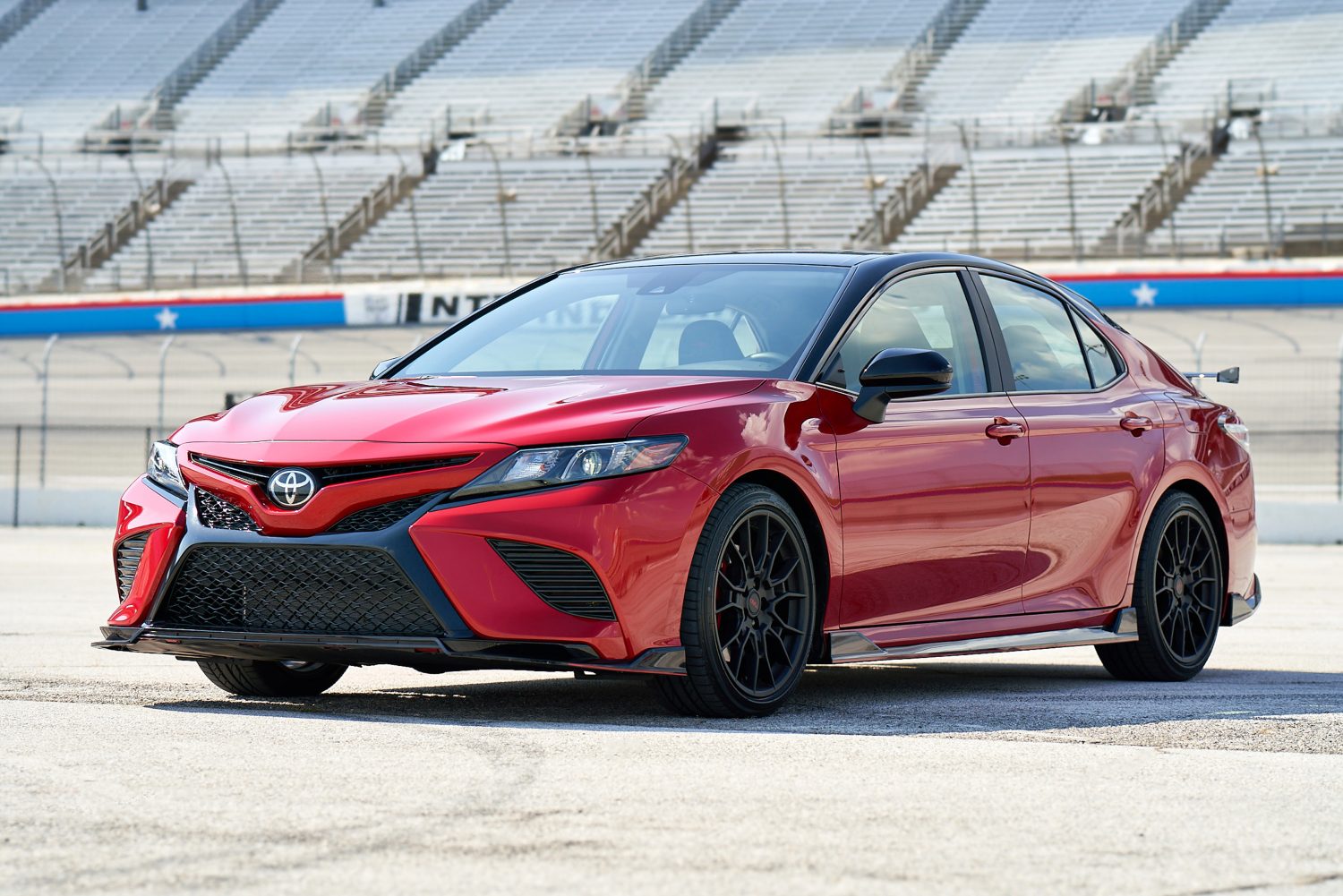
The 2018 Toyota Camry represents a significant pivot point in the model’s history, marking the first year of the eighth-generation redesign. For prospective buyers, the "red" Camry—often associated with the sportier SE or XSE trims—offers a compelling balance of long-term reliability, fuel-efficient performance, and a matured, driver-centric chassis that remains highly relevant in the 2026 used-car market.
Historical Context and the Eighth-Generation Shift
When the 2018 Toyota Camry debuted, it shed the reputation of being a strictly utilitarian "appliance" on wheels. Built on the Toyota New Global Architecture (TNGA) platform, the 2018 model introduced a lower center of gravity, increased torsional rigidity, and a multi-link rear suspension. This architectural shift is why, in 2026, the vehicle still feels modern compared to its predecessors.
The aesthetic appeal of the red exterior—specifically "Ruby Flare Pearl"—became a signature look for the SE and XSE trims. These trims featured more aggressive front fascia designs, side skirts, and, in some cases, a two-tone black roof. This visual distinction is more than skin deep; the sport-tuned suspension paired with these trims offers a firmer, more responsive handling profile that distinguishes the Camry from its more comfort-oriented LE and XLE counterparts.
Performance Dynamics: Engine Options
The 2018 Camry was offered with three distinct powertrains, each serving a different objective. Understanding these is essential for determining the long-term value of a specific unit.
- The 2.5-Liter Dynamic Force Inline-Four: This naturally aspirated engine was a marvel of thermal efficiency when released. Producing approximately 203 horsepower (206 in the XSE/XSE trim), it provides a respectable balance of acceleration and fuel economy. For the daily commuter in 2026, this engine is often the "sweet spot" for reliability and low maintenance costs.
- The 3.5-Liter V6: Reserved for the top-tier trims, this engine produces 301 horsepower. It is a rare find in the current midsize sedan market, where turbo-fours have become the norm. The V6 offers a linear, refined power delivery that enthusiasts prize.
- The 2.5-Liter Hybrid: Utilizing a Nickel-Metal Hydride or Lithium-ion battery (depending on the specific production batch and trim), the hybrid variant focuses exclusively on maximizing miles per gallon, consistently achieving over 50 mpg combined in real-world conditions.
Assessing Financial Value in 2026
In the current market, the value of a 2018 Camry is defined by its low total cost of ownership rather than high resale price appreciation. Unlike luxury vehicles that suffer from catastrophic depreciation due to high maintenance costs, the 2018 Camry benefits from the "Toyota Tax"—a premium on the used market driven by the brand's reputation for longevity.
When calculating the value of a specific red 2018 model, potential buyers should account for the following factors:
- Mileage vs. Maintenance History: A 2018 Camry with 100,000 miles that has documented records of transmission fluid flushes and synthetic oil changes is often worth more than a lower-mileage vehicle with no maintenance history.
- Trim-Specific Depreciation: The XSE trim, with its premium leather and panoramic sunroof, generally retains a higher percentage of its initial sticker price than the entry-level LE trim.
- Safety Technology: The inclusion of Toyota Safety Sense (TSS-P) as standard equipment across all 2018 trims is a major value driver. Features like Pre-Collision System with Pedestrian Detection and Lane Departure Alert remain critical safety benchmarks even by 2026 standards.
Table: Comparison of 2018 Camry Trims
| Trim Level | Engine | Transmission | Primary Focus |
|---|---|---|---|
| LE | 2.5L I4 | 8-Speed Auto | Value & Efficiency |
| SE | 2.5L I4 | 8-Speed Auto | Sporty Aesthetics & Handling |
| XSE | 2.5L I4 or V6 | 8-Speed Auto | Luxury, Tech & Performance |
| XLE | 2.5L I4 or V6 | 8-Speed Auto | Comfort & Premium Features |
| Hybrid LE/SE/XLE | 2.5L Hybrid | ECVT | Maximum Fuel Economy |
Maintenance and Practical Limitations
While the 2018 Camry is widely regarded as a "bulletproof" vehicle, prospective buyers should be aware of specific technical considerations.
The 8-speed automatic transmission introduced in 2018 was calibrated for maximum fuel economy, which occasionally leads to complaints of "hesitation" or "searching for gears" at low speeds. This is a characteristic of the transmission’s shift logic rather than a mechanical failure. Owners in 2026 often find that a software update from the dealership can mitigate these shift characteristics, though they are rarely fully eliminated.
Additionally, the infotainment system, while functional, lacks native support for modern connectivity standards like wireless Apple CarPlay or Android Auto (unless upgraded via aftermarket solutions). While the system is reliable, the lack of modern smartphone integration is a frequent point of frustration for users accustomed to newer interfaces.
Inspection Checklist for Used Buyers
Before finalizing a purchase on a used 2018 Camry, ensure you verify the following:
- Service Records: Look specifically for the 8-speed automatic transmission fluid changes. While Toyota lists the fluid as "lifetime" in some manuals, transmission specialists recommend a drain and fill every 60,000 to 80,000 miles to ensure longevity.
- Body Integrity: Since you are specifically seeking a red model, inspect the paint quality closely. The Ruby Flare Pearl is a multi-stage paint process that can be difficult to color-match if the vehicle has been involved in a collision and repaired. Check for consistent panel gaps and orange-peel texture.
- Suspension Health: On SE and XSE trims, the sport-tuned suspension may show signs of wear on the struts or bushings if the vehicle was subjected to poor road conditions. Listen for clunks when driving over speed bumps.
- Safety Recall Status: Use the National Highway Traffic Safety Administration (NHTSA) portal to check the VIN for any outstanding safety recalls.
Frequently Asked Questions
Is the 2018 Camry V6 reliable? Yes, the 2.5L and 3.5L engines are considered highly reliable. The V6, specifically, is a naturally aspirated powerhouse with a long history of durability in Toyota’s lineup, provided it receives regular oil changes.
How does the 2018 Camry handle in winter conditions? The 2018 Camry is a front-wheel-drive vehicle. It handles winter conditions well with high-quality winter tires, but it lacks the AWD capability found in later Camry models (introduced in 2020). For heavy snow, winter-rated tires are a non-negotiable requirement.
Does the red paint color affect the resale value? Generally, neutral colors like white, black, or silver are easier to resell. However, because red (Ruby Flare Pearl) was heavily featured in marketing for the sportier SE and XSE trims, it is often viewed as a "desirable" color for these specific packages, which can actually maintain or slightly boost interest in the secondary market.
Can I add Android Auto/Apple CarPlay to a 2018 Camry? Yes, several reputable aftermarket manufacturers offer head-unit replacements that integrate with the factory steering wheel controls and backup camera. This is a common upgrade for 2018 owners in 2026.
What is the fuel efficiency of the non-hybrid 2018 Camry? Most drivers report an average of 28 to 32 mpg in mixed driving conditions with the 2.5L four-cylinder engine. The V6 naturally consumes more, averaging between 22 and 26 mpg depending on driving style.
Final Recommendation for Buyers
The 2018 Toyota Camry remains one of the smartest financial decisions in the used-car segment. If you are specifically targeting a red model, prioritize the SE or XSE trims. These versions provide the visual flair of the red exterior paired with the more engaging TNGA suspension and interior amenities that make the car feel current even years after its release.
Before purchasing, emphasize a thorough pre-purchase inspection by a third-party mechanic. Focusing on the vehicle's service history, specifically regarding the transmission, will protect your investment and ensure that the performance and value you expect are delivered over the life of your ownership.