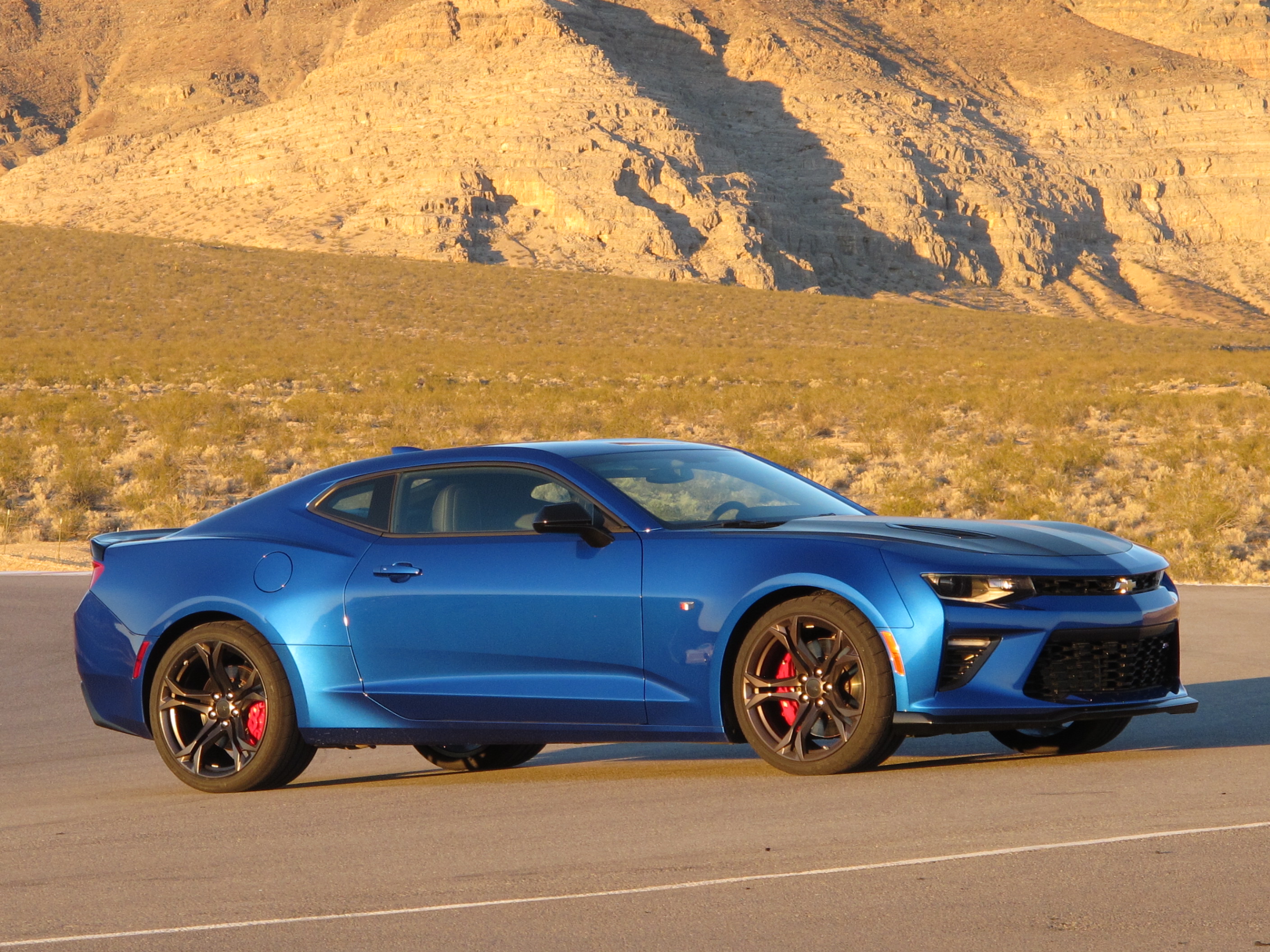
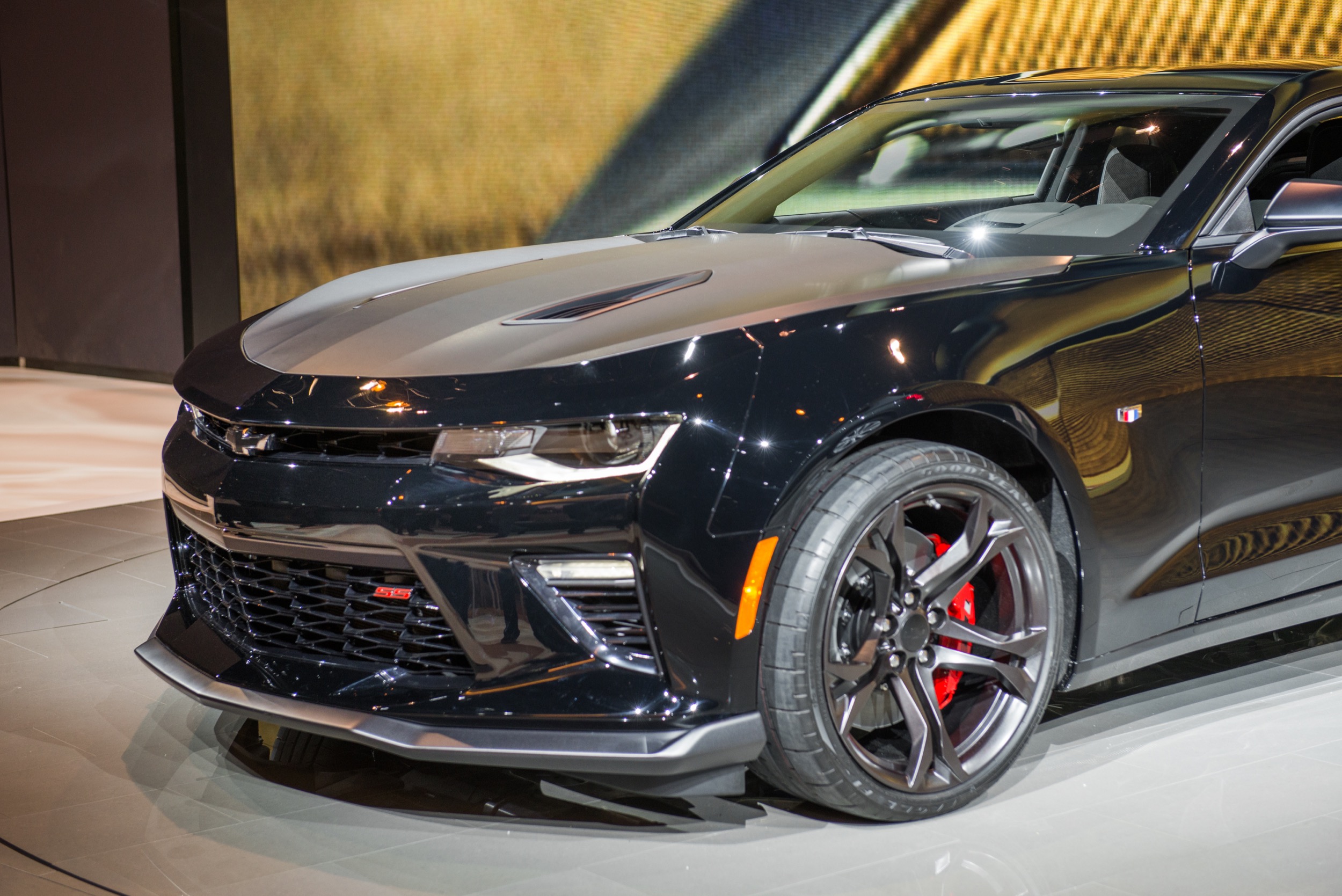
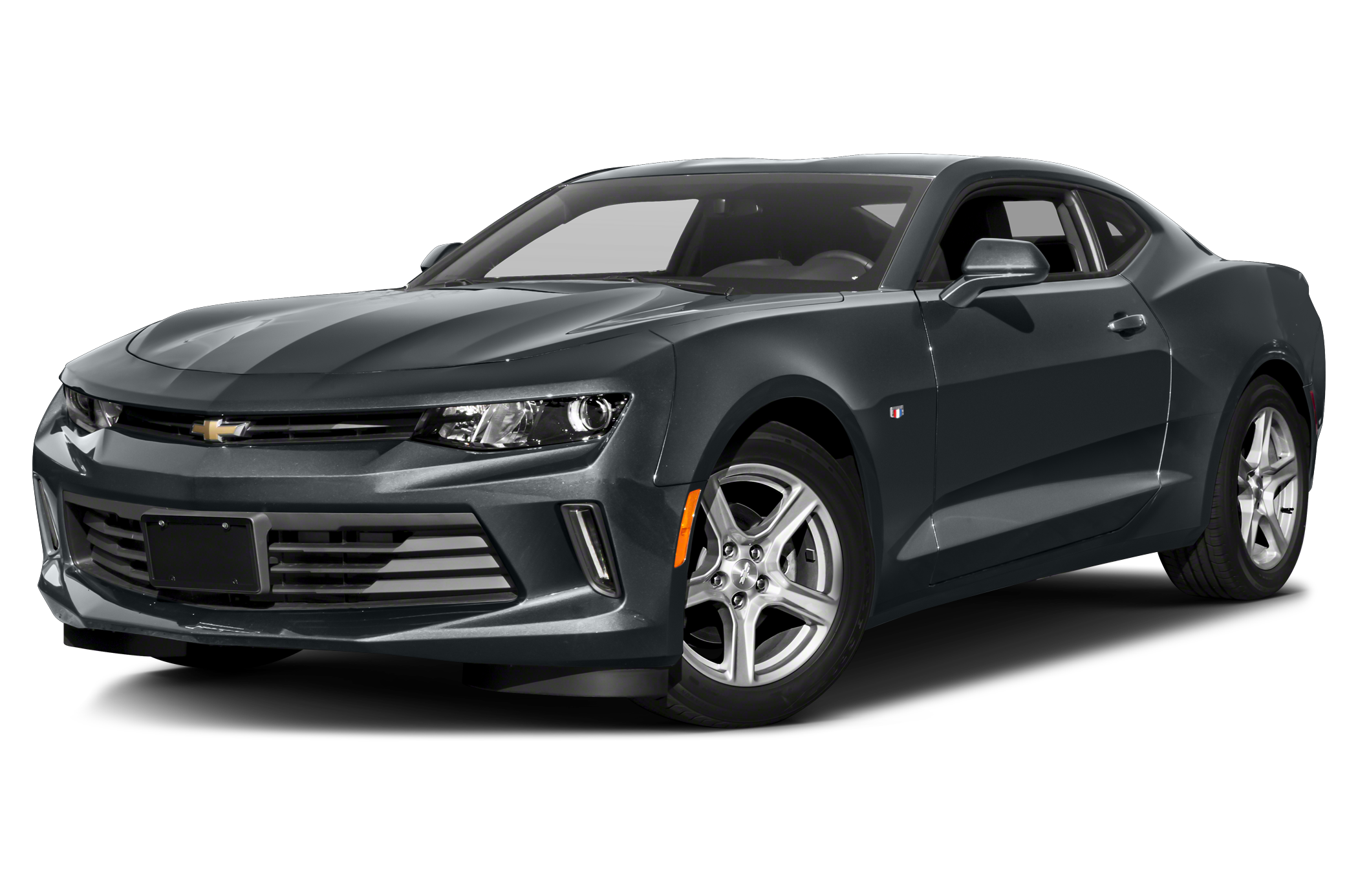
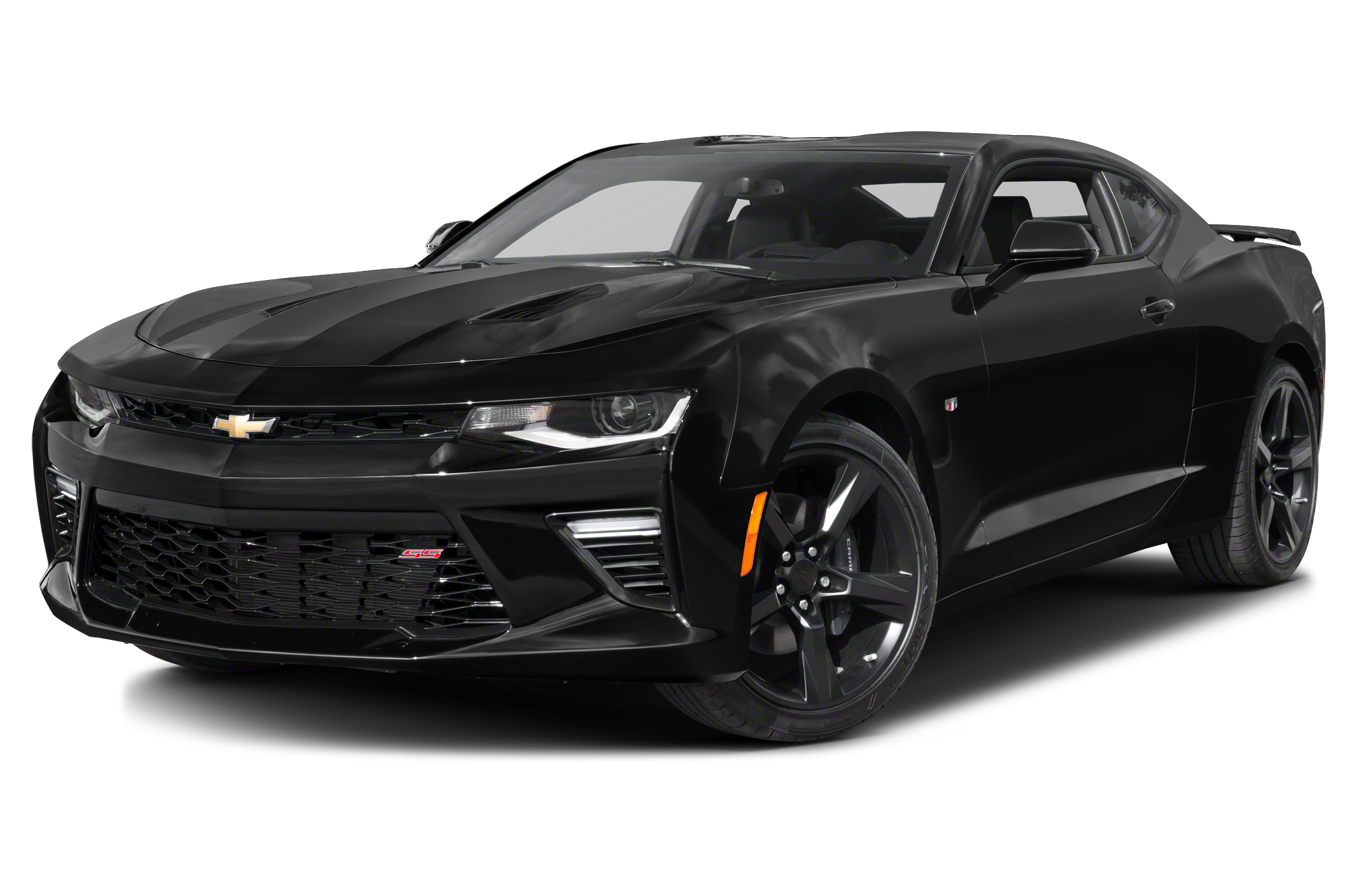
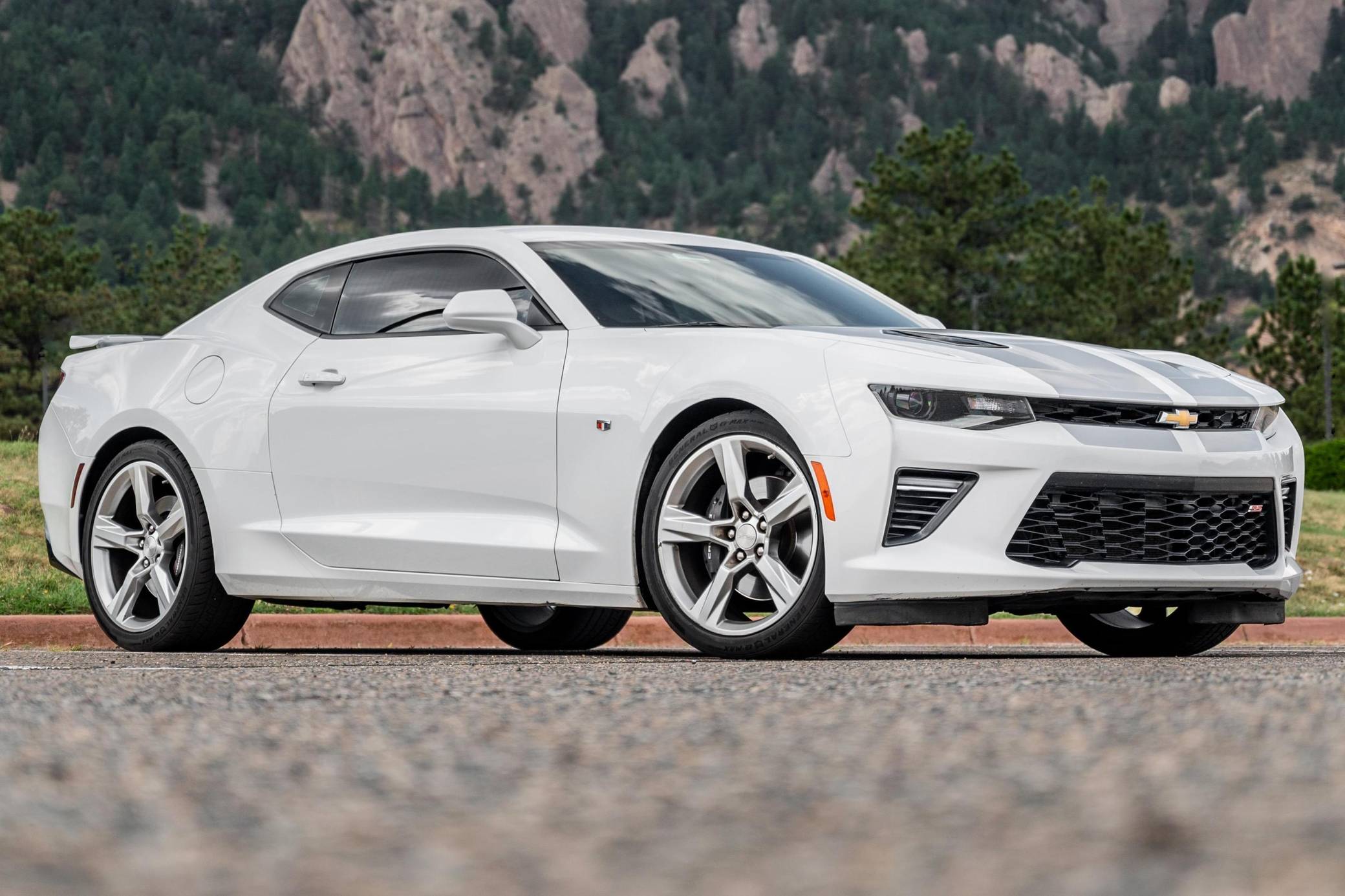
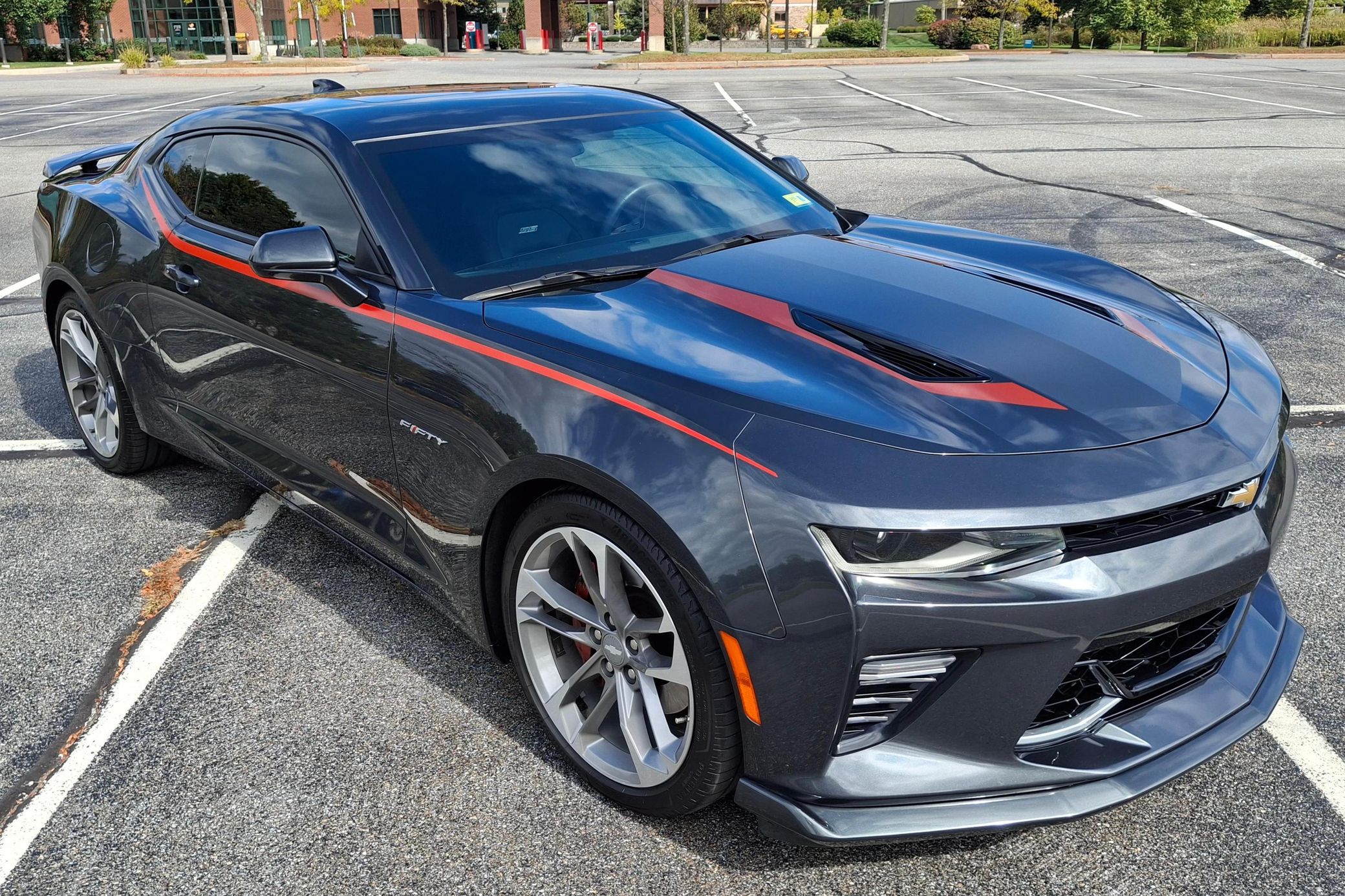
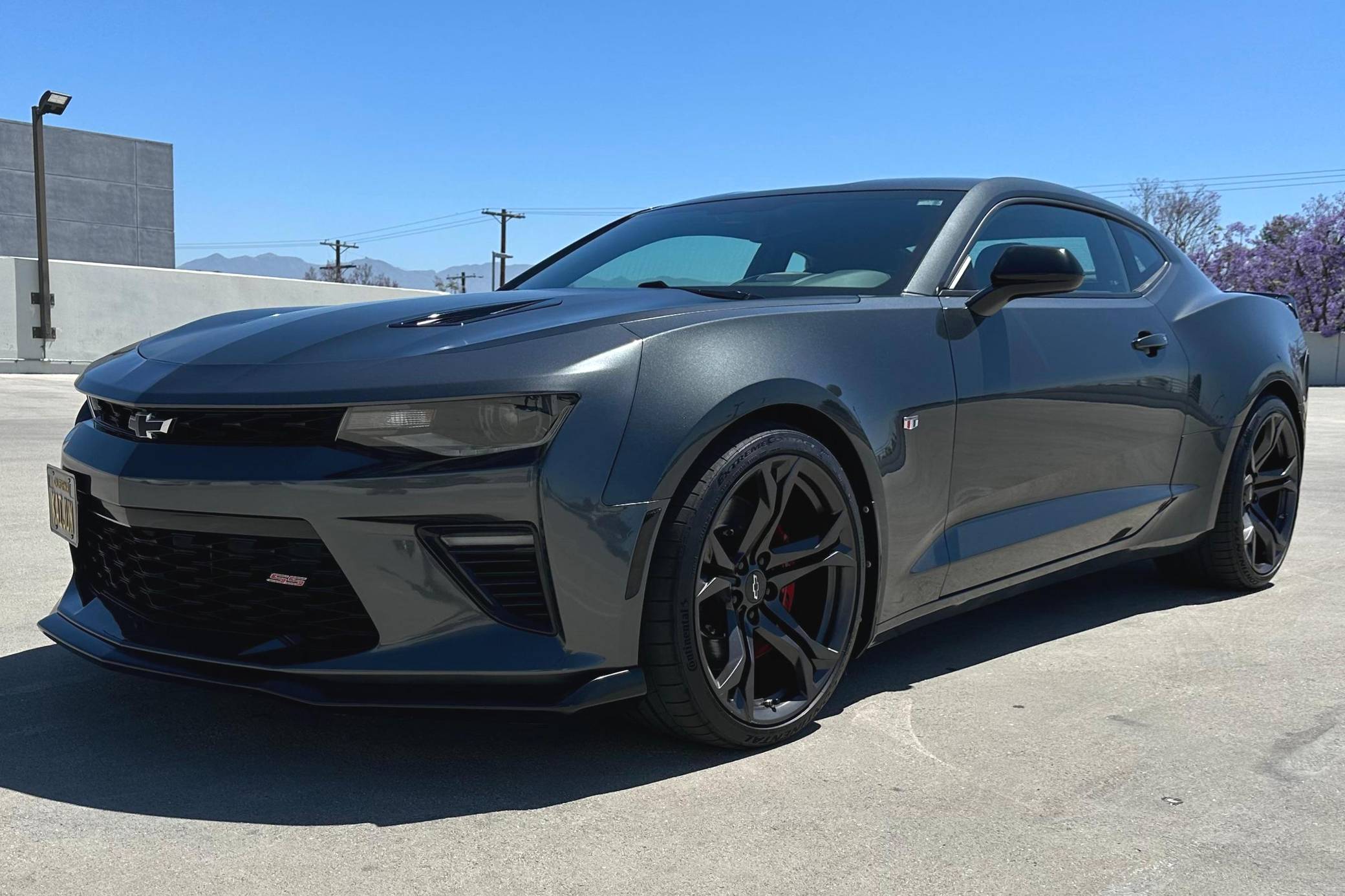
The 2017 Chevrolet Camaro SS generates an factory-rated 455 horsepower at 6,000 RPM and 455 lb-ft of torque at 4,400 RPM. Powered by a naturally aspirated 6.2-liter LT1 Small Block V8 engine, this sixth-generation pony car delivers power to the rear wheels via either a 6-speed manual or an 8-speed automatic transmission.
Engine Architecture: The 6.2-Liter LT1 V8
At the heart of the 2017 Chevrolet Camaro SS is General Motors' 6.2-liter LT1 V8 engine. Part of GM's fifth-generation Small Block engine family, the LT1 introduced advanced internal technologies to maximize volumetric efficiency, thermal dynamics, and overall power density while adhering to modern emission and fuel economy standards.
- 6.2L LT1 V8 ENGINE (455 HP @ 6,000 RPM | 455 LB-FT TORQUE @ 4,400 RPM)
- Direct Injection
- High-pressure fuel delivery
- Higher compression ratio (11.5:1)
- Variable Valve Timing
- Optimized intake/exhaust overlap
- Broader torque band across RPMs
- Active Fuel Management
- Deactivates 4 cylinders under low load
- Enhances highway fuel efficiency
- Direct Injection
Key Technical Specifications
- Displacement: 6,162 cc (376 cubic inches)
- Bore and Stroke: 4.065 in x 3.622 in (103.25 mm x 92 mm)
- Block and Head Material: Cast aluminum
- Valvetrain: Overhead valve (OHV), 2 valves per cylinder, pushrod design
- Compression Ratio: 11.5:1
- Fuel Delivery: Direct high-pressure fuel injection (up to 150 bar / 2,175 psi)
- Maximum Engine Speed (Redline): 6,600 RPM
Advanced Engine Technologies
The LT1 V8 incorporates three core technological pillars that differentiate it from its LS3 predecessor used in the fifth-generation Camaro SS:
- Direct Fuel Injection (DI): By spraying fuel directly into the combustion chamber at extreme pressure, direct injection cools the intake charge. This allowed GM engineers to raise the static compression ratio to 11.5:1 without causing pre-ignition (knock). The result is increased combustion efficiency, higher low-end torque, and superior throttle response.
- Continuously Variable Valve Timing (VVT): Unlike traditional dual-overhead-cam engines with independent camshaft timing, the pushrod LT1 uses a dual-equal cam phaser. This system rotates the single camshaft relative to the crankshaft, adjusting intake and exhaust valve timing simultaneously to flatten the torque curve and optimize power at high RPMs.
- Active Fuel Management (AFM): Also known as Cylinder Deactivation, AFM allows the engine to seamless switch between 8-cylinder and 4-cylinder mode under light throttle load conditions (such as steady highway cruising). While active on all automatic-transmission models, manual-transmission SS models retain the lifters but utilize different tuning parameters.
Transmission Dynamics and Power Delivery
The total power output of 455 hp is managed by two distinct transmission options, each altering the acceleration dynamics and driving engagement of the 2017 Camaro SS.
- 2017 CAMARO SS TRANSMISSIONS
- 6-Speed Manual (TREMEC TR-6060)
- Mechanical short-throw shifter
- Driver-selectable Active Rev Matching
- 3.73:1 Rear Axle Ratio
- 8-Speed Automatic (Hydra-Matic 8L90)
- Paddle-shift controls with quick shifts
- Dynamic Performance Algorithm (PAS)
- 2.77:1 Rear Axle Ratio
- 6-Speed Manual (TREMEC TR-6060)
6-Speed Manual Transmission (TREMEC TR-6060)
Standard on the Camaro SS, the TREMEC TR-6060 6-speed manual features tailored gear ratios designed to exploit the LT1's broad torque curve. It features a dual-mass flywheel and a twin-disc clutch to handle peak torque output without excessive pedal effort.
A key feature of the manual SS is Active Rev Matching. Controlled via steering-wheel-mounted paddles, this system blips the throttle automatically during downshifts, matching engine RPM to wheel speed for smooth, destabilization-free downshifts during aggressive braking maneuvers. Manual-equipped SS models utilize a 3.73:1 rear axle ratio for punchy off-the-line acceleration.
8-Speed Automatic Transmission (Hydra-Matic 8L90)
The optional 8-speed automatic transmission was designed in-house by General Motors. Featuring fast shift times that rival dual-clutch gearboxes during wide-open-throttle acceleration, the 8L90 uses smaller gear steps to keep the engine inside its peak power band (5,000–6,300 RPM) during aggressive driving.
The automatic transmission includes steering-wheel paddle shifters, Custom Launch Control, and a Performance Algorithm Shift (PAS) mode that detects high-G cornering and automatically holds lower gears to prevent mid-corner gear changes. Automatic SS models feature a 2.77:1 rear axle ratio paired with an electronically managed or mechanical limited-slip differential, depending on chassis options.
Real-World Performance & Dyno Testing
While General Motors rates the 2017 Camaro SS at 455 flywheel horsepower according to SAE J1349 standards, chassis dynamometer (dyno) testing provides a clearer picture of real-world power delivered directly to the tire contact patch.
| Horsepower Loss Dynamics | Measurement |
|---|---|
| Engine Crank Output (Factory Rating) | 455 HP / 455 LB-FT |
| Drivetrain Friction & Rotational Mass | ~12% - 15% Loss |
| Rear-Wheel Output (Dynojet Baseline) | 395 - 410 RWHP / 400 - 415 RWTQ |
Rear-Wheel Horsepower (RWHP)
Drivetrain friction, rotational inertia from the flywheel, transmission gears, driveshaft, and rear axle assemblies cause inherent power loss between the engine crankshaft and the rear wheels.
- Dynojet Baseline (Wheel HP): Standard rear-wheel output ranges between 395 RWHP and 410 RWHP.
- Rear-Wheel Torque: Measured output typically reads between 400 RWTQ and 415 lb-ft at the wheels.
- Drivetrain Loss Percentage: The sixth-generation Camaro SS exhibits an efficient 11% to 14% drivetrain loss, underscoring the efficiency of both the TR-6060 manual and 8L90 automatic drivelines.
Factory Acceleration Benchmarks
Equipped with factory Goodyear Eagle F1 Asymmetric 3 run-flat tires and operating under favorable atmospheric conditions, the performance capabilities of the 2017 Camaro SS are recorded as follows:
- 0 to 60 MPH: 4.0 seconds (8-speed automatic) / 4.3 seconds (6-speed manual)
- 1/4-Mile Elapsed Time: 12.3 seconds at 116 mph (automatic) / 12.5 seconds at 115 mph (manual)
- Top Speed: Electronically limited / aerodynamic drag-limited to 165 mph (coupe)
- Lateral Acceleration: 0.97 g to 1.02 g (standard chassis vs. 1LE package)
2017 Camaro SS 1LE Track Performance Package
For the 2017 model year, Chevrolet reintroduced the 1LE Track Performance Package specifically tailored for the V8 SS coupe. While the 1LE package leaves the 455-hp LT1 engine internals unchanged, it transforms how that power is transferred to the pavement, improving lap consistency and thermal management.
| Chassis & Suspension | Cooling & Drivetrain |
|---|---|
| Magnetic Ride Control | Engine oil cooler |
| Stiffer FE4 suspension | Dual outboard radiators |
| Electronic LSD (eLSD) | Transmission & differential coolers |
Key Upgrades Included in the 1LE Package:
- Suspension: Magnetic Ride Control dampers tuned specifically for track use, combined with stiffer springs, thicker anti-roll bars, and stiffer rear cradle bushings (FE4 suspension package).
- Electronically Controlled Limited-Slip Differential (eLSD): Replaces the standard mechanical LSD with an electronic system that continuously varies lockup torque to maximize traction exiting corners.
- Tires and Wheels: Satin black forged aluminum wheels wrapped in track-focused Goodyear Eagle F1 Supercar 3 tires (285/30ZR20 front, 305/30ZR20 rear).
- Braking: 6-piston monobloc front Brembo calipers gripping 14.6-inch (370 mm) two-piece rotors.
- Track Thermal Management: Standard auxiliary engine oil coolers, transmission fluid coolers, and rear differential coolers that allow the engine to sustain full 455-hp output during prolonged track sessions without thermal throttling.
Comparative Analysis: Camaro SS vs. Competitors
In 2017, the muscle car and modern pony car segment featured intense competition among American domestic manufacturers. Below is a comparative breakdown of how the 2017 Camaro SS performed against its primary rivals: the Ford Mustang GT and the Dodge Challenger R/T Scat Pack.
| Feature / Metric | 2017 Chevrolet Camaro SS | 2017 Ford Mustang GT | 2017 Dodge Challenger R/T Scat Pack |
|---|---|---|---|
| Engine Type | 6.2L LT1 Pushrod V8 | 5.0L Coyote DOHC V8 | 6.4L 392 HEMI Pushrod V8 |
| Horsepower | 455 hp @ 6,000 RPM | 435 hp @ 6,500 RPM | 485 hp @ 6,000 RPM |
| Torque | 455 lb-ft @ 4,400 RPM | 400 lb-ft @ 4,250 RPM | 475 lb-ft @ 4,200 RPM |
| Transmission Options | 6-Spd Manual / 8-Spd Auto | 6-Spd Manual / 6-Spd Auto | 6-Spd Manual / 8-Spd Auto |
| Curb Weight (Coupe) | ~3,685 lbs (Manual) | ~3,705 lbs (Manual) | ~4,230 lbs (Automatic) |
| Power-to-Weight Ratio | 8.10 lbs / hp | 8.51 lbs / hp | 8.72 lbs / hp |
| 0-60 MPH Time | 4.0 sec (Auto) | 4.4 sec (Auto) | 4.2 sec (Auto) |
| 1/4-Mile Time | 12.3 sec @ 116 mph | 12.8 sec @ 112 mph | 12.4 sec @ 113 mph |
| Braking (60-0 mph) | ~101 feet | ~107 feet | ~111 feet |
Performance Takeaways
Despite the Dodge Challenger 392 holding a raw power advantage (485 hp vs 455 hp), the Camaro SS benefits significantly from GM's lightweight Alpha Architecture. Weighing over 500 pounds less than the Challenger, the Camaro SS holds a superior power-to-weight ratio, enabling faster acceleration times and superior handling response. Compared to the 2017 Mustang GT, the Camaro LT1 engine delivers significantly higher down-low and mid-range torque.
Tuning Potential and Modifying the LT1 V8
The naturally aspirated 6.2-liter LT1 engine serves as a responsive platform for aftermarket performance modifications. Owners seeking output beyond the stock 455 hp threshold frequently follow established bolt-on and forced-induction upgrade paths.
- STAGE 1: Cold Air Intake + Exhaust + Tune: ~430 - 440 RWHP
- STAGE 2: E85 Flex Fuel + Headers + Camshaft: ~480 - 500 RWHP
- STAGE 3: Centrifugal / PD Supercharger: ~580 - 630 RWHP
Naturally Aspirated Upgrades (Bolt-Ons)
- Cold Air Intake (CAI) and ECU Tuning: Installing a high-flow intake alongside a recalibrated engine management tune typically adds 15 to 20 RWHP, improving throttle sensitivity.
- Long-Tube Headers & High-Flow Exhaust: Replacing standard cast-iron exhaust manifolds with 1.875-inch stainless steel long-tube headers relieves backpressure. Paired with a custom tune, this setup typically yields gains of 25 to 35 RWHP and substantial mid-range torque increases.
- E85 Flex-Fuel Conversion: Because the LT1 utilizes direct injection and high static compression (11.5:1), it responds exceptionally well to high-octane E85 ethanol blend fuels. Adding a Flex Fuel sensor and updating ECU mapping allows the engine to advance ignition timing safely, netting 20 to 30 RWHP on an otherwise stock vehicle.
Forced Induction Limits
Adding a centrifugal (e.g., ProCharger) or positive-displacement (e.g., Magnuson, Edelbrock) supercharger easily pushes the LT1 past 600 crank horsepower. However, mechanics and tuners caution against exceeding specific engine threshold limits without internal upgrades:
- Fuel System Threshold: The factory LT1 high-pressure fuel pump (HPFP) and injectors reach their flow limits around 580 to 600 RWHP. Exceeding this output requires swapping to fuel system components from the forced-induction LT4 engine (found in the Camaro ZL1).
- Piston Ring Gap and Cast Pistons: The stock LT1 uses hypereutectic cast aluminum pistons with relatively tight top ring gaps. Running high boost levels (above 7 to 8 PSI) without custom gapping can lead to ring-butt failure under excessive thermal load.
Long-Term Reliability and Maintenance Considerations
While the LT1 V8 is known for its durability, prospective buyers and current owners should stay mindful of specific mechanical considerations associated with its engineering design.
- Intake Valve Coking
- Caused by Direct Injection
- Preventative: Catch Cans
- Service: Walnut Blasting
- AFM Lifter Wear
- Cylinder deactivation hardware
- Mitigation: AFM Disablers
- Permanent Fix: Cam/Lifter Swap
Direct Injection Intake Valve Coking
Because direct injection sprays fuel directly into the combustion chamber rather than across the back of the intake valves, fuel detergent additives never wash over the valve stems. Over time, crankcase oil vapors routed through the PCV (Positive Crankcase Ventilation) system deposit on the hot intake valves, causing carbon buildup (coking).
- Symptoms: Rough idling, misfires at high RPM, and minor loss of top-end power over 50,000 miles.
- Mitigation: Installing a quality dual-valve oil catch can helps isolate oil vapors. Periodic manual cleaning (walnut shell blasting) of the intake valves restores lost airflow performance.
Active Fuel Management (AFM) Lifter Mechanics
The mechanical lifters responsible for deactivating cylinders in AFM mode utilize specialized internal locking pins. Over long mileage cycles or due to poor oil maintenance habits, these lifters can occasionally collapse or stick, leading to valvetrain ticks or misfires.
- Mitigation: Operating automatic-transmission vehicles in manual paddle-shift mode disables AFM operation electronically. Many performance enthusiasts choose to perform a mechanical "AFM delete" (installing solid non-AFM lifters and a conventional performance camshaft) when upgrading power output.
Thermal & Fluid Care
- Engine Oil: The LT1 requires full-synthetic 5W-30 motor oil meeting GM dexos1 Gen 2 (or Gen 3) standards. For aggressive track use, General Motors explicitly recommends stepping up to a 15W-50 synthetic oil to maintain film strength under sustained oil temperatures exceeding 250°F (121°C), reverting to 5W-30 for street driving.
- Automatic Transmission Fluid: 8L90 transmission owners should ensure the vehicle has received the updated Mobil 1 Synthetic LV ATF HP fluid service bulletin procedure to eliminate torque converter clutch shudder issues common in early production runs.
Frequently Asked Questions
What is the exact horsepower rating of the 2017 Chevrolet Camaro SS?
The 2017 Chevrolet Camaro SS is factory-rated at 455 horsepower at 6,000 RPM and 455 lb-ft of torque at 4,400 RPM from its naturally aspirated 6.2-liter LT1 V8 engine.
Does the 1LE package add extra horsepower to the 2017 Camaro SS?
No. The 1LE Track Performance Package does not change engine tuning or add horsepower to the LT1 V8. The engine output remains 455 hp. Instead, the 1LE package improves track performance through suspension upgrades, an electronic limited-slip differential, wider track tires, 6-piston Brembo brakes, and expanded cooling systems.
What is the 0 to 60 mph time for the 2017 Camaro SS?
Equipped with the standard 8-speed automatic transmission, the 2017 Camaro SS accelerates from 0 to 60 mph in 4.0 seconds. Models equipped with the 6-speed manual transmission complete the run in approximately 4.3 seconds.
How much wheel horsepower (RWHP) does a stock 2017 Camaro SS put down on a dyno?
On a standard chassis dynamometer (such as a Dynojet), a stock 2017 Camaro SS typically measures between 395 RWHP and 410 RWHP, accounting for an efficient 11% to 14% drivetrain loss from the factory 455 crank horsepower rating.
Can you supercharge a 2017 Camaro SS without upgrading the fuel system?
Yes, low-boost supercharger kits (running 6 to 7 PSI) can be installed safely on a stock LT1 fuel system, producing roughly 550 to 580 RWHP. However, pushing output beyond 600 RWHP requires upgrading the high-pressure fuel pump, injectors, and low-pressure feed line to match the fuel delivery demands of the engine.
Final Summary and Next Actions
The 2017 Chevrolet Camaro SS remains a benchmark modern muscle car, leveraging its 455-horsepower 6.2-liter LT1 V8 and lightweight chassis architecture to deliver performance figures that compete directly with much higher-priced sports cars.
Recommendations for Prospective Buyers and Owners:
- For Track Enthusiasts: Prioritize finding an SS equipped with the 1LE package. The upgraded cooling circuits, eLSD, Magnetic Ride Control, and Brembo braking package eliminate the heat soak and brake fade issues common on standard street vehicles during aggressive driving.
- For Daily Drivers: The standard 2SS trim adds key interior comforts such as heated and ventilated leather seats, head-up display, blind-spot monitoring, and Bose premium audio without altering core power output.
- Pre-Purchase Inspection (PPI) Tip: When evaluating a used 2017 Camaro SS, inspect valve cleanliness if the engine is near 50,000 miles, verify that automatic transmissions received updated LV ATF HP fluid, and confirm the valvetrain runs quiet without mechanical AFM lifter noise.