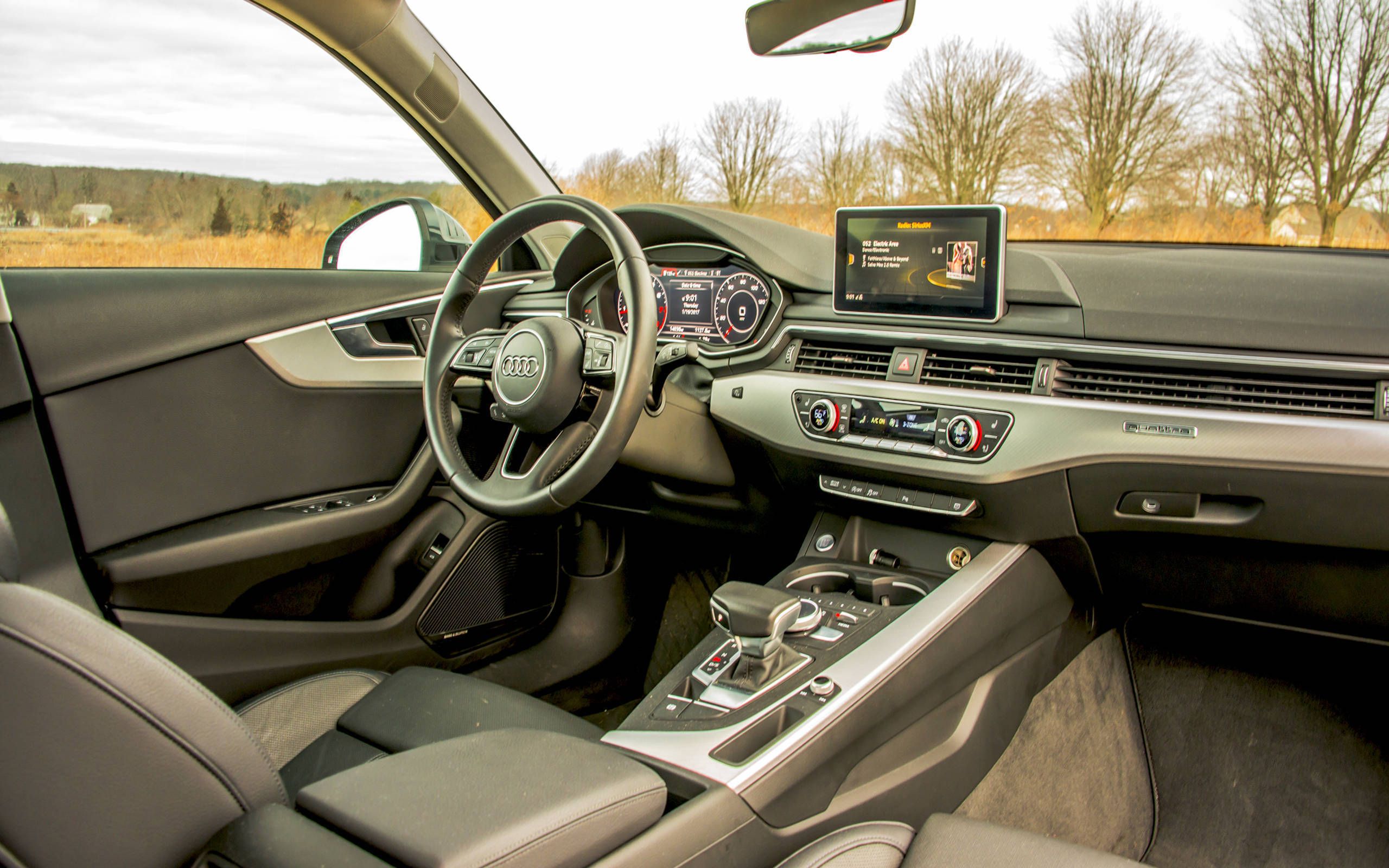
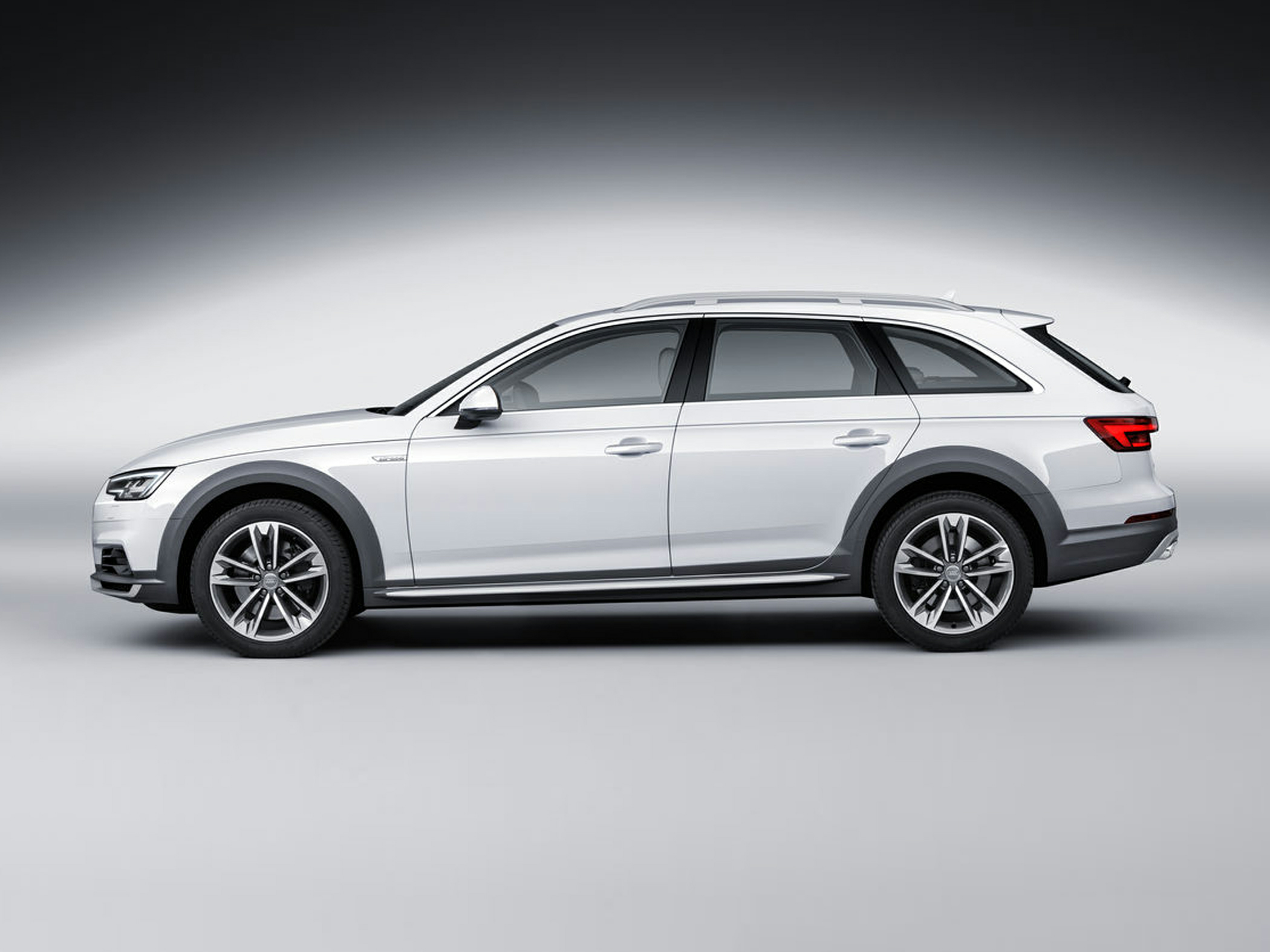
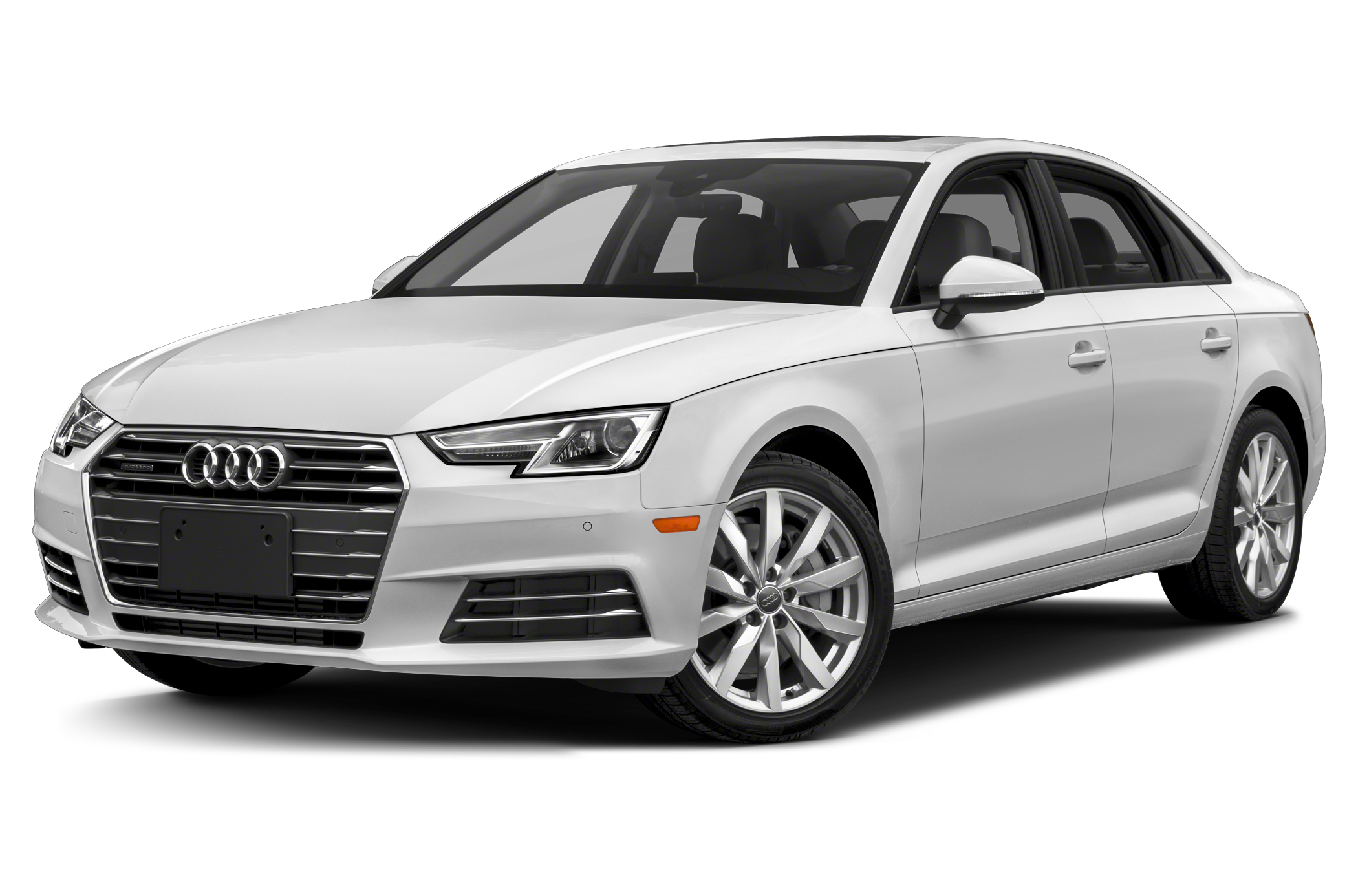
The 2017 Audi A4 achieves an EPA-rated fuel economy ranging from 27 to 31 combined MPG, depending on the specific engine output and drivetrain configuration. The front-wheel-drive "Ultra" variant is the most efficient, delivering up to 37 MPG on the highway, while the higher-output Quattro all-wheel-drive models typically average 27 combined MPG.
The 2017 model year marked the debut of the "B9" generation of the Audi A4 in North America. This generation introduced significant advancements in aerodynamics, weight reduction, and engine thermal management, all of which directly contributed to a notable leap in fuel efficiency compared to its predecessor. In the current landscape of 2026, the 2017 Audi A4 remains a relevant choice for those seeking a balance of luxury and efficiency in the used car market, provided the vehicle has been maintained to preserve its technical specifications.
Understanding the 2017 Audi A4 Powertrains
To accurately discuss the fuel economy of the 2017 Audi A4, one must distinguish between the two primary versions of the 2.0-liter TFSI (Turbocharged Fuel Stratified Injection) engine offered during this production year. Audi utilized two different tuning states and combustion cycles to cater to different consumer priorities: performance and efficiency.
The 2.0L TFSI "Ultra" (190 HP)
The efficiency champion of the lineup is the A4 Ultra. This model utilizes a modified version of the 2.0L engine that employs the "B-cycle" (a variation of the Miller cycle). By shortening the compression stroke and lengthening the expansion stroke, Audi engineers managed to extract more energy from every drop of fuel.
The Ultra engine produces 190 horsepower and 236 lb-ft of torque. Because it was designed specifically for maximum MPG, it was exclusively paired with front-wheel drive (FWD) and the seven-speed S tronic dual-clutch transmission. This configuration allows for an impressive 27 city / 37 highway / 31 combined MPG.
The Standard 2.0L TFSI (252 HP)
For drivers prioritizing performance, the standard 2.0L TFSI engine delivers 252 horsepower and 273 lb-ft of torque. While more powerful, it remains remarkably efficient for its class. This engine was available with either front-wheel drive or the signature Quattro all-wheel-drive system.
- Front-Wheel Drive (Standard Power): This version bridges the gap, offering 25 city / 33 highway / 28 combined MPG.
- Quattro All-Wheel Drive (Automatic): The most popular configuration in northern climates, the Quattro model with the S tronic transmission achieves 24 city / 31 highway / 27 combined MPG.
- Quattro All-Wheel Drive (Manual): Audi briefly offered a six-speed manual transmission for the 2017 A4 Quattro. Interestingly, the manual variant matches the automatic in combined city/highway cycles at 27 MPG, though it slightly edges out the automatic on the highway with an EPA rating of 33 MPG.
Technical Factors Influencing 2017 Audi A4 Efficiency
The 2017 Audi A4 was engineered during an era of intense focus on reducing CO2 emissions and increasing fleet fuel economy. Several technical innovations contributed to its class-leading MPG figures at the time of its release.
Aerodynamic Profiling
The B9 A4 features a drag coefficient (Cd) as low as 0.23 for certain global variants, with the U.S. sedan versions hovering around 0.27. This was achieved through extensive wind-tunnel testing, resulting in a smooth underbody panels, optimized exterior mirrors, and an integrated trunk lid spoiler. At highway speeds, aerodynamic drag is the primary force the engine must overcome; the A4’s "slippery" shape is the reason it can maintain 37 MPG during long-distance cruising.
Lightweight Construction
Audi utilized a multi-material construction strategy for the 2017 A4, incorporating cold-formed and hot-formed high-strength steel alongside aluminum. This "Audi Space Frame" philosophy resulted in the B9 being up to 99 pounds lighter than the outgoing B8 model, despite an increase in dimensions and safety features. Lower mass requires less energy to accelerate, directly benefiting city MPG ratings where frequent "stop-and-go" movement occurs.
The Seven-Speed S tronic Transmission
Unlike traditional torque-converter automatics, the S tronic dual-clutch transmission (DCT) operates with two clutches that allow for lightning-fast gear changes with almost zero interruption in power delivery. More importantly for efficiency, the DCT minimizes parasitic power loss. The 2017 A4 also features a "coasting" function within its Efficiency drive mode, which can decouple the engine from the drivetrain when the driver lifts off the accelerator at certain speeds, allowing the car to glide and conserve momentum.
2017 Audi A4 MPG Specification Table
The following table summarizes the official EPA fuel economy ratings for the various 2017 Audi A4 configurations available in the North American market.
| Configuration | Horsepower | Drivetrain | City MPG | Highway MPG | Combined MPG |
|---|---|---|---|---|---|
| A4 Ultra | 190 hp | FWD | 27 | 37 | 31 |
| A4 Standard | 252 hp | FWD | 25 | 33 | 28 |
| A4 Quattro (S tronic) | 252 hp | AWD | 24 | 31 | 27 |
| A4 Quattro (Manual) | 252 hp | AWD | 24 | 33 | 27 |
Data source: U.S. Department of Energy Fuel Economy Guide.
Real-World MPG vs. EPA Estimates
While EPA ratings provide a standardized benchmark, real-world fuel consumption for a 2017 Audi A4 can vary based on driving habits and environment. In 2026, as these vehicles have aged, certain factors become more pronounced in determining whether a specific A4 still hits its original targets.
The Impact of Fuel Quality
Audi recommends Premium Unleaded (91 octane or higher) for the 2017 A4. While the engine's knock sensors allow it to run on regular 87-octane fuel, doing so will cause the Engine Control Unit (ECU) to retard ignition timing to prevent engine knock. This results in reduced power and, crucially, a decrease in fuel efficiency. To achieve the 31 or 27 combined MPG ratings, the use of high-quality premium fuel is a technical prerequisite.
Driving Modes and "Audi Drive Select"
The 2017 A4 features "Audi Drive Select," which allows the driver to toggle between Comfort, Auto, Dynamic, and Individual modes.
- Efficiency Mode: This mode (often hidden within the "Individual" settings or standard on some trims) optimizes shift points for the S tronic transmission, dulls throttle response, and adjusts climate control loads to maximize MPG.
- Dynamic Mode: Conversely, Dynamic mode holds gears longer and increases idle speeds, which can lead to a 10-15% decrease in fuel economy during spirited driving.
Environmental and Geographic Variables
Winter driving significantly impacts the A4's efficiency. In colder climates, the engine takes longer to reach its optimal operating temperature, and "winter blend" gasoline typically contains less energy per gallon. Furthermore, the Quattro system, while providing excellent traction, involves more moving parts and higher rotational mass, which is why AWD models generally see a 2-4 MPG penalty compared to FWD counterparts in real-world mixed driving.
Maintaining Efficiency in an Aging 2017 Audi A4
By 2026, a 2017 Audi A4 is roughly nine years old. To maintain the original MPG specifications, owners must be diligent about specific maintenance items that directly impact fuel consumption.
1. Carbon Buildup Cleaning
The 2.0L TFSI is a direct-injection engine. Over time, carbon deposits can accumulate on the intake valves because fuel is sprayed directly into the combustion chamber rather than over the valves (which would normally "wash" them). Excessive carbon buildup restricts airflow and disrupts the air-fuel mixture, leading to rough idling and a noticeable drop in MPG. If your A4 is struggling to hit 25 MPG on the highway, a professional carbon cleaning (often called "walnut blasting") may be necessary.
2. Spark Plug and Ignition Coil Service
The 2017 A4 requires spark plug replacement every 40,000 miles or 4 years. Worn spark plugs lead to incomplete combustion. In 2026, many used A4s may be on their third or fourth set of plugs; ensuring these are high-quality OEM-spec components is vital for maintaining the efficiency of the 2.0L turbocharged engine.
3. Tire Pressure and Rolling Resistance
Low tire pressure is one of the most common causes of poor fuel economy. For the 2017 A4, maintaining the door-jamb-specified PSI (usually around 32-35 PSI depending on load) is essential. Furthermore, when replacing tires, choosing "Low Rolling Resistance" (LRR) tires can help preserve the high highway MPG ratings typical of the Ultra trim.
4. Air Filter Maintenance
A clogged engine air filter forces the turbocharger to work harder to pull in air, increasing the load on the engine. This is a simple, low-cost maintenance item that is often overlooked but plays a significant role in long-term fuel economy.
Comparison with 2017 Competitors
When the 2017 Audi A4 was released, it was frequently compared to the BMW 3 Series and the Mercedes-Benz C-Class.
- 2017 BMW 330i: The 330i (with its 2.0L turbo) offered roughly 27 combined MPG, making it a direct match for the A4 Quattro. However, the A4 Ultra’s 31 combined MPG surpassed the standard gasoline BMW offerings of that year.
- 2017 Mercedes-Benz C300: The C300 typically achieved 26-27 combined MPG. While luxurious, the C-Class of this era generally could not match the highway efficiency of the A4 Ultra.
The Audi A4's advantage in 2017 was its ability to offer a very high efficiency floor (the Ultra) without sacrificing the premium interior and tech features that define the segment.
Frequently Asked Questions
Does the 2017 Audi A4 require premium gas?
Yes, Audi recommends 91 octane or higher for the 2017 A4. While the vehicle can run on lower octane fuel in emergencies, it will result in lower fuel economy and reduced engine performance because the engine cannot operate at its peak thermal efficiency.
How many miles can a 2017 Audi A4 go on a full tank?
The 2017 Audi A4 has a fuel tank capacity of approximately 15.3 gallons. For an A4 Ultra achieving 31 MPG combined, the total range is roughly 474 miles. For a Quattro model achieving 27 MPG combined, the range is approximately 413 miles. Highway cruising in an Ultra model can technically push the range over 550 miles.
Why is my 2017 Audi A4 getting worse MPG than the EPA rating?
Common reasons for decreased MPG include driving primarily in "Dynamic" mode, carrying excess weight, using low-octane fuel, or deferred maintenance. Specific to Audi, carbon buildup on the intake valves or a failing thermostat (preventing the engine from reaching operating temperature) are common technical culprits for poor efficiency.
Is the Audi A4 Ultra noticeably slower than the standard model?
The Ultra model produces 190 hp compared to the standard 252 hp. While it is slower in a 0-60 mph sprint (roughly 7.1 seconds vs. 5.7 seconds for the 252 hp FWD version), the Ultra's torque remains high at 236 lb-ft, making it feel perfectly adequate for highway merging and daily commuting while providing superior fuel savings.
Does the 2017 Audi A4 have a fuel-saving start-stop system?
Yes, all 2017 Audi A4 models in the U.S. were equipped with an automatic start-stop system. This system shuts down the engine when the vehicle comes to a complete stop to save fuel that would otherwise be wasted idling. It can be deactivated via a button on the center console if the driver finds it intrusive.
Summary and Recommendations
The 2017 Audi A4 stands out as a high-water mark for internal combustion efficiency in the entry-level luxury sedan segment. Whether you prioritize the 37 MPG highway capability of the Ultra trim or the 27 MPG balanced performance of the Quattro, the vehicle offers a sophisticated engineering package that remains competitive even by 2026 standards.
Next Steps for Owners or Buyers:
- Verify Drivetrain: Before purchasing, check the trunk badge or VIN to confirm if the model is an "Ultra" (FWD, 190hp) or a standard 2.0T (252hp), as this significantly changes the expected MPG.
- Check Service Records: Look for evidence of 40,000 and 80,000-mile services, specifically spark plug changes and DSG (S tronic) fluid flushes, which ensure the transmission continues to operate at peak efficiency.
- Monitor Tires: Ensure the vehicle is equipped with high-quality tires inflated to the correct pressure to avoid a 2-3 MPG penalty.