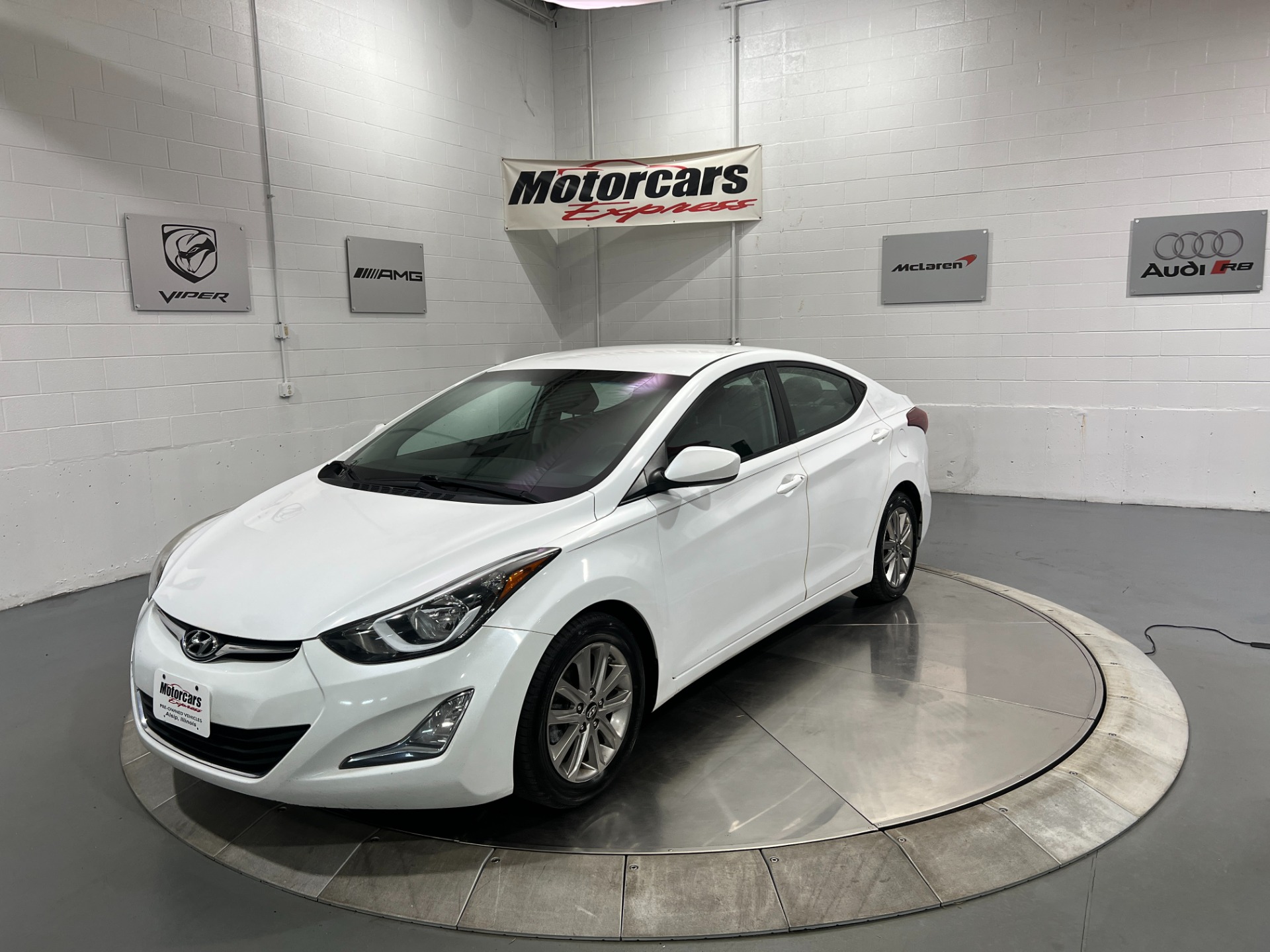
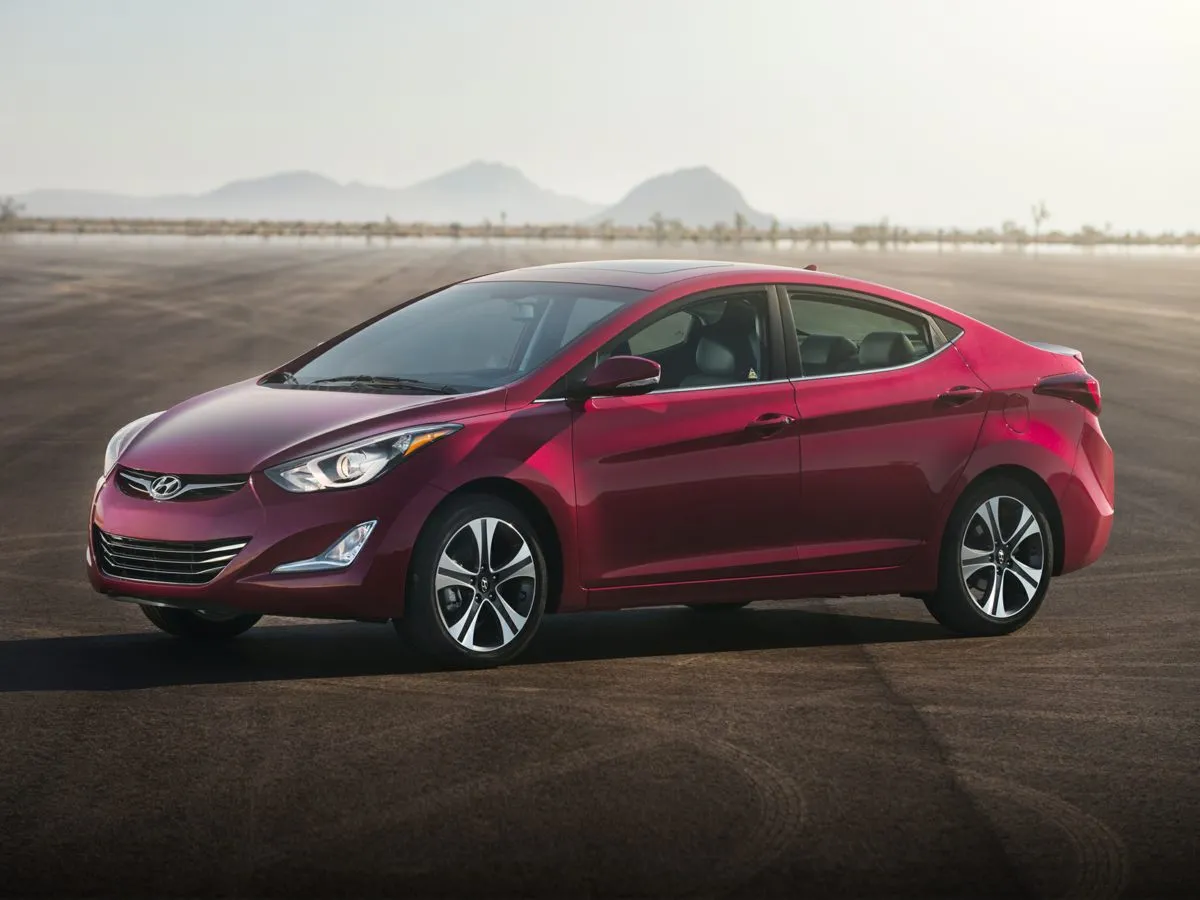
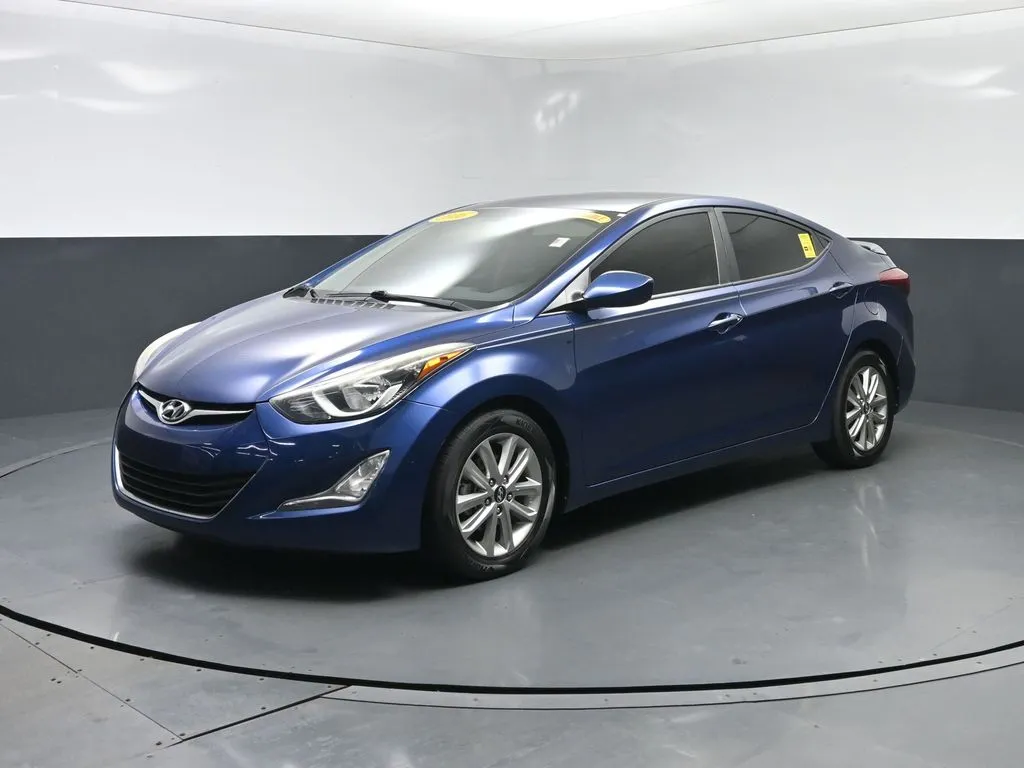
The 2016 Hyundai Elantra SE FWD is a compact sedan powered by a 1.8-liter four-cylinder engine producing 145 horsepower and 130 lb-ft of torque. Now a decade old in 2026, it remains a highly relevant choice for budget-conscious buyers due to its efficient front-wheel-drive layout, straightforward mechanical design, and the "Fluidic Sculpture" styling that has aged remarkably well.
Introduction to the 2016 Elantra SE Trim
The 2016 model year represented the final iteration of the fifth-generation Elantra (internal code MD). As the concluding year of its generation, the 2016 Elantra SE benefited from years of incremental refinements, addressing many of the minor build-quality issues found in the 2011–2013 models. The SE trim served as the entry point into the Elantra lineup, positioned below the Value Edition, Limited, and the more powerful Sport trims.
Despite being the base model, the "SE" designation was not synonymous with "stripped down." Hyundai strategically equipped this vehicle to compete with the Honda Civic and Toyota Corolla by offering a high level of standard features that often required expensive packages in rival vehicles. For the front-wheel-drive (FWD) configuration, the 2016 Elantra SE was designed with a focus on fuel economy and urban maneuverability rather than raw performance.
In 2026, this vehicle is a staple of the secondary market. Its longevity is largely attributed to its relatively simple naturally aspirated engine and the use of a traditional 6-speed automatic or manual transmission, avoiding the complexities and potential failure points of early-generation CVTs or small-displacement turbochargers found in some competitors of that era.
Technical Specifications and Drivetrain
At the heart of the 2016 Hyundai Elantra SE FWD is the 1.8-liter Nu Multi-Port Injection (MPI) four-cylinder engine. Unlike the 2.0-liter Gasoline Direct Injection (GDI) engine found in the Sport trim, the 1.8-liter MPI focuses on long-term reliability and easier maintenance.
Engine and Power Delivery
The 1.8L engine features an aluminum block and head, using a Dual Overhead Cam (DOHC) setup with four valves per cylinder and Dual Continuously Variable Valve Timing (D-CVVT).
- Horsepower: 145 hp @ 6,500 rpm
- Torque: 130 lb-ft @ 4,700 rpm
- Bore and Stroke: 81.0 mm x 87.2 mm
- Compression Ratio: 10.3:1
The front-wheel-drive system utilizes an open differential and was paired with either a 6-speed manual transmission or a 6-speed automatic transmission with Shiftronic manual shift mode. The automatic, which was the more common choice for the SE trim, is known for its smooth shifts and reliability when the transmission fluid is changed according to the severe-service schedule.
Chassis and Suspension
The Elantra SE utilizes a MacPherson strut front suspension with coil springs and a stabilizer bar. The rear features a lightweight coupled torsion beam axle. This setup was designed to maximize trunk space and reduce manufacturing costs, resulting in a ride that is comfortable on smooth highways but can feel somewhat "busy" or unsettled over sharp mid-corner bumps—a common characteristic noted by owners over the last decade.
The steering system is an Electric Power Steering (EPS) unit. In 2016, Hyundai’s Driver Selectable Steering Mode (DSSM) was available on some SE packages, allowing the driver to adjust the steering weight between Comfort, Normal, and Sport modes. While this didn't change the actual steering ratio, it provided a more customized feel for different driving environments.
Fuel Efficiency and Real-World Economy
One of the primary selling points of the 2016 Elantra SE FWD is its efficiency. According to the U.S. Department of Energy’s FuelEconomy.gov, the 2016 Elantra with the 1.8L engine and automatic transmission carries an EPA rating of:
- City: 28 MPG
- Highway: 38 MPG
- Combined: 32 MPG
In 2026, as fuel costs and environmental considerations remain paramount, these figures keep the Elantra competitive against much newer vehicles. However, real-world mileage for a 10-year-old vehicle can fluctuate based on maintenance history. Clogged fuel injectors or worn oxygen sensors can degrade these numbers, so buyers in the current market should look for evidence of routine tune-ups to ensure they are achieving near-factory efficiency.
Interior Features and Daily Usability
The interior of the 2016 Elantra SE is characterized by its ergonomic layout and "wrap-around" dashboard design. The use of plastics is extensive, but the fit and finish were considered above average for its class in 2016.
Cabin Space and Comfort
The Elantra was famously classified by the EPA as a "Midsize" car based on its total interior volume, despite its compact exterior dimensions. It offers 95.6 cubic feet of passenger volume and a generous 14.8 cubic feet of trunk space. The 60/40 split-folding rear seats allow for the transport of longer items, which enhances its utility for small families or students.
Standard features on the SE trim included:
- Premium cloth upholstery
- Air conditioning
- Full power accessories (windows, locks, and mirrors)
- Cruise control
- Six-speaker audio system with CD player, SiriusXM, and USB/iPod inputs
The Popular Equipment Package
Many 2016 Elantra SE models found on the market today were equipped with the "Popular Equipment Package." This was a high-value add-on that significantly improved the interior experience. It added a 4.3-inch color touchscreen audio display, a rearview camera, Bluetooth hands-free phone integration, steering-wheel-mounted audio controls, and automatic headlamps. For a vehicle produced a decade ago, these features remain the baseline requirements for most modern drivers.
Safety Ratings and Equipment
Safety is a critical factor for used car buyers. The 2016 Hyundai Elantra SE came standard with a comprehensive suite of safety tech for its era, including six airbags (front, front side-impact, and side-curtain), Electronic Stability Control (ESC), Traction Control, and Anti-lock Braking System (ABS) with Electronic Brake-force Distribution (EBD).
The National Highway Traffic Safety Administration (NHTSA) awarded the 2016 Elantra a 5-star overall safety rating. The Insurance Institute for Highway Safety (IIHS) also gave it "Good" ratings in most categories, though it struggled slightly in the then-new Small Overlap Front crash test, which was a common challenge for many compact cars designed before 2013.
| Feature | Specification |
|---|---|
| Engine Type | 1.8L 4-Cylinder MPI |
| Drive Type | Front-Wheel Drive (FWD) |
| Horsepower | 145 hp @ 6,500 RPM |
| Torque | 130 lb-ft @ 4,700 RPM |
| Transmission | 6-Speed Automatic or Manual |
| Curb Weight | ~2,818 lbs (Automatic) |
| Wheelbase | 106.3 inches |
| Fuel Tank Capacity | 12.8 gallons |
| EPA Combined MPG | 32 MPG |
| Braking | 4-Wheel Disc Brakes |
Long-Term Reliability and 2026 Market Status
Looking at the 2016 Elantra SE from the perspective of 2026, we have a decade of data regarding its reliability. While generally robust, there are specific areas that prospective owners should monitor.
The 1.8L "Nu" Engine Performance
The 1.8L engine in this generation was subject to some reports of "piston slap" or engine ticking, particularly in colder climates. This was often caused by scuffing on the cylinder walls. While many engines reached 150,000+ miles without issue, it is vital to listen for any unusual knocking sounds during a cold start. Consistent oil changes using high-quality synthetic oil are the best defense against this wear.
Steering Coupler Issues
A common mechanical failure across several Hyundai and Kia models of this era is the flexible steering column coupler. This small rubber part inside the steering column can wear out, leading to a "clunking" or clicking noise when turning the steering wheel. Fortunately, this is a relatively inexpensive part to replace, though the labor can be intensive.
Paint and Exterior Durability
Certain colors from the 2016 model year, specifically white and some metallic shades, have shown tendencies to peel or fade if not regularly waxed and protected from UV exposure. When inspecting a vehicle today, check the roof and hood areas for clear coat failure.
2026 Buying Guide: What to Look For
If you are evaluating a 2016 Hyundai Elantra SE FWD in the current market, your focus should be on maintenance documentation rather than just low mileage. A well-maintained unit with 120,000 miles is often a better purchase than a neglected one with 80,000 miles.
- Transmission Service: Check if the 6-speed automatic transmission fluid has been changed. Even though it was often marketed as "lifetime" fluid, technicians recommend changes every 60,000 miles for long-term durability.
- Suspension Wear: At ten years old, the struts and shocks are likely nearing the end of their service life. During a test drive, feel for excessive bouncing or "diving" during braking.
- Electrical Health: Ensure the infotainment screen (if equipped with the 4.3-inch unit) is responsive and that the rearview camera provides a clear image.
- Brake Condition: The Elantra SE uses four-wheel disc brakes, which provide excellent stopping power. Ensure the rotors are not warped, which manifests as a vibration in the pedal during high-speed braking.
Comparison: SE vs. Other 2016 Trims
While the SE is the focus, it helps to understand what it lacks compared to higher trims to determine its value.
- Value Edition: Added a sunroof, heated front seats, and 16-inch alloy wheels. This was often considered the "sweet spot" for features.
- Limited: Included leather seating, a power driver’s seat, dual-zone climate control, and projector headlights with LED accents.
- Sport: Swapped the 1.8L engine for a 2.0L GDI engine (173 hp) and featured a sport-tuned suspension. While faster, it is generally less fuel-efficient than the SE.
The SE FWD remains the most "honest" version of the Elantra—a simple commuter car that prioritizes low operating costs over luxury or speed.
Frequently Asked Questions
Does the 2016 Elantra SE 1.8L engine have a timing belt or a timing chain?
The 1.8-liter Nu engine in the 2016 Elantra uses a timing chain. Unlike timing belts, which require replacement every 60,000 to 100,000 miles, a timing chain is designed to last the life of the engine. However, this is dependent on regular oil changes, as the chain tensioner relies on hydraulic pressure from the engine oil.
Can I install Apple CarPlay or Android Auto in a 2016 Elantra SE?
The 2016 Elantra did not come from the factory with Apple CarPlay or Android Auto. However, because the dashboard uses a standard Double-DIN radio footprint, it is relatively easy and inexpensive to install an aftermarket head unit that supports these modern smartphone integrations.
What is the average lifespan of a 2016 Hyundai Elantra?
With proper maintenance, many 2016 Elantras are reaching the 200,000-mile mark in 2026. The key to this longevity is addressing cooling system maintenance (hoses and coolant flushes) and ensuring the engine never overheats, which can lead to head gasket failure in aluminum-block engines.
Is the 2016 Elantra SE FWD good in the snow?
As a front-wheel-drive vehicle with a relatively light front end, the Elantra performs adequately in light snow. However, for significant winter weather, it is highly recommended to fit the car with dedicated winter tires. The standard 15-inch or 16-inch wheel sizes make finding affordable winter tires very easy.
What type of oil does the 2016 Elantra SE require?
The 1.8L engine typically requires 5W-20 or 5W-30 weight oil. Synthetic oil is strongly recommended to protect the internal components and the variable valve timing system, especially as the vehicle exceeds 100,000 miles.
Final Recommendation
The 2016 Hyundai Elantra SE FWD stands as a testament to practical automotive engineering. In 2026, it represents one of the most logical choices for drivers who need a reliable, fuel-efficient vehicle without the high price tag of newer hybrids or electric vehicles. While it lacks the cutting-edge autonomous driving tech of the mid-2020s, its fundamental safety, decent fuel economy, and massive trunk make it an ideal "first car" or reliable secondary commuter.
Before purchasing, prioritize a professional mechanical inspection with a specific focus on the engine's top-end health and the condition of the steering coupler. If these components are sound, the 2016 Elantra SE is likely to provide several more years of low-cost service.