The 2008 economic crisis, often referred to as the Great Recession, fundamentally reshaped global financial systems, household wealth, and regulatory frameworks. Triggered by the collapse of the United States housing bubble and the subsequent failure of major financial institutions, the crisis resulted in widespread unemployment, severe stock market volatility, and a multi-year period of stagnant economic growth that continues to inform modern fiscal policy and risk management in 2026.
The Anatomy of the 2008 Financial Collapse
To understand the effects of the 2008 economic crisis, one must first identify the structural failures that precipitated it. At its core, the crisis was a manifestation of systemic risk within the subprime mortgage market. Financial institutions had increasingly bundled high-risk, subprime home loans into complex financial products known as Mortgage-Backed Securities (MBS) and Collateralized Debt Obligations (CDOs).
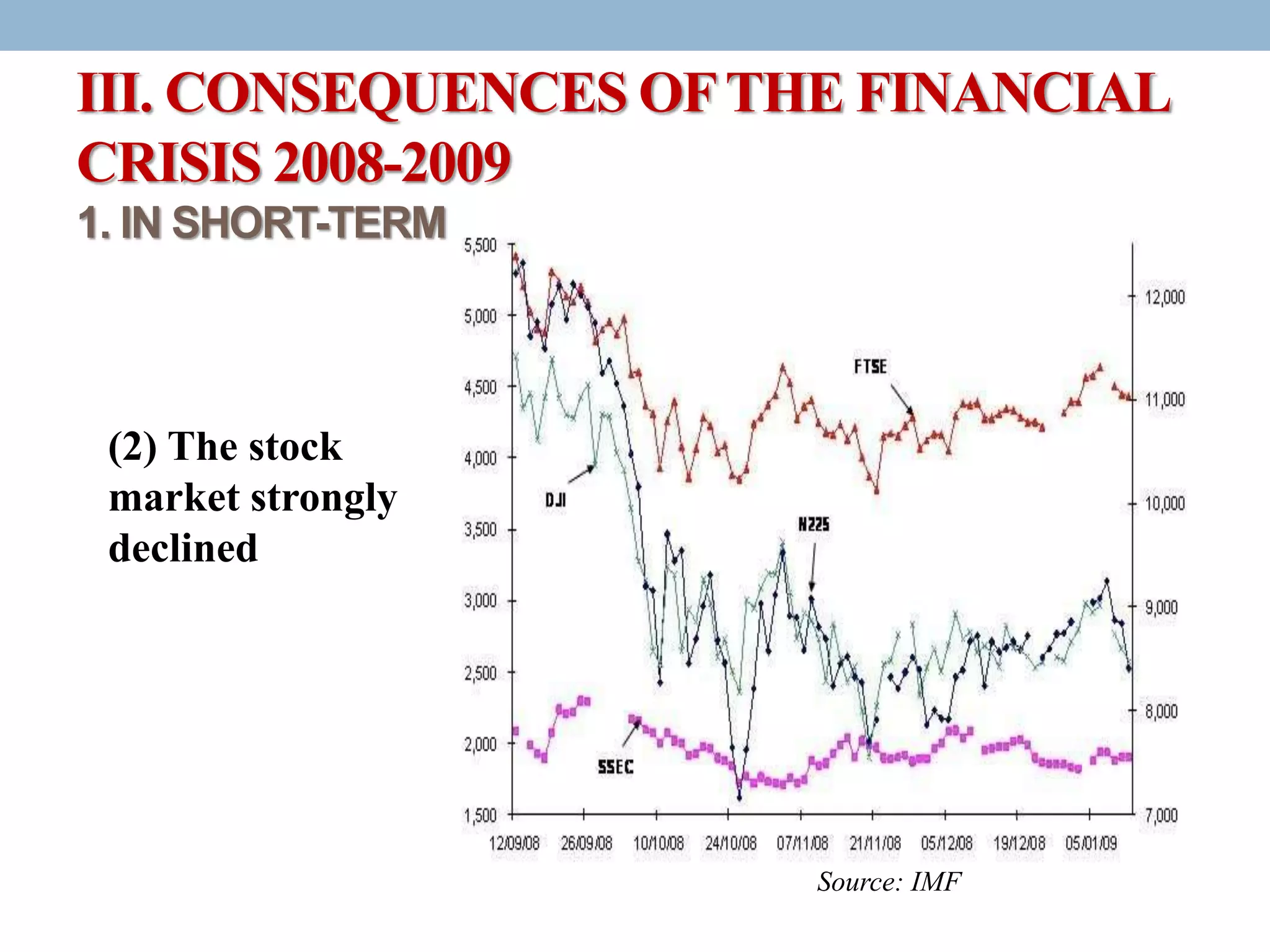
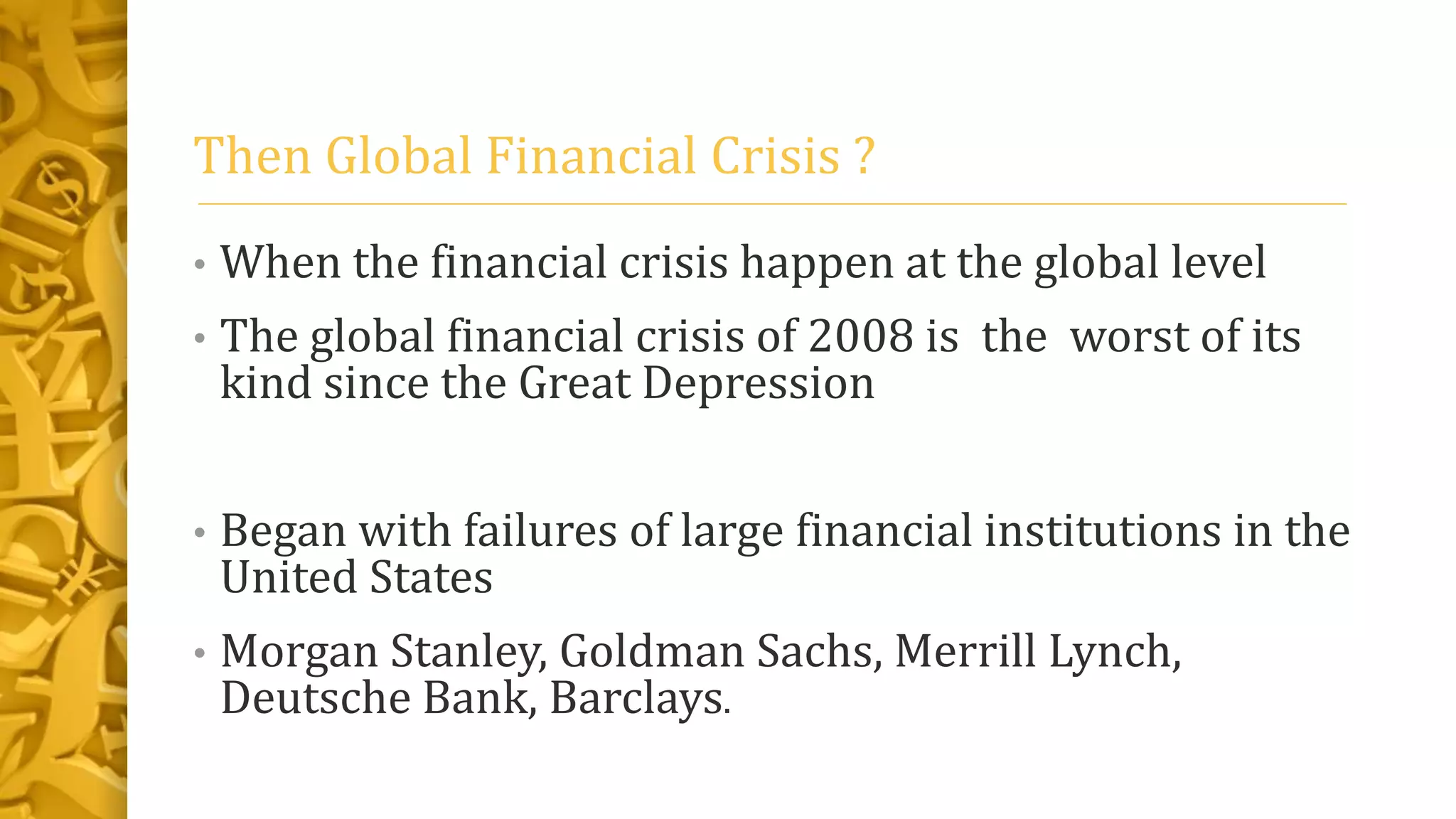
When home prices peaked in 2006 and subsequently began to decline, borrowers with adjustable-rate mortgages found themselves unable to refinance or keep up with payments. The value of these mortgage-backed assets plummeted, infecting the balance sheets of global banks. The collapse of Lehman Brothers in September 2008 served as the catalyst that transformed a localized housing downturn into a systemic global liquidity crisis. Banks ceased lending to one another, trust evaporated, and credit markets—the lifeblood of the global economy—froze, leading to a catastrophic contraction in economic activity.
Immediate Impacts on Global Employment and Income
The most visceral effect of the 2008 crisis was the massive displacement of the labor force. In the United States alone, the unemployment rate reached a peak of 10% in October 2009. The shock was not merely confined to the financial sector; it radiated into construction, manufacturing, and retail.
For millions of workers, the crisis caused long-term "scarring." Research into the post-2008 job market shows that those who entered the workforce during or immediately after the recession experienced significantly lower lifetime earnings compared to those who started their careers in more stable economic periods. The crisis forced a shift toward part-time employment and "gig" work, as many full-time positions were permanently eliminated during the restructuring phase that followed the initial market crash.
Real Estate Market Destabilization
The housing market was the primary casualty of the crisis. Between 2006 and 2009, national home prices fell by approximately 30%, according to the S&P/Case-Shiller Home Price Index. This resulted in "underwater" mortgages, where the outstanding balance of the loan exceeded the current market value of the property.
The ripple effects were profound:
- Loss of Home Equity: For the vast majority of middle-class families, the home is the primary store of household wealth. The evaporation of equity effectively wiped out years of savings.
- Foreclosure Crisis: Millions of households faced eviction and foreclosure, leading to a decade-long decline in homeownership rates that only began to stabilize significantly in the mid-2020s.
- Credit Contraction: Banks adopted draconian underwriting standards in the wake of the crisis, making it nearly impossible for first-time homebuyers to secure financing, which inadvertently fueled the growth of the corporate-owned rental market.
Regulatory Transformation and Banking Reform
In response to the systemic failures, governments enacted sweeping regulatory changes designed to prevent a recurrence. The most significant of these was the Dodd-Frank Wall Street Reform and Consumer Protection Act of 2010. This legislation introduced:
- The Volcker Rule: Restricted commercial banks from engaging in proprietary trading or owning hedge funds, effectively separating speculative banking from traditional consumer deposit banking.
- Capital Requirements: Increased the amount of liquid assets banks must hold on their balance sheets to ensure they can withstand future economic shocks.
- Consumer Protection: Established the Consumer Financial Protection Bureau (CFPB) to oversee mortgage lending and credit cards, aiming to prevent the predatory practices that led to the subprime bubble.
While these measures have arguably made the financial system more resilient, critics argue that they also increased compliance costs, which led to the consolidation of small community banks into larger "too big to fail" institutions.
Comparison of Economic Indicators: Pre-Crisis vs. Post-Crisis
| Metric | Pre-Crisis (2007) | Post-Crisis (2010) | Long-term Trend (2026) |
|---|---|---|---|
| GDP Growth | ~2.0% | ~2.5% (Recovery) | Moderate/Stagnant |
| Unemployment Rate | ~4.6% | ~9.6% | ~3.8-4.2% |
| Fed Funds Rate | 5.25% | 0.00% - 0.25% | Variable (Inflation-linked) |
| Homeownership Rate | ~69% | ~66% | ~65% |
Note: Data reflects general US national averages based on historical Bureau of Labor Statistics and Federal Reserve records.
The Psychological Shift in Financial Behavior
The 2008 crisis fundamentally altered the risk appetite of an entire generation. Known as the "Great Recession effect," individuals who experienced the financial trauma of the late 2000s have demonstrated a heightened aversion to debt and a preference for cash-equivalent assets over volatile investments.
This behavioral change is reflected in the current 2026 economic landscape. Younger investors, having witnessed their parents lose homes and retirements, are increasingly skeptical of traditional banking products and have pivoted toward self-directed wealth management and decentralized financial tools. This shift has forced traditional financial institutions to rethink their engagement strategies, focusing more on transparency and personalized financial health metrics rather than the aggressive product-pushing that characterized the pre-2008 era.
Unresolved Issues and Modern Vulnerabilities
As of 2026, many of the structural problems that underpinned the 2008 crisis remain relevant, albeit in different forms. While the banking sector is undoubtedly better capitalized today, risk has migrated to the "shadow banking" sector—non-bank financial intermediaries that operate with less oversight than traditional institutions.
Furthermore, the excessive reliance on ultra-low interest rates—a policy tool used for years following the 2008 crisis to stimulate the economy—created a "search for yield" environment. This environment incentivized excessive corporate borrowing and inflated asset prices, creating a new set of risks related to debt serviceability should interest rates remain elevated for long periods. Investors today must navigate a landscape where corporate debt levels are at record highs, necessitating a disciplined approach to asset allocation and risk mitigation.
Frequently Asked Questions
1. Was the 2008 economic crisis the worst in history? While the 2008 crisis was the most significant financial collapse since the Great Depression of the 1930s, it differed in scope and duration. The 2008 crisis was primarily a financial sector failure, whereas the Great Depression involved a collapse of the entire industrial output and global trade. However, the 2008 crisis remains the benchmark for modern systemic risk.
2. How did the government stop the 2008 economic crisis? The government intervened through the Troubled Asset Relief Program (TARP), which injected capital into failing financial institutions to prevent total system collapse. Simultaneously, the Federal Reserve implemented Quantitative Easing (QE), purchasing massive quantities of bonds to lower long-term interest rates and inject liquidity into the economy.
3. Is it easier to get a mortgage in 2026 than it was in 2008? Generally, no. Since the enactment of post-2008 regulations like the Ability-to-Repay rule, mortgage underwriting standards are significantly more rigorous. Borrowers must prove income and creditworthiness to a degree that was not required during the subprime boom.
4. Why did home prices fall so dramatically during the crisis? Prices fell due to a "fire sale" effect. When subprime mortgages defaulted in mass, banks were forced to auction off homes to recoup losses. This massive increase in supply, coupled with a lack of qualified buyers due to frozen credit markets, caused a downward spiral in property values.
5. Are modern banks safer now than they were in 2008? Yes. Through the Basel III international regulatory framework and domestic laws like Dodd-Frank, banks are required to hold higher levels of high-quality capital. This acts as a buffer against losses, significantly reducing the probability of insolvency during a market downturn.
Recommendation for Financial Planning
To protect your personal wealth against future volatility, prioritize building a robust liquidity buffer. The primary lesson from 2008 is that in times of crisis, "cash is king." Maintain an emergency fund equivalent to 6–12 months of living expenses in a high-yield savings account or short-term treasury instruments. Additionally, ensure your debt-to-income ratio remains low; high leverage leaves households vulnerable when credit markets contract. By focusing on maintaining a diversified portfolio and avoiding the temptation to over-leverage, you can better navigate the economic cycles that continue to follow the patterns established in 2008.