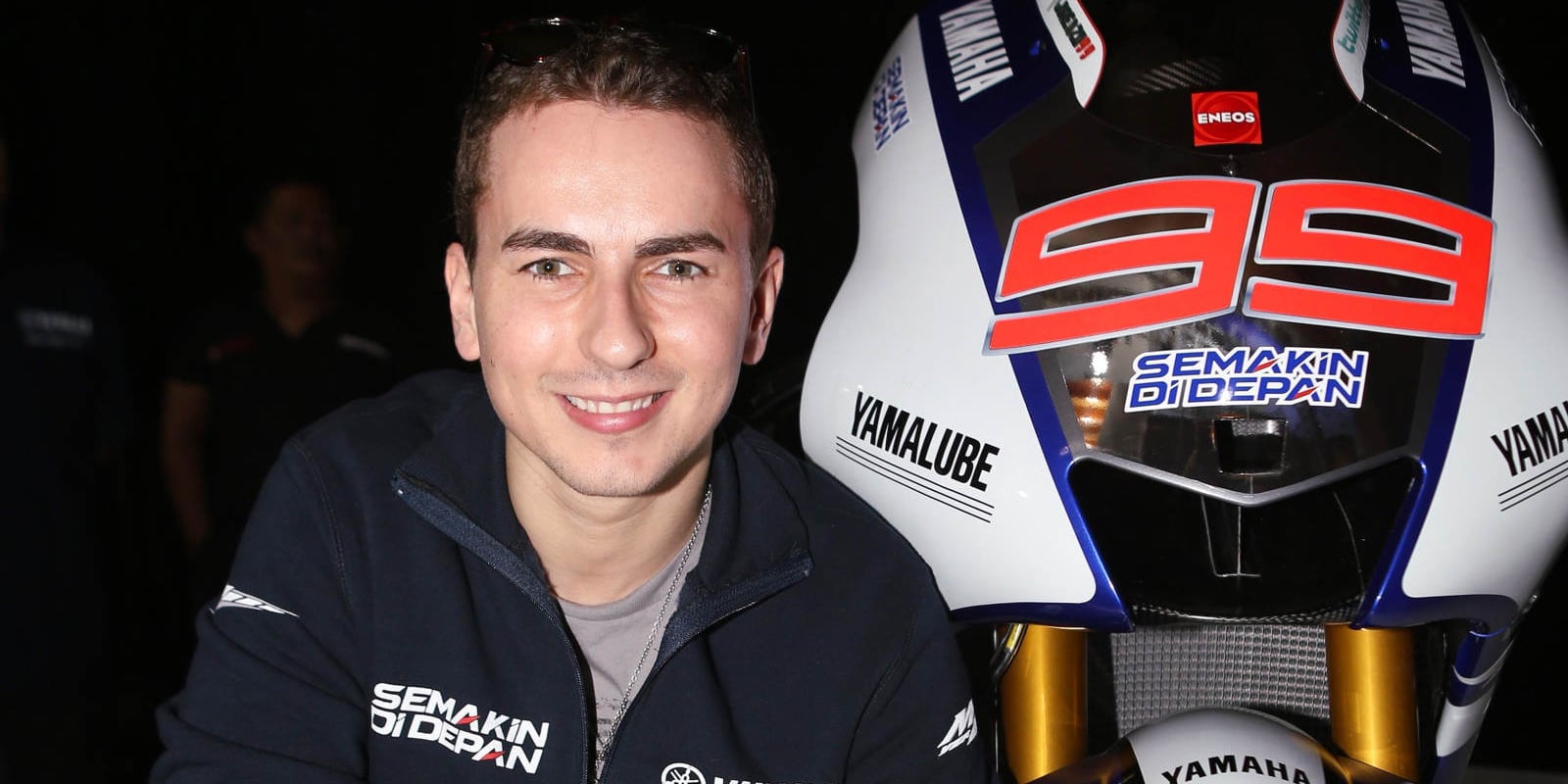
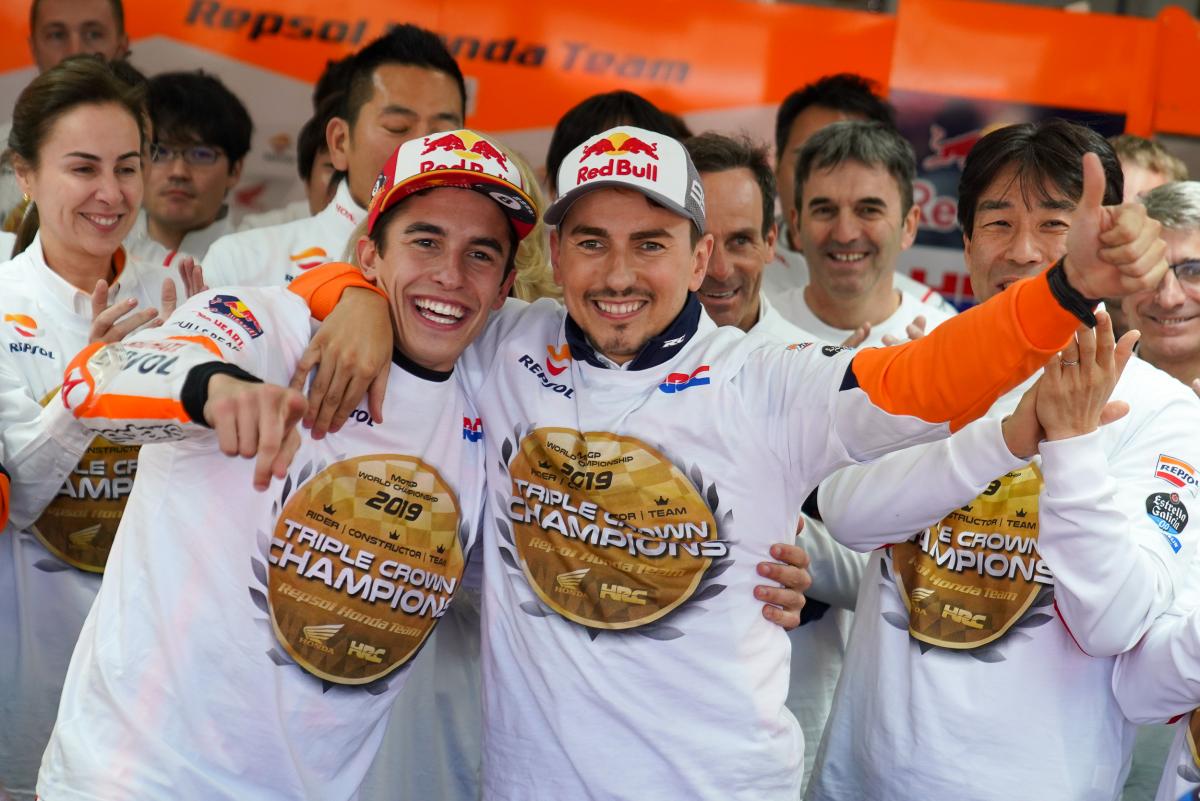
Jorge Lorenzo's estimated net worth in 2019 hovered around $20 million, a figure built upon a decade of elite Grand Prix motorcycle racing salaries, lucrative factory team contracts, and global endorsement deals. This valuation reflects his status as a multi-time MotoGP World Champion, capturing the peak of his career earnings following high-profile moves within the premier class of motorcycle road racing.
The Economics of MotoGP: Understanding Jorge Lorenzo’s Earning Power
Motorsport is a high-stakes industry where physical risk directly correlates with financial compensation. To understand how Jorge Lorenzo accumulated an estimated $20 million net worth by 2019, one must examine the macro-economics of the Fédération Internationale de Motocyclisme (FIM) MotoGP World Championship. Unlike Formula 1, where constructors' championships dictate substantial television revenue shares, MotoGP rider compensation relies heavily on direct factory contracts, race bonuses, personal merchandise sales, and private sponsorships.
During his tenure in the premier class, Lorenzo positioned himself as one of the "Fab Four"—a colloquial term used to describe the elite tier of riders (alongside Valentino Rossi, Marc Márquez, and Dani Pedrosa) who commanded the vast majority of the sport's salary cap. Factory teams from Yamaha and Ducati invested heavily in Lorenzo not only for his riding precision and race-craft but also for his commercial marketability across Europe and Latin America.
Factory Team Salaries and Contract Structures
The primary driver of Lorenzo’s net worth expansion leading into 2019 was his multi-million-dollar employment agreements. When Lorenzo raced for the Yamaha Factory Racing team, his base salary regularly reached between $6 million and $8 million annually, supplemented by performance bonuses for podium finishes, pole positions, and world championships.
His transition to Ducati Team for the 2018 and 2019 seasons marked a significant financial peak. Ducati Corse reportedly secured Lorenzo’s services with a two-year contract worth an estimated $12 million to $14 million per year, making him one of the highest-paid athletes in motorcycle racing history at that time. Even after adjusting for Italian tax obligations and managerial commissions, these high-value agreements rapidly accelerated his career earnings.
Career Timeline and Financial Milestones
Jorge Lorenzo’s journey to a $20 million valuation unfolded across multiple distinct eras, each characterized by different earning capacities and professional milestones.
- 2002–2004: 125cc Era
- 2005–2007: 250cc Era (Back-to-Back World Titles)
- 2008–2016: Yamaha Factory Era (Multiple MotoGP Championships)
- 2017–2018: Ducati Corse Era (Multi-Million Factory Deal)
- 2019: Repsol Honda Team & Retirement Announcement ($20M Net Worth Milestone)
The 125cc and 250cc Developing Years (2002–2007)
Lorenzo entered the World Championship paddock in 2002 on his 15th birthday. Early contracts in the 125cc class and subsequent promotion to the 250cc class with Aprilia provided modest earnings compared to premier class standards. However, securing back-to-back 250cc World Championships in 2006 and 2007 elevated his market value, allowing his management team to negotiate a lucrative direct-to-factory entry into MotoGP with Yamaha for the 2008 season.
The Yamaha Glory Years (2008–2016)
Signing with Yamaha as Valentino Rossi’s teammate immediately placed Lorenzo on a premier salary tier. Over eight seasons with Yamaha, Lorenzo secured three MotoGP World Championships (2010, 2012, and 2015). These championship campaigns triggered substantial contract bonuses and solidified his status as a premier global motorsport asset, laying the foundational capital for his real estate investments and financial portfolio.
The Ducati and Honda Final Chapters (2017–2019)
The high watermark of Lorenzo’s active racing income occurred during his 2018 campaign with Ducati, followed by a transition to the Repsol Honda Team for the 2019 season. Although his single season with Honda was marred by severe injuries—ultimately leading to his retirement announcement at the conclusion of the 2019 Valencia Grand Prix—his prior earnings from Ducati and Honda ensured that his net worth remained firmly entrenched in the $20 million bracket.
Income Streams Beyond Base Salaries
While factory riding contracts formed the bedrock of Jorge Lorenzo’s financial standing in 2019, diversified income streams ensured stability and growth outside of race weekend purses.
Personal Endorsements and Brand Partnerships
Top-tier motorcycle racers attract substantial non-endemic and endemic brand sponsorships. Throughout his career, Lorenzo maintained high-profile partnerships with companies such as:
- Monster Energy: Providing a prominent personal branding platform on his helmet and leathers.
- Sector No Limits: Long-term watch and lifestyle accessory endorsement deals.
- Alpinestars and HJC: Technical equipment contracts providing safety gear alongside financial compensation.
- Tissot: Official timing and watch partnerships.
Merchandise and Commercial Rights
Like many elite athletes, Lorenzo monetized his personal brand—featuring his iconic "99" racing number and "Por Fuera" overtaking style—through global merchandise sales. Caps, t-shirts, hoodies, and replica helmets generated steady secondary streams of revenue, managed through specialized sports marketing agencies.
Financial Management, Investments, and Assets
Accumulating wealth is only the first phase; preserving and diversifying capital defines long-term financial health. By 2019, Lorenzo had deployed his racing earnings into several tangible asset classes.
Real Estate Portfolio
Following standard practices for elite European athletes based in low-tax jurisdictions, Lorenzo invested heavily in high-end real estate. His primary luxury properties in locations such as Lugano, Switzerland, and his native Mallorca, Spain, served both as functional residences during his training years and as appreciating capital assets.
Corporate Ventures and Post-Racing Transition Planning
As his career approached its 2019 twilight, Lorenzo began establishing corporate entities to manage his commercial rights, tax obligations, and future business ventures. These corporate structures allowed for efficient wealth preservation and laid the groundwork for his subsequent ventures in team management, business investments, and automotive commentary.
Comparative Earnings in Elite Motorsport (2019 Context)
To contextualize Jorge Lorenzo’s $20 million net worth in 2019, it is helpful to examine how rider compensation compared against peers in the premier class during that era.
| Athlete / Entity | Primary Team (2019) | Estimated Career Earnings / Net Worth Range (2019) | Primary Revenue Drivers |
|---|---|---|---|
| Jorge Lorenzo | Repsol Honda Team | ~$20 Million | Factory salaries (Ducati/Honda), global endorsements, real estate. |
| Valentino Rossi | Monster Energy Yamaha | Over $100+ Million (Career Total) | Long-standing Yamaha contracts, VR46 merchandise empire, personal investments. |
| Marc Márquez | Repsol Honda Team | ~$15–$25 Million (Building Phase) | Dominant factory Honda salary, multi-year performance bonuses, Red Bull partnerships. |
| Andrea Dovizioso | Mission Winnow Ducati | ~$10–$15 Million | Factory Ducati salary, race win bonuses, tier-two personal endorsements. |
Note: Net worth estimates for professional athletes fluctuate based on private asset valuations, tax burdens, ongoing investments, and currency exchange rates.
Frequently Asked Questions
What was Jorge Lorenzo’s salary during his peak earning years?
During his peak seasons with Ducati (2017–2018) and his subsequent transition to Honda in 2019, Lorenzo’s base factory salary was estimated to be between $10 million and $14 million annually, making him one of the highest-paid riders in MotoGP history.
Did Jorge Lorenzo’s retirement in 2019 affect his net worth?
Announcing his retirement at the end of the 2019 season did not diminish his accumulated net worth. While active racing salaries ceased, his financial portfolio—comprising real estate, previous contract payouts, and ongoing endorsement structures—remained intact, while his living expenses and crash-related medical liabilities shifted.
How do MotoGP riders handle taxes on multi-million dollar earnings?
Many elite motorcycle racers, including Lorenzo, establish official residency in favorable tax jurisdictions such as Switzerland or Andorra. This legal strategy optimizes the net retention of high-value factory salaries earned across international racing calendars.
Were Jorge Lorenzo’s earnings primarily from salary or endorsements?
The vast majority of Lorenzo’s wealth accumulated by 2019 originated from direct factory team salaries. While endorsements with brands like Monster Energy and HJC added millions to his total career income, base contracts and championship bonuses were the primary drivers of his financial peak.
Conclusion and Next Steps
Jorge Lorenzo’s estimated $20 million net worth in 2019 stands as a testament to his elite status, multi-title dominance, and high-value marketability during the golden era of modern MotoGP. For readers analyzing sports economics, examining rider contracts provides clear insight into how athletic excellence translates into commercial capital within global motorsport. Those researching motorsport finance should further investigate team contract structures, wealth management strategies for international athletes, and the shifting dynamics of sports marketing in the 21st century.