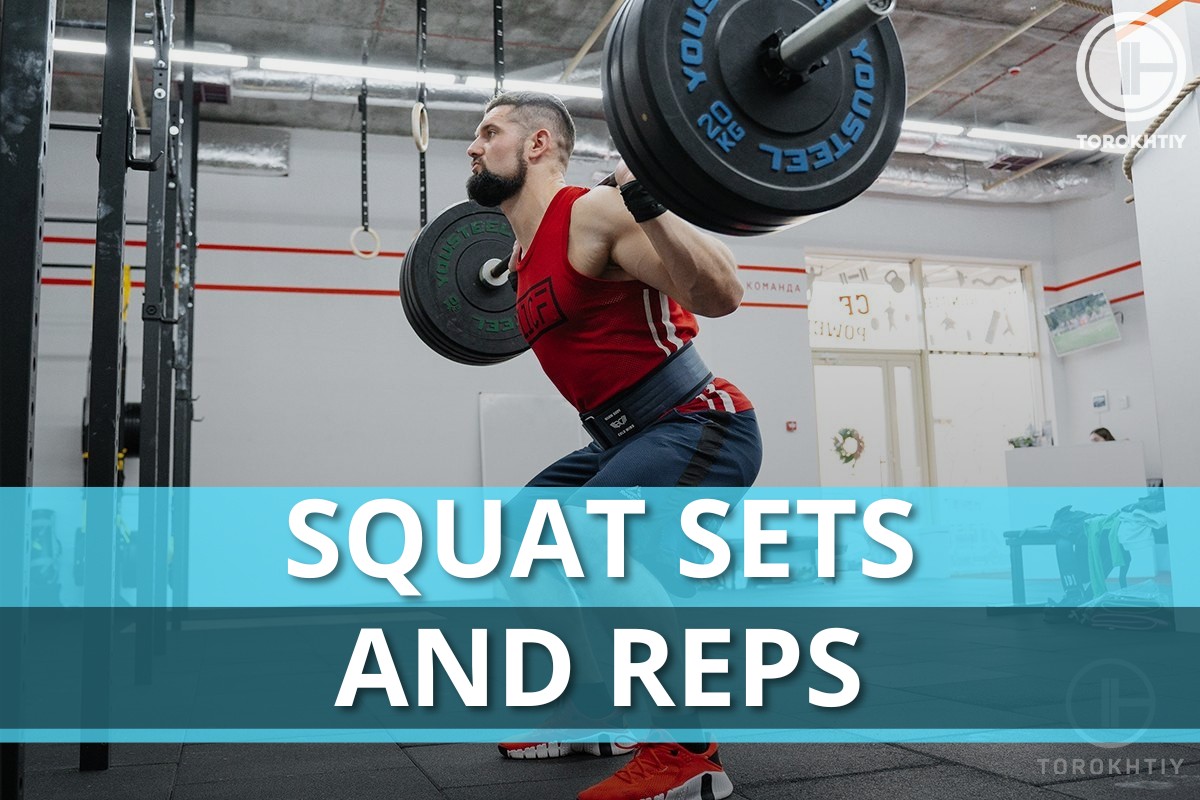
In strength training, programming prescription as "2 sets of 15 reps" means completing two distinct rounds of an exercise, with each round consisting of 15 continuous, controlled repetitions. This specific structure typically targets muscular endurance, metabolic conditioning, and foundational movement patterning rather than maximal strength or explosive power development.
When analyzing strength training programs, understanding the precise vocabulary of sets and repetitions is essential for translating physical goals into actionable routines. Whether you are a novice entering a commercial gym for the first time or an experienced athlete restructuring a program for localized muscle endurance, decoding programming metrics helps prevent overtraining, manages fatigue, and ensures your physical efforts align with your objectives. This comprehensive guide explores the mechanics, physiological impacts, program design principles, and practical application of performing two sets of fifteen repetitions.
Anatomy of a Resistance Training Prescription
To understand what 2 sets of 15 reps means, you must first break down the fundamental building blocks of resistance training programming: sets and repetitions. These two metrics form the quantitative language used by exercise scientists, physical therapists, and personal trainers to dictate volume and intensity.
Defining Repetitions (Reps)
A repetition, commonly abbreviated as a "rep," is a single, complete execution of an exercise movement. For instance, when performing a dumbbell curl, lifting the weight from full extension at the bottom to full contraction at the top, and then lowering it back down in a controlled manner, constitutes one single repetition.
In a prescription of 15 reps, you will perform this full movement sequence 15 times consecutively without stopping. The quality of each rep dictates its effectiveness. Performing repetitions with a full range of motion ensures that the target musculature undergoes appropriate mechanical tension and range of motion adaptations.
Defining Sets
A set is a collection of consecutive repetitions performed without resting. When a program calls for 2 sets, it means you will execute your first block of repetitions, stop to rest, and then perform a second block of identical repetitions.
For example, if you complete 15 bodyweight squats, pause to catch your breath and let your muscles recover, and then perform another 15 bodyweight squats, you have successfully completed 2 sets of 15 reps. The total volume for that exercise equals 30 total repetitions (2 multiplied by 15).
Total Training Volume
In exercise science, total volume is calculated by multiplying the number of sets by the number of repetitions, and often further multiplied by the resistance load used (Sets × Reps × Weight). For 2 sets of 15 reps, your total repetition volume is 30. While 30 total repetitions per exercise might appear low compared to bodybuilding programs featuring 4 or 5 sets, the higher repetition bracket per set introduces a unique metabolic stimulus that alters how the body responds to the workout.
Physiological Adaptations to Higher Repetition Training
The human body adapts specifically to the type of stress imposed upon it—a physiological principle known as the SAID principle (Specific Adaptations to Imposed Demands). Changing the rep range from a low-load, high-power scheme to a high-repetition scheme shifts the primary physiological pathways your body relies on to produce force.
| Training Goal | Typical Set Range | Typical Rep Range | Primary Physiological Adaptation | Rest Period Length |
|---|---|---|---|---|
| Maximal Strength | 3 – 6 | 1 – 6 | Neural drive, myofibrillar hypertrophy | 2 – 5 minutes |
| Hypertrophy (Size) | 3 – 5 | 8 – 12 | Myofibrillar & sarcoplasmic growth | 60 – 90 seconds |
| Muscular Endurance | 2 – 3 | 15 – 25+ | Capillarization, mitochondrial density, buffer capacity | 30 – 60 seconds |
| Power Development | 3 – 5 | 1 – 5 | Rate of force development, intermuscular coordination | 2 – 5 minutes |
Emphasizing Muscular Endurance
Performing 15 repetitions per set places the muscle under sustained tension for a longer duration than lower rep ranges like 5 or 8 reps. This extended time under tension forces the neuromuscular system to adapt by improving localized muscular endurance.
Muscular endurance is the ability of a muscle or group of muscles to repeatedly exert force against resistance over an extended period. Physiological changes include an increase in capillary density (delivering more oxygen and nutrients to the working muscle tissue), a higher concentration of myoglobin, and an increase in mitochondrial size and number, which improves cellular energy production.
Metabolic Stress and Sarcoplasmic Adaptations
High-repetition sets are highly effective at inducing metabolic stress—the accumulation of metabolites such as lactate, hydrogen ions, and inorganic phosphate within the muscle tissue. This localized burning sensation experienced during the final few reps of a 15-rep set is a primary driver of metabolic conditioning.
While heavy lifting primarily stimulates myofibrillar hypertrophy (the growth of actual contractile proteins), high-repetition training can also contribute to sarcoplasmic hypertrophy, which involves an increase in the volume of sarcoplasmic fluid and energy stores within the muscle cell.
Determining Appropriate Intensity and Load
One of the most common mistakes individuals make when attempting 2 sets of 15 reps is selecting the wrong weight or resistance level. Because 15 is a relatively high repetition count, using a weight meant for a 5-rep or 8-rep max will cause premature muscular failure long before reaching the 15th repetition.
Selecting the Right Resistance
To successfully complete 15 clean repetitions, the resistance must be light enough to avoid acute structural failure early in the set, yet challenging enough that the final 2 to 3 repetitions feel genuinely difficult. This concept relates closely to the Rating of Perceived Exertion (RPE) or Repetitions in Reserve (RIR) framework.
If your target is 15 reps, you should select a weight that allows you to complete all 15 repetitions with good form, leaving roughly 1 to 3 reps "in the tank" by the end of the set (an RIR of 1-3). If you chose a weight that forces you to stop at 10 reps due to complete failure, the load was too heavy for this specific endurance-focused programming.
Autoregulation and Progressive Overload
Over time, your body adapts to the demands of 2 sets of 15 reps. To continue making progress—whether your goal is improved endurance, general physical preparedness, or toning—you must apply the principle of progressive overload.
Instead of jumping to a lower rep range immediately when 15 reps become easy, progressive overload in this context can be achieved by:
- Incrementally increasing the resistance load while maintaining the 2 sets of 15 reps structure.
- Decreasing the rest period between the two sets to increase metabolic density.
- Improving movement velocity, control, and range of motion during each repetition.
Benefits of Incorporating 2 Sets of 15 Reps
Programming two sets of fifteen repetitions offers distinct physical and operational advantages, making it a popular choice across various training methodologies.
Time Efficiency and Volume Management
For individuals with busy schedules, high-volume routines consisting of 4 to 5 working sets per exercise can lead to long, unsustainable gym sessions. By capping the working sets at two, trainees can complete their prescribed movements quickly while still accumulating meaningful volume through the higher repetition count. This makes 2 sets of 15 reps an excellent option for circuit training, full-body routines, or time-crunched home workouts.
Joint-Friendly Conditioning
Lifting maximal loads places immense shear and compressive stress on tendons, ligaments, and articular cartilage. Because 2 sets of 15 reps requires lighter absolute loads to achieve the target repetition count, it reduces the peak mechanical stress placed on joints. This makes high-repetition, low-set protocols valuable for active recovery, individuals returning from minor joint niggles, or older adults seeking safe resistance training modalities.
Enhanced Mind-Muscle Connection
Executing 15 consecutive repetitions requires intense psychological focus and neuromuscular coordination. Trainees must consciously control the eccentric (lowering) and concentric (lifting) phases of each rep without relying on momentum. This extended duration under tension improves proprioception and enhances the mind-muscle connection, training the nervous system to recruit muscle fibers more efficiently.
Common Mistakes and How to Avoid Them
Even with a straightforward prescription like 2 sets of 15 reps, improper execution can limit results or increase injury risk. Understanding common pitfalls ensures optimal training outcomes.
Rushing Repetitions and Using Momentum
As fatigue sets in during the later repetitions of a 15-rep set, there is a natural temptation to speed up the movement and use body momentum to bounce the weight. This practice shortens the time under tension and unloads the target muscle.
- The Fix: Maintain a controlled cadence—such as 2 seconds on the concentric phase and 2 seconds on the eccentric phase—ensuring every single repetition is earned through muscular contraction.
Inadequate Rest Between Sets
Because 2 sets of 15 reps can induce significant metabolic fatigue and breathlessness, resting too little or too much can skew your training stimulus.
- The Fix: Implement structured rest intervals of 45 to 90 seconds between set one and set two. This allows adenosine triphosphate (ATP) stores to partially replenish and clears metabolic byproducts, ensuring you can perform the second set with comparable quality to the first.
Neglecting Warm-Up Protocols
Some trainees mistakenly view high-repetition, lighter-load sets as a warm-up in themselves. While 15 reps feel lighter than a 1-rep max, diving straight into working sets without preparing your cardiovascular system, joints, and nervous system invites poor movement mechanics.
- The Fix: Perform general mobility work and specific lighter warm-up sets before executing your official working sets of 2 sets of 15 reps.
Practical Applications in Routine Design
Integrating 2 sets of 15 reps into a comprehensive workout plan requires understanding where this stimulus fits best. It is rarely utilized for maximal strength development in primary compound lifts like heavy barbells deadlifts, where low rep ranges are preferred. Instead, it shines in specific operational scenarios.
Isolation and Accessory Movements
For single-joint accessory exercises—such as bicep curls, tricep pushdowns, lateral raises, leg extensions, and hamstring curls—2 sets of 15 reps is an exceptionally effective prescription. These exercises isolate specific muscle groups and benefit greatly from the metabolic stress and endurance adaptations fostered by higher repetition brackets.
Rehabilitation and General Fitness
For individuals cleared for exercise by medical or physical therapy professionals after an injury, high-repetition, low-load training serves as a bridge back to more rigorous activity. It builds tissue resilience, improves localized blood flow to healing structures, and re-establishes neuromuscular pathways without overwhelming the structural integrity of healing joints.
Circuit Training and Metabolic Conditioning
When paired with minimal rest intervals, performing 2 sets of 15 reps across multiple compound exercises (such as bodyweight lunges, push-ups, and dumbbell rows) elevates heart rate, increases caloric expenditure, and functions as an efficient metabolic conditioning session.
Summary
The training prescription "2 sets of 15 reps" is a purposeful programming choice centered on muscular endurance, metabolic conditioning, time efficiency, and joint-friendly resistance training. By understanding the distinction between sets and reps, selecting appropriate loads that allow you to finish with clean form, and managing rest intervals effectively, you can leverage this rep scheme to enhance your overall physical conditioning and fitness results.