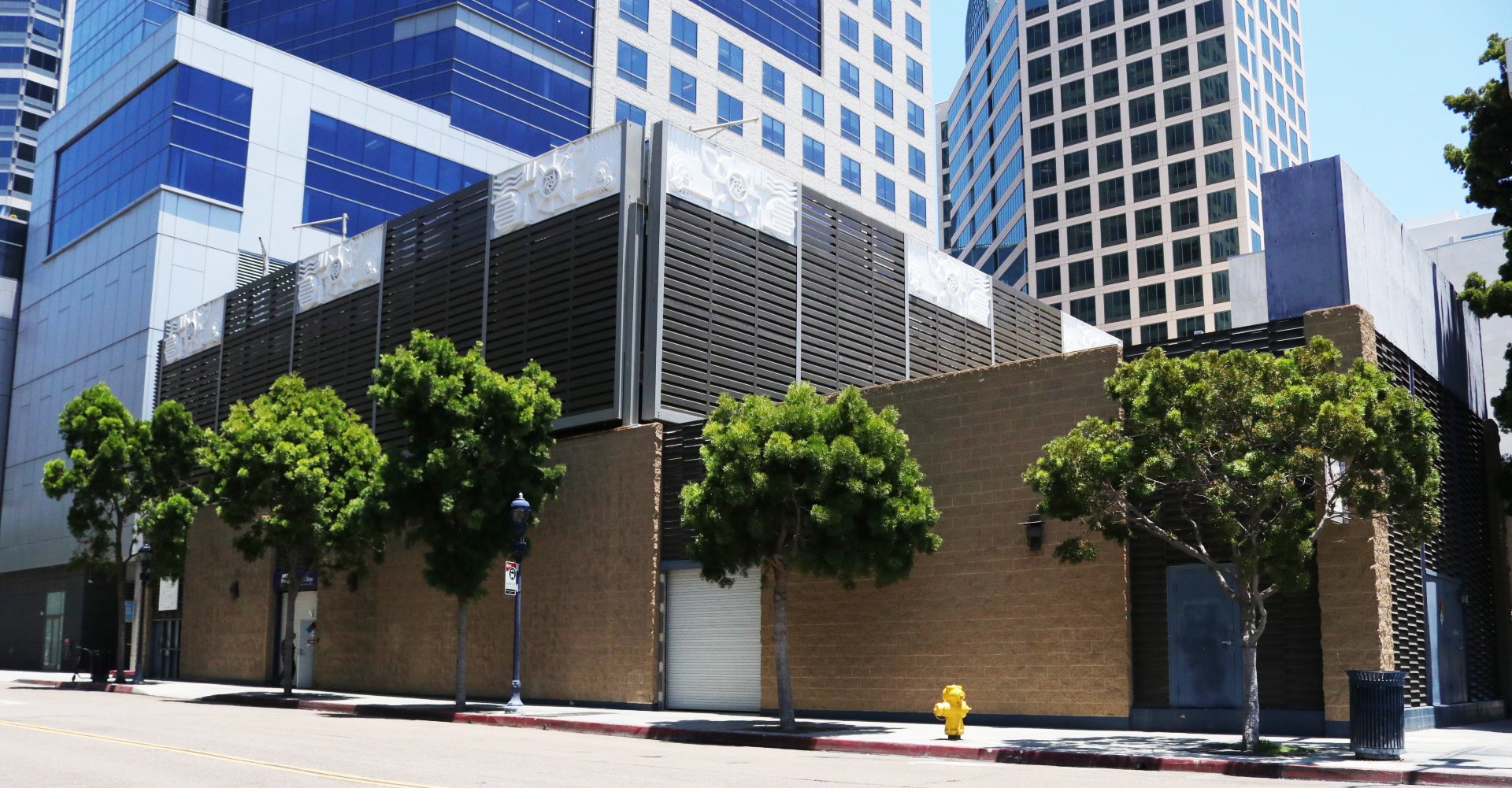
The term "2 San Diego District" most commonly refers to District 2 of the San Diego City Council, a major municipal legislative and administrative division governing several prominent coastal and urban neighborhoods. Understanding this district requires examining its geographical boundaries, historical governance framework, council representation structure, and the civic responsibilities managed by the office to serve local residents.
Overview of the San Diego City Council Structure
The City of San Diego operates under a council-mayor form of government. This structure divides administrative and legislative powers between an elected mayor, who acts as the chief executive officer managing city departments and operations, and the City Council, which serves as the legislative body responsible for enacting laws, approving the municipal budget, and setting local policy.
The City of San Diego is geographically divided into nine distinct council districts. Each district elects one councilmember to represent approximately one-ninth of the city's total population. The primary objective of this districting system is to ensure localized representation, allowing councilmembers to address the unique concerns, infrastructure needs, and policy priorities of specific neighborhoods.
District 2 occupies a strategically and economically vital position within this municipal framework. Known for its extensive coastline, vibrant commercial corridors, and dense residential communities, the district balances tourism, residential living, small business commerce, and environmental coastal preservation.
Geographical Boundaries and Neighborhoods of District 2
District 2 spans a diverse collection of coastal and bay-adjacent communities in the western and northwestern portions of San Diego. While exact boundaries can be adjusted during redistricting cycles—which occur every ten years following the release of the United States Census—District 2 traditionally encompasses some of the city's most recognized coastal hubs.
Core Neighborhoods Included in District 2
- Ocean Beach: A historic, distinctively independent coastal community known for its bohemian character, local merchant districts, and strict preservation of small-town beach culture.
- Point Loma: A prominent peninsula featuring residential neighborhoods, military installations, national monuments like the Cabrillo National Monument, and major maritime hubs including Shelter Island and America's Cup Harbor.
- Pacific Beach: A lively coastal neighborhood popular with young professionals and tourists, featuring an active boardwalk, extensive retail and dining options, and a high-density residential footprint.
- Mission Beach: A narrow barrier-bar neighborhood situated between the Pacific Ocean and Mission Bay, famous for its amusement park, beachfront boardwalks, and vacation rental market.
- Bay Park and Morena: Communities situated along the eastern shore of Mission Bay, blending residential areas with emerging transit-oriented development and light industrial spaces.
- Midway-Pacific Highway: An urban commercial and industrial corridor currently undergoing significant planning and redevelopment to introduce higher-density mixed-use housing and transit connectivity.
Governance, Representation, and the Role of the Councilmember
The representative for District 2 is an elected official who sits on the nine-member San Diego City Council. Councilmembers serve staggered four-year terms, with a limit of two consecutive terms.
Key Responsibilities of the District Office
The District 2 council office acts as the primary liaison between local constituents and the municipal government. Its core operational duties include:
- Legislative Voting: Reviewing, debating, and voting on city ordinances, municipal code amendments, zoning regulations, and citywide policy initiatives.
- Budget Advocacy: Advocating for funding allocations within the annual city budget specifically earmarked for District 2 infrastructure, park maintenance, library services, and public safety enhancements.
- Constituent Services: Assisting residents with municipal service requests, such as pothole repair, streetlight maintenance, code enforcement investigations, and navigating city permitting processes.
- Community Planning Integration: Working closely with local community planning groups to review development projects, environmental impact reports, and land-use proposals.
Key Infrastructure, Economic Drivers, and Local Priorities
District 2 hosts several critical economic and geographical assets that influence municipal policy discussions and city resource allocation.
| Asset Category | Specific Location / Feature | Municipal Significance |
|---|---|---|
| Maritime & Ports | Shelter Island & America's Cup Harbor | Major centers for commercial fishing, recreational boating, tourism, and marine-related commerce. |
| National Defense | Naval Base Point Loma | Critical military installation supporting regional defense operations and federal employment. |
| Recreation & Tourism | Mission Bay Park | One of the largest aquatic parks in the country, generating significant tourism revenue and recreational utility. |
| Transit & Housing | Midway-Pacific Highway | Focus area for major urban revitalization, redevelopment, and high-density housing initiatives near transit hubs. |
Environmental and Coastal Management
Because a substantial portion of District 2 is bounded by the Pacific Ocean and Mission Bay, environmental stewardship remains a central priority. Council policies frequently address coastal erosion, stormwater management, water quality testing, sea-level rise adaptation, and the regulation of short-term vacation rentals. Balancing tourism-driven economies with neighborhood livability is a persistent focus of district governance.
How to Interact with the District 2 Office
Residents, business owners, and community stakeholders within District 2 frequently interact with the council office to resolve local issues or participate in civic planning.
Practical Steps for Constituent Engagement
- Submitting Service Requests: Non-emergency municipal complaints—such as illegal dumping, graffiti, or damaged street infrastructure—can be reported directly to the city via the "Get It Done San Diego" application or website, which routes requests to the appropriate city departments while allowing the district office to monitor resolution progress.
- Attending Community Planning Meetings: Neighborhoods within District 2 are served by local Community Planning Groups (CPGs). These volunteer boards advise the City Council on land use, zoning, and discretionary permits.
- Contacting the Council Office: Constituents can reach out to the District 2 office via phone, email, or scheduled appointments to discuss policy concerns, request proclamations, or seek assistance with city bureaucracy.
Frequently Asked Questions
What is the primary function of the San Diego City Council District 2 office?
The District 2 office represents the residents of its designated neighborhoods in legislative matters before the City Council, crafts local policy, votes on the city budget, and provides direct constituent services to resolve local municipal issues.
How often are District 2 boundaries changed?
District boundaries are evaluated and redrawn every ten years following the completion of the United States Census. This process, overseen by an independent redistricting commission, ensures that each of the nine council districts maintains an equitable population balance in compliance with federal and state law.
Which neighborhoods are typically included in District 2?
District 2 primarily comprises coastal and western neighborhoods of San Diego, including Ocean Beach, Point Loma, Pacific Beach, Mission Beach, Bay Park, and the Midway-Pacific Highway corridor.
How can I find out if my specific address is in District 2?
Residents can verify their specific council district by entering their residential address into the official interactive district locator tool provided on the City of San Diego website, which maps out current municipal boundaries.
Who is eligible to vote for the District 2 Councilmember?
Registered voters who reside within the legally defined geographical boundaries of District 2 are eligible to vote in primary and general elections for the District 2 City Council seat.
Conclusion and Next Actions
Navigating municipal governance within the 2 San Diego District requires understanding both the geographical scope of the region and the operational channels available to residents. Whether addressing infrastructure concerns, participating in local planning meetings, or tracking citywide legislation, engaging with the District 2 office ensures that coastal and urban communities remain actively represented in San Diego's municipal decisions. Residents looking to report an issue or contact their representative should visit the official City of San Diego web portal to access current district contact information and service tools.