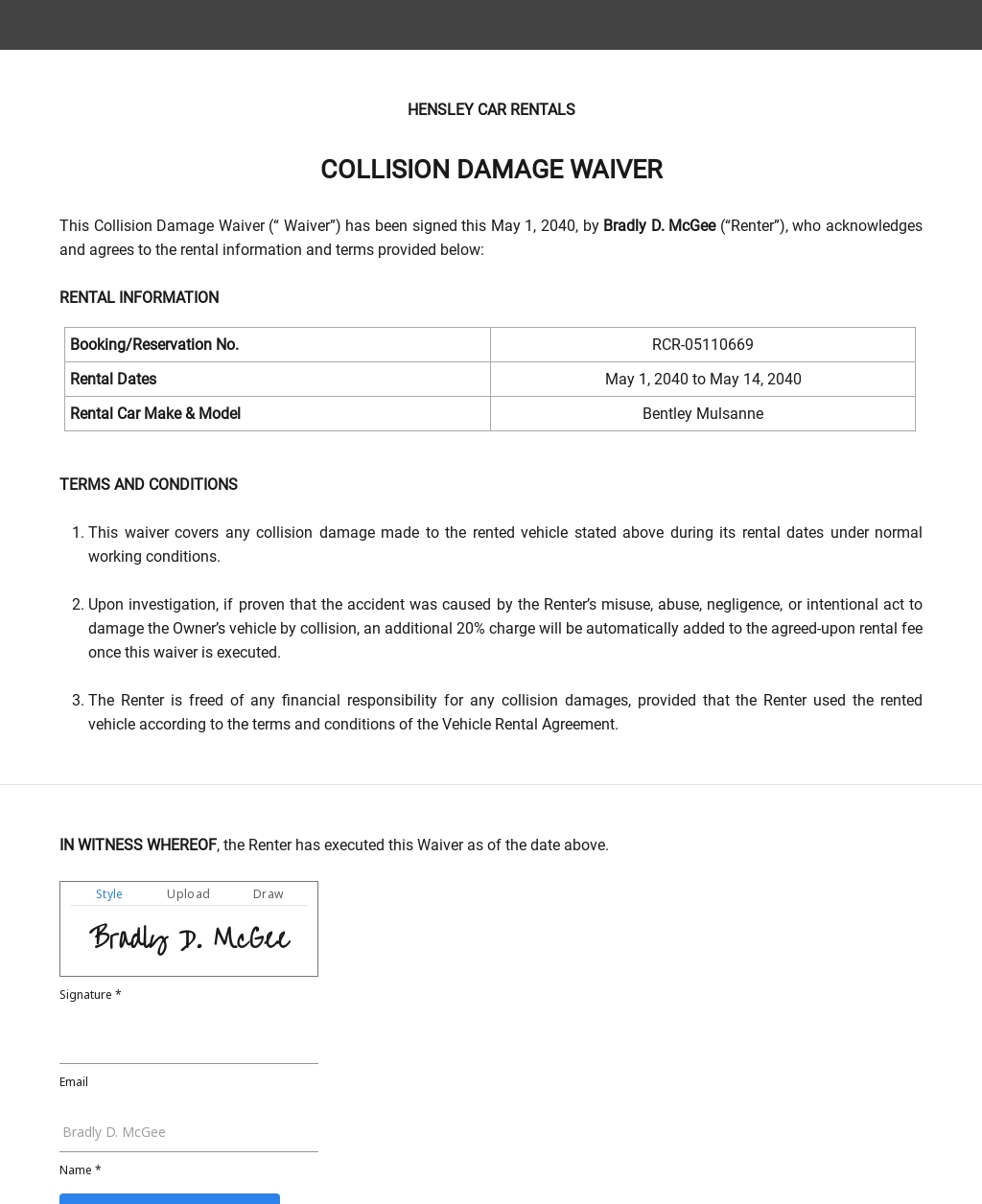
Many major credit cards include auto rental collision damage waiver insurance as a complimentary cardholder benefit, which can save you significant money by allowing you to decline the expensive collision damage waiver offered directly by car rental companies. However, this coverage is almost always secondary to your personal auto insurance policy, meaning you must navigate specific terms, geographic exclusions, vehicle type restrictions, and time limits to ensure you are fully protected.
Navigating the landscape of credit card benefits can feel like deciphering a secondary language, particularly when it comes to travel perks. When planning a trip that requires a rental vehicle, understanding how your plastic currency protects you on the road is essential. Relying on assumptions can lead to catastrophic out-of-pocket expenses if an accident occurs, making a thorough review of your cardholder agreement mandatory before you reach the rental counter.
Understanding the Collision Damage Waiver (CDW)
To understand what your credit card provides, you must first understand what a Collision Damage Waiver actually is. Contrary to popular belief, a CDW is not technically insurance. Instead, it is a contractual waiver. When you purchase or receive a CDW, the car rental company agrees to waive its right to hold you financially responsible for physical damage to or theft of the rental vehicle, up to the full value of the car.
When you decline the rental company's optional CDW, you remain legally liable for any damage, loss of use charges, towing fees, and administrative charges incurred while the vehicle is in your possession. This is where your credit card steps in. If your credit card includes auto rental collision damage waiver insurance, the card issuer's benefits administrator will reimburse you for these exact costs, provided you meet all eligibility criteria and follow the claims process meticulously.
It is vital to distinguish between Collision Damage Waiver coverage and liability insurance. CDW only covers damage to or theft of the rental vehicle itself. It does not cover damage you cause to other people's cars, public property, or medical expenses for injuries sustained by you, your passengers, or other drivers. For liability protection, you must rely on your personal auto insurance policy or purchase supplemental liability protection from the rental agency.
Primary Versus Secondary Coverage
The single most important distinction in credit card rental car insurance is whether the coverage is primary or secondary. This determines how claims are processed and which insurance company pays out first in the event of an accident or theft.
Secondary Coverage (Most Common)
The vast majority of credit cards offer secondary coverage. This means that if you get into an accident, your credit card's insurance kicks in only after your personal auto insurance policy has been exhausted or has paid out its maximum limits.
- The Deductible Dilemma: If you have a $500 deductible on your personal auto insurance policy, your credit card company will typically reimburse you for that $500 deductible amount. However, filing a claim can still cause your personal auto insurance rates to increase upon renewal.
- No Personal Auto Policy: If you do not own a car and therefore do not carry a personal auto insurance policy, secondary credit card coverage automatically acts as your primary insurance. In this scenario, the credit card company covers eligible damages directly without another insurer getting involved.
Primary Coverage (Less Common)
Select premium travel credit cards offer primary auto rental collision damage waiver insurance. With primary coverage, you do not need to involve your personal auto insurance provider at all.
- Direct Claims: If an incident occurs, you file the claim directly with your credit card's benefits administrator.
- Rate Protection: Your personal auto insurance company is never notified of the incident, protecting your personal policy from potential premium hikes or risk assessments. Premium cards that carry annual fees are far more likely to offer primary coverage as part of their robust travel protection packages.
Key Steps to Activate Your Credit Card Coverage
Having a credit card that offers auto rental collision damage waiver insurance does not mean you are automatically covered every time you rent a car. Coverage must be actively triggered by fulfilling specific administrative requirements established by the credit card issuer and their network provider (such as Visa, Mastercard, or American Express).
- Decline the Rental Company’s CDW: You must explicitly decline the optional Collision Damage Waiver or Loss Damage Waiver (LDW) offered by the rental car desk. If you accept their coverage—even if it is just out of pressure or confusion—you forfeit your credit card's protection entirely.
- Pay Entirely with the Eligible Card: You must charge the entire cost of the car rental—including taxes, fees, and surcharges—to the eligible credit card. You cannot split the payment across multiple cards or use a combination of cash, debit cards, or reward points, unless those reward points were earned on that specific card and redeemed for the rental.
- Be the Named Primary Renter: The person renting the vehicle and signing the rental agreement must be the primary cardholder. Furthermore, that same person's name must appear on the credit card used for the transaction. Additional drivers authorized on the rental agreement may also be covered, provided they meet the card's criteria.
Common Exclusions and Limitations
Even when coverage is properly activated, credit card issuers enforce strict boundaries regarding what is covered, where you are driving, and how long the rental lasts. Overlooking these exclusions can leave you entirely unprotected.
Geographic Exclusions
Credit card auto coverage is not universally applicable across the globe. Many standard cards exclude rentals in specific countries due to high risk, political instability, or legal complexities. Commonly excluded jurisdictions include:
- Republic of Ireland
- Northern Ireland
- Israel
- Jamaica
- Various countries across the African continent
If you are traveling internationally, you must review the specific country exclusions listed in your card's "Guide to Benefits." Some cards may require you to purchase local coverage in these specific nations regardless of your card benefits.
Vehicle Type Restrictions
Credit card issuers define what constitutes a covered "auto." While standard sedans, coupes, hatchbacks, and small SUVs are universally accepted, many commercial or specialty vehicles are explicitly excluded. Vehicles typically not covered include:
- Exotic, high-end, or luxury vehicles (e.g., Aston Martin, Ferrari, Porsche)
- Cargo vans and full-sized passenger vans designed to carry more than a specific number of passengers (often capped at 8 or 9 people)
- Trucks, campers, motorhomes, and recreational vehicles (RVs)
- Antique or vintage cars (often defined as vehicles manufactured more than 10 to 20 years ago)
- Motorcycles, mopeds, and all-terrain vehicles (ATVs)
Duration Limits
Credit card coverage is designed for short-term leisure and business travel, not long-term leasing. Most credit card policies impose a strict time limit on continuous rentals. Standard domestic rentals are typically covered for up to 31 consecutive days, while international rentals may sometimes be limited to 15 or 30 days. If your rental agreement exceeds this window, the entire coverage period may be voided, not just the days past the limit.
| Coverage Feature | Standard Credit Card Benefit | Premium Credit Card Benefit |
|---|---|---|
| Coverage Type | Usually Secondary | Usually Primary |
| Maximum Rental Period | 15 to 31 consecutive days | 31 to 48 consecutive days |
| Geographic Limits | Excludes select countries (e.g., Ireland, Israel) | Broader international coverage, fewer exclusions |
| Reimbursement Scope | Physical damage, theft, towing, loss of use | Physical damage, theft, towing, loss of use, administrative fees |
| Deductible Handling | Reimburses personal auto policy deductible | Covers up to total vehicle value with no deductible |
How to Verify Your Card's Specific Benefits
Because credit card terms, partner insurance networks (such as eClaimsLine), and issuing banks change their policies periodically, you should never rely on memory or outdated information.
- Log into Your Account Portal: Most major issuers allow you to download the exact "Guide to Benefits" PDF associated with your specific card tier directly from their website or mobile app.
- Call the Customer Service Number: Call the dedicated customer service or benefits number printed on the back of your credit card. Ask specifically: "Does my card provide primary or secondary auto rental collision damage waiver insurance, and are there any geographic exclusions for my destination?"
- Request Written Confirmation: For complex international trips, request a letter of coverage from your card issuer confirming your protection details. Some foreign rental agencies demand proof of insurance before allowing you to decline their local waivers.
Frequently Asked Questions
Does credit card rental insurance cover liability if I hit another car?
No. Credit card auto rental collision damage waiver insurance exclusively covers physical damage to or theft of the rental vehicle itself. It provides zero bodily injury or property damage liability coverage for other drivers, pedestrians, or external property. You must rely on your personal auto insurance policy or purchase supplemental liability insurance from the rental agency.
What happens if I use points or miles to book my rental car?
You are generally still covered if you use reward points earned on that specific credit card to pay for the rental, provided you charge any remaining taxes, fees, and mandatory surcharges to the card. However, booking through third-party travel portals or using generic rewards programs that are not tied directly to your credit card may invalidate the insurance benefit.
Am I covered if an additional driver is behind the wheel during an accident?
Usually, yes, provided two conditions are met: the additional driver is officially listed as an authorized driver on the car rental agreement, and they meet the standard eligibility criteria set by the credit card issuer (such as holding a valid driver's license and being of legal age). Unlisted drivers will completely invalidate the insurance coverage.
What steps must I take immediately if I get into an accident?
First, ensure everyone is safe and contact local emergency services if required. Obtain a police report, as most credit card benefit administrators require one to process a claim. Next, collect contact and insurance information from any other involved parties, take clear photographs of the damage and the scene, and notify your credit card's benefits administrator as soon as possible—typically within 30 to 45 days of the incident.
Can I rent a car in Ireland using my credit card insurance?
It depends entirely on the specific credit card issuer. While many standard U.S. credit cards explicitly exclude the Republic of Ireland and Northern Ireland from their auto rental coverage due to local regulatory requirements, a select group of premium cards do extend coverage there. Always verify your specific card's geographic restrictions before traveling to Ireland.
Final Recommendations for Cardholders
Before you finalize your next travel itinerary, take fifteen minutes to log into your credit card account and review your specific travel protections. If your card offers secondary coverage, ensure you understand how your personal auto insurance policy handles claims. If you frequently rent vehicles and want the peace of mind that comes with bypassing personal insurance hassles, consider applying for a travel rewards card that features primary auto rental collision damage waiver insurance as a standard perk. Always decline the rental counter's expensive waiver only after confirming your card's eligibility requirements are fully satisfied, and keep a digital copy of your card's benefits guide accessible on your phone while traveling.