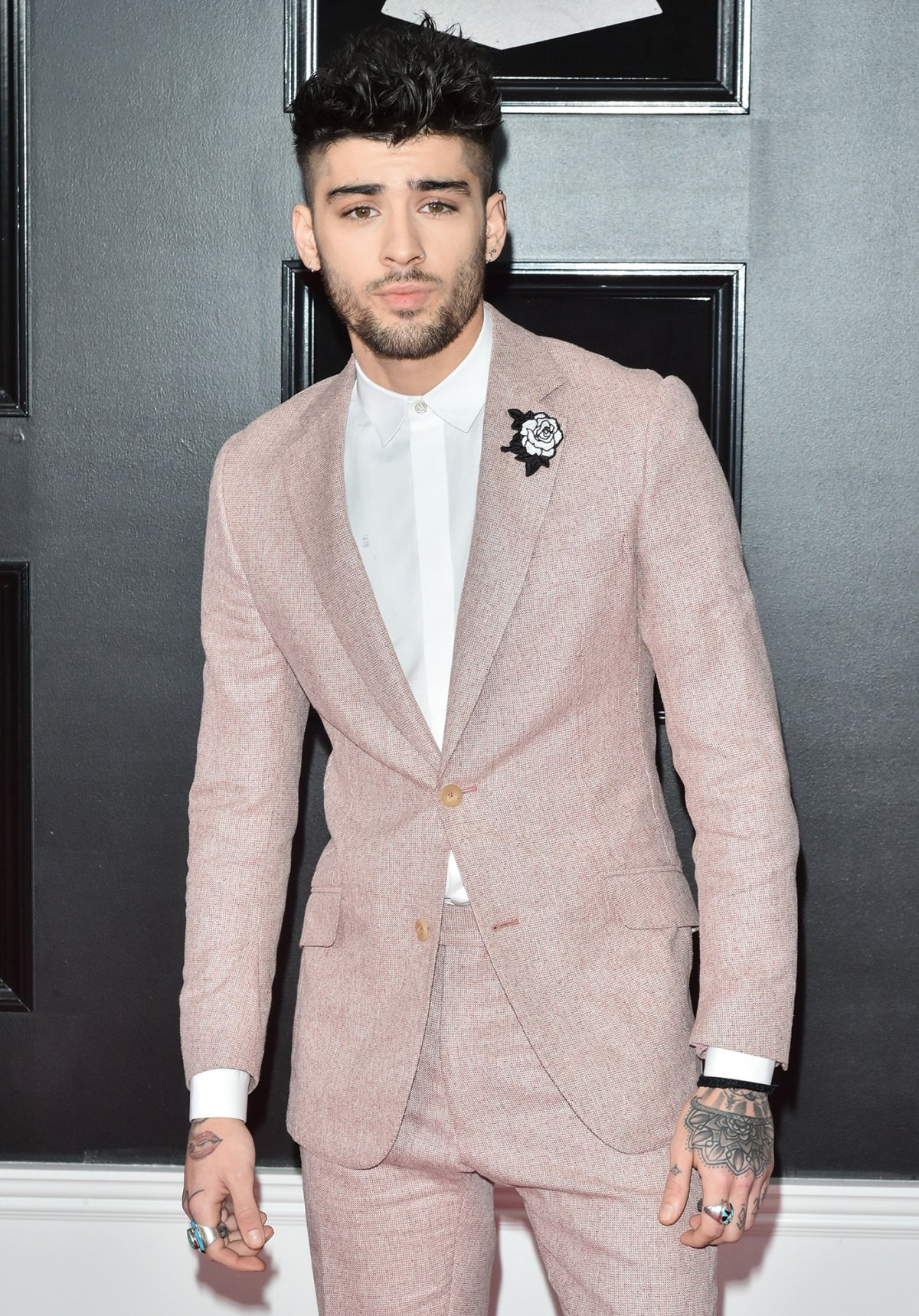
Zayn Malik’s transition from a member of One Direction to a standalone solo artist remains one of the most significant shifts in modern pop culture. Since departing the group in 2015, Malik—stylized as ZAYN—has redefined his brand through R&B-infused records, artistic autonomy, and a move away from the "boy band" archetype to a critically acclaimed solo career that continues to evolve in 2026.
The Pivotal Departure: Why Zayn Malik Left One Direction
On March 25, 2015, the landscape of mainstream music changed when Zayn Malik announced his departure from One Direction. At the time, the group was the most successful musical act in the world. Malik’s decision was initially framed as a desire to be a "normal 22-year-old who is able to relax and have some private time out of the spotlight." However, as his solo project developed, the depth of his creative frustration became clear.
Malik’s departure was not merely a break from fame but a necessary exit from a creative environment that did not align with his personal musical tastes. In subsequent interviews, such as his 2023 appearance on the Call Her Daddy podcast, Malik noted that the "machinery" of the group had become exhaustive and that he felt the need to get ahead of the curve as the group’s internal dynamics shifted.
The "solo project" of Zayn Malik was born out of a necessity for authenticity. While One Direction's sound was rooted in pop-rock and bubblegum pop, Malik’s personal influences leaned heavily toward R&B, soul, and reggae. This fundamental mismatch meant that for five years, his vocal capabilities—specifically his signature high notes and falsetto—were often utilized within a framework that he felt did not represent his artistic identity.
Defining the ZAYN Brand: The Solo Project Identity
When Zayn Malik re-emerged as a solo artist, he made a conscious choice to drop his last name and perform under the mononym ZAYN. This was a strategic branding move designed to signal a clean break from the past. By simplifying his name, he aligned himself with other legendary mononymous artists (like Prince or Usher) and established a more mature, enigmatic persona.
The "ZAYN" project is characterized by several core pillars:
- Creative Control: Unlike his time in One Direction, Malik took a primary role in songwriting and conceptualizing his visual aesthetic.
- Genre Fluidity: His solo work moves seamlessly between alternative R&B, synth-pop, and more recently, folk and blues.
- Visual Mystery: Malik became known for a "less is more" approach to promotion, often letting the music speak for itself while maintaining a high level of personal privacy.
By 2026, this approach has solidified his status as an "artist’s artist"—someone who prioritizes the integrity of the work over the traditional demands of the "pop star" cycle.
Musical Evolution: A Journey Through the Discography
To understand Zayn Malik’s solo project, one must examine the progression of his studio albums. Each release has served as a chapter in his quest for a definitive sound.
Mind of Mine (2016)
Malik’s debut solo album, Mind of Mine, was a massive commercial success, debuting at number one in both the UK and the US. The lead single, "Pillowtalk," showcased a more explicit and mature lyrical direction. The album was heavily influenced by PBR&B (Alternative R&B), drawing comparisons to artists like Frank Ocean and Miguel. It successfully proved that Malik could carry a project on his own merit without the backing of a group.
Icarus Falls (2018)
His sophomore effort, Icarus Falls, was an ambitious 27-track double album. It explored themes of love, hubris, and redemption. While its length made it a challenging listen for casual fans, it was a treasure trove for R&B enthusiasts, featuring sophisticated production and showcasing Malik's vocal range. The project experimented with more diverse sounds, including "No Candle No Light" (featuring Nicki Minaj).
Nobody Is Listening (2021)
This third album was Malik’s most personal and stripped-back project up to that point. As the title suggests, it felt like an intimate communication with his core fan base. It leaned into a more "lo-fi" aesthetic, focusing on storytelling and vocal texture rather than radio-friendly hooks.
Room Under the Stairs (2024)
Marking a significant departure from his R&B roots, Malik released Room Under the Stairs in 2024. Produced by the legendary Dave Cobb, the album was recorded at Malik’s home in Pennsylvania. This project embraced a raw, organic sound, incorporating elements of country, soul, and blues. It represented a man who had found peace with himself, moving away from electronic production in favor of live instrumentation. By 2026, this album is viewed as the turning point where Malik transitioned from a pop star to a seasoned singer-songwriter.
Comparative Analysis: One Direction vs. ZAYN Solo Career
The following table highlights the key differences between Malik's role in the group and his solo trajectory.
| Feature | One Direction Era (2010–2015) | ZAYN Solo Era (2016–Present) |
|---|---|---|
| Primary Genre | Pop, Pop-Rock, Teen Pop | R&B, Alternative R&B, Soul, Folk |
| Songwriting Role | Limited / Collaborative with teams | Primary writer / Highly personal |
| Vocal Style | Power belts, harmony-focused | Falsetto, riffs, intimate textures |
| Public Image | Accessible, "Boy Next Door" | Enigmatic, fashion-forward, private |
| Live Performance | Arena tours, high energy | Selective appearances, intimate sets |
| Brand Focus | Collective group identity | Individual artistic autonomy |
The Impact on the Music Industry
Zayn Malik’s solo project served as a blueprint for his former bandmates—Harry Styles, Niall Horan, Liam Payne, and Louis Tomlinson. By being the first to leave and the first to achieve a solo number-one hit, Malik proved that there was life after One Direction.
His success challenged the industry's perception of "boy band" members. He was not just a manufactured product; he was a vocalist with a distinct perspective. His willingness to discuss his struggles with anxiety and his discomfort with the "fame machine" also opened doors for a more honest conversation regarding mental health in the music industry.
Furthermore, Malik’s solo work bridged the gap between Western pop and his South Asian heritage. Though he primarily sings in English, his subtle use of Urdu in tracks like "Intermission: Flower" on Mind of Mine provided a rare moment of representation in mainstream Western R&B, making his "solo project" a global cultural touchpoint.
Zayn Malik in 2026: The Current Landscape
In 2026, Zayn Malik occupies a unique space in the music industry. He has successfully avoided the "flash-in-the-pan" trap that catches many former group members. Having released four studio albums, he has built a discography that is respected for its sonic diversity.
The solo project of Zayn Malik is no longer defined by his exit from One Direction, but by his continued growth as a musician. In the current year, he remains a significant figure in both music and fashion, often collaborating with high-end designers while maintaining a quiet life on his farm in Pennsylvania. His move toward a more "live" and "organic" sound in his recent work has garnered him a new demographic of listeners—those who value the craftsmanship of songwriting over the viral nature of modern social media trends.
Frequently Asked Questions
Did Zayn Malik ever return to One Direction?
As of 2026, Zayn Malik has not officially returned to One Direction. While there have been numerous rumors of reunions and supportive social media interactions among the former members, Malik has remained focused on his solo career and his personal life. The group's hiatus, which began in 2016, remains in effect for all five original members.
What is the most successful song of Zayn’s solo career?
"Pillowtalk" remains Malik’s most commercially successful solo single. It debuted at number one on the Billboard Hot 100 and the UK Singles Chart. Other notable hits include "I Don’t Wanna Live Forever" (with Taylor Swift) and "Dusk Till Dawn" (featuring Sia), both of which achieved multi-platinum status and billions of streams globally.
Why did Zayn change his sound for "Room Under the Stairs"?
The shift in Room Under the Stairs (2024) was a result of Malik’s desire for a more "human" and "vulnerable" sound. Working with producer Dave Cobb allowed him to explore live recording techniques that emphasized his vocal imperfections and emotional delivery. He has stated in interviews that this project was about showing who he is "when the lights are off."
How many albums has Zayn Malik released as a solo artist?
As of 2026, Zayn Malik has released four solo studio albums:
- Mind of Mine (2016)
- Icarus Falls (2018)
- Nobody Is Listening (2021)
- Room Under the Stairs (2024)
Does Zayn Malik still tour?
Malik has been famously selective about touring. Throughout his solo career, he has prioritized his mental health, often citing anxiety as a reason for avoiding traditional large-scale world tours. However, he has performed at special events, intimate showcases, and televised performances, preferring a more controlled and personal connection with his audience.
Next Steps for Fans and Listeners
If you are looking to explore the solo project of Zayn Malik beyond the hits, the best course of action is to listen to his albums in chronological order. This provides a clear view of his growth from the R&B-heavy Mind of Mine to the soulful, acoustic-driven Room Under the Stairs.
For those interested in the technical side of his music, paying attention to his vocal arrangements—particularly his layered harmonies—offers insight into why he is considered one of the best vocalists of his generation. For the latest updates on his work in 2026, following his official social media channels and his official website is the most reliable way to stay informed on new releases, fashion collaborations, and potential live appearances.