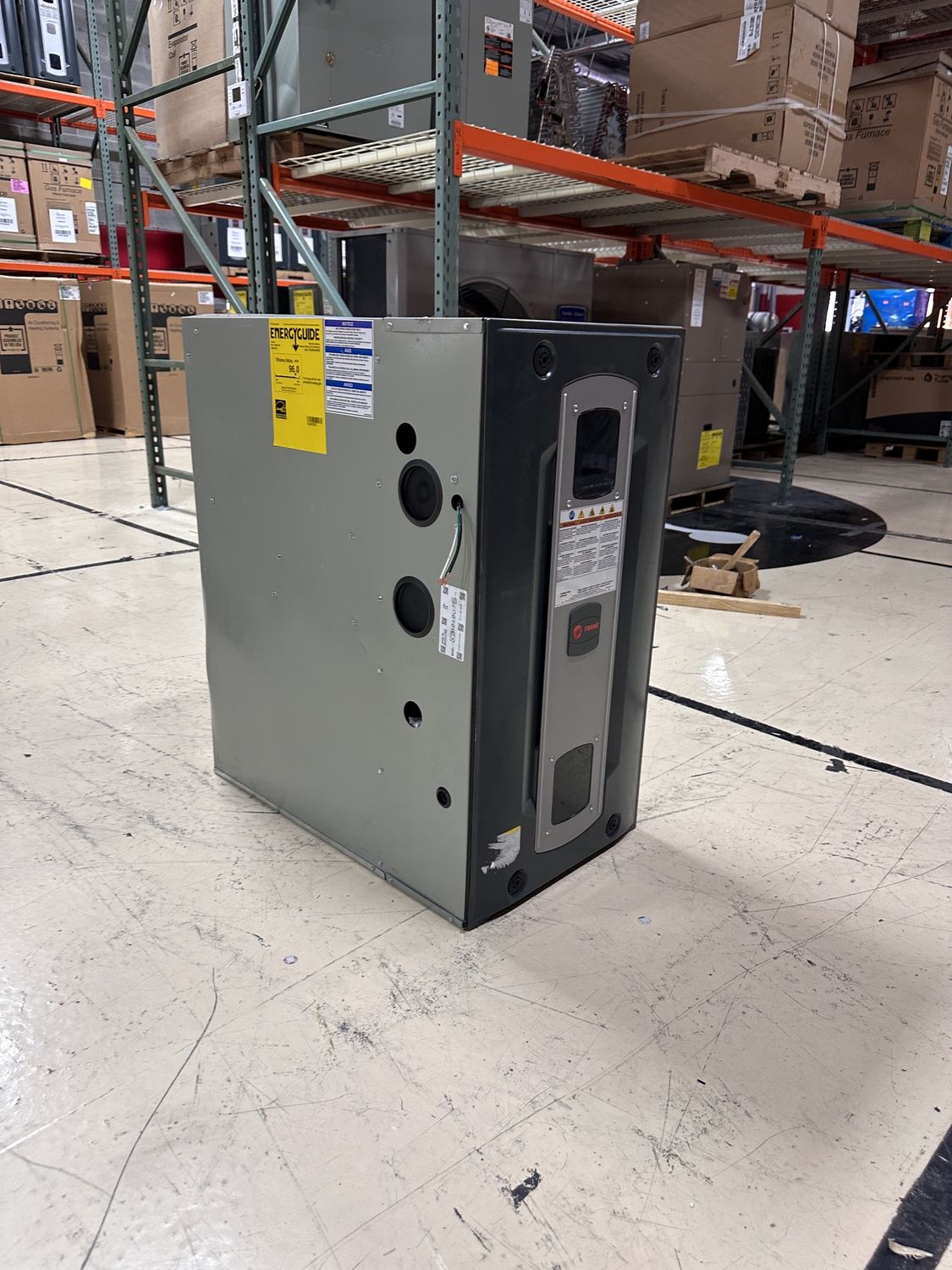
The Trane S9X2 gas furnace stands out primarily due to its advanced two-stage heating technology combined with a high-efficiency Vortica II blower motor, which collectively provide superior comfort and energy savings by reducing temperature swings and minimizing operational noise compared to single-stage alternatives.
Understanding the Trane S9X2 Design Philosophy
When homeowners and contractors discuss the Trane S9X2, the conversation inevitably drifts toward its engineering balance. In the landscape of residential heating, the S9X2 occupies a strategic middle ground. It is designed for those who find entry-level single-stage furnaces too inconsistent but may not require the extreme complexity or higher upfront cost of fully modulating systems.
The "S" in the S9X2 series denotes the S-series line, which Trane engineered to streamline installation and serviceability. By focusing on a compact, standardized footprint, the S9X2 allows HVAC technicians to integrate it into tight spaces—such as cramped utility closets or attics—without compromising the accessibility of the internal components. This focus on technician-friendly design is not just a convenience for the installer; it is a long-term benefit for the homeowner, as it typically leads to faster, more accurate maintenance and lower labor costs during routine service visits.
The Power of Two-Stage Heating
The standout feature of this unit is its two-stage heating capability. To understand why this is a significant advantage, one must consider how a standard, single-stage furnace operates. A single-stage furnace is binary: it is either completely "on" or completely "off." When the thermostat triggers a call for heat, the furnace fires at 100% capacity until the desired temperature is reached, then shuts down. This creates a "cycling" effect, where the home experiences sharp spikes and drops in temperature, often accompanied by the rush of air every time the system kicks in.
In contrast, the Trane S9X2 utilizes two stages. On milder days, or when the home is simply maintaining a temperature rather than trying to recover from a deep freeze, the furnace operates in its first stage (typically about 65% of its capacity). This longer, gentler heating cycle achieves several goals:
- Temperature Consistency: By running for longer periods at lower intensity, the system prevents the air in the home from oscillating between too hot and too cold.
- Humidity Control: Longer run times allow the system to circulate air more effectively, which helps in balancing moisture levels throughout the living space.
- Quiet Operation: Because the blower is not constantly straining at maximum capacity, the noise profile of the S9X2 is significantly lower than that of its single-stage counterparts.
Efficiency and the Vortica II Blower
The performance of a furnace is only as good as its ability to move air. The S9X2 features the proprietary Vortica II blower motor. In many furnaces, the blower is the largest consumer of electricity. The Vortica II is designed for high-efficiency operation, meaning it can move air more effectively while drawing less power.
Efficiency in a furnace is measured by the Annual Fuel Utilization Efficiency (AFUE) rating. The S9X2 typically boasts a rating of 96% AFUE. This means that for every dollar spent on natural gas, 96 cents of that energy is converted directly into heat for the home, while only 4 cents is lost through the flue. This efficiency is critical in 2026, as energy costs remain a significant concern for property owners. When combined with the two-stage burner, the blower creates a sophisticated air-delivery system that optimizes both comfort and utility bills.
Technical Comparison: Single-Stage vs. Two-Stage Systems
To better visualize how the S9X2 fits into the broader market, it is helpful to compare it against other common configurations.
| Feature | Single-Stage Furnace | Trane S9X2 (Two-Stage) | Modulating Furnace |
|---|---|---|---|
| Heating Levels | One (100% Capacity) | Two (Approx. 65% & 100%) | Variable (40% to 100%) |
| Energy Efficiency | Lower | High (96% AFUE) | Highest |
| Temperature Stability | Moderate (Fluctuating) | Excellent (Consistent) | Superior |
| Operational Noise | Higher | Low | Lowest |
| Upfront Cost | Lowest | Moderate | Highest |
Installation Requirements and Site Readiness
Before deciding on the S9X2, homeowners must ensure their home’s infrastructure is ready for high-efficiency equipment. Because the S9X2 is a high-efficiency condensing furnace, it does not vent through a traditional masonry chimney. Instead, it uses PVC piping for both intake air and exhaust venting.
If a home is being retrofitted from an older, low-efficiency mid-efficiency furnace, the existing venting system may not be compatible. A qualified HVAC technician will need to perform a "manual J" load calculation to ensure the S9X2 is properly sized for the home. Oversizing a furnace is a common mistake; an oversized unit will short-cycle, leading to premature wear on the heat exchanger and inconsistent heating, regardless of the quality of the unit itself.
Maintenance and Longevity
The longevity of a Trane S9X2 is contingent upon regular maintenance. As of 2026, industry standards for high-efficiency furnaces emphasize the importance of clean air filters and annual inspections of the secondary heat exchanger. Because this furnace captures so much heat, it generates condensation, which must be drained properly. Homeowners should ensure that the condensate drain lines are clear of debris to prevent water backup, which can trigger safety sensors and shut the unit down.
The heat exchanger in the S9X2 is constructed from aluminized steel, designed to withstand the corrosive effects of the condensation process. However, even the most robust materials require professional oversight to ensure the safety of the household, particularly in identifying any cracks or leaks that could lead to carbon monoxide issues.
Common Troubleshooting Scenarios
Even a high-quality machine like the S9X2 can encounter operational hurdles. Here are the most common scenarios:
- System Refuses to Start: Often, this is not a mechanical failure but a safety trip. Check the condensate trap or the safety switches on the burner compartment door. If the door is not perfectly aligned, the switch will prevent ignition.
- Frequent Short Cycling: While the two-stage feature is meant to prevent this, if it occurs, it usually points to an airflow restriction. A dirty air filter is the most common culprit. If the filter is clean, ensure that supply and return registers throughout the home are not blocked by furniture or rugs.
- Error Codes: The S9X2 control board features an LED diagnostic light. When the unit fails, this light will blink in a specific sequence. Refer to the manual provided with your unit (or the sticker inside the furnace door) to decode these blinks, which will point to the specific sensor or component that needs attention.
Frequently Asked Questions
1. Is the Trane S9X2 worth the investment compared to a single-stage model? Yes, if you plan to stay in your home for more than five years. The combination of fuel savings from the 96% AFUE rating and the increased comfort of the two-stage burner provides a tangible return on investment through lower monthly utility bills and reduced mechanical strain.
2. Does the S9X2 require a special thermostat? The S9X2 is compatible with most standard two-stage thermostats. While a proprietary Trane ComfortLink thermostat might offer more granular data and communication features, a high-quality third-party two-stage thermostat will successfully manage the transition between the low and high-fire heating stages.
3. How loud is the S9X2 during operation? The unit is designed for quiet operation. The two-stage technology allows it to run at a lower capacity, which is naturally quieter, and the insulated blower cabinet further dampens sound. Most users report a barely audible hum compared to the aggressive "whoosh" of older single-stage systems.
4. Can this furnace work with an air conditioner? Yes, the S9X2 is designed to be paired with central air conditioning systems. The blower motor is capable of variable speed adjustments, which allows it to handle the higher static pressure requirements of high-efficiency air conditioning coils and air purification systems.
5. What is the standard warranty for the S9X2? Trane typically offers a 10-year limited warranty on the internal functional parts and a lifetime limited warranty on the heat exchanger, provided the unit is registered within the specified timeframe. Always check the specific terms provided by your installer, as registration is often required to unlock the full warranty period.
Making the Next Move
If you are considering the Trane S9X2 for your home, the most critical next step is to schedule an in-home assessment with a licensed, certified HVAC contractor. Request a Manual J calculation to verify sizing and a clear estimate that includes the necessary modifications for PVC venting. Given that 2026 building codes and local utility incentives may affect your specific project, ask your contractor about any available tax credits or rebates for high-efficiency heating upgrades. Investing in the right equipment is only half the battle; the other half is ensuring that the installation team adheres to the manufacturer’s technical specifications for peak performance.