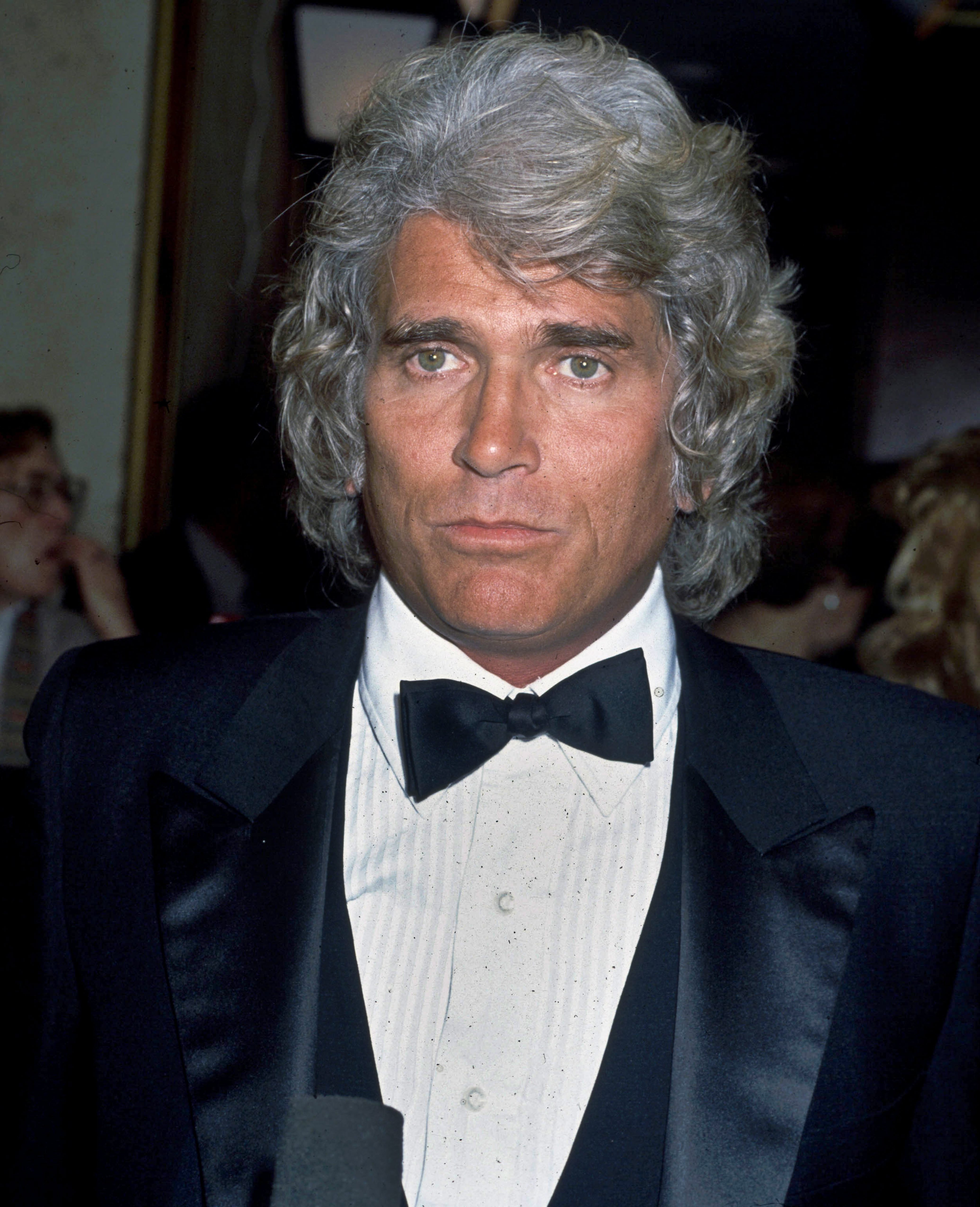
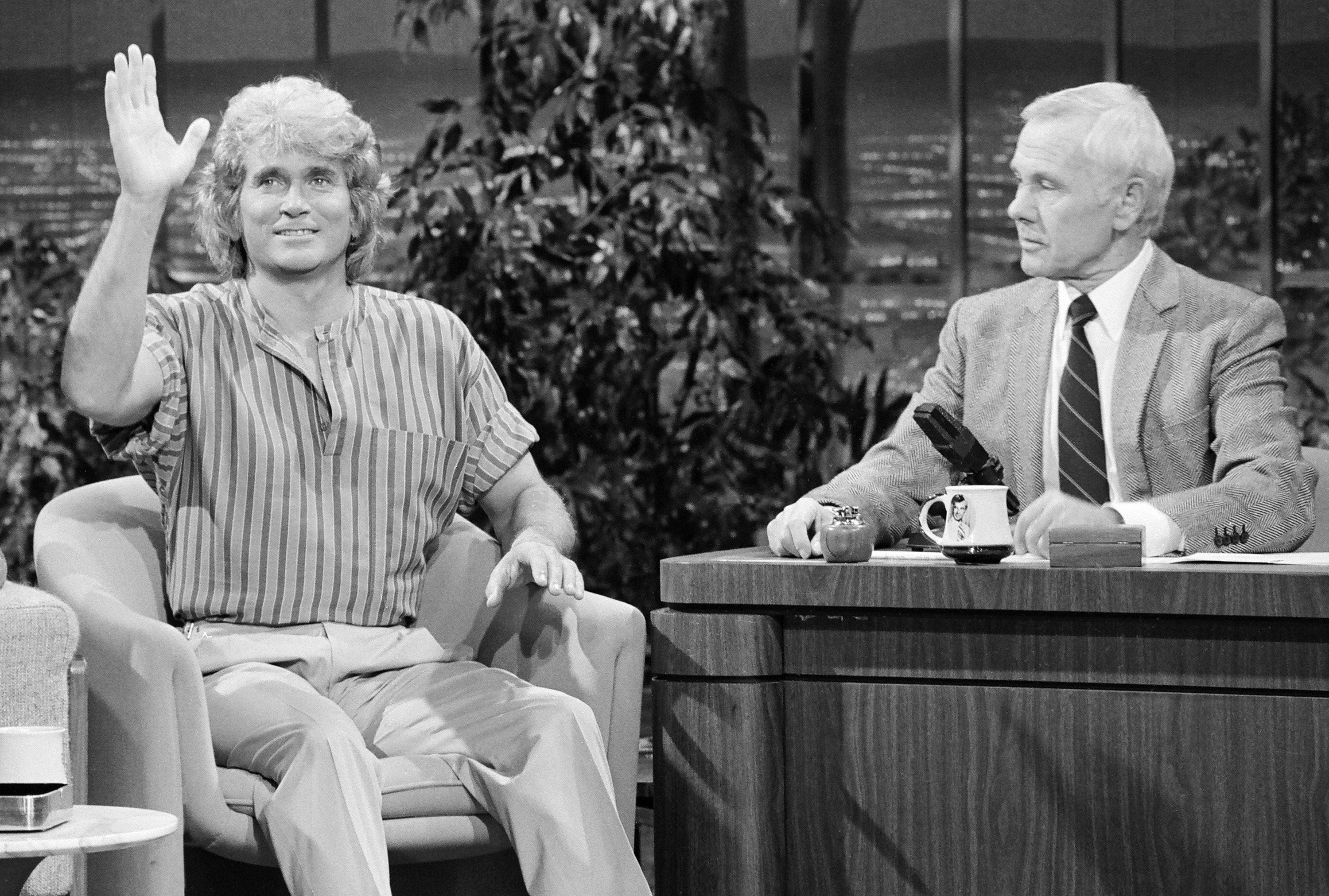
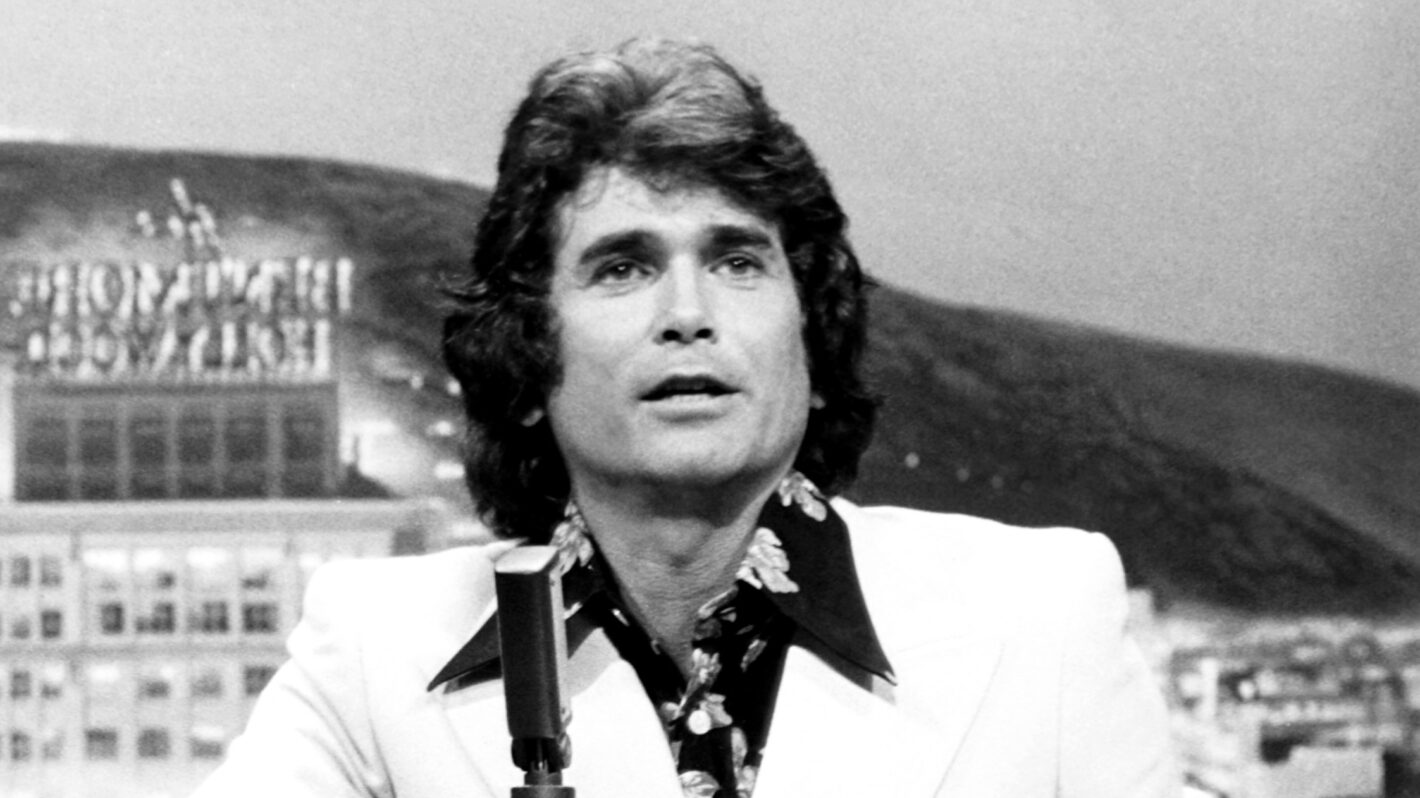
Michael Landon made his final public television appearance on May 9, 1991, as a guest on The Tonight Show Starring Johnny Carson. Appearing just weeks after his diagnosis of terminal pancreatic and liver cancer, Landon utilized the interview to address his health with courage and humor. He passed away shortly after on July 1, 1991.
The Context of 1991: A Sudden Turn of Events
In early 1991, Michael Landon remained one of the most beloved figures in American television. Known for his iconic roles as Little Joe Cartwright in Bonanza, Charles Ingalls in Little House on the Prairie, and Jonathan Smith in Highway to Heaven, Landon was a symbol of wholesome family values and resilience. By the spring of 1991, he was actively working on a new project titled Us, a pilot for a series he hoped would be his next big success.
The shift began in late March 1991, when Landon began experiencing severe abdominal pain during a skiing vacation in Utah. Initially, the actor dismissed the discomfort, but upon returning to California, the symptoms persisted and intensified. On April 5, 1991, he underwent medical tests that revealed the devastating reality: he had a large, inoperable tumor on his pancreas and several smaller tumors on his liver.
The diagnosis was made public on April 8, 1991. In an era before the instant connectivity of social media, Landon chose to hold a press conference at his Malibu home. He wanted to get ahead of the tabloid rumors and tell his fans the truth in his own words. This set the stage for his final public appearance, which remains a landmark moment in television history.
The Final Appearance: The Tonight Show Starring Johnny Carson
On May 9, 1991, Michael Landon walked onto the stage of The Tonight Show. The audience gave him a sustained standing ovation that lasted nearly two minutes. It was a poignant moment; Johnny Carson and Michael Landon were close friends off-camera, and the genuine affection between them was palpable from the start.
The Interview Atmosphere
Despite the gravity of his diagnosis, Landon appeared on set with his trademark infectious energy. He was visibly thinner than he had been during the filming of the Us pilot just months earlier, but his spirit seemed unbroken. He chose to wear a simple, casual outfit—a light-colored jacket and slacks—and his famous thick mane of hair was still intact, a detail he joked about during the segment.
Landon’s objective for the night was clear: he wanted to show the world that he wasn't "giving up." He spoke candidly about the physiological changes he was experiencing, yet he peppered the conversation with the irreverent, sometimes ribald humor for which he was known among his colleagues.
Addressing the Tabloids
One of the most memorable segments of the interview involved Landon’s critique of the tabloid press. He specifically called out publications that had claimed he was "trying to have a tenth child" to leave a legacy or that his wife, Cindy, was "already shopping for a widow's weeds." Landon used the platform to debunk these stories, asserting his dignity and protecting his family’s privacy while simultaneously making the audience laugh at the absurdity of the rumors.
Humor in the Face of Adversity
Landon shared anecdotes about his "radical" health regimen, which at the time included massive quantities of carrot juice and coffee enemas. He joked with Carson about turning "orange" from the beta-carotene, a lighthearted take on a desperate situation that endeared him even further to the public. By laughing at the indignities of his treatment, Landon humanized the experience of terminal illness for millions of viewers.
The Filmed Legacy: The Pilot Episode of "Us"
While The Tonight Show was his last live/public appearance, Landon’s final professional work was the pilot for the television movie Us. Filmed in early 1991 before his health spiraled, the project was intended to be a series about a man released from prison after being wrongly convicted for 18 years, who then attempts to rebuild his life and reconnect with his son.
The pilot aired on CBS on September 20, 1991, nearly three months after Landon's death. Watching the performance, fans noted the irony and sadness of Landon’s character discussing "starting over" and "having time." The pilot served as a bittersweet postscript to his career, demonstrating that even in his final months, his creative output was focused on themes of redemption, family, and the human spirit.
Timeline of Michael Landon’s Final Months
The following table outlines the rapid progression of events from the onset of Landon’s symptoms to the airing of his final project.
| Date | Event | Significance |
|---|---|---|
| March 1991 | Onset of abdominal pain | Occurred during a vacation; Landon initially ignored the symptoms. |
| April 5, 1991 | Comprehensive medical testing | Revealed advanced pancreatic and liver cancer. |
| April 8, 1991 | Public announcement | Landon disclosed his terminal diagnosis from his Malibu ranch. |
| May 9, 1991 | The Tonight Show Appearance | Landon’s final public interview with Johnny Carson. |
| May/June 1991 | Seclusion at Malibu | Landon spent his final weeks with his family, away from the cameras. |
| July 1, 1991 | Passing | Michael Landon died at the age of 54. |
| Sept 20, 1991 | Airing of Us | Posthumous broadcast of Landon’s final acting and directing project. |
The Impact of Pancreatic Cancer in 1991
To understand the weight of Landon’s 1991 appearance, one must consider the medical landscape of that era. In 1991, pancreatic cancer was—and largely remains—one of the most aggressive and difficult-to-treat forms of cancer.
Treatment Limitations
In the early 1990s, options for Landon were extremely limited. The tumors were inoperable due to their size and the involvement of the liver. Chemotherapy protocols at the time offered very low success rates for advanced pancreatic cases. This reality is why Landon explored alternative therapies, such as the Gerson Therapy (the source of his carrot juice and enema jokes on Carson).
Public Awareness
Landon’s decision to go public was a watershed moment for cancer awareness. At the time, terminal illness was often whispered about or hidden from view. By appearing on a major late-night show and discussing his "gut" and his "bowels" with humor, he broke a significant social taboo. According to the American Cancer Society, high-profile disclosures like Landon’s often lead to a measurable increase in public awareness and funding for research into specific diseases.
The Final Days at the Malibu Ranch
Following the May 9 appearance, Landon’s health declined rapidly. He retreated to his 10-acre ranch in Malibu to spend his remaining time with his wife, Cindy, and his nine children. He reportedly spent those weeks preparing his family for life without him, ensuring that his affairs were in order and that he had meaningful final conversations with each of his children.
His death on July 1, 1991, was met with an outpouring of grief worldwide. His funeral, held at Hillside Memorial Park, was attended by a "who’s who" of Hollywood, including his former co-stars and even former President Ronald Reagan and Nancy Reagan. The eulogies focused not just on his talent as an actor and director, but on his refusal to let his final appearance be one of defeat.
Technical Analysis of His Final Performance
Critics and historians often analyze Landon’s final appearance on The Tonight Show as a masterclass in "performance as defiance." Throughout his career, Landon had complete control over his image—he wrote, directed, and produced much of his own work. His appearance with Carson was, in many ways, his final "production."
- Visual Framing: Landon appeared vibrant. He was tanned and maintained his signature hairstyle, which projected a "healthy" image despite the internal reality.
- Narrative Control: He steered the conversation away from pity. Whenever Carson attempted to offer a somber moment, Landon countered it with a joke, maintaining the role of the "hero" rather than the "victim."
- Audience Connection: He spoke directly to the viewers, thanking them for the thousands of letters he had received. This reinforced the parasocial bond he had built over 30 years of television.
Frequently Asked Questions
What did Michael Landon say about his cancer on Johnny Carson?
Landon emphasized that he was fighting the disease with everything he had. He famously told Carson, "I’m not the kind of person who gives up without a fight." He also joked extensively about the "carrot juice diet" he was on, claiming he was turning orange from the inside out. He used humor to demystify the frightening nature of a terminal diagnosis.
How much weight did Michael Landon lose before his final appearance?
While the exact number was not publicly released during the interview, Landon was visibly much thinner than his usual athletic frame. Friends and family later noted that the cancer caused rapid weight loss and muscle wasting, a condition known as cachexia, which is common in advanced pancreatic cancer patients.
Did Michael Landon know he was dying during the Carson interview?
Yes, Landon was fully aware that his condition was terminal and that medical science offered very little hope for recovery. His appearance was intentionally designed as a "farewell" to his fans while maintaining a facade of hope and strength to encourage others facing similar battles.
Why is the 1991 Carson interview considered so famous?
It is considered one of the most moving moments in television history because of the raw honesty displayed by a major star. It was rare at the time for a celebrity to be so open about the physical and emotional toll of a terminal illness. The genuine friendship between Landon and Carson added an extra layer of poignancy that resonated with millions of viewers.
What happened to the show "Us" that Landon was filming?
Us was intended to be a new weekly series on CBS. After Landon's diagnosis, production was halted. The footage that had already been completed was edited into a two-hour television movie. It aired in September 1991 as a tribute to Landon’s career, but because of his passing, the series never moved forward.
Practical Recommendation for Fans and Researchers
For those looking to understand the full scope of Michael Landon’s final year, viewing the May 9, 1991, interview on The Tonight Show is essential. It provides a primary-source look at Landon’s character and resilience. Many archives and official "Best of Carson" collections feature this segment due to its historical significance. Additionally, researching the 1991 press conferences he held can provide further insight into how he navigated the intersection of celebrity and mortality.
To honor Landon's legacy, many fans continue to support the Pancreatic Cancer Action Network, which works toward the early detection and treatment options that were unavailable during Landon's final months in 1991.