For a 28-year-old, the single most important fact about life insurance cost is that rates are currently at some of the most affordable levels you will see in your adult life, often allowing you to secure a robust 20- or 30-year term policy for less than the cost of a monthly streaming subscription. Because health risks generally compound with age, locking in a policy at age 28 leverages your youth and statistical longevity to secure low, fixed premiums that remain level for decades.
Navigating the financial decisions of early adulthood often involves balancing immediate expenses like student loans, housing, and career development against long-term security. While life insurance may not seem like an urgent purchase when you are 28 and healthy, this specific stage of life offers a unique financial window. Understanding how underwriting works, what factors dictate your monthly premium, and how to choose the right structure can save you thousands of dollars over the lifetime of a policy.
Why Age 28 Is a Strategic Financial Window for Life Insurance
At age 28, most individuals sit comfortably within a demographic that life insurance companies view as low risk. Biologically, the human body is typically at peak physical health, free from many of the chronic health conditions that begin to emerge in a person's late thirties and forties. Insurance underwriters look at statistical mortality tables, and a 28-year-old statistically has decades of life ahead, which translates to a lower probability of an insurer having to pay out a death benefit in the near term.
This statistical advantage translates directly into pricing power for the consumer. When you buy a term life insurance policy at 28, the premium you lock in on day one is guaranteed to stay the same for the entire duration of the term, whether that term is 10, 20, or 30 years. If you wait until you are 38 or 48 to purchase the same amount of coverage, your baseline rate will be noticeably higher simply due to your advancing age, even if you remain in pristine health.
Furthermore, buying early protects you against future unpredicted health changes. Diagnoses such as high blood pressure, high cholesterol, or minor autoimmune issues frequently develop as people age. If you secure a policy at 28 while you are clean-billed, those future medical developments will not cause your existing rates to increase or jeopardize your insurability.
Term Life Insurance vs. Whole Life Insurance at Age 28
When evaluating life insurance costs, understanding the fundamental difference between term and permanent (whole) life insurance is essential. Each product serves a distinct financial purpose and carries vastly different price tags.
Term Life Insurance
Term life insurance provides coverage for a specific period, such as 10, 20, or 30 years. If the insured passes away during that term, the beneficiaries receive the tax-free death benefit. If the term expires and the policyholder is still alive, the coverage ends without payout (unless structured with a return-of-premium rider).
- Cost Profile: Extremely economical. A healthy 28-year-old can often secure a $500,000, 20-year term policy for roughly $20 to $30 per month.
- Best For: Income replacement, paying off mortgages, and protecting dependents during peak financial obligation years.
Whole Life Insurance
Whole life insurance is a type of permanent life insurance that provides coverage for the entirety of the policyholder's life, provided premiums are paid. It also includes a cash value component that grows at a guaranteed rate and can be borrowed against.
- Cost Profile: Substantially more expensive. The same $500,000 in coverage under a whole life policy could easily cost $350 to $500+ per month for a 28-year-old.
- Best For: High-net-worth estate planning, lifelong dependents with special needs, or individuals who have maxed out traditional retirement accounts and want an alternative tax-advantaged asset.
| Feature | Term Life Insurance | Whole Life Insurance |
|---|---|---|
| Duration | Fixed period (10, 20, 30 years) | Entire lifetime of the insured |
| Monthly Cost for 28-Year-Old | Low ($20 – $40 for $500k) | High ($300 – $500+ for $500k) |
| Cash Value Growth | None | Yes, guaranteed cash value accumulation |
| Primary Objective | Temporary income replacement | Permanent estate or wealth planning |
| Complexity | Simple and straightforward | Complex with investment features |
Factors That Determine Your Exact Premium at 28
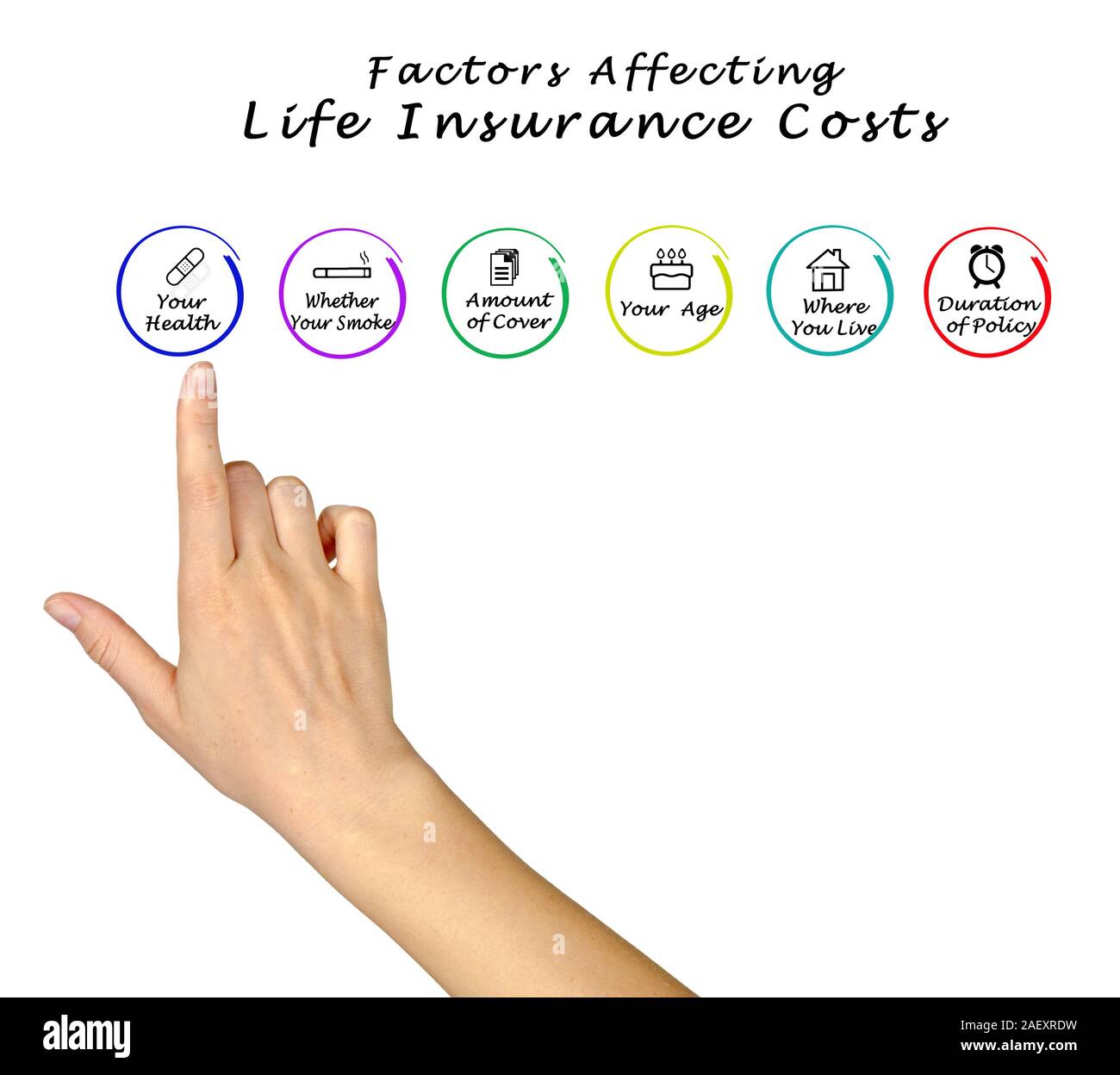
While being 28 provides a strong baseline discount, insurers do not rely on age alone. Every application undergoes a rigorous underwriting process to evaluate individual risk profiles. Several key variables will dictate your final quoted rate.
Tobacco and Nicotine Use
Nothing impacts a 28-year-old's life insurance quote quite like tobacco use. Smokers, cigarette users, and even frequent users of cigars, vaping devices, or nicotine replacement therapy can expect to pay anywhere from two to three times more for the exact same coverage as a non-smoker. Insurers view nicotine as a major risk multiplier for chronic illnesses.
Health History and Family Medical Background
Underwriters evaluate your personal medical history, including past surgeries, current prescriptions, and height-to-weight ratios (BMI). Additionally, family medical history plays a role: if your parents or siblings experienced heart disease or cancer at an early age, it may influence your underwriting category, shifting you from a "Preferred Plus" rating to a standard rating.
Lifestyle and Occupational Hazards
If your profession or hobbies involve high-risk activities—such as commercial aviation, skydiving, rock climbing, or scuba diving—insurers may add a flat extra fee to your monthly premium or exclude those activities from coverage. Conversely, a desk job or standard remote work environment poses no such obstacles.
Coverage Amount and Term Length
The face value of the policy (the death benefit) and how long you need the policy to last directly scale your costs. A 30-year term will cost more than a 10-year term because the insurer is taking on risk for a longer window. Similarly, a $1,000,000 policy will cost roughly double a $500,000 policy.
Estimating Costs: What a 28-Year-Old Can Expect to Pay
To ground these concepts in reality, looking at average industry pricing provides a clear picture of affordability. For a healthy 28-year-old non-smoker meeting standard underwriting criteria, estimated monthly premiums for a 20-year term policy typically fall into the following ranges:
- $250,000 Death Benefit: $15 to $22 per month
- $500,000 Death Benefit: $22 to $35 per month
- $1,000,000 Death Benefit: $38 to $60 per month
For comparison, a whole life policy for the same individual starting at a $500,000 death benefit will routinely start north of $350 per month. Financial professionals generally advise young adults to focus on term policies unless they have complex estate tax considerations or specialized long-term financial needs that require permanent insurance.
Common Mistakes 28-Year-Olds Make When Buying Life Insurance
Navigating the insurance market for the first time can lead to missteps that either cost unnecessary money or leave a family underprotected. Avoiding these pitfalls ensures you maximize your purchasing power.
Relying Solely on Employer-Provided Group Life Insurance
Many corporations offer complimentary life insurance, usually equal to one or two times your annual salary. While this is a wonderful employment perk, it comes with major limitations. Group policies are almost never portable, meaning if you leave the company or get laid off, your coverage disappears. Furthermore, the coverage amount is rarely enough to protect a growing family or cover substantial debts like mortgages and private student loans.
Waiting for a Major Life Event
Many young adults postpone purchasing a policy until they buy a home or have their first child. While these events certainly increase the need for coverage, waiting for them means you are older, and your rates will have naturally ticked upward. Buying a policy at 28 while single or newly married locks in a lower rate before future health anomalies or life milestones arrive.
Underestimating the Necessary Coverage Amount
A common rule of thumb is buying a policy worth 10 times your annual salary, but this should be tailored to your exact situation. Failing to account for future financial obligations—such as childcare costs, inflation, or supporting a partner—can leave beneficiaries vulnerable. Calculate your total liabilities and ongoing income needs carefully before selecting a face value.
Frequently Asked Questions
Do I need a medical exam to buy life insurance at 28?
Not necessarily. While traditional policies require a paramedical exam (blood and urine draw, blood pressure check), many insurers now offer "accelerated underwriting" for healthy applicants. If your digital health records and application data pass automated checks, you may qualify for coverage with no medical exam required.
Can my life insurance rates go up after I buy the policy?
If you purchase a guaranteed level-term life insurance policy, your premium cannot increase for the duration of the term. The insurance company cannot raise your rates due to aging, developing health conditions, or changing hobbies once the contract is executed.
What happens at the end of a 28-year-old’s 20-year term policy?
When a 20-year term policy expires at age 48, your coverage ends, and premium payments stop. At that point, most people no longer need the coverage because their children are grown and mortgages are paid down. If you still need coverage, most policies feature a "conversion privilege" allowing you to transition to a permanent policy without taking a new medical exam.
Is life insurance at 28 considered a financial investment?
Term life insurance is purely a risk-management tool designed to protect dependents, not an investment vehicle. While permanent policies like whole life accumulate cash value, the internal rate of return is typically lower than what standard retirement accounts like a 401(k) or Roth IRA yield. Financial advisors generally recommend prioritizing retirement vehicles before considering permanent life insurance for investment purposes.
Next Steps and Actionable Recommendations
If you are 28 and ready to secure your financial future, start by auditing your current financial liabilities, including debts, income replacement needs, and future family goals. Obtain multiple quotes from reputable, highly-rated insurance carriers to compare pricing structures. Because underwriting guidelines vary significantly from one company to another—especially regarding minor health quirks or family history—shopping the market ensures you secure the lowest possible locked-in rate for your specific profile.