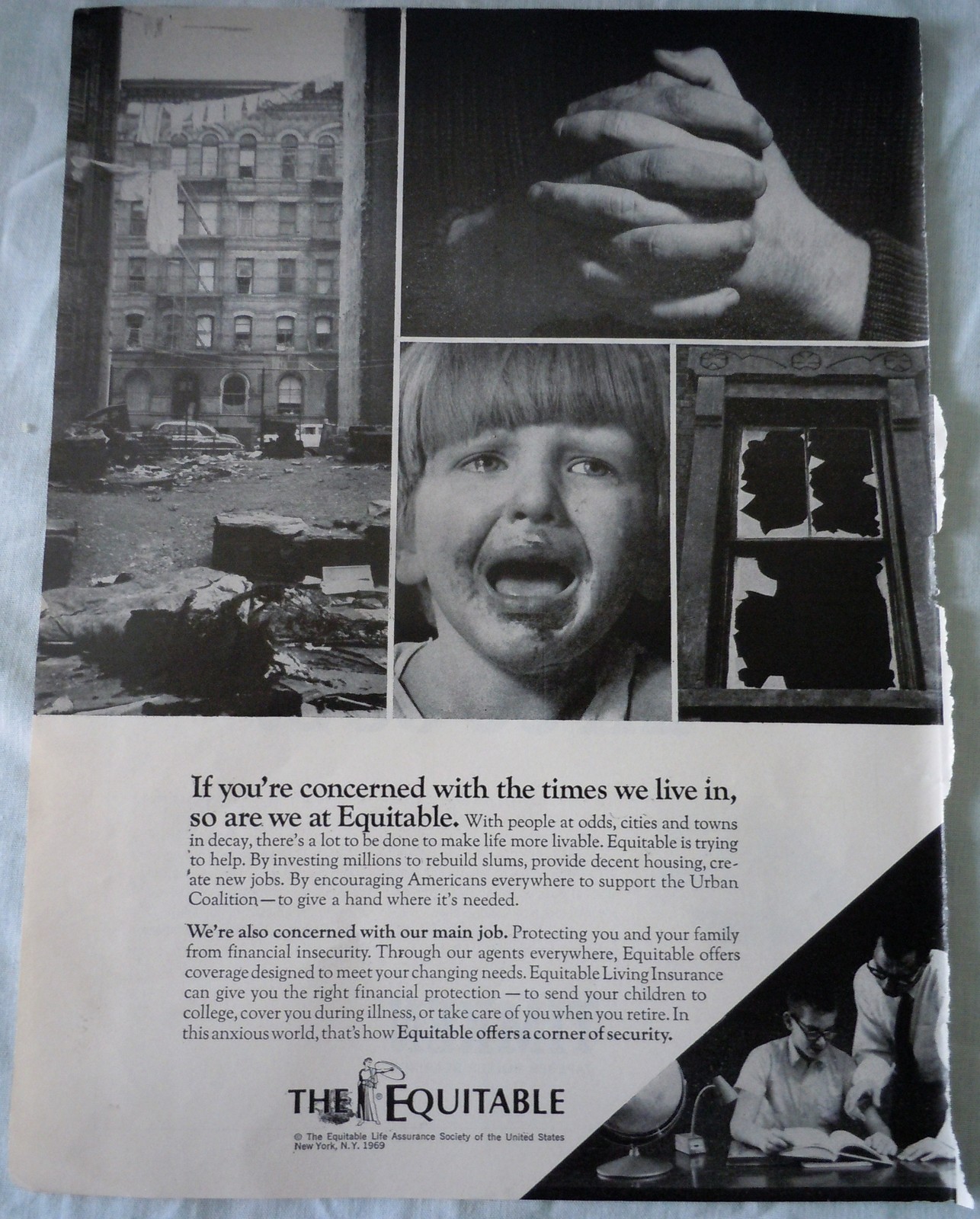
The Equitable Life Assurance Society, historically one of the oldest mutual life assurance offices in the United Kingdom, underwent a massive transformation and eventual wind-down following a pivotal 2000 House of Lords ruling regarding Guaranteed Annuity Options (GAOs). This crisis ultimately reshaped modern UK insurance regulation and consumer compensation frameworks.
The Historical Genesis and Mutual Structure of The Equitable Life
Founded in 1762, The Equitable Life Assurance Society holds a pioneering place in the history of financial services. It was the first life insurer to apply the principles of actuarial science to life assurance, utilizing premiums graduated by age rather than charging a flat fee for all policyholders regardless of life expectancy. As a mutual society, it operated without shareholders. Instead, every policyholder with a with-profits policy was a member, meaning that any surplus generated by the society’s investments and underwriting operations belonged directly to the members and was distributed as bonuses.
For centuries, this mutual model was celebrated for its alignment of interests between the management and the policyholders. Unlike proprietary (shareholder-owned) companies, Equitable Life did not need to divert capital toward dividend payments for external investors. This allowed the society to build a reputation for stability, conservative management, and steady long-term returns. Throughout the 19th and most of the 20th centuries, it grew into a prominent institution in the British financial landscape, attracting pension funds, individual savers, and professional associations seeking a secure harbor for their retirement savings.
However, the mutual structure also harbored specific vulnerabilities, particularly in an era of shifting macroeconomic conditions. Because with-profits policies blended investment returns with life insurance guarantees, the management of surplus assets versus long-term liabilities required delicate balancing. When high inflation and high interest rates of the 1970s and 1980s gave way to a lower-yield environment in the 1990s, the structural integrity of the society's long-term guarantees began to face unprecedented stress.
The Root of the Crisis: Guaranteed Annuity Options (GAOs)
The central catalyst for the collapse of Equitable Life involved a specific product feature: Guaranteed Annuity Options. During the high-interest-rate environment of the 1970s and 1980s, Equitable Life sold numerous pension policies that included options allowing policyholders to convert their accumulated fund value into an annuity at retirement based on predetermined, highly favorable conversion rates.
When interest rates plummeted in the 1990s, the market cost of purchasing an annuity rose dramatically. The guaranteed rates promised by Equitable Life were significantly higher than the prevailing market rates. Consequently, honoring these guarantees meant the society had to pay out substantially more to retiring policyholders than the market value of the assets supporting those policies.
The Actuarial and Financial Mismatch
- Asset-Liability Mismatch: The fund values generated by standard investments could not match the high payout obligations mandated by the GAOs.
- Terminal Bonus Discretion: To manage the shortfall, the society attempted to apportion the financial burden by reducing the terminal bonuses paid to policyholders who exercised their GAOs, compared to those who did not.
- Legal Challenge: Policyholders holding the GAOs argued that reducing their terminal bonuses violated the terms of their policies and the rules of the society. This led to a prolonged and bitter legal battle that culminated in the landmark 2000 House of Lords judgment.
The 2000 House of Lords Ruling and Immediate Aftermath
In July 2000, the House of Lords ruled unanimously against Equitable Life, finding that the society’s practice of overriding Guaranteed Annuity Options by paying lower terminal bonuses to GAO holders was unlawful. This judgment was a watershed moment in British financial history, instantly imposing an estimated liability of over £1.5 billion onto the society.
The immediate consequences were severe:
- Inability to Write New Business: Faced with a massive, unhedged liability and depleted capital reserves, Equitable Life closed its doors to new business almost immediately following the ruling.
- Regulatory Scrutiny: The crisis exposed severe shortcomings in the regulatory oversight provided by the UK Government’s Department of Trade and Industry (DTI) and later the Treasury and the Financial Services Authority (FSA).
- Run on the Fund: Panicked policyholders rushed to surrender their policies, triggering penalty exit fees designed to protect remaining members, which further inflamed public anger and trapped many savers in a declining fund.
Regulatory Failures and the Parliamentary Ombudsman Report
The fallout from the Equitable Life collapse triggered extensive official investigations. The most notable was conducted by the Parliamentary Ombudsman, Ann Abraham, whose 2008 report titled "Equitable Life: a decade of regulatory failure" delivered scathing criticism of public authorities.
The Ombudsman concluded that the regulatory bodies responsible for supervising insurance companies had failed to properly monitor Equitable Life's financial health, had provided misleading assurances to the public regarding the society's solvency, and had failed to enforce European Union insurance directives effectively. The report established that maladministration by public bodies had directly caused financial loss to hundreds of thousands of policyholders.
Key Findings of Regulatory Oversight Failures
- Failure to Warn: Regulators were aware of the risks posed by the GAOs as early as the late 1980s and early 1990s but failed to intervene decisively or warn policyholders.
- Misleading Returns: Annual returns filed by the society showed growing strain, yet regulators accepted them without demanding remedial recapitalization or restructuring.
- Consumer Detriment: Policyholders relied on the implicit seal of approval provided by state regulation, assuming their investments were secure.
Comparative Overview of the Equitable Life Crisis Eras
| Era / Phase | Operational Focus | Primary Financial Challenge | Regulatory Posture |
|---|---|---|---|
| Pre-1990s | Mutual life assurance, with-profits pensions, actuarial innovation | Managing standard market fluctuations and inflation cycles | Traditional prudential oversight, focus on solvency margins |
| 1990–2000 | Managing retirement portfolios against falling interest rates | Servicing high Guaranteed Annuity Options (GAOs) amidst low yields | Inadequate monitoring of asset-liability matching and risk exposure |
| 2000–2010 | Closure to new business, asset sales, legal stabilization | Implementing the House of Lords ruling and managing policyholder exits | Intensive investigation, Ombudsman inquiries, policy debate on compensation |
| 2010–2020+ | Scheme implementation, portfolio transfer to Utmost Life | Winding down legacy operations and securing policyholder buyouts | Oversight of asset transfers and final administrative closure |
The Government Compensation Scheme
Following the Parliamentary Ombudsman's findings and prolonged political campaigning by groups such as the Equitable Members Action Group (EMAG), the UK Government established the Equitable Life Payment Scheme in 2010.
While the Ombudsman recommended full compensation for the losses attributable to regulatory failure, successive governments argued that the state could not bear the entire burden. The resulting scheme allocated approximately £1.5 billion in ex-gratia payments to policyholders who had suffered relative losses. However, critics and policyholder representatives noted that this figure covered only a fraction of the total actual losses sustained by individuals, many of whom saw their retirement incomes severely reduced.
Resolution and Legacy: The Sale to Utmost Life and Pensions
As the society wound down its remaining business over the subsequent decades, the leadership sought a permanent solution to secure the long-term interests of the remaining with-profits policyholders. In 2018, Equitable Life announced a monumental agreement to transfer its entire business and policyholder funds to Utmost Life and Pensions.
The transaction, completed following High Court approval and a policyholder vote in late 2019, involved:
- Conversion of With-Profits: Remaining with-profits policies were converted into unit-linked or alternative non-profit arrangements managed by Utmost.
- Capital Distribution: Reorganization of the remaining asset surplus to provide policyholders with a one-off uplift in their fund values upon transfer.
- End of an Era: The formal cessation of Equitable Life as an independent operating entity, concluding over 250 years of mutual history.
Frequently Asked Questions
What was the main cause of the Equitable Life collapse?
The primary cause was the 2000 House of Lords ruling that prohibited the society from reducing terminal bonuses for policyholders exercising Guaranteed Annuity Options (GAOs). This created a multi-billion-pound financial deficit during a period of low interest rates.
Are current policyholders of Equitable Life still at risk?
No. In 2020, Equitable Life completed the transfer of all its policies and funds to Utmost Life and Pensions. Existing policies are now managed under Utmost's governance, and the legacy liabilities have been restructured.
Did the UK government compensate Equitable Life victims?
Yes. The government established the Equitable Life Payment Scheme, which distributed approximately £1.5 billion in ex-gratia payments to compensate policyholders for losses attributed to regulatory failure, though this did not cover 100% of calculated losses.
How did the crisis change UK financial regulation?
The collapse exposed severe flaws in the supervision of insurance companies, directly contributing to the overhaul of UK financial services regulation, the eventual dissolution of the Financial Services Authority (FSA), and the establishment of the Prudential Regulation Authority (PRA) and the Financial Conduct Authority (FCA).
Can I still buy an Equitable Life policy?
No. Equitable Life closed to new business in July 2000 following the House of Lords ruling and has since ceased to exist as an independent trading entity following its transfer to Utmost Life and Pensions.
Practical Next Actions for Legacy Policyholders
Individuals who held policies with Equitable Life that were subsequently transferred to Utmost Life and Pensions should ensure their contact details and beneficiary nominations are up to date directly with Utmost. For those who believe they were eligible for historical compensation payments under the Equitable Life Payment Scheme, the formal administrative windows have largely closed, but inquiries regarding transferred policies should be directed to the Utmost customer service portal. Policyholders seeking independent verification of their current fund values should consult their annual policy statements or financial advisers regulated by the Financial Conduct Authority (FCA).