While stage 4 prostate cancer is generally considered incurable with standard localized therapies, modern oncology offers advanced systemic treatments that can achieve long-term remission, significantly prolong life, and maintain a high quality of life for many patients.
Introduction to Advanced Prostate Malignancies
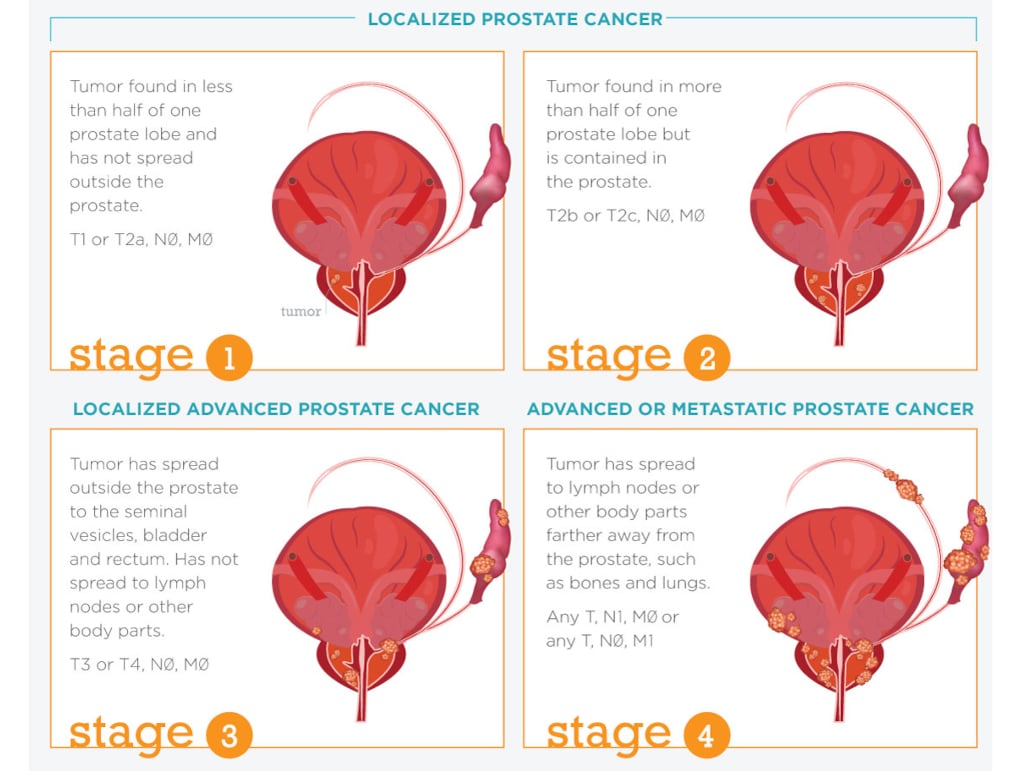
Navigating a diagnosis of stage 4 prostate cancer involves understanding complex medical terminology, survival statistics, and evolving treatment paradigms. Historically, stage 4—also known as metastatic or advanced prostate cancer—meant that malignant cells had migrated from the prostate gland to distant parts of the body, most commonly the bones and nearby lymph nodes, though it can also affect organs such as the liver or lungs.
When addressing the concept of "curing" stage 4 prostate cancer, medical professionals draw a sharp distinction between a complete cure (the total eradication of the disease with no chance of recurrence) and long-term disease control or clinical remission. For the vast majority of patients diagnosed at this advanced stage, the primary objective is transforming a rapidly progressing terminal illness into a manageable, chronic condition. However, breakthroughs in targeted therapies, immunotherapy, and precision medicine mean that long-term survival is increasingly attainable, with some patients achieving deep, durable remissions that last for years or even decades.
Defining Stage 4 Prostate Cancer and Metastasis
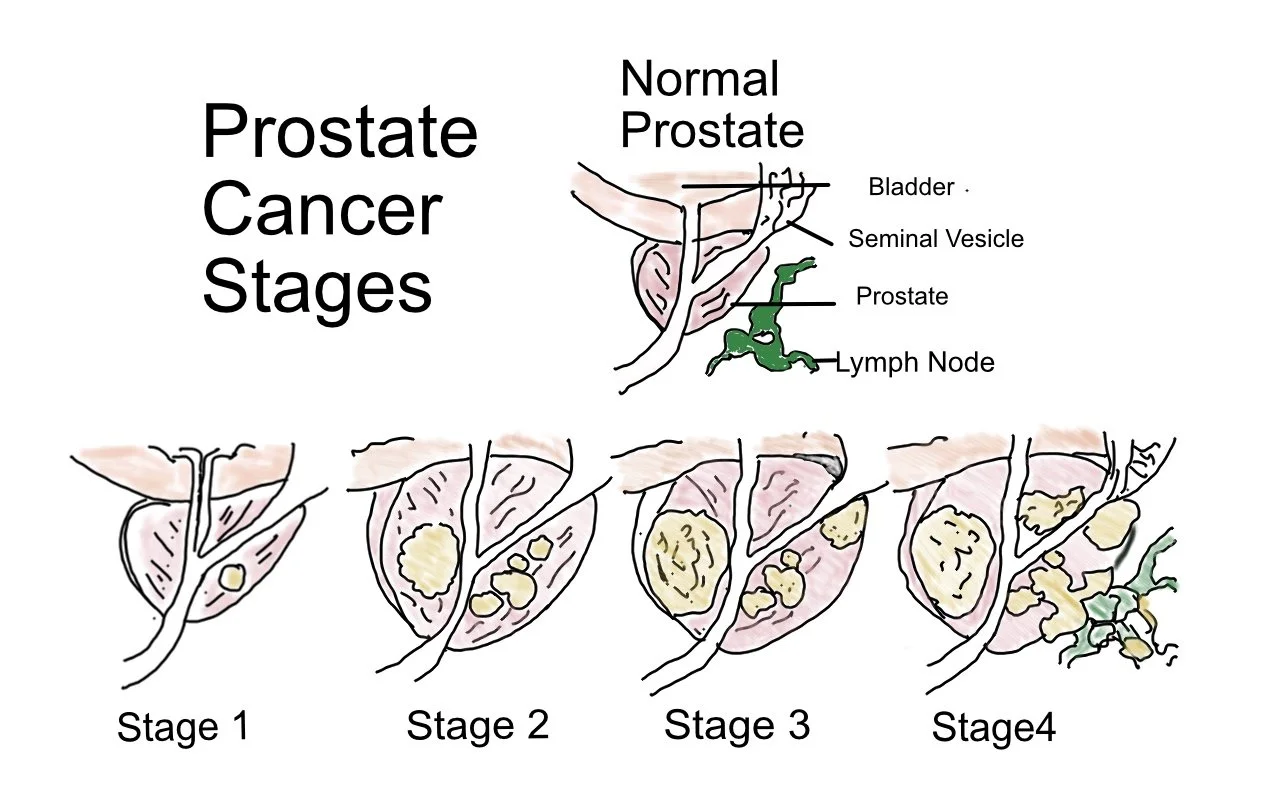
To understand why a traditional "cure" is statistically rare, it is necessary to examine how prostate cancer spreads and how it is staged. Stage 4 is divided into two primary sub-categories: Stage 4A, where the cancer has spread to regional lymph nodes outside the pelvis, and Stage 4B, where the cancer has metastasized to more distant lymph nodes, bones, or other visceral organs.
When cancer cells break away from the primary tumor in the prostate, they travel through the bloodstream or lymphatic system. Because prostate cancer has a strong affinity for bone tissue, bone metastases are the most frequent manifestation of stage 4 disease. These lesions can cause significant clinical complications, including bone pain, pathological fractures, spinal cord compression, and hypercalcemia. Consequently, managing stage 4 prostate cancer requires a multidisciplinary approach that addresses both the systemic spread of the cancer and the localized skeletal complications.
The Paradigm Shift: From Palliative Care to Disease Control
In past decades, treatment for stage 4 prostate cancer was almost exclusively palliative, focused on relieving symptoms rather than altering the fundamental trajectory of the disease. Today, the management framework has evolved dramatically. Oncologists utilize aggressive multi-modality therapies upfront to target the microscopic and macroscopic disease burden simultaneously.
The foundational treatment for metastatic prostate cancer remains Androgen Deprivation Therapy (ADT). Because prostate cancer cell growth is heavily fueled by androgens (male hormones such as testosterone), lowering testosterone levels can starve the cancer cells, causing them to shrink or stop growing. While ADT was once used alone, contemporary clinical guidelines strongly recommend combining ADT with newer agents—such as second-generation anti-androgens or chemotherapy—at the very outset of a stage 4 diagnosis. This intensified approach, known as combination therapy, has been clinically proven to significantly extend overall survival and delay disease progression compared to ADT alone.
Modern Treatment Modalities for Advanced Disease
Treating stage 4 prostate cancer requires a sophisticated arsenal of therapies tailored to the specific genetic and molecular profile of the tumor.
Androgen Deprivation Therapy and Advanced Blockade
ADT utilizes medications (gonadotropin-releasing hormone agonists or antagonists) or surgical castration (orchiectomy) to suppress testosterone production. To counteract the ability of cancer cells to adapt and produce their own androgens, physicians pair ADT with advanced oral medications such as abiraterone acetate, enzalutamide, apalutamide, or darolutamide. These drugs block androgen receptors or inhibit androgen synthesis more completely than traditional therapies.
Chemotherapy
For patients with high-volume or aggressive metastatic disease, chemotherapy drugs such as docetaxel or cabazitaxel are often administered in conjunction with ADT. Chemotherapy works by destroying rapidly dividing cells throughout the body and can rapidly reduce tumor burden and alleviate severe symptoms.
Radiopharmaceutical and Targeted Therapies
Targeted radionuclide therapy represents one of the most exciting frontiers in prostate cancer treatment. Drugs like lutetium Lu 177 vipivotide tetraxetan (Pluvicto) target prostate-specific membrane antigen (PSMA), a protein that is heavily expressed on the surface of most prostate cancer cells. This radioactive ligand binds directly to the cancer cells, delivering localized radiation that destroys the tumor while minimizing damage to surrounding healthy tissue. Additionally, PARP (poly ADP-ribose polymerase) inhibitors are utilized for patients whose tumors harbor specific genetic mutations, such as BRCA1 or BRCA2 alterations, disrupting the cancer cells' ability to repair their own DNA.
Comparative Overview of Stage 4 Treatment Options
| Treatment Category | Primary Mechanism | Typical Clinical Use Case | Potential Benefits |
|---|---|---|---|
| Androgen Deprivation Therapy (ADT) | Suppresses systemic testosterone production | Foundation of all stage 4 treatment regimens | Slows tumor growth, reduces pain, and induces initial remission |
| Second-Generation Anti-Androgens | Blocks androgen receptors or enzyme synthesis | Combined with ADT for metastatic hormone-sensitive disease | Delays disease progression and extends overall survival |
| Chemotherapy (Docetaxel/Cabazitaxel) | Destroys rapidly dividing cellular structures | High-volume metastatic disease or castration-resistant status | Rapidly reduces tumor burden and controls aggressive symptoms |
| Radioligand Therapy (PSMA-targeted) | Delivers localized radiation via molecular targeting | PSMA-positive metastatic castration-resistant prostate cancer | Targets systemic lesions with precision, improving progression-free survival |
| PARP Inhibitors | Inhibits DNA damage repair mechanisms | Tumors with specific genetic mutations (e.g., BRCA alterations) | Exploits cancer cell vulnerabilities for targeted cell death |
Understanding Prognosis and Survival Statistics
When patients ask about curing stage 4 prostate cancer, they are frequently searching for survival figures. It is vital to interpret statistical data with caution. Cancer statistics are derived from large populations of patients diagnosed years in the past and do not reflect the rapid introduction of newer, highly effective therapies currently available.
According to data compiled by major health institutions such as the American Cancer Society, the relative 5-year survival rate for prostate cancer that has metastasized is approximately 32%. However, this figure is a broad average that masks significant individual variability. A patient's personal prognosis depends heavily on several critical factors:
- Volume of Metastasis: Patients with "low-volume" metastatic disease (few lesions, primarily in the lymph nodes or distant bones) generally experience significantly longer survival times than those with "high-volume" disease (widespread skeletal involvement or visceral metastases in the liver or lungs).
- Performance Status: A patient's overall physical strength, fitness, and baseline health (often measured by ECOG or Karnofsky performance scales) directly impact their ability to tolerate aggressive combination therapies.
- Genetic and Molecular Profile: The presence of specific actionable mutations can open doors to precision therapies that yield exceptional responses. Comprehensive genomic profiling of tumor tissue is now a standard component of advanced diagnostic workups.
- Treatment Response: How rapidly and deeply the cancer responds to initial systemic therapy is one of the most reliable predictors of long-term outcomes.
Frequently Asked Questions
Can stage 4 prostate cancer ever go into complete remission?
Yes. While complete eradication of the disease is rare, many patients achieve clinical remission where imaging scans show no visible evidence of active cancer, and prostate-specific antigen (PSA) levels drop to undetectable ranges. This state can sometimes be maintained for many years through continuous maintenance therapy and diligent monitoring by an oncology team.
What is the difference between hormone-sensitive and castration-resistant stage 4 prostate cancer?
Hormone-sensitive (or castration-sensitive) prostate cancer still responds to treatments that lower testosterone levels. Castration-resistant prostate cancer (CRPC) refers to disease that continues to grow and spread even when testosterone levels are reduced to very low castration levels, requiring a transition to secondary systemic agents, chemotherapy, or clinical trials.
How often should PSA tests be conducted during stage 4 treatment?
PSA monitoring frequency is determined by the treating medical oncologist, typically occurring every one to three months depending on the stability of the disease, the specific medications being utilized, and the patient's overall clinical trajectory. PSA trends, alongside regular imaging studies such as bone scans and PSMA PET scans, help evaluate treatment efficacy.
Are clinical trials a viable option for stage 4 prostate cancer?
Clinical trials provide access to cutting-edge therapies—including novel immunotherapies, advanced radiopharmaceuticals, and combination drug regimens—that are not yet widely available in standard clinical practice. Oncologists frequently encourage eligible patients to explore clinical trials at specialized cancer centers, particularly if standard treatment lines have been exhausted.
Next Steps and Navigating Care
Receiving a stage 4 prostate cancer diagnosis demands a proactive, highly structured approach to healthcare management. Patients and their families should prioritize securing care from a multidisciplinary team at a dedicated comprehensive cancer center where medical oncologists, radiation oncologists, and urologists collaborate closely.
Securing a second opinion, requesting comprehensive genomic profiling of the tumor tissue, and discussing both immediate systemic therapies and potential clinical trial enrollments are essential steps. By shifting the focus from an elusive complete cure to achieving deep, prolonged remission and optimal quality of life, modern medicine enables many individuals with advanced prostate cancer to live meaningful, active lives for years following their diagnosis. Always consult a qualified medical professional for personalized diagnosis, prognosis, and treatment recommendations.