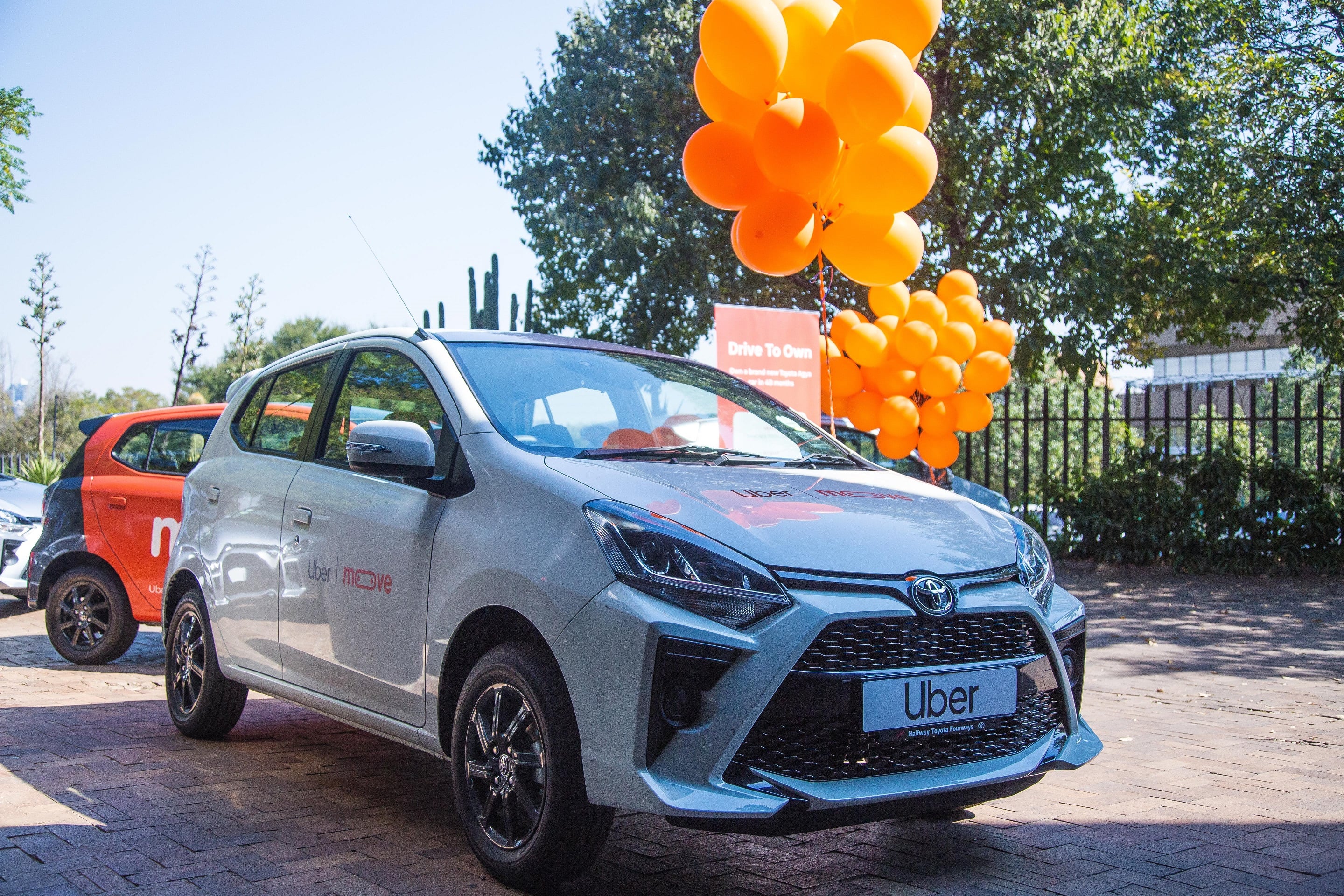
An Uber partner who supplies cars for drivers is known as a Fleet Partner. This entity, which can be an individual or a business, owns a fleet of vehicles and grants access to drivers who do not own a car or prefer not to use their own. In exchange, the partner and driver share the earnings generated from trips, managed through the Uber Fleet platform.
The gig economy has evolved significantly by 2026, transitioning from a model where every driver owned their vehicle to a more structured ecosystem involving professional fleet managers. For many, becoming an Uber Fleet Partner is a strategic investment that bridges the gap between capital owners and labor providers. This arrangement allows drivers to enter the workforce without the burden of vehicle ownership while allowing partners to generate a return on their automotive assets.
The Core Mechanism of the Uber Fleet Partnership
The relationship between an Uber Fleet Partner and a driver is a symbiotic one, governed by the Uber platform but dictated by private agreements between the two parties. At its heart, the partner acts as the "hardware" provider. They are responsible for the acquisition, registration, and maintenance of vehicles that meet Uber’s specific regional standards.
When a driver joins a fleet, they are essentially linked to the partner’s account. This linkage is performed via the Uber app, where the driver accepts an invitation from the fleet owner. Once the connection is established, the driver can log into their driver app, select a vehicle from the partner’s pool, and begin accepting trip requests.
The financial arrangement is the most critical component. In 2026, most fleet partners utilize the Automatic Pay Split feature. This technical integration allows Uber to automatically deduct the partner's share and the driver's share from every fare, depositing the respective amounts into their separate bank accounts. This reduces administrative friction and ensures transparency for both parties regarding earnings and Uber’s service fees.
The Uber Fleet App: Technical Management in 2026
To manage the complexities of multiple vehicles and drivers, Uber provides a dedicated interface known as the Uber Fleet App (or the Fleet Dashboard on desktop). This tool is the command center for the partner. It provides real-time data and historical analytics that are essential for maintaining a profitable operation.
Real-Time Tracking and Safety
The dashboard allows partners to see which vehicles are currently online, their approximate locations, and their trip status. This is not merely for oversight; it is a critical safety and logistical tool. If a vehicle breaks down or a driver encounters an issue, the partner can see the exact coordinates and dispatch assistance. Furthermore, integrated telematics can often report on driving behavior, such as harsh braking or rapid acceleration, allowing partners to coach drivers and preserve the longevity of their assets.
Financial Reporting and Efficiency
The app provides deep insights into "Online Hours" versus "Trip Hours." A partner can analyze which drivers are most efficient and which vehicles are generating the highest revenue. In 2026, these analytics have become more granular, offering heat maps of where fleet vehicles are most active, which helps partners advise their drivers on where to position themselves for maximum fare potential.
Eligibility and Vehicle Requirements for Partners
Becoming a Fleet Partner requires more than just owning a car. Uber maintains strict standards to ensure passenger safety and brand consistency. While specific requirements can vary by city and country, the following standards generally apply in 2026:
- Business Documentation: In many jurisdictions, fleet partners must operate as a registered business entity (such as an LLC or PLC). This provides a layer of legal protection and is often required for commercial insurance policies.
- Vehicle Age and Type: Vehicles typically must be 10-15 years old or newer, though many high-demand markets now mandate "Green" or Electric Vehicle (EV) fleets. Vehicles must have four doors and meet minimum seating requirements (usually 5 to 7 including the driver).
- Mechanical Inspections: Every vehicle in the fleet must pass an annual or bi-annual safety inspection conducted by an Uber-approved mechanic or a government facility.
- Background Checks: While the partner may not be driving, they are still subject to a background check in many regions to ensure they are fit to manage a business on the platform.
The Financial Landscape: Splits, Fees, and ROI
The profitability of supplying cars for Uber drivers depends on a clear understanding of the cost-to-revenue ratio. Fleet partners typically earn through a percentage-based split or a flat weekly rental fee.
Common Split Structures
- Percentage Split (e.g., 60/40): The driver keeps 60% of the net fare, and the partner keeps 40%. This model aligns the interests of both parties; if the driver earns more, the partner earns more.
- Flat Weekly Fee: The driver pays a fixed amount (e.g., $250 - $400) to the partner regardless of how much they earn. This provides the partner with stable, predictable income but places more risk on the driver.
Operating Expenses for the Partner
The partner is typically responsible for the "heavy lifting" regarding expenses. This includes:
- Commercial Insurance: Standard personal auto insurance does not cover ridesharing. Partners must carry commercial livery insurance, which is significantly more expensive but necessary for legal compliance.
- Maintenance and Wear-and-Tear: This includes oil changes, tire rotations, brake replacements, and unexpected mechanical failures.
- Depreciation: High-mileage driving rapidly reduces a vehicle's resale value. Successful partners calculate depreciation into their weekly overhead.
| Feature | Fleet Partner Model | Traditional Rental (e.g., Hertz/Avis) |
|---|---|---|
| Contract Flexibility | Often high; negotiated between owner and driver. | Low; rigid daily/weekly rates and terms. |
| Vehicle Variety | Varies; can include specialized or luxury vehicles. | Limited to specific rental-class fleets. |
| Insurance | Handled by the partner (Commercial). | Included in the rental fee (Loss Damage Waiver). |
| Earnings Split | Can be percentage-based or flat fee. | Strictly flat rental fee. |
| Support | Personal relationship with the owner. | Corporate customer service. |
Operational Responsibilities and Best Practices
Supplying cars for drivers is a logistics business. To remain competitive in 2026, partners must focus on operational excellence.
Maintenance Schedules
Proactive maintenance is cheaper than reactive repairs. The most successful partners use fleet management software to track mileage and trigger alerts for servicing. Since Uber vehicles can easily cover 1,000 miles per week, a delay in an oil change or tire inspection can lead to a catastrophic failure that takes the vehicle off the road, resulting in zero revenue for both the partner and the driver.
Driver Recruitment and Retention
The "human" element is often the most challenging part of being a fleet partner. High driver turnover (churn) is expensive. Partners who supply cars should vet their drivers carefully, looking for those with high ratings and a history of responsible driving. Providing well-maintained, clean vehicles and offering incentives (such as a bonus for maintaining a 4.9-star rating) can help retain top-tier drivers.
Legal and Tax Compliance
Fleet partners are responsible for ensuring that all vehicles have the correct permits for their operating area. This may include "T&LC" plates in New York City or specific municipal licenses in European markets. From a tax perspective, partners can usually deduct the cost of vehicle depreciation, insurance premiums, and maintenance from their gross income, which is a significant advantage of the business model.
Challenges and Risks in the Fleet Model
While the potential for passive income is attractive, supplying cars for drivers involves significant risks.
- Liability: Even with insurance, a partner may face legal challenges if a driver is involved in a serious accident. Ensuring that the driver is properly added to the commercial policy is non-negotiable.
- Regulatory Changes: Cities frequently change their rules regarding ridesharing. A sudden mandate for all-electric vehicles or a cap on the number of rideshare licenses can disrupt a fleet partner's business model overnight.
- Vehicle Downtime: A car that is not on the road is a liability. Accidents, long repair times at the mechanic, or a driver quitting without notice can lead to weeks of lost income while the partner continues to pay for insurance and car loans.
Transitioning to Electric Vehicles (EVs) in 2026
By 2026, the shift toward electric vehicles has become a primary focus for Uber and its partners. In many major metropolitan areas, Uber has committed to becoming a zero-emission platform. For fleet partners, this means transitioning their inventory.
While the upfront cost of an EV is higher, the operational costs are lower. There are fewer moving parts to break, and the "fuel" (electricity) cost per mile is usually lower than gasoline. Partners who supply EV cars often find they can attract more drivers because the drivers save significantly on fuel costs, making the fleet more competitive. Furthermore, Uber often provides "Green" incentives or higher per-trip payouts for zero-emission vehicles, which can be shared between the partner and the driver.
Frequently Asked Questions
1. Who pays for gas/electricity in a fleet arrangement?
In almost all cases, the driver is responsible for the cost of fuel or charging. The fleet partner provides the vehicle and the insurance, but the daily operating costs like gas, tolls, and cleaning are typically the driver's responsibility. This incentivizes drivers to drive efficiently.
2. Can a Fleet Partner also be a driver?
Yes. Many partners start as "Owner-Operators" with a single vehicle. Once they save enough capital, they purchase a second vehicle and hire a driver for it, effectively becoming a Fleet Partner while still driving their original car.
3. What happens if a driver gets into an accident?
The Fleet Partner’s commercial insurance is the primary coverage. The partner must report the accident to Uber and their insurance provider immediately. Depending on the agreement, the driver might be responsible for paying the insurance deductible if they were at fault.
4. How does the partner get paid?
Uber processes all payments. If the Automatic Pay Split is active, Uber sends the partner's portion directly to their bank account on a weekly basis. If not, the earnings go to the partner, who is then legally obligated to pay the driver based on their private contract.
5. Do I need a special license to be an Uber Fleet Partner?
You do not usually need a special driver's license to own the fleet, but you will likely need a business license. However, the drivers you hire must have the appropriate vocational licenses required by local laws (such as a Private Hire Vehicle license).
6. Can I remove a driver from my fleet?
Yes. Partners have the authority to "unlink" a driver from their fleet via the Uber Fleet app at any time. This is typically done if the driver violates the terms of the agreement, fails to care for the vehicle, or has consistently low ratings.
Strategic Recommendation for Aspiring Partners
If you are looking to become an Uber partner who supplies cars for drivers in 2026, the most sustainable path is to start small and prioritize asset quality over quantity. Begin with one or two high-quality, fuel-efficient, or electric vehicles that are still under manufacturer warranty. This minimizes the risk of unexpected repair costs during your first year.
Focus heavily on the vetting process for your drivers. A single reckless driver can result in an insurance premium hike that wipes out the profits of an entire year. Use the technical tools provided by the Uber Fleet app to monitor vehicle health and driver performance daily. By treating the fleet as a logistics business rather than a passive investment, you can build a scalable and resilient operation in the evolving rideshare landscape.
For more information on the latest vehicle requirements and partnership registration, you should visit the Uber Help Center or the Uber Newsroom for regional policy updates.