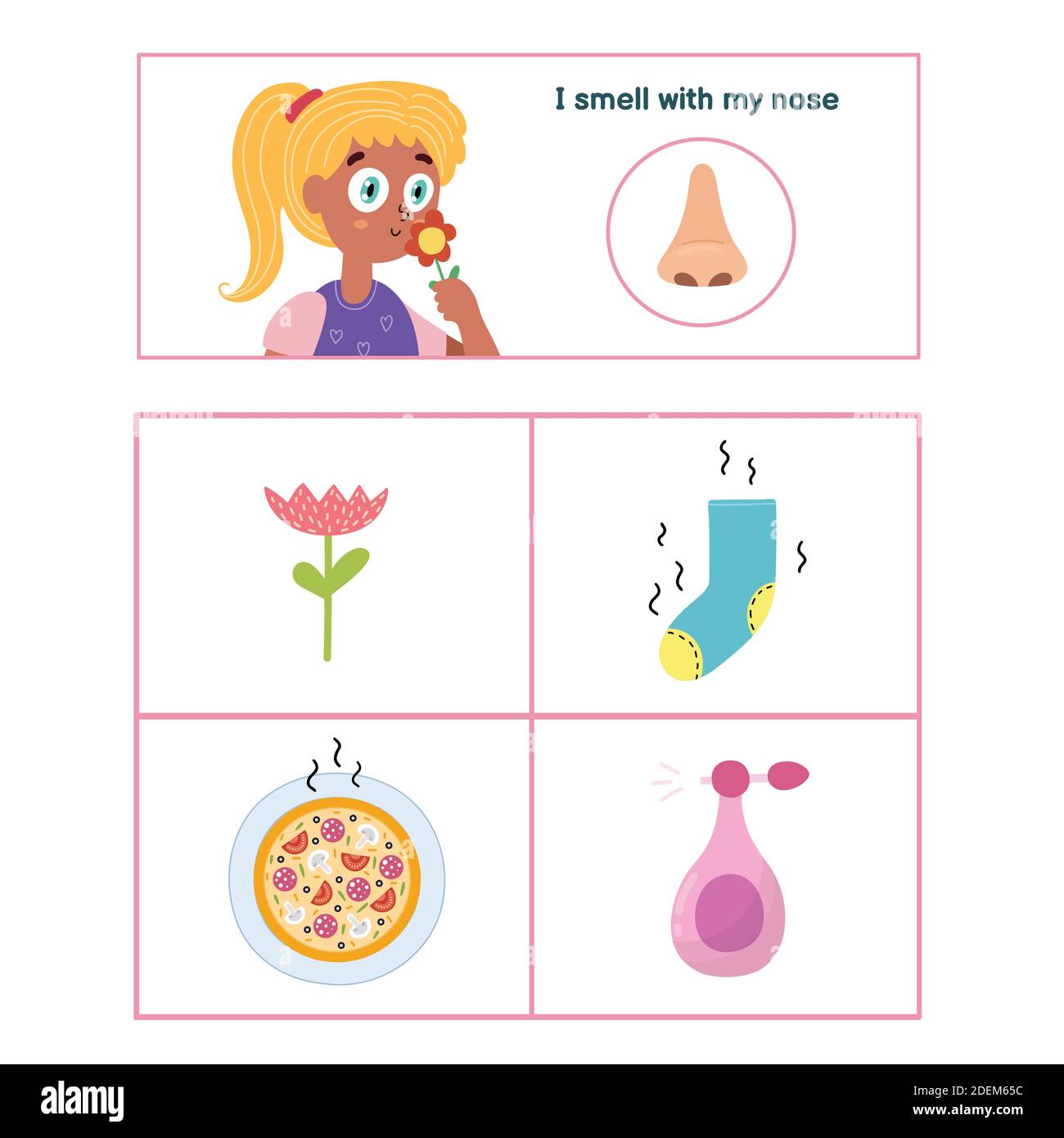
Hyperosmia is a physiological condition characterized by an increased sensitivity to odors, often referred to as a super sense of smell. This heightened acuity typically results from hormonal shifts, neurological factors, or genetic predispositions, allowing individuals to detect scents at concentrations far below the average human threshold, though it often leads to sensory overload.
The Biological Foundation of Olfactory Acuity
To understand how a super sense of smell is unveiled in certain individuals, one must first look at the complex architecture of the human olfactory system. Unlike sight or hearing, which rely on physical waves, smell is a chemical sense. When we inhale, volatile organic compounds (VOCs) enter the nasal cavity and bind to specialized protein receptors located on the olfactory epithelium, a small patch of tissue high in the nasal passage.
In a typical adult, there are approximately 10 to 20 million olfactory receptor neurons. In those with hyperosmia, the efficiency of these receptors or the density of the neurons may be significantly higher. Once a scent molecule binds to a receptor, it triggers an electrical signal that travels through the cribriform plate to the olfactory bulb. This structure, located at the base of the brain, acts as a filter and relay station.
From the olfactory bulb, the signal is sent directly to the limbic system, which includes the amygdala and the hippocampus. This direct pathway is why smells are so closely linked to emotion and memory. In individuals with heightened sensitivity, the "gain" on these signals is effectively turned up, meaning the brain processes minor chemical stimuli as significant sensory events.
Identifying the Causes: Why Some People Smell More Than Others
Hyperosmia is rarely a standalone condition; it is usually a symptom or a secondary manifestation of an underlying physiological state. As of 2026, clinical research continues to categorize these causes into three primary groups: hormonal, neurological, and environmental.
Hormonal Fluctuations and Sensory Shifts
The most documented cause of a temporary super sense of smell is pregnancy. During the first trimester, many women report a profound increase in olfactory sensitivity. This is biologically linked to rising levels of estrogen and human chorionic gonadotropin (hCG). From an evolutionary perspective, this "super sense" may have served as a protective mechanism, helping the mother avoid toxins or spoiled foods that could harm the developing fetus.
Other endocrine factors can also play a role. Conditions such as Addison’s disease—where the adrenal glands do not produce enough cortisol—have been linked to heightened olfactory thresholds. When cortisol levels are low, the body’s sensory regulation can become hypersensitive, leading to an overwhelming perception of common odors.
Neurological Triggers and Migraines
Neurological conditions are a frequent source of hyperosmia. Migraine sufferers often experience a phenomenon known as osmophobia (an aversion to smells) during or before an attack. This is not merely a psychological dislike but a neurological intensification. The brain’s trigeminal nerve system, which handles sensory information for the face and head, becomes hyper-excitable, causing odors like perfume, smoke, or cleaning chemicals to feel physically painful or nauseating.
Similarly, some forms of epilepsy, particularly those affecting the temporal lobe, can cause "olfactory auras." In these cases, the patient may experience an intense, often unpleasant smell right before a seizure occurs, representing a sudden, involuntary "unveiling" of the olfactory pathways.
The Evolutionary Perspective of High Olfactory Sensitivity
The existence of a super sense of smell suggests that, at some point in human history, extreme olfactory acuity provided a significant survival advantage. While modern humans rely heavily on vision, our ancestors likely used smell to track game, identify water sources, and recognize social kin.
Genetic studies have identified specific clusters of genes, known as the OR (Olfactory Receptor) gene family, that vary widely between individuals. Some people possess "functional" versions of receptors that others do not, allowing them to detect specific molecules like androstenone (found in sweat) or geosmin (the smell of damp earth) at much higher resolutions. This genetic diversity ensures that within a population, there are always some individuals capable of "unveiling" hidden environmental hazards through scent alone.
Living with a Super Sense: Challenges and Advantages
While the idea of having a "superpower" may seem appealing, the reality for those with hyperosmia is often burdensome. Sensory overload is a constant threat in urban environments filled with exhaust, artificial fragrances, and industrial waste.
The Professional Edge
In specific industries, however, hyperosmia is a highly valued trait. "The Nose" (Le Nez) in the perfumery industry refers to master blenders who can distinguish between hundreds of individual chemical components in a single scent. These individuals often undergo years of training to categorize their natural sensitivity. Similarly, in the wine and spirits industry, sommeliers with superior olfactory acuity can detect the subtle "cork taint" (TCA) or the specific terroir of a vineyard that an average palate would miss.
The Burden of Sensory Overload
For the average person, hyperosmia can lead to significant lifestyle restrictions. Simple tasks like riding public transportation or walking through a department store can become agonizing. This often leads to:
- Olfactory Fatigue: The brain becomes so saturated with signals that it cannot distinguish between different smells, leading to headaches and exhaustion.
- Dietary Restrictions: Strong-smelling foods like garlic, fish, or fermented products may become intolerable, leading to a very limited diet.
- Social Isolation: The inability to tolerate perfumes or common household cleaners can make social gatherings or workplace environments difficult to navigate.
Comparative Olfactory Baselines
To understand where one falls on the spectrum of smell, it is helpful to compare the different classifications of olfactory function.
| Condition | Definition | Primary Characteristics | Common Causes |
|---|---|---|---|
| Normosmia | Normal sense of smell | Ability to detect standard odors at average concentrations. | Healthy baseline. |
| Hyperosmia | Heightened sense of smell | Detection of scents at sub-threshold levels; extreme sensitivity. | Pregnancy, migraines, Addison’s disease. |
| Hyposmia | Reduced sense of smell | Decreased ability to detect odors; requires high concentrations. | Aging, smoking, viral infections (e.g., COVID-19). |
| Anosmia | Total loss of smell | Complete inability to detect any odors. | Head trauma, nasal polyps, genetic conditions. |
| Phantosmia | Olfactory hallucinations | Perceiving smells that are not present in the environment. | Temporal lobe issues, sinus infections. |
Diagnostic Procedures and Medical Evaluation
If an individual suspects they have developed an abnormal sensitivity to smell, a clinical evaluation is necessary. Medical professionals in 2026 typically follow a tiered approach to diagnosis:
- Olfactory Threshold Testing: Patients are exposed to varying concentrations of a specific odorant (often n-butanol or phenylethyl alcohol). The "threshold" is the lowest concentration the patient can consistently detect.
- Identification and Discrimination Tests: The "Sniffin' Sticks" test is a common tool where patients must identify scents from a variety of pens. This helps determine if the issue is high sensitivity (hyperosmia) or a difficulty in processing (parosmia).
- Neurological Imaging: If the hyperosmia is sudden and accompanied by headaches or changes in vision, an MRI or CT scan may be performed to rule out tumors, lesions, or other structural issues in the olfactory bulb or temporal lobe.
- Blood Panels: Testing for electrolyte imbalances and hormone levels (specifically cortisol and estrogen) can pinpoint endocrine causes.
Management Strategies for Sensory Overload
Managing a super sense of smell requires a combination of environmental control and physiological desensitization. Since the "unveiled" sense cannot easily be "turned off," the goal is to mitigate the impact of the environment.
Environmental Modifications
The most effective way to manage hyperosmia is to create a "scent-neutral" sanctuary. This involves:
- Switching to fragrance-free detergents, soaps, and cleaning agents.
- Using high-efficiency particulate air (HEPA) filters with activated carbon stages, which are specifically designed to trap VOCs and odors.
- Ensuring proper ventilation in kitchens and bathrooms to prevent the buildup of cooking or moisture-related smells.
Nasal Filters and Masking
In 2026, discrete internal nasal filters have become more advanced, allowing individuals to filter out large odor molecules without the bulk of a traditional face mask. Additionally, some individuals find success with "scent masking"—carrying a small vial of a "safe" scent, like peppermint or lemon oil, to sniff when they encounter an overwhelming or unpleasant odor in public.
Psychological and Behavioral Therapy
Cognitive Behavioral Therapy (CBT) is often used to help patients manage the emotional response to smells. For many with hyperosmia, the arrival of a scent triggers an immediate "fight or flight" response. CBT helps reframe these triggers, reducing the anxiety associated with sensory input and helping the brain to better ignore non-threatening olfactory background noise.
Future Research: Olfactory Modulation
As we look toward the remainder of 2026 and beyond, research is focusing on the potential for olfactory modulation. Scientists are exploring the use of "odorant-binding protein" inhibitors that could be delivered via a nasal spray. These would theoretically bind to the proteins in the nose before scent molecules can, effectively "muffling" the super sense for a few hours. This would provide those with hyperosmia a way to navigate high-scent environments like airports or hospitals with much greater comfort.
Frequently Asked Questions
Can hyperosmia be cured? Hyperosmia is usually managed rather than cured, especially if it is caused by genetics or chronic neurological conditions. However, if the cause is temporary, such as pregnancy or a specific medication, the sensitivity typically returns to normal once the underlying factor is resolved.
Is a super sense of smell a sign of a brain tumor? While rare, sudden changes in sensory perception, including smell, can be associated with neurological issues. If hyperosmia is accompanied by persistent headaches, seizures, or personality changes, a medical consultation is essential for a thorough evaluation.
How does hyperosmia differ from parosmia? Hyperosmia is an increase in sensitivity (smelling things "more"), whereas parosmia is a distortion of smell (smelling things "differently"). For someone with parosmia, a pleasant scent like coffee might smell like burnt rubber or chemicals.
Can certain medications cause a heightened sense of smell? Yes, some stimulants and medications that affect the central nervous system can lead to temporary hyperosmia. Conversely, some medications used to treat migraines may help reduce olfactory sensitivity as a side effect.
Is hyperosmia related to being a "supertaster"? There is often a correlation. Taste is roughly 80% smell. Many individuals who are supertasters—having a higher density of fungiform papillae on the tongue—also possess a super sense of smell, making their overall sensory experience of food much more intense.
Practical Recommendation
If you find that your sense of smell has become overwhelming, start by keeping a scent diary. Note the time of day, the specific odor, and your physical reaction (e.g., nausea, headache). This data is invaluable for doctors to determine whether your hyperosmia is cyclical, environmental, or related to specific triggers like food or stress. Consult an otolaryngologist (ENT specialist) to discuss olfactory threshold testing and to rule out any underlying medical conditions.